 GameWiki
GET YOUR BEARINGS
About Monster Hunter Wilds
Monster Hunter Wilds is an action hunting game in which observation, equipment preparation, and weapon knowledge reinforce one another. You enter changing environments, investigate monsters, and use materials from successful hunts to improve the next attempt. The most useful early investment is learning a weapon's movement and recovery well enough to recognize when an attack is safe.
Wilds introduces systems such as Focus Mode and the Seikret mount that help connect aiming, travel, and preparation. This wiki explains how those systems fit into a hunt without claiming a permanent best weapon or a current endgame damage ranking. Check the linked official footage and announcements when an update changes the equipment or encounter you are researching.
01 / THE GUIDE
Choose a weapon by movement and recovery
Try a weapon's movement, short attacks, defensive options, and longer commitments in a safe practice setting. Learn how it reaches the monster's relevant body parts and what happens after a missed attack. A satisfying demonstration combo is only one part of the weapon; the ordinary actions used while repositioning determine how comfortably you can learn an unfamiliar target.
Pick a reliable short sequence before studying every advanced interaction. Use that sequence during a manageable hunt and notice when the monster's recovery is too brief for the longer version. Keep the weapon long enough to learn its basic rhythm, then compare another option if the movement or resource management still does not suit you.
- Practice returning to a safe position after an attack.
- Learn one short punish before a long combo.
- Judge a weapon against the body part you can realistically reach.
02 / THE GUIDE
Use Focus Mode to aim at wounds deliberately
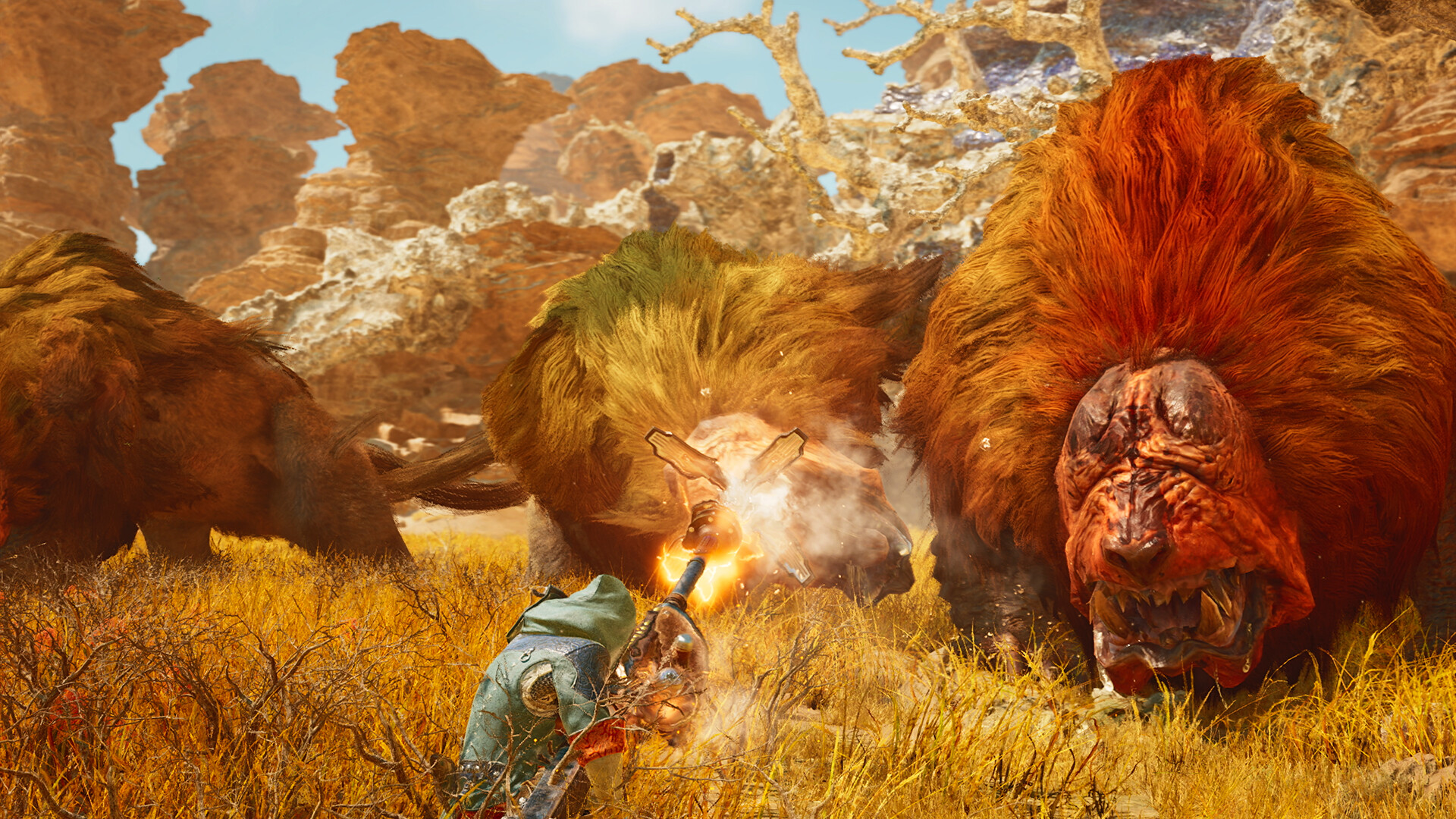
Focus Mode helps direct attacks and makes wounds and weak points easier to identify. Use the view to confirm the part you are trying to reach rather than continuing to swing at whichever surface happens to be nearest. Repeated attention to a useful part can make the hunt's openings easier to recognize and share with other hunters.
Each weapon has a Focus Strike with its own execution. Learn its reach and commitment before attempting it through an incoming attack. An exposed wound is an opportunity, not an instruction to abandon defensive awareness. Wait for space to perform the action and inspect how it changes the monster's behavior and your weapon's next options.
- Practice aiming Focus Mode at a chosen part.
- Learn the selected weapon's Focus Strike in safe conditions.
- Take a wound opportunity after a recognized monster action.
03 / THE GUIDE
Prepare food, supplies, and a return plan
Check the target, objective, and equipment before departing. Refill the healing and utility items you used in the previous hunt, then read the supplies and resistances that matter for the destination. A repeatable preparation routine prevents a difficult encounter from becoming an accidental test of an empty pouch.
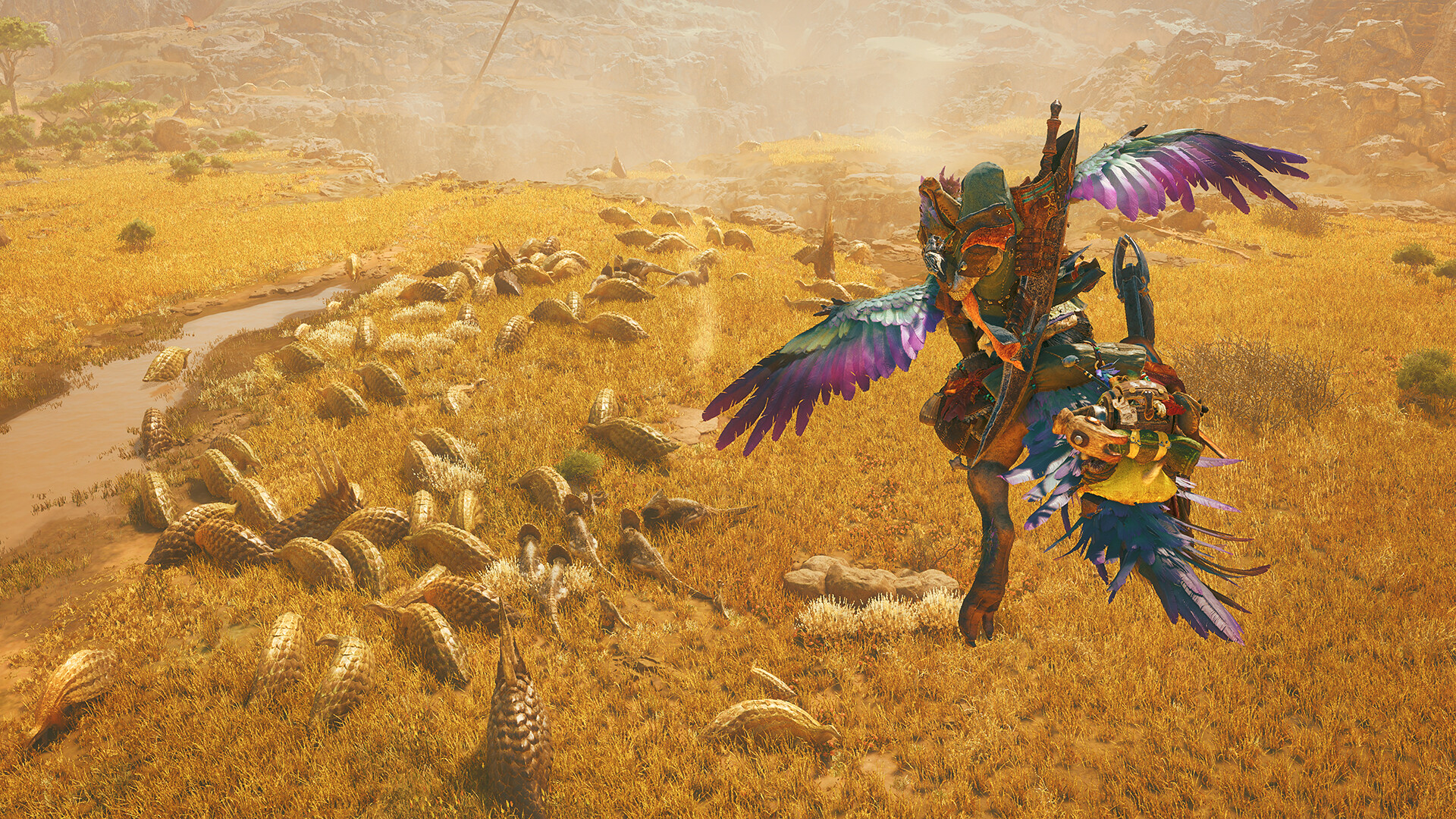
Use travel and camp opportunities to keep the hunt organized. The Seikret supports movement through the environment and access to carried equipment options, so learn its interface before relying on it during an emergency. When the target moves, use the transition to reassess supplies and equipment condition rather than arriving at the next area already unprepared.
- Restock from the items actually consumed last hunt.
- Check the objective before choosing specialized equipment.
- Use a travel transition to review recovery and weapon condition.
04 / THE GUIDE
Learn the monster's sequences and your safe position
Watch how the monster starts, links, and ends its attacks. Some movements create a brief opening on one side while making the other side dangerous. Choose a position with a defensive response available, then use a short attack after a confirmed ending instead of gambling on a pause that may lead into another move.
After a cart or a heavy hit, identify the decision that caused it. The problem may be attack recovery, a poor angle, an unfamiliar follow-up, or an item used without enough space. Change that response on the next attempt before replacing the entire build. Hunt progress includes recognizing a sequence earlier and reaching a useful part more consistently.
- Observe the end of the sequence before committing.
- Change one response after the attack that causes repeated trouble.
- Recover from a position chosen for safety, not only proximity.
05 / THE GUIDE
Plan upgrades and coordinate with other hunters
Choose a specific weapon or armor improvement and inspect its material requirements. Connect the missing material to the relevant hunt or reward source before repeating unrelated quests. Compare the new equipment with the current bottleneck: a resistance or survival problem may need a different answer from a shortage of damage opportunities.
In multiplayer, watch where teammates are committed before using an attack or tool that affects the shared space. Communicate when you are creating or using an opening, and help maintain pressure without making another hunter's position unsafe. A successful group hunt depends on the target and shared objective, not on forcing every player into an identical equipment setup.
- Inspect the exact missing material before another farming run.
- Choose an upgrade that addresses the current hunt problem.
- Leave room for teammates already committed to an opening.
COMMUNITY
Player discussion