 GameWiki
GET YOUR BEARINGS
About Hades II
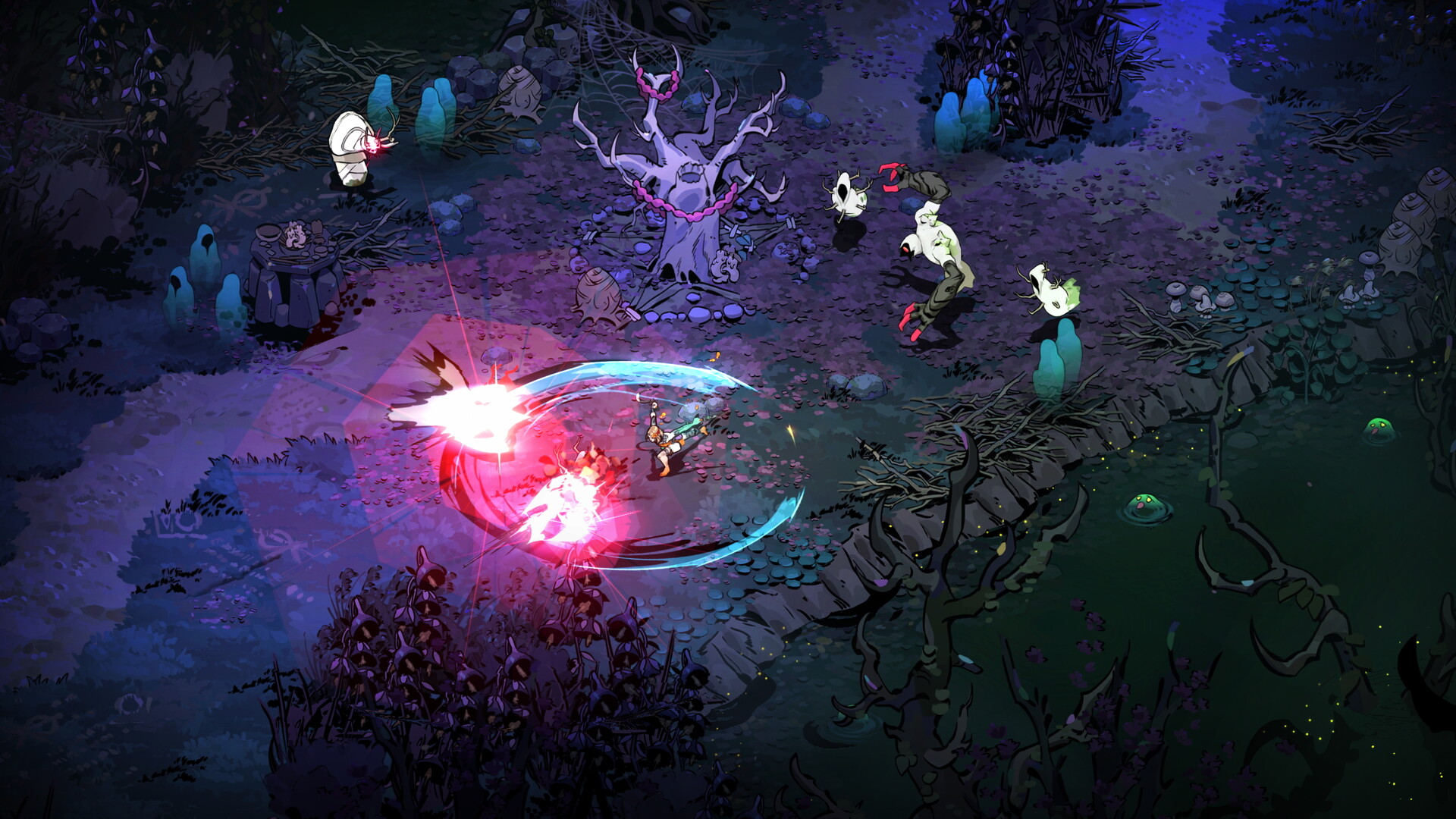
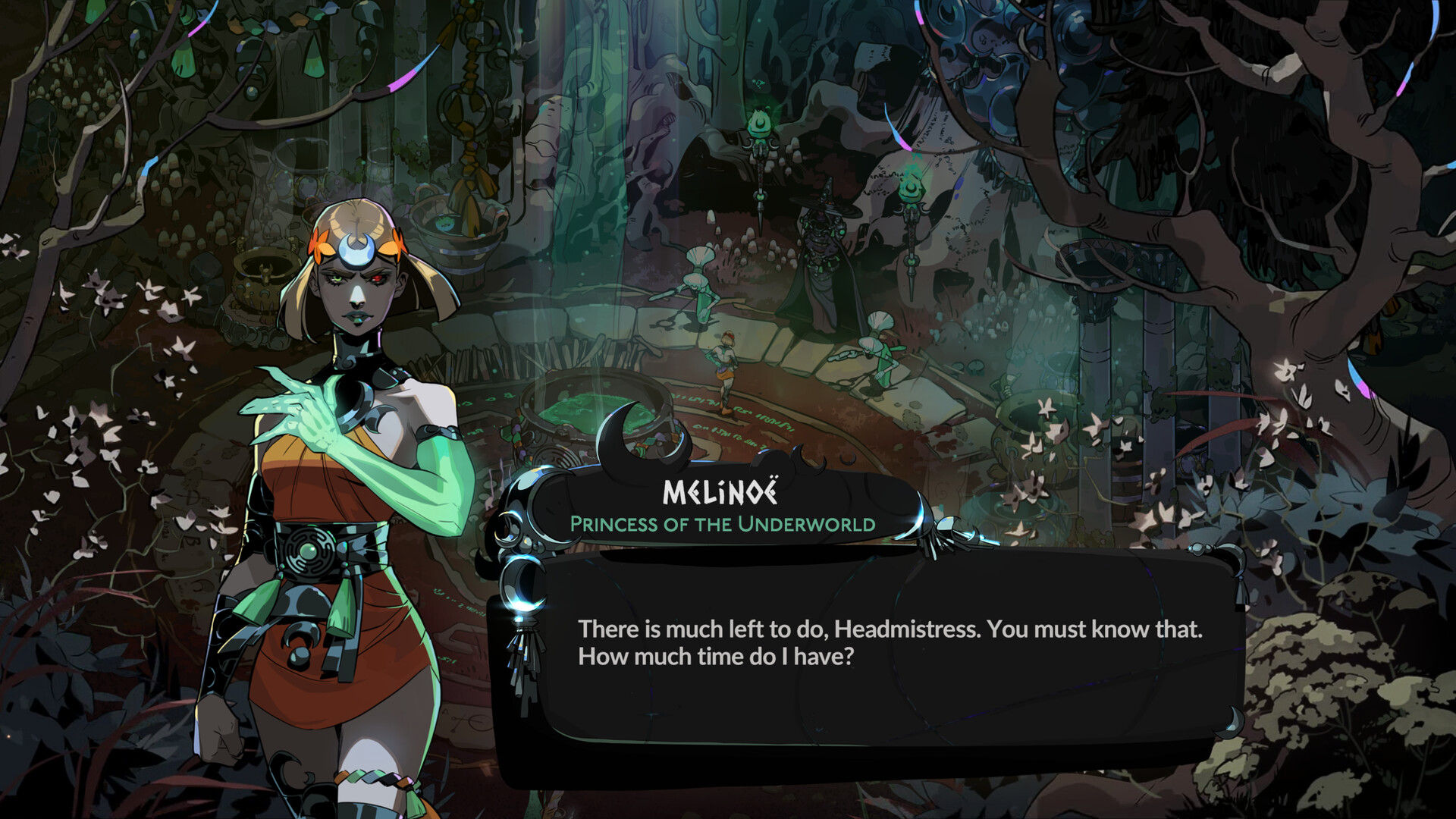
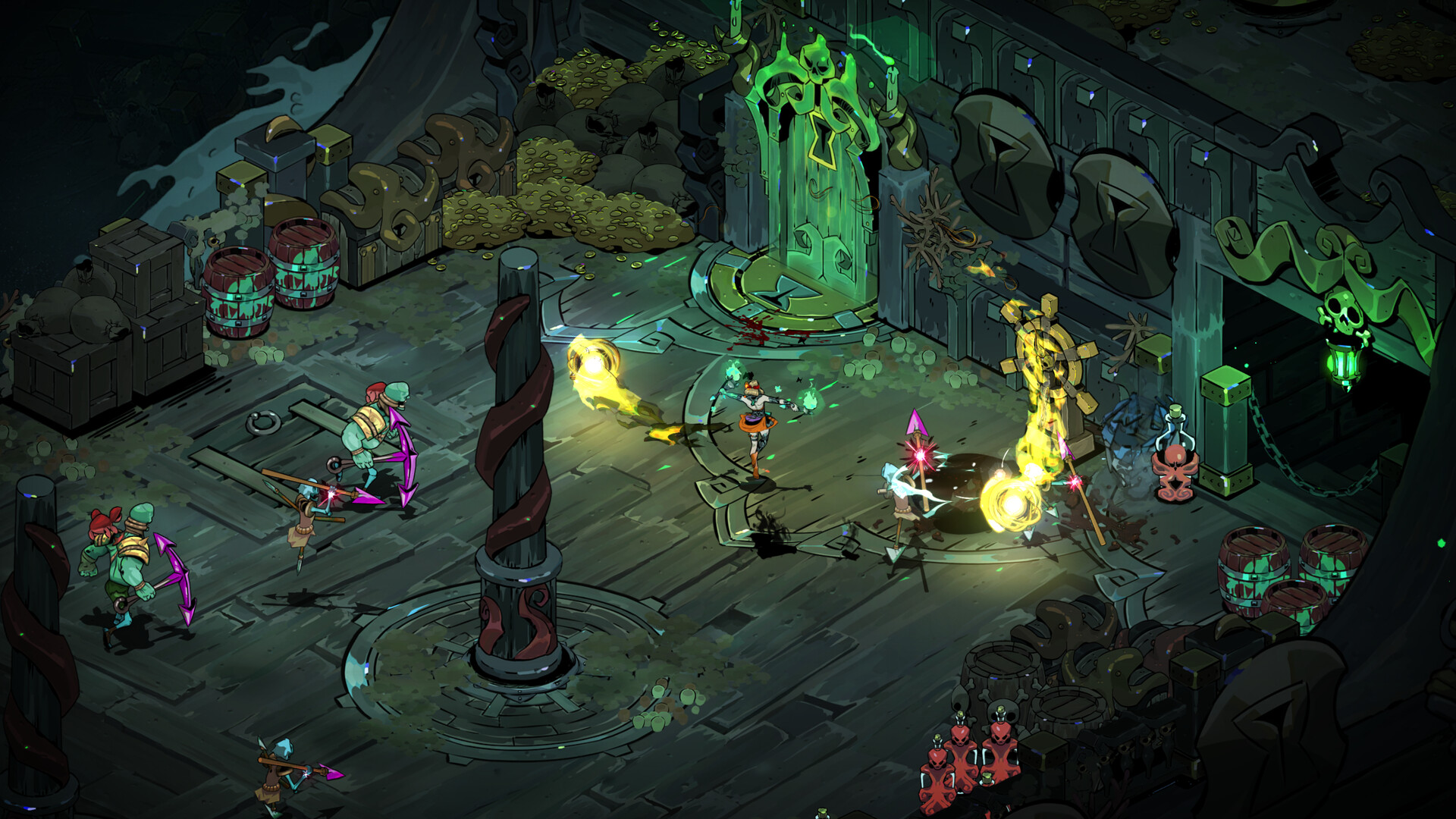
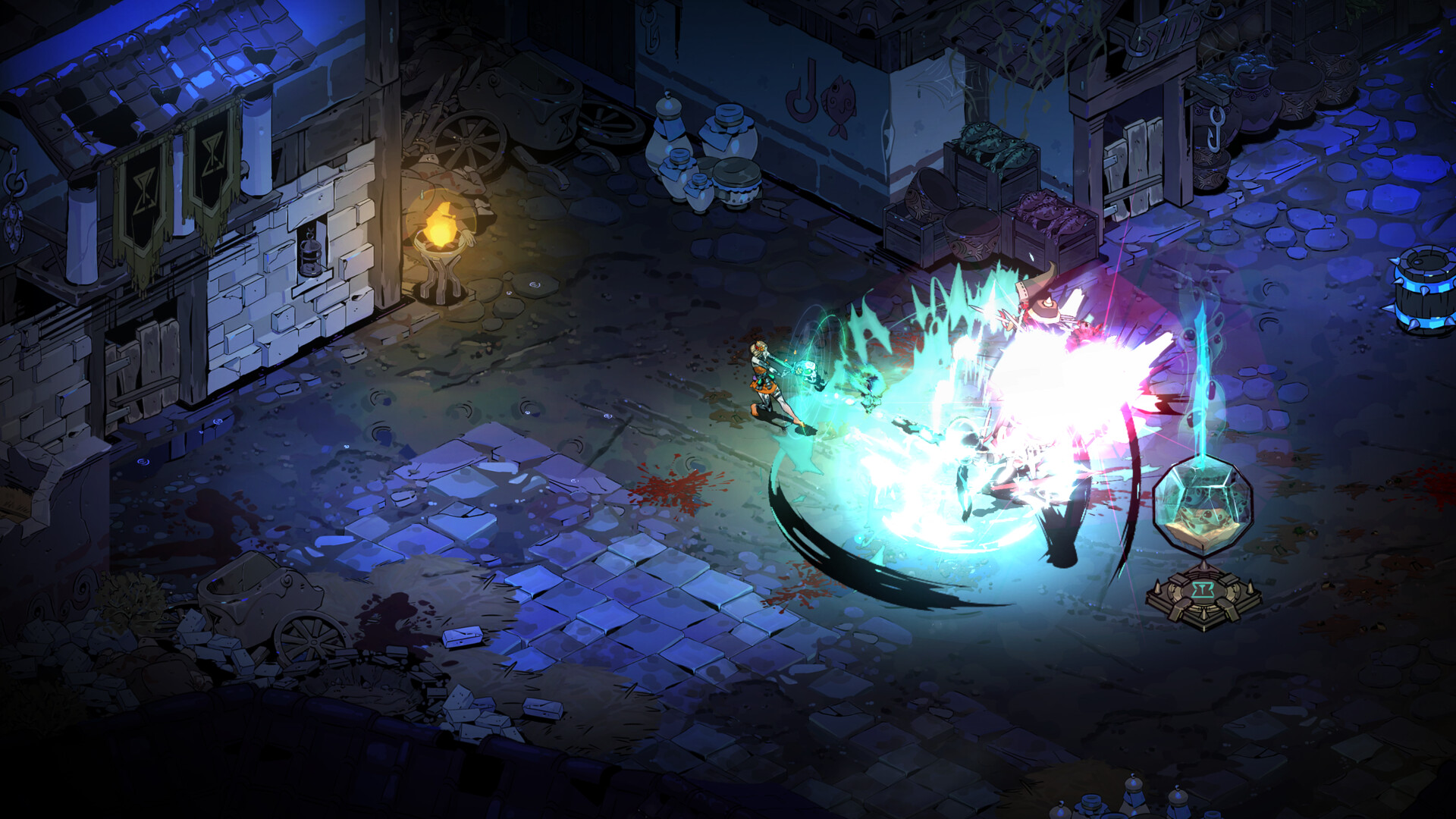
Hades II follows Melinoe, the Princess of the Underworld, through an action roguelike built around repeated attempts and permanent progress. Weapons of Night, Olympian boons, witchcraft, and conversations at the Crossroads all contribute to the journey. An unsuccessful run can still provide a resource, a character interaction, or a clearer answer to an enemy pattern.
Build a run around something you can repeat under pressure. A recognizable attack sequence and a dependable way to reposition provide a useful baseline for comparing boons. Once the baseline is comfortable, experiment with a different weapon, Arcana arrangement, or Magick plan instead of changing all three at once.
01 / THE GUIDE
Choose a weapon loop you can repeat
Try the attack, special, cast, and charged actions in a safe space before starting a serious attempt. Notice which moves stop Melinoe, which reach a distant enemy, and which leave time to move away. Pick one frequent action as the run's main damage source, then judge upgrades by how often they help that action.
Different weapons ask for different spacing. A comfortable close-range sequence can become risky when several enemies attack from outside the screen's center. Keep a ranged or control option available and use it to create a safe entry rather than forcing the main combo into every situation.
- Practice the recovery after a charged action.
- Identify a move that works while retreating.
- Keep one default weapon setup for comparison.
02 / THE GUIDE
Magick and cast decisions
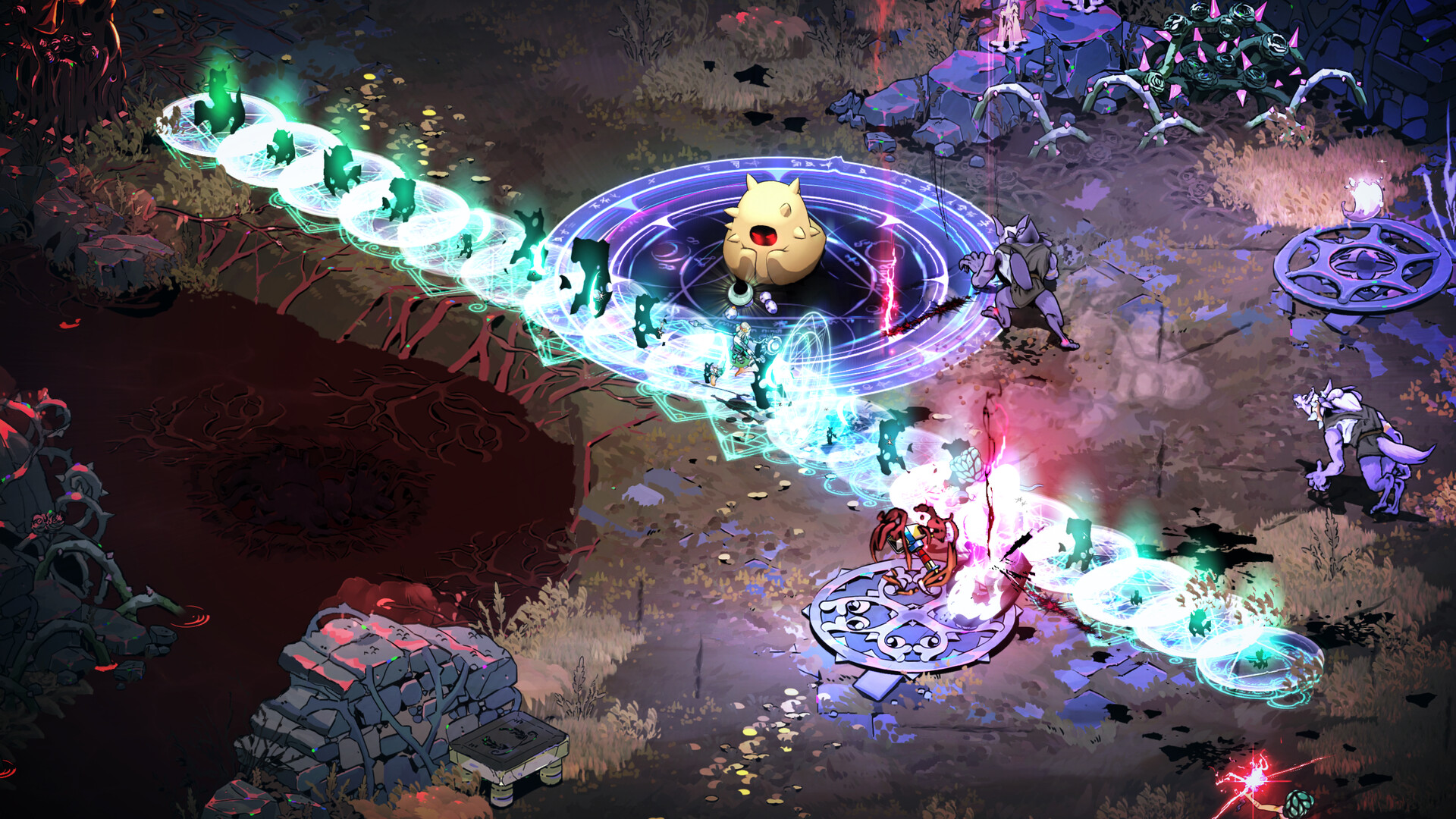
Treat Magick as a resource with a spending plan and a recovery plan. Before choosing another charged effect, check whether the build can sustain the actions you intend to repeat. A powerful option is less useful when it empties the resource before the dangerous part of the encounter.
Use the cast to influence where enemies can safely move and where Melinoe can stand. Place it with the next attack in mind, then reposition while its effect supports you. Learn what the ordinary action accomplishes before relying on an upgraded or charged version to solve every room.
- Read both the Magick cost and recovery conditions.
- Place the cast before moving into a crowded area.
- Keep a useful sequence that still works when Magick is low.
03 / THE GUIDE
Choose boons for the current run
Compare a boon with the weapon and actions you are already using. An effect on your most frequent move can be more valuable than a rarer bonus that needs a different rhythm. Look for an explicit contribution: safer access to damage, better control, resource recovery, or a response to an enemy that currently causes trouble.
Avoid assembling a build purely from the names of gods or effects you liked in a previous run. Read trigger conditions and identify how the new effect joins your existing sequence. If the choice changes your preferred action, practice that change in the next ordinary chamber before a major encounter.
- Name the action a boon is improving.
- Check whether its trigger matches your normal play.
- Add a defensive answer before taking another unfamiliar mechanic.
04 / THE GUIDE
Arcana and Crossroads progression
The Altar of Ashes gives permanent planning a separate role from the boons found during a run. Work within the available Arcana capacity and build a foundation that addresses the way your recent attempts ended. If survival is the constraint, another offensive experiment may not be the best next purchase.
Review incantations and resource requirements before collecting reagents. Choose a concrete unlock and carry an appropriate gathering tool where available. Talk to characters when new conversations appear: story and relationship progress are part of the return loop, not a menu to rush through before the next departure.
- Choose a resource goal before leaving the Crossroads.
- Check capacity after changing Arcana.
- Review newly available conversations between attempts.
05 / THE GUIDE
Prepare for longer encounters
Use the opening of a major fight to identify hazards, attack groups, and safe movement directions. Remove pressure that limits your space before trying to maximize damage. A missed opportunity is usually recoverable; committing a long animation into an unfamiliar sequence is harder to undo.
After a failed run, record one concrete cause: a repeated hit, lack of recovery, an awkward weapon range, or a resource problem. Choose the smallest change that tests that diagnosis. God Mode is an official option for players who want help continuing the story while learning the combat.
- Save a response for the move that usually catches you.
- Review the cause of the final hit rather than only the final boss.
- Use the official FAQ for current support and compatibility details.
COMMUNITY
Player discussion