 GameWiki

GET YOUR BEARINGS
About Who's Lila?
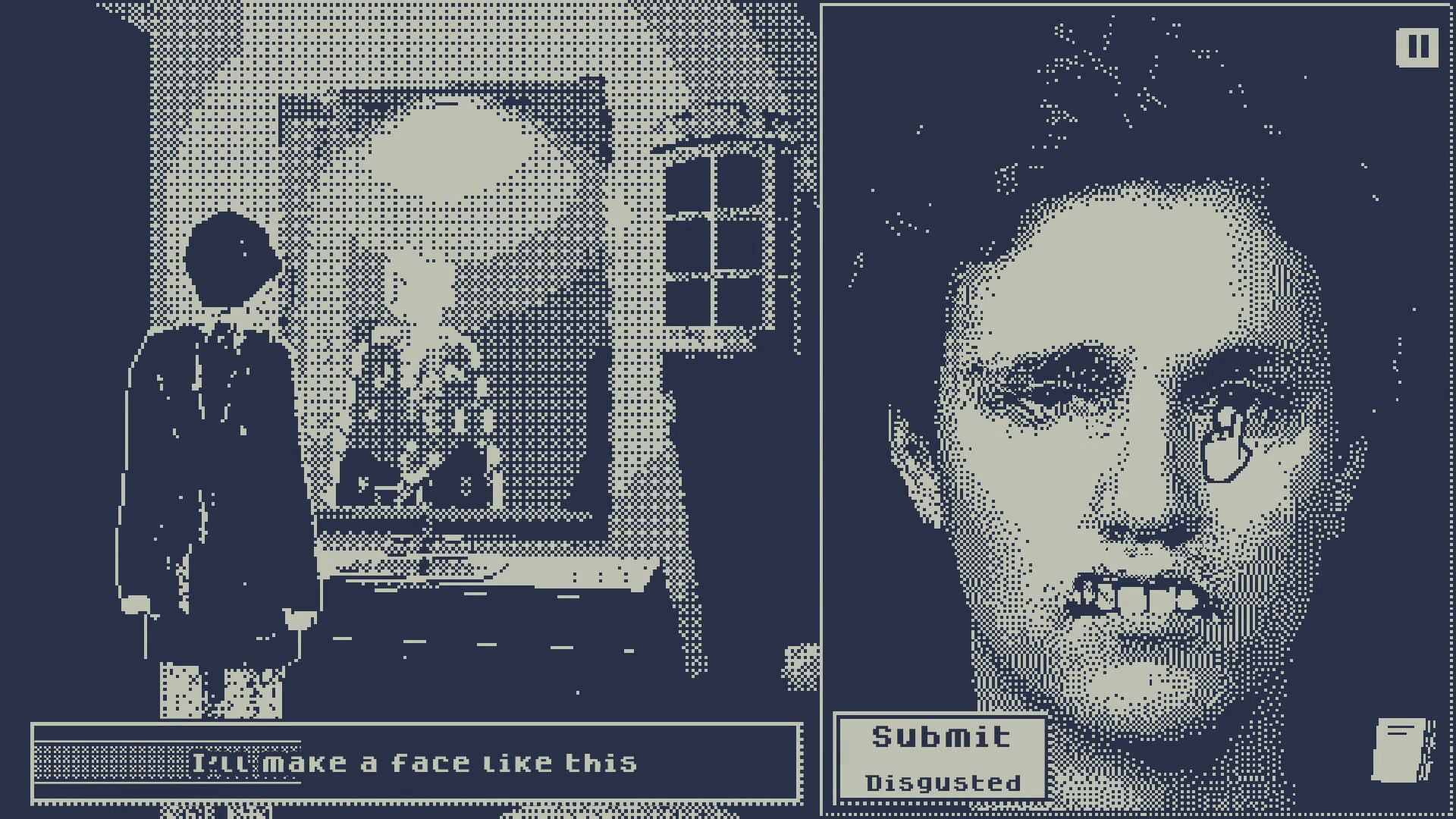
Who’s Lila is a point‑and‑click adventure that replaces traditional dialogue choices with facial expression input. A neural‑network analyzes the player‑controlled face to determine William’s emotional response, driving the story forward.
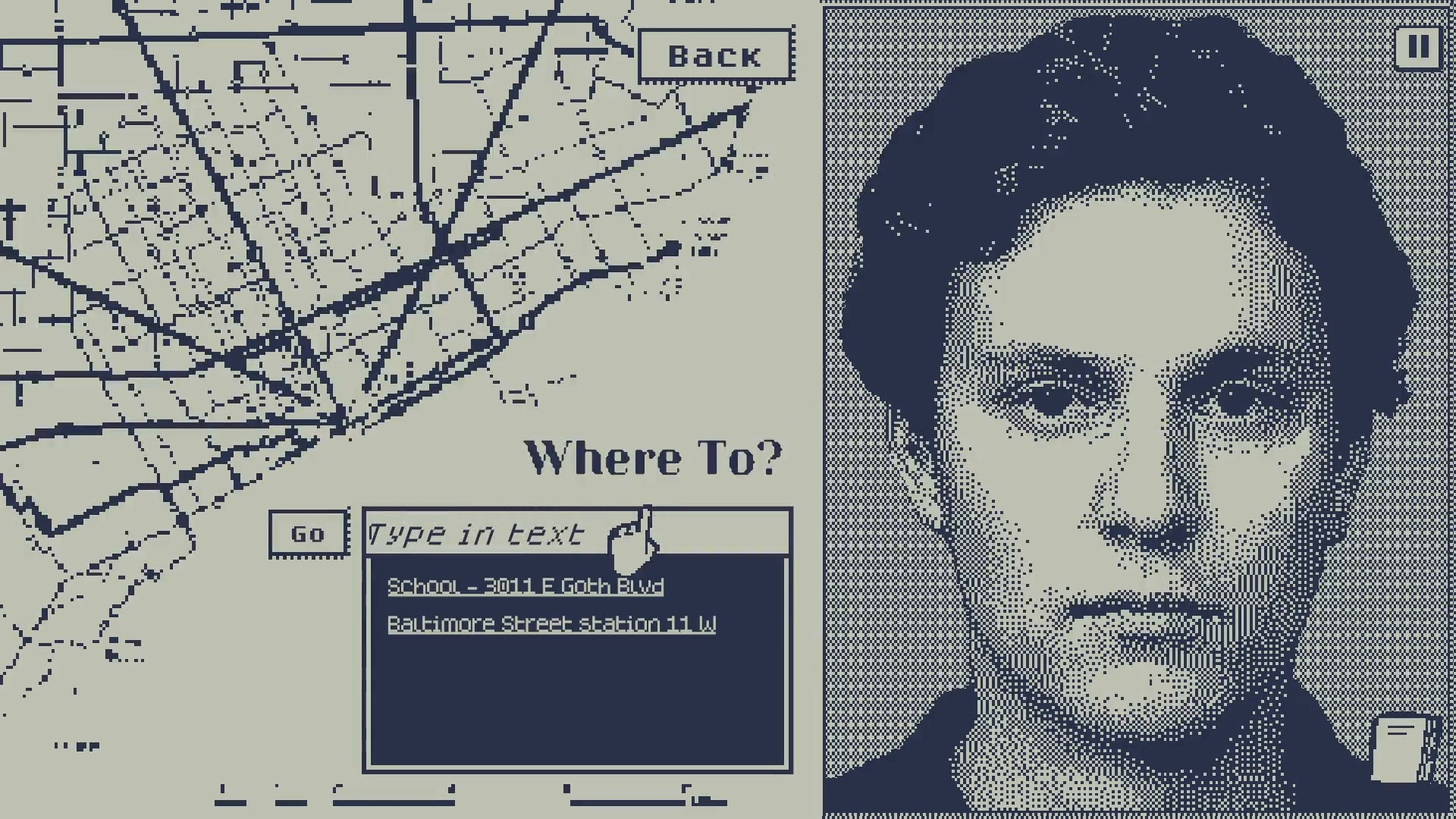
Set in a gritty dither‑punk world, the game offers surreal landscapes, steam‑filled factories, and a David Lynch‑inspired aesthetic. With over six hours of play, 15 possible endings, and a soundtrack of more than fifty tracks, players explore a mystery surrounding the disappearance of Tanya Kennedy while questioning the identity of Lila.
01 / THE GUIDE
Neural‑Network Emotion Detection
Instead of selecting text options, players manipulate parts of William’s face. The game’s trained neural network reads these movements, interprets the expressed emotion, and selects the corresponding dialogue outcome. This system creates a direct link between player expression and narrative direction.
The emotion detection works throughout conversations, meaning every choice is tied to how the face is shaped at that moment. It replaces conventional branching menus with a visual, performance‑based method of decision‑making.
- Observe how subtle changes in the facial controls affect outcomes; small adjustments can lead to different emotional readings.
- Experiment with exaggerated expressions early to gauge the neural network’s sensitivity.
02 / THE GUIDE
Dither‑punk Visual Style
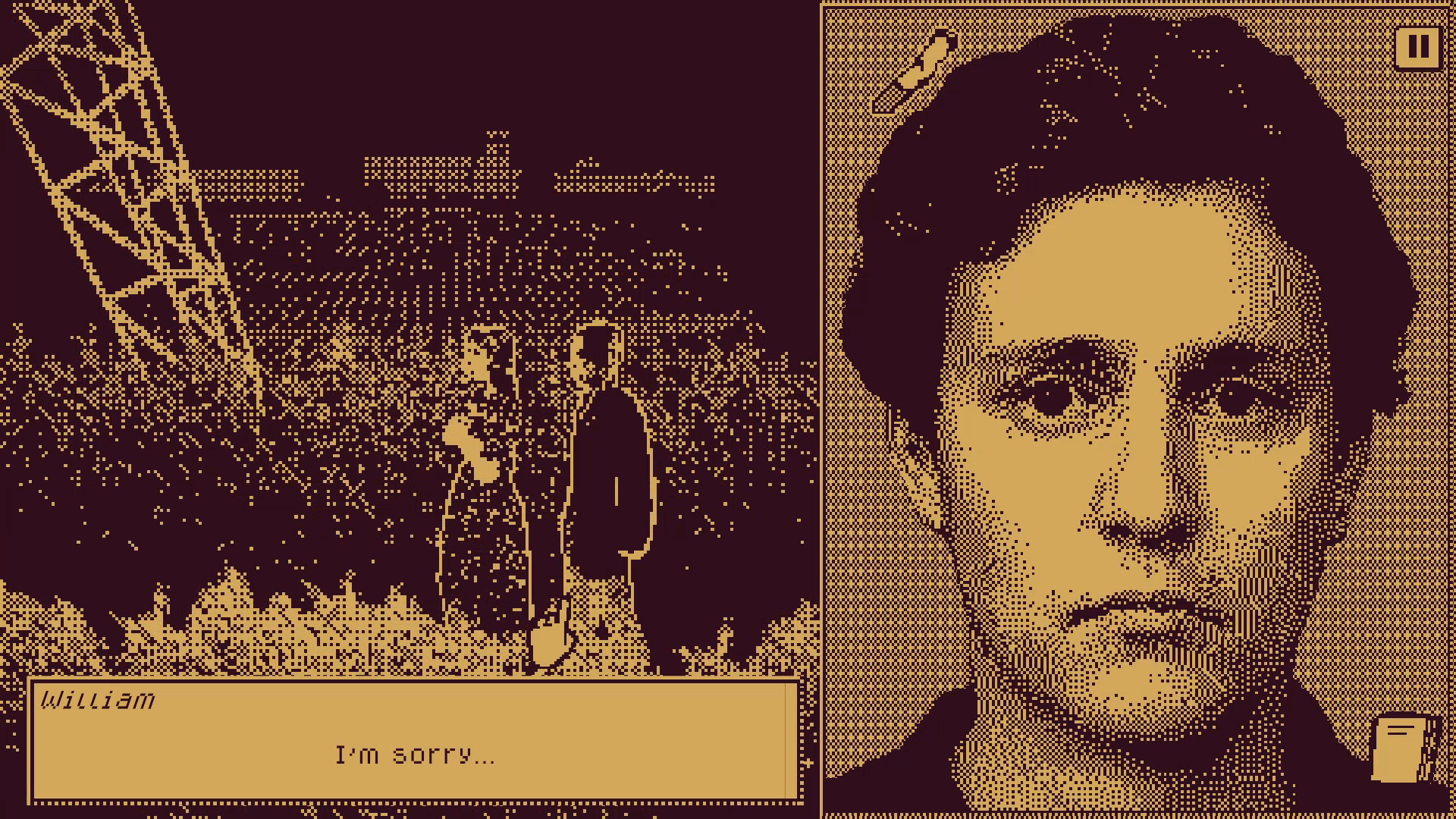
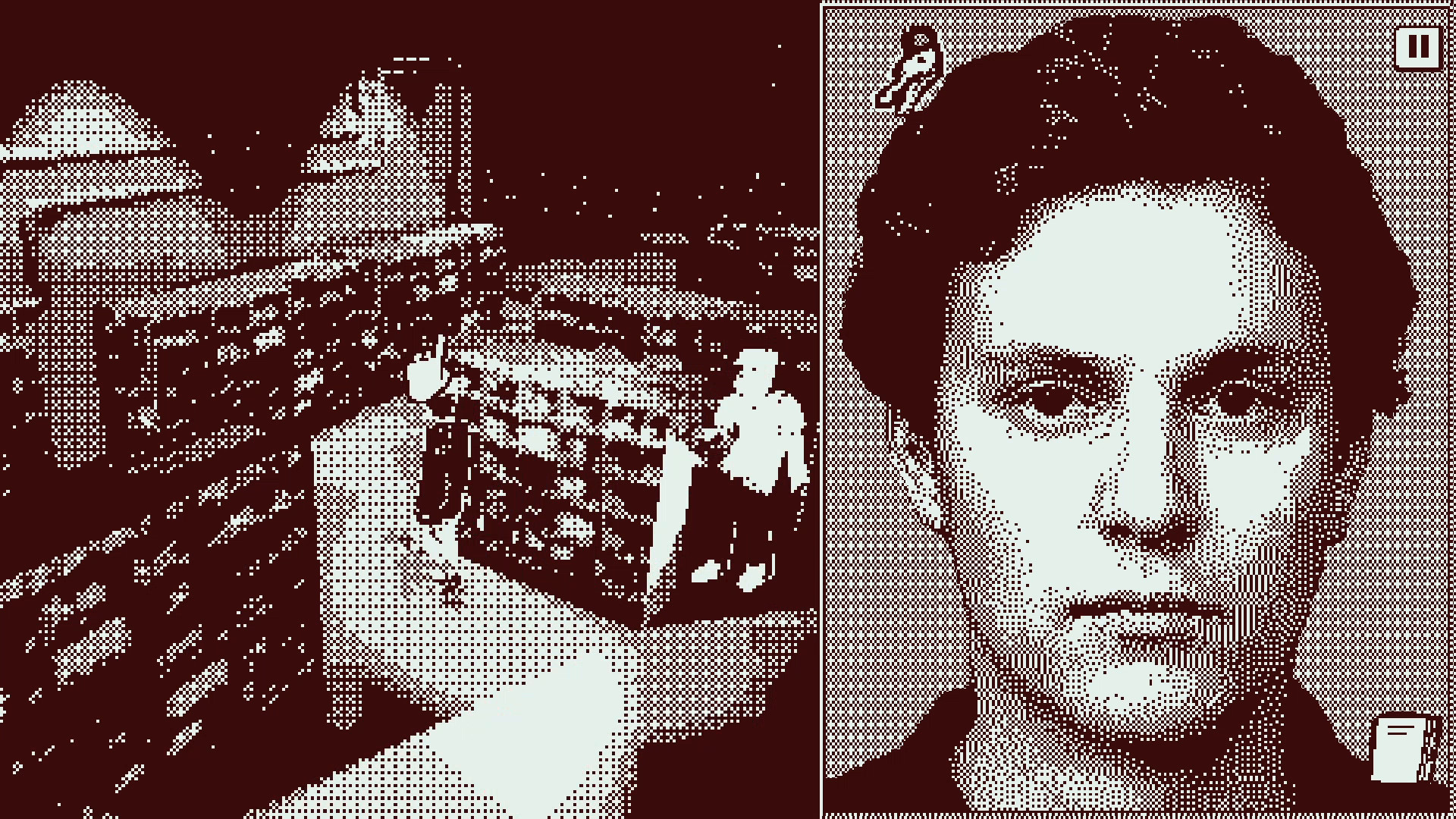
The game’s art direction blends gritty industrial settings with dream‑like, surreal architecture. Environments range from steam‑filled factory interiors to Lynch‑inspired mundane scenes, all rendered with a distinctive dither‑punk aesthetic.
This visual approach reinforces the mysterious tone, making each location feel both familiar and otherworldly. The style is consistent across all scenes, providing a cohesive backdrop for the emotion‑driven narrative.
- Take note of recurring visual motifs; they often hint at narrative themes.
- Use the visual contrast to anticipate emotional stakes in upcoming dialogues.
03 / THE GUIDE
Branching Endings
Player choices, expressed through facial gestures, lead to fifteen distinct endings. Each ending reflects the cumulative emotional path taken throughout the game, offering varied conclusions to the mystery of Tanya’s disappearance and the identity of Lila.
The branching structure encourages replayability, as different expression patterns can unlock new story threads and outcomes, providing fresh perspectives on the same core narrative.
- Record the facial patterns that lead to unique endings for future reference.
- Consider playing multiple times with contrasting emotional tones to explore the full range of conclusions.
04 / THE GUIDE
Original Soundtrack
Who’s Lila features over fifty unique soundtrack pieces composed specifically for the game. The music was written specifically for the game, enhancing immersion and reinforcing the dither‑punk atmosphere.
Each track is crafted to match the surreal visuals and narrative beats, providing an auditory cue that complements the facial‑driven dialogue system.
- Listen for musical shifts that may signal a change in narrative direction.
- Use the soundtrack as a mood guide when deciding which facial expression to employ.
05 / THE GUIDE
Steam Integration
The title supports Steam achievements, trading cards, Workshop content, Cloud saves, and Family Sharing. These features integrate the game with the broader Steam ecosystem, allowing players to earn achievements and share the experience.
While the core gameplay remains single‑player, these Steam services add optional layers of community interaction and convenience without altering the narrative mechanics.
- Check the Workshop for community‑created content.
- Consider enabling Steam Cloud if you want to use Steam's cloud service during your playthrough.

COMMUNITY
Player discussion