 GameWiki

GET YOUR BEARINGS
About We Who Are About To Die
We Who Are About To Die is a single‑player gladiator roguelite where each run begins with a single life and ends with death. The core loop moves the player from pits to arenas and finally to a grand stadium, demanding mastery of a physics‑based combat system that reacts to directional inputs and momentum.
Set in the city of Terantia, the game offers over a dozen arena layouts, a modular equipment system with eight weapon classes, and dynamic audiences that react to how you fight. Progress is tracked through a ranking system and permanent backstory bonuses that survive across runs.
01 / THE GUIDE
Physics‑Based Combat
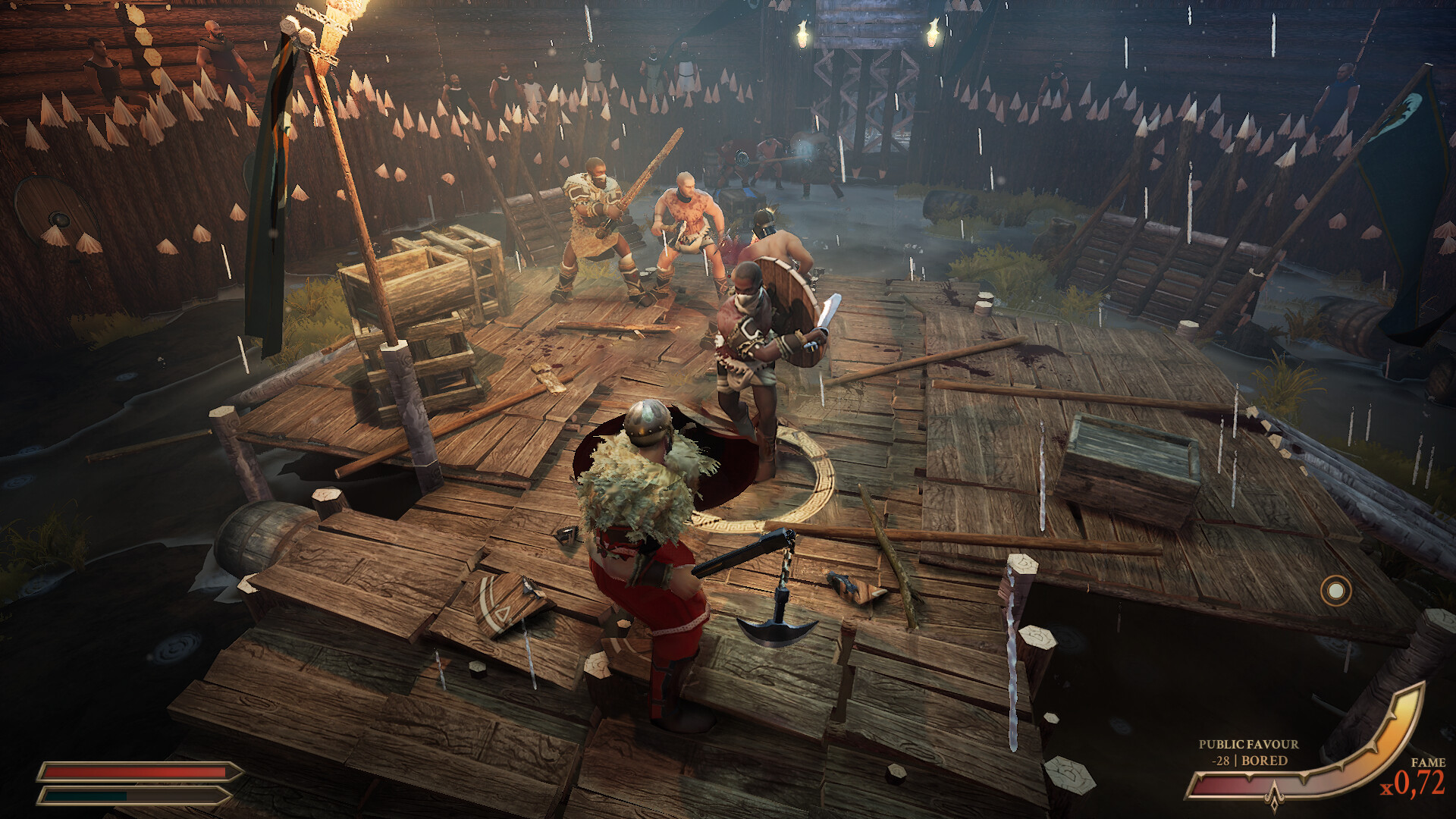
Combat uses directional attacks and momentum, so each input directly controls the gladiator’s movement and strike. Hitting weak spots requires timing and positioning; random button presses usually result in early death because the system does not lock you out with animation cut‑scenes.
The system is unforgiving at first: early attempts often miss, but slowing down and focusing on the physics cues improves hit reliability. Because you remain in control throughout, learning to generate force and aim precisely is essential for survival.
- Practice directional inputs in a low‑risk arena before tackling tougher matches.
- Build momentum before striking to increase damage and reach weak spots.
02 / THE GUIDE
Roguelite Run Structure
Each playthrough starts with a single‑life gladiator and proceeds through randomly generated arenas, events, and encounters. Runs are unique because backstories, equipment drops, and audience reactions differ each time, and death ends the current run.
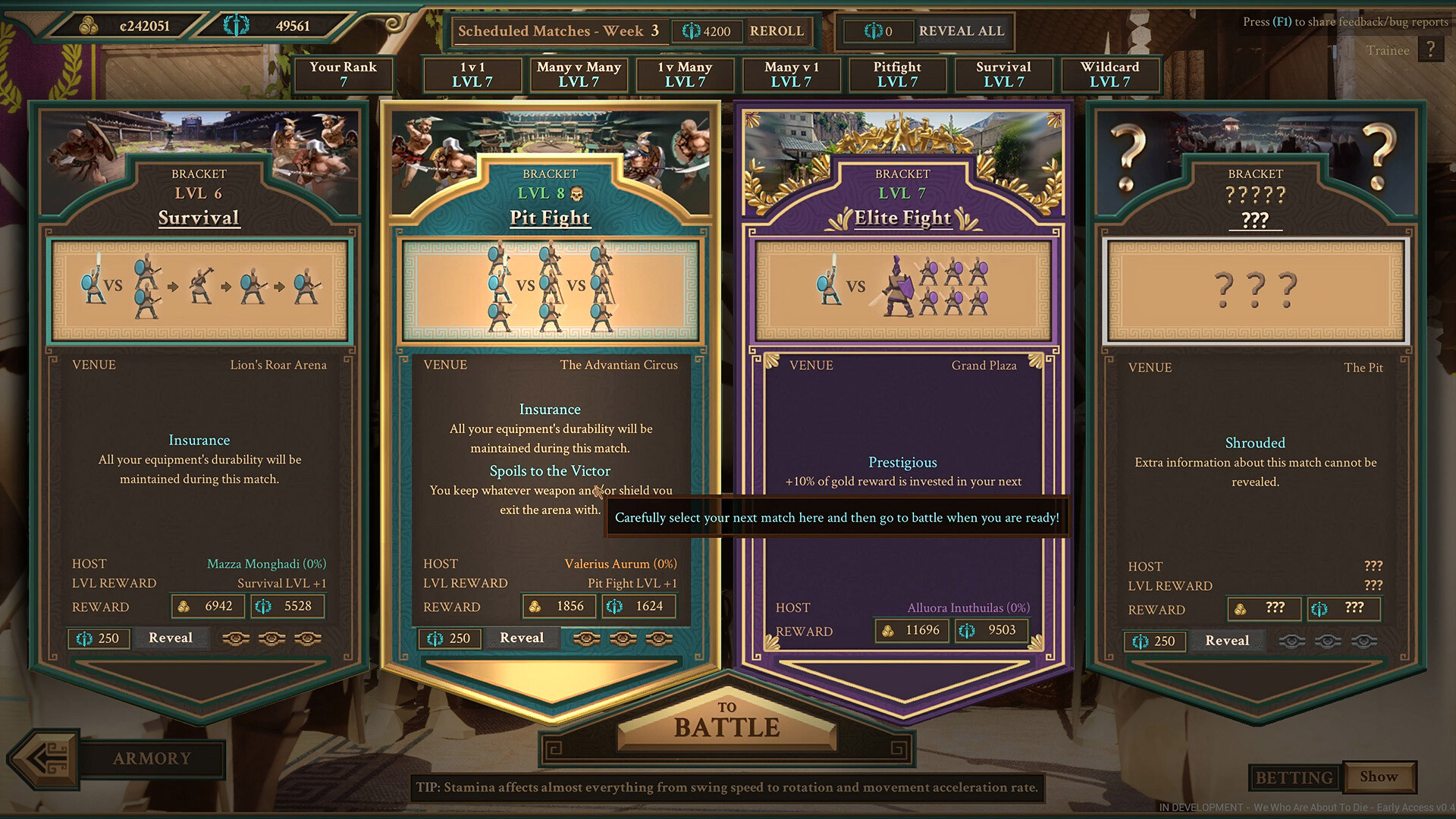
Strategic decisions such as choosing the next match, bribing patrons, or expanding a training school affect the resources you gather for that run. Since the game randomises many elements, improvisation is required to survive long enough to reach the final stadium.
- Assess your current resources before selecting the next match.
- Invest early in training upgrades that provide lasting benefits.
03 / THE GUIDE
Modular Equipment System
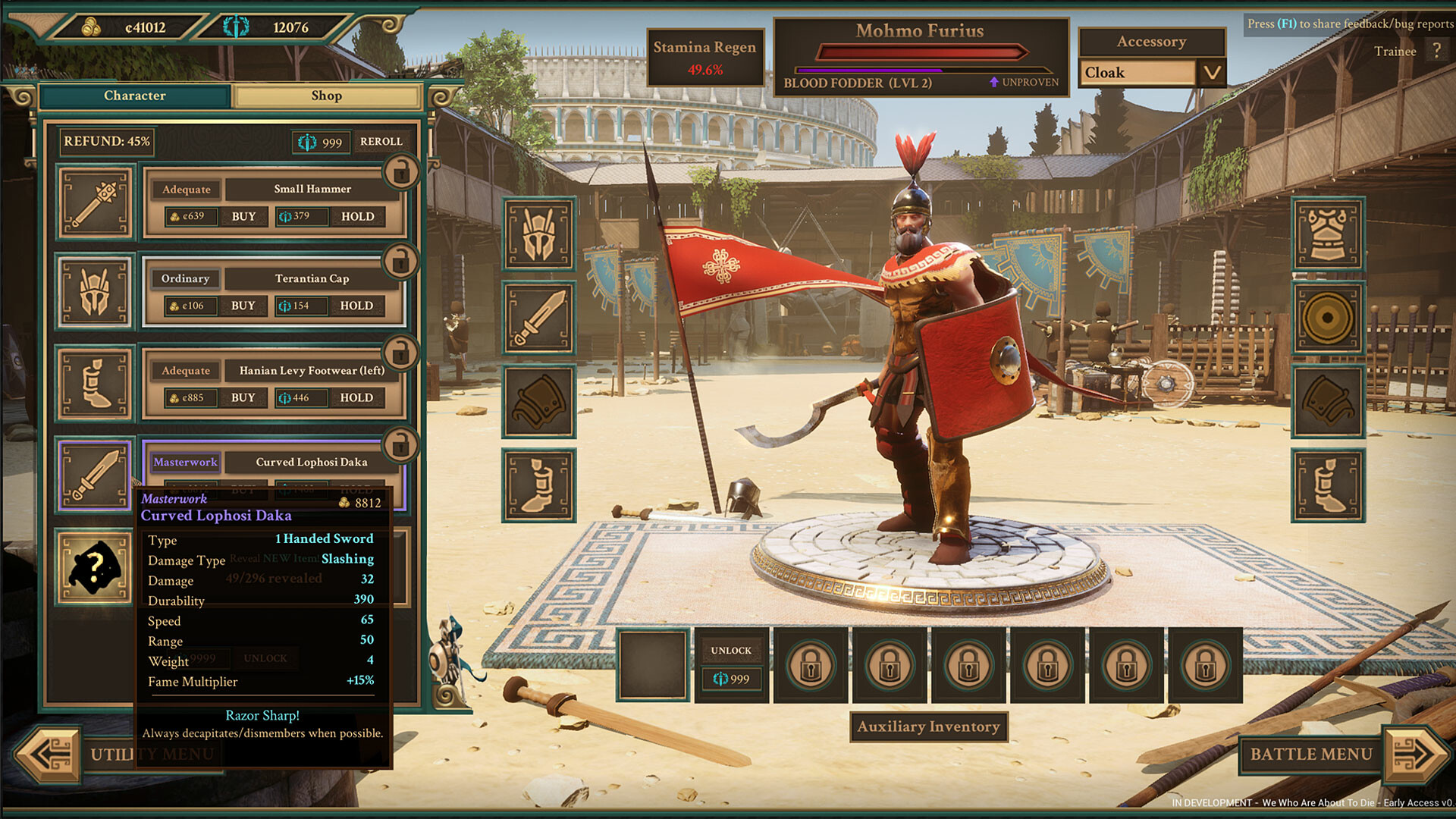
Weapons and armor are acquired and purchased piece‑by‑piece, allowing you to outfit your gladiator with gear from eight distinct weapon classes. Each class changes the feel of combat, encouraging experimentation with different attack styles.
Gold and influence earned in matches fund these upgrades, and the equipment you wear interacts with character skills that grow from related actions, creating a feedback loop between gear choice and skill development.
- Try several weapon classes early to discover which feels most natural.
- Balance spending between immediate gear upgrades and long‑term influence.
04 / THE GUIDE
Dynamic Audiences & Ranking
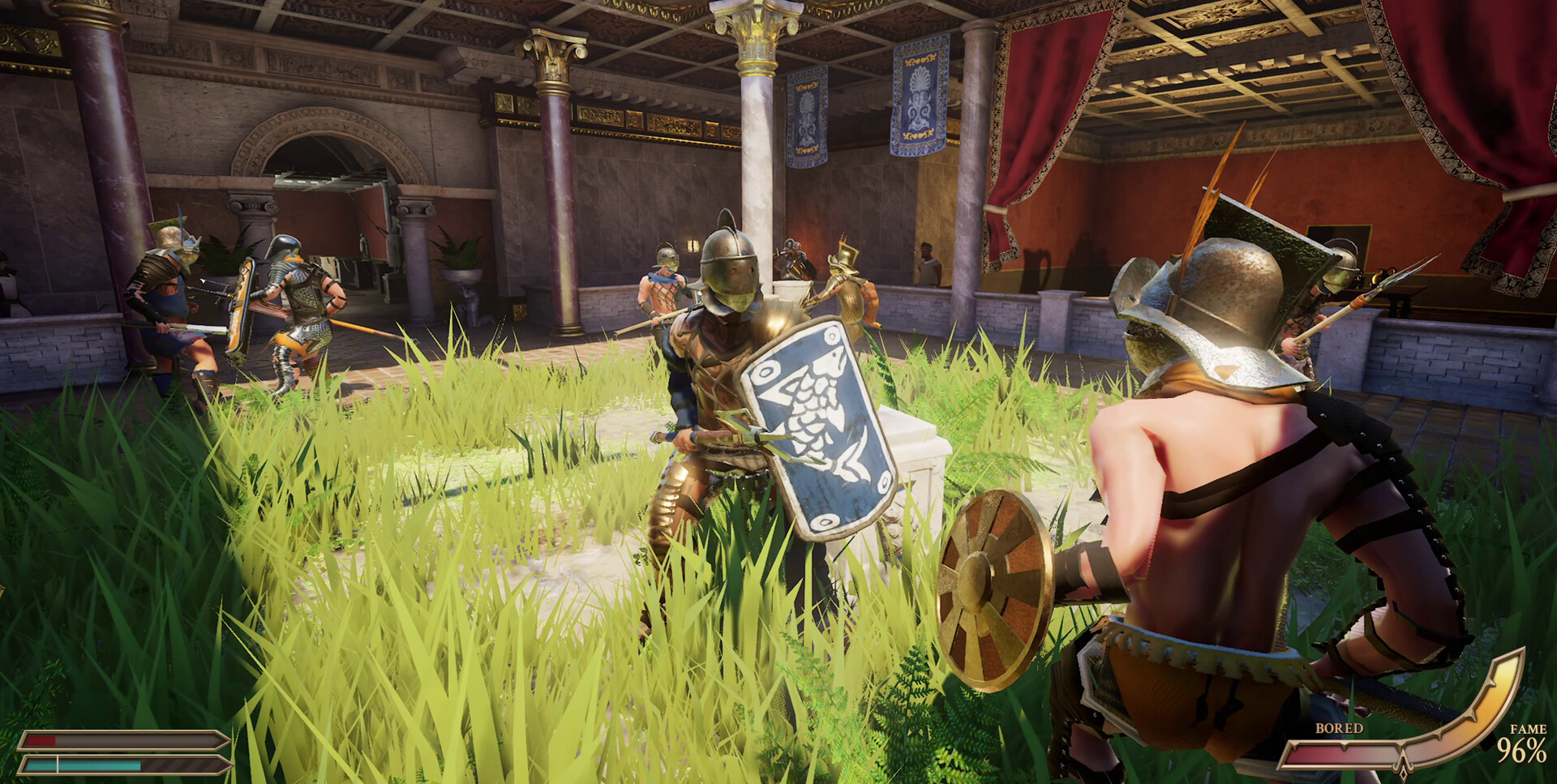
Crowds react to your combat performance, rewarding entertaining fights with higher rankings. The ranking system provides levelling rewards that reflect how well you please the audience during a bout.
Because audiences respond to your actions, adjusting your fighting style to include flashy moves can improve your ranking, while purely functional attacks may yield lower audience approval.
- Incorporate varied attack patterns to gauge crowd reaction.
- Watch audience cues and adapt your style mid‑run for better ranking.
05 / THE GUIDE
Backstories & Skill Growth
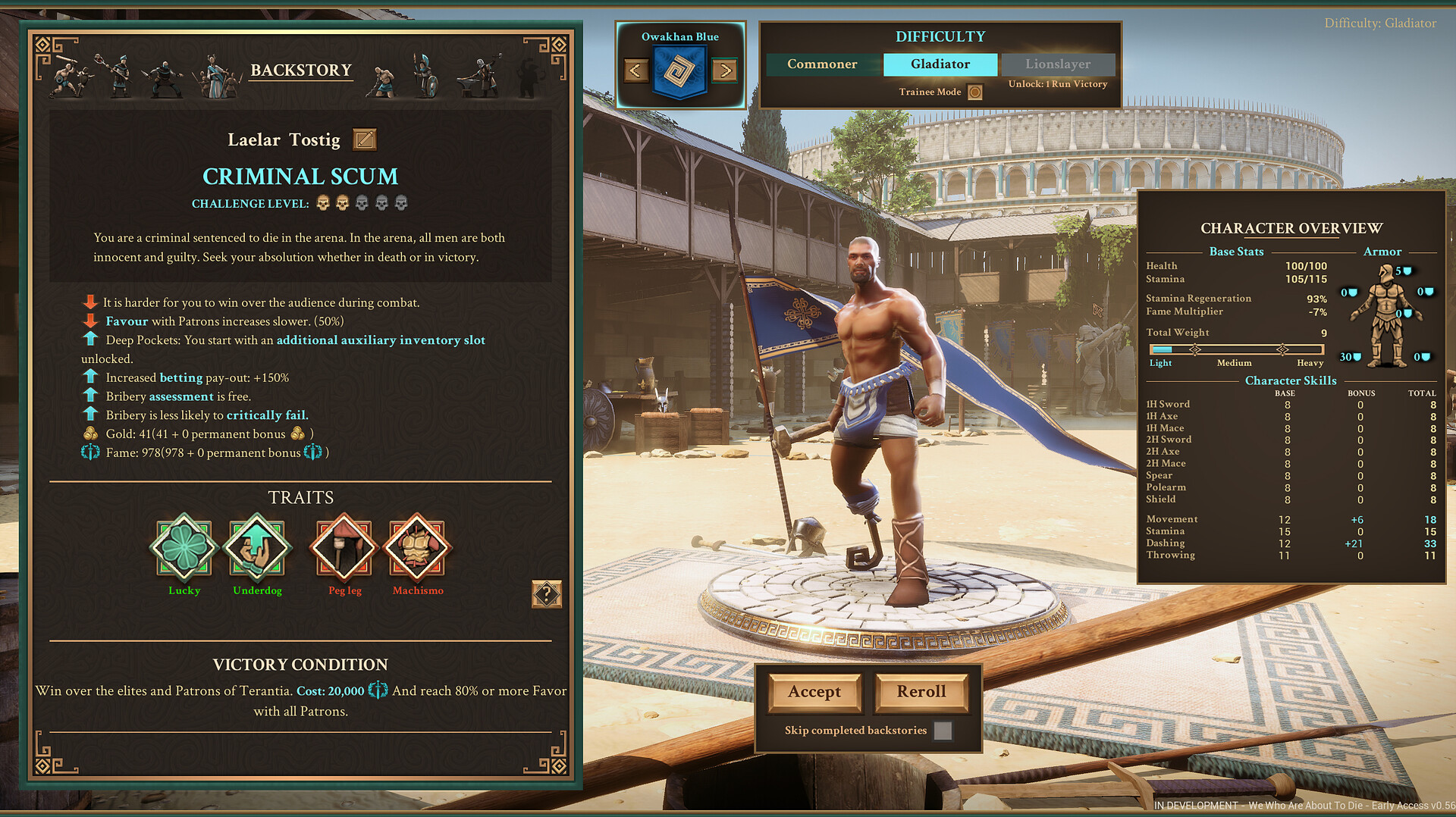
At the start you select a backstory that grants specific traits, goals, and a permanent bonus after a victorious run. These bonuses persist across future runs, influencing early decisions such as equipment purchases.
Skills increase as you perform related actions, linking combat behavior to character progression. Selecting a backstory that aligns with your preferred weapon class can streamline early success.
- Choose a backstory whose traits complement your chosen weapon.
- Focus on actions that trigger skill growth for faster improvement.
COMMUNITY
Player discussion