 GameWiki

GET YOUR BEARINGS
About Villages & Dungeons
Villages & Dungeons is a single‑player strategy card game that blends rogue‑lite adventure with deck‑building. Each run sends you into a randomized dungeon within a multiverse, where every decision reshapes the experience. The game uses a minimalist “1+4” system—one core card plus four support cards—combined with five elemental types and rune customization, offering over 300 cards to experiment with as you craft and evolve your deck on the fly.
01 / THE GUIDE
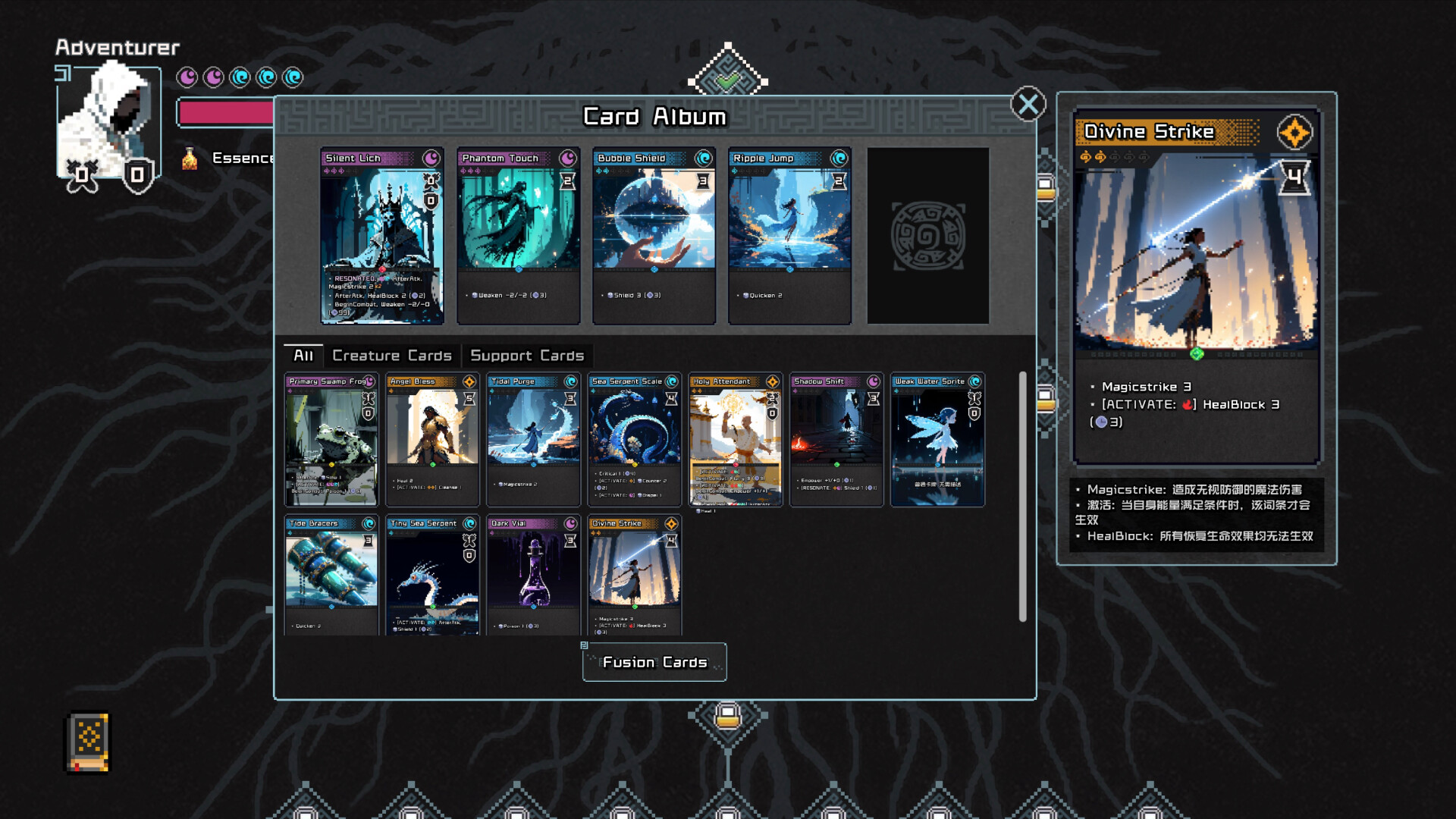
Deck Building Basics
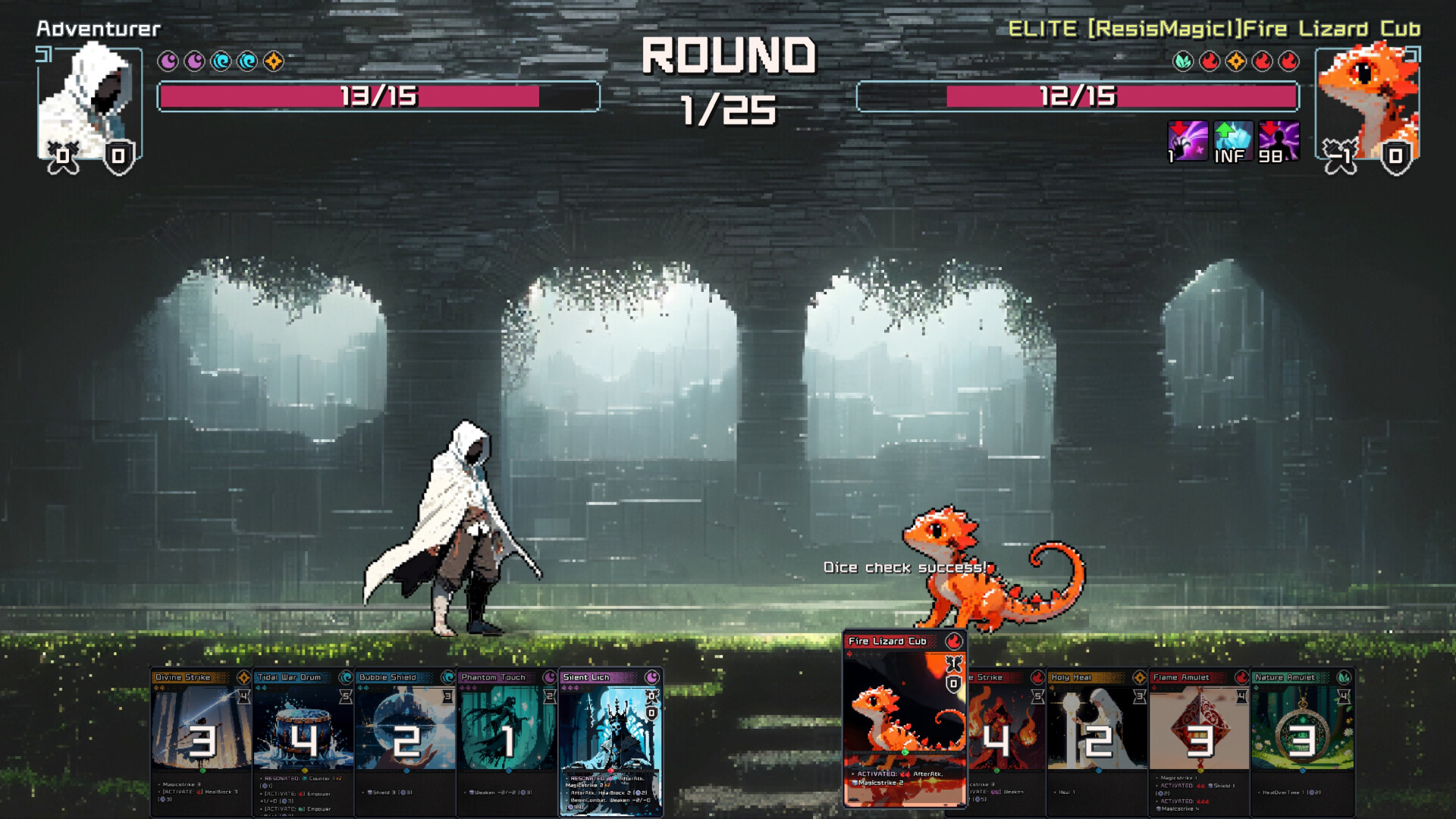
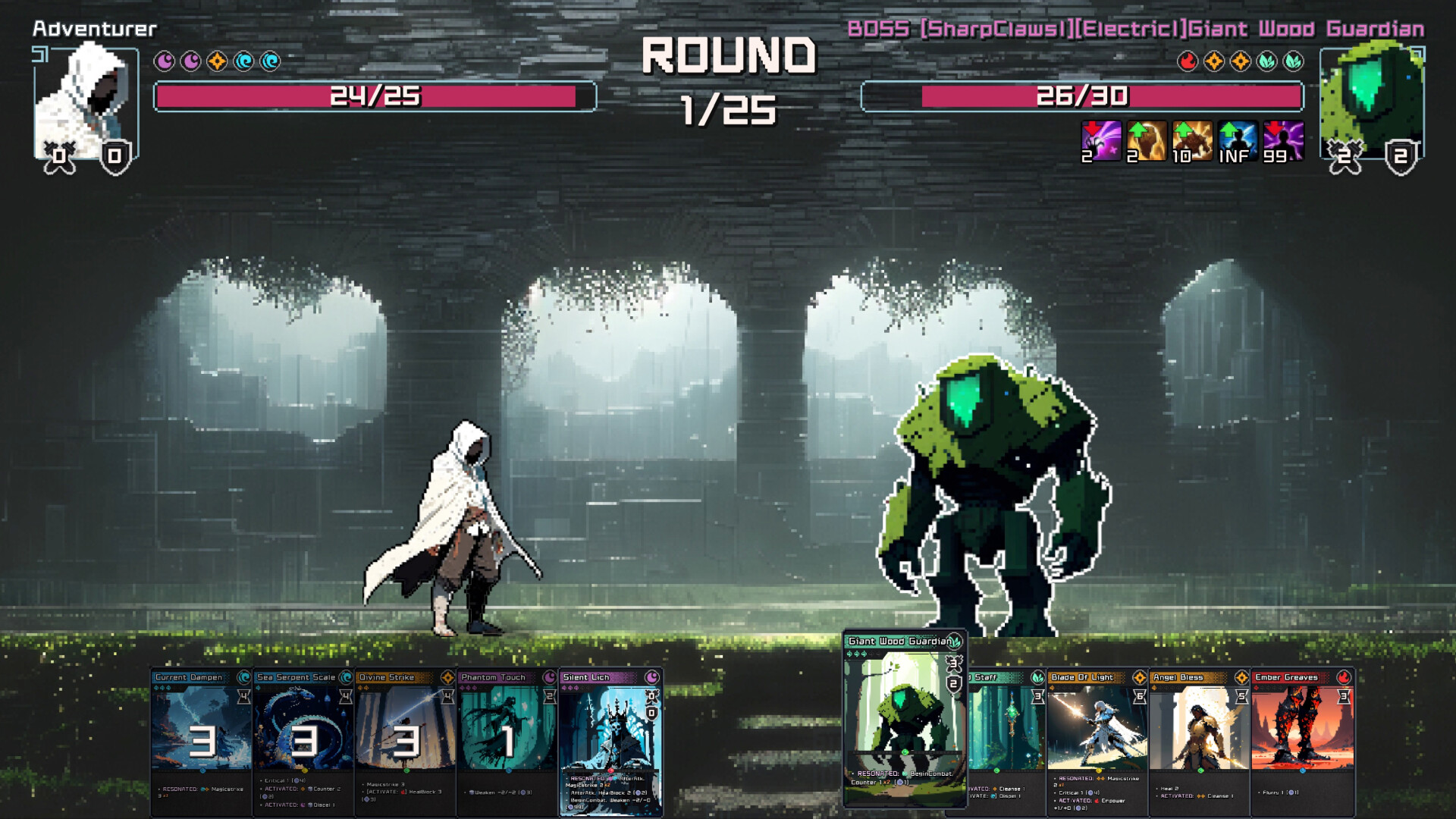
The core of play revolves around a “1+4” deck: one core card supported by four additional cards. This structure encourages concise, strategic choices each run. Elements—Water, Fire, Wood, Light, Dark—add thematic variety and affect how cards interact. Rune customization lets you attach unique abilities to cards, further diversifying builds. With more than 300 cards available, each expedition presents a fresh deck‑building puzzle.
- Experiment with different element combos to discover unexpected synergies.
- Use rune slots to offset weaknesses in your core card.
02 / THE GUIDE
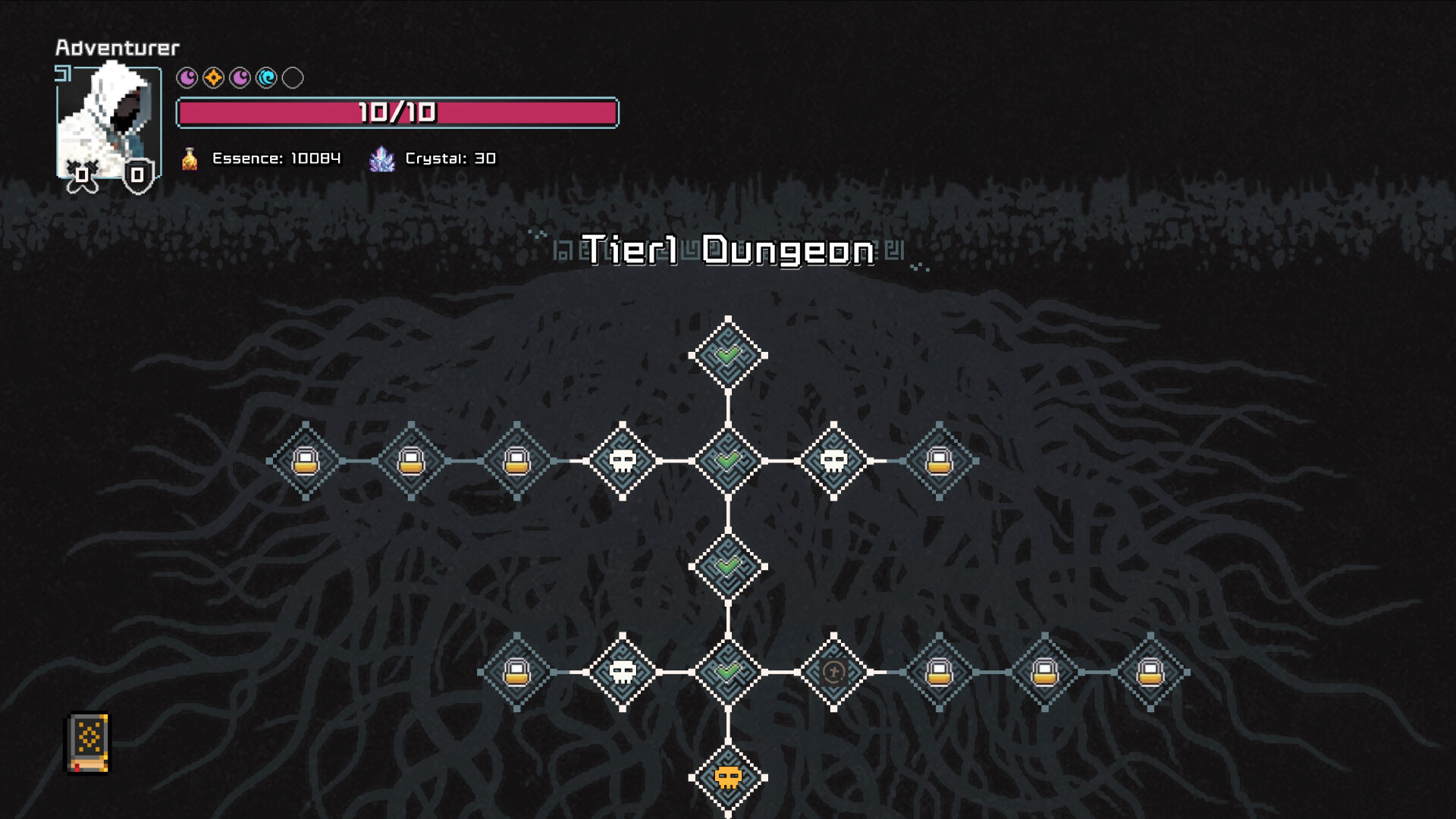
Randomized Dungeons
Every dungeon module is generated anew, ensuring no two expeditions feel the same. Encounters, treasures, and foes appear unpredictably, demanding adaptable strategies. The multiverse setting reinforces this variability, as each run can differ dramatically. Because encounters are random, players must stay flexible, adjusting their deck mid‑run to meet new challenges and seize emerging opportunities.
- Keep a few versatile support cards ready for unexpected threats.
- Observe recurring patterns in enemy types to refine future decks.
03 / THE GUIDE
In‑Run Deck Crafting
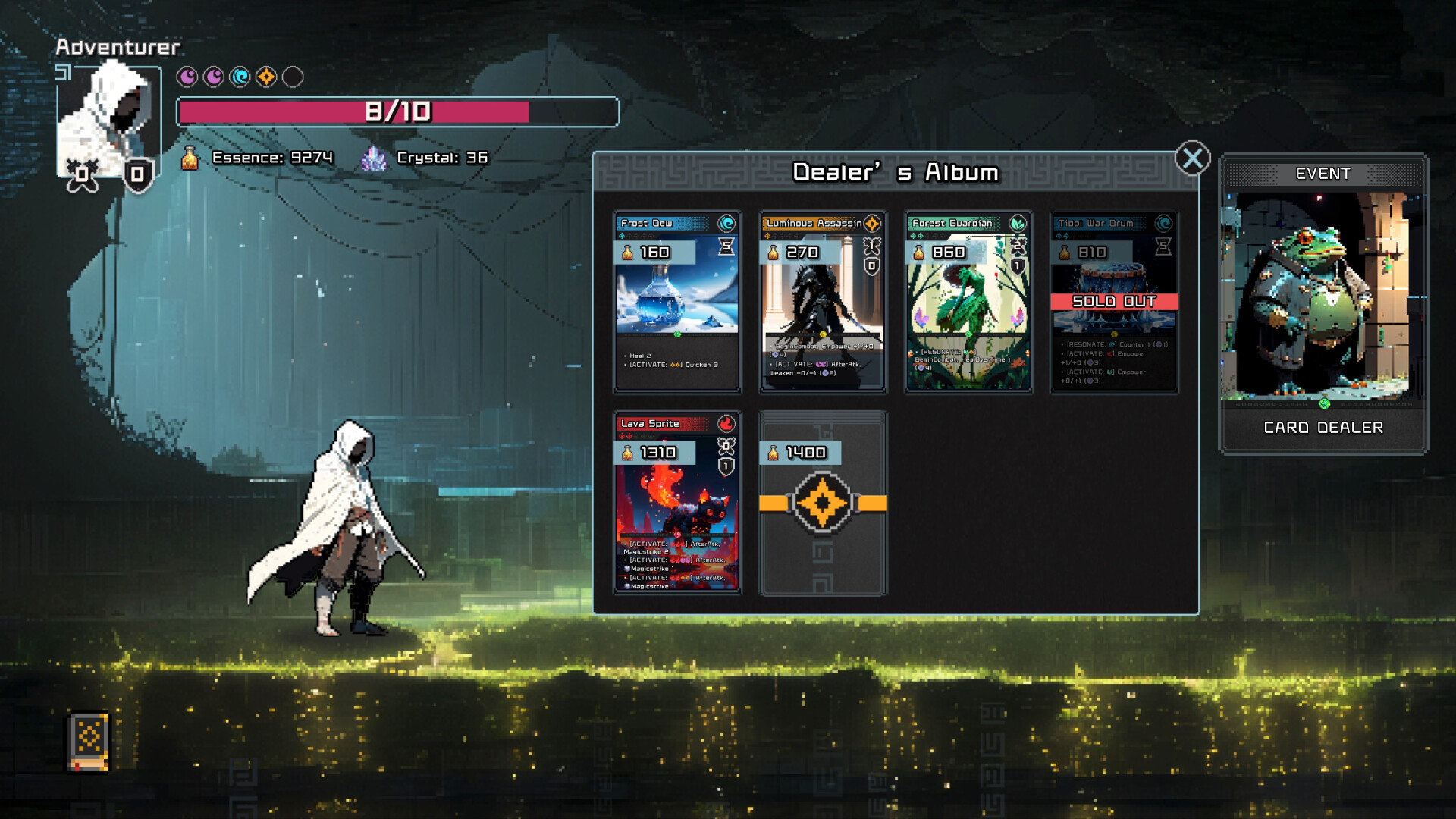
During a run, you can acquire new cards and integrate them into your deck, even if they seem undesirable at first. Unwanted cards can still contribute to power growth, encouraging continual adaptation. This dynamic evolution means each battle can shift your strategy, turning setbacks into stepping stones toward stronger decks.
- Don’t discard every new card; even unwanted cards can contribute to your power growth.
- Track which acquired cards improve later encounters.
04 / THE GUIDE
Meta Progression
Failed runs still yield salvageable loot, which feeds into broader progression systems. Over time, these resources enhance your overall power, allowing stronger decks in future expeditions. Meta progression ties together individual runs, giving a sense of long‑term growth beyond a single dungeon.
- Collect salvage after each run to boost future deck options.
- Compare loot from different runs to identify the most valuable upgrades.
05 / THE GUIDE
Platform Features
Villages & Dungeons runs on Windows and macOS, offering full controller support including DualShock and DualSense compatibility. Steam Cloud saves your progress, while Leaderboards let you compare scores with others. Family Sharing lets multiple accounts access the game on the same device. These features enhance accessibility and community interaction without affecting core gameplay mechanics.
- Steam Cloud is available if you want your progress stored across installations.
- Check Leaderboards for inspiration on effective deck builds.
COMMUNITY
Player discussion