 GameWiki
GET YOUR BEARINGS
About Urbek City Builder
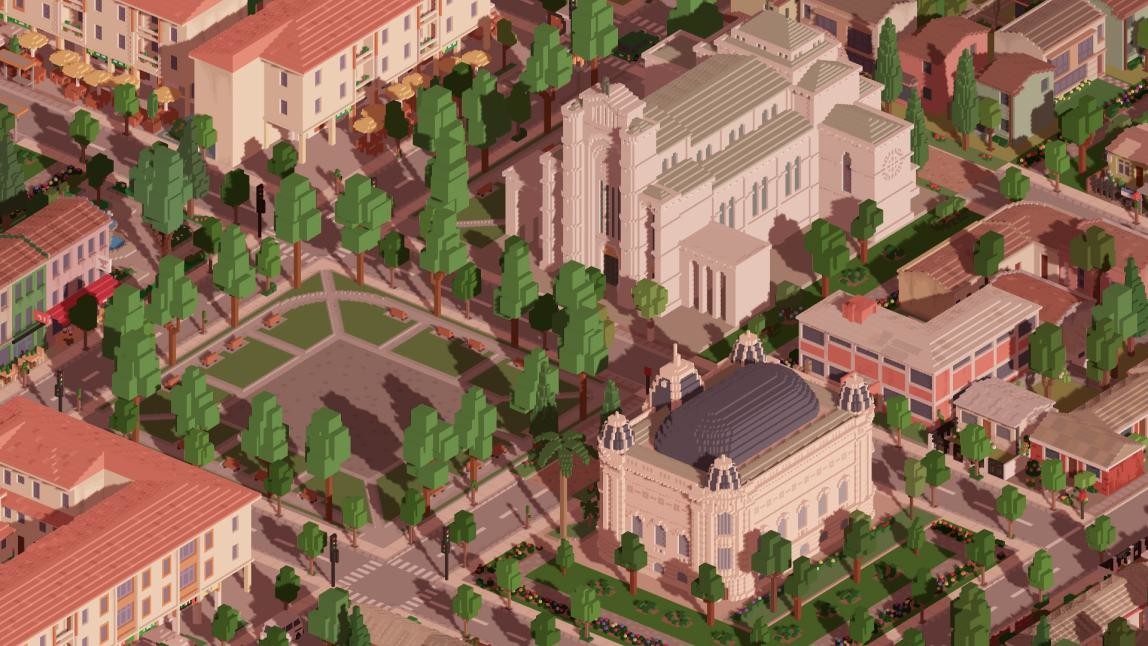
Urbek City Builder lets you design a personal city from the ground up, focusing on resource management and neighborhood character. Instead of a monetary system, you shape your environment using food, coal, skilled work and more than thirty other resources.
The game emphasizes organic growth, where buildings appear based on surrounding conditions, and education drives access to advanced structures. You can explore streets at eye level to experience the city as its residents do, balancing quality of life against industrial productivity.
01 / THE GUIDE
Neighbourhood Design
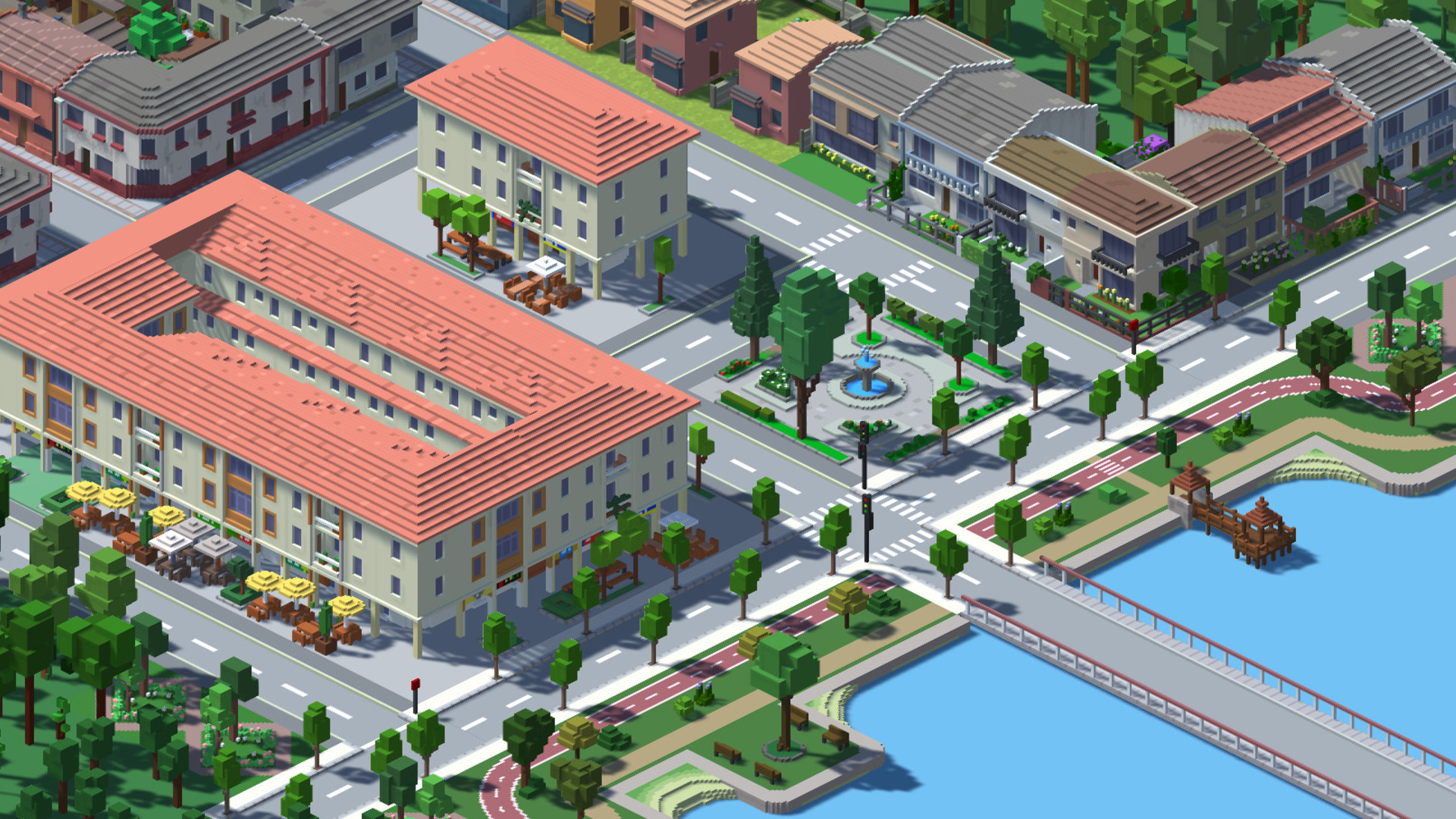
Neighbourhoods give life to your city by allowing distinct themes. A bohemian area uses bars, parks and libraries while keeping population density low nearby. A bourgeois district requires parks and luxury shops.
Each neighbourhood type influences resource consumption and resident happiness. No building is inherently superior; choices bring trade-offs such as higher food use for bourgeois houses versus higher industrial output elsewhere.
- Plan low-density zones near cultural buildings to keep bohemian areas thriving.
- Cluster luxury shops with parks to satisfy bourgeois residents.
02 / THE GUIDE
Resource Management
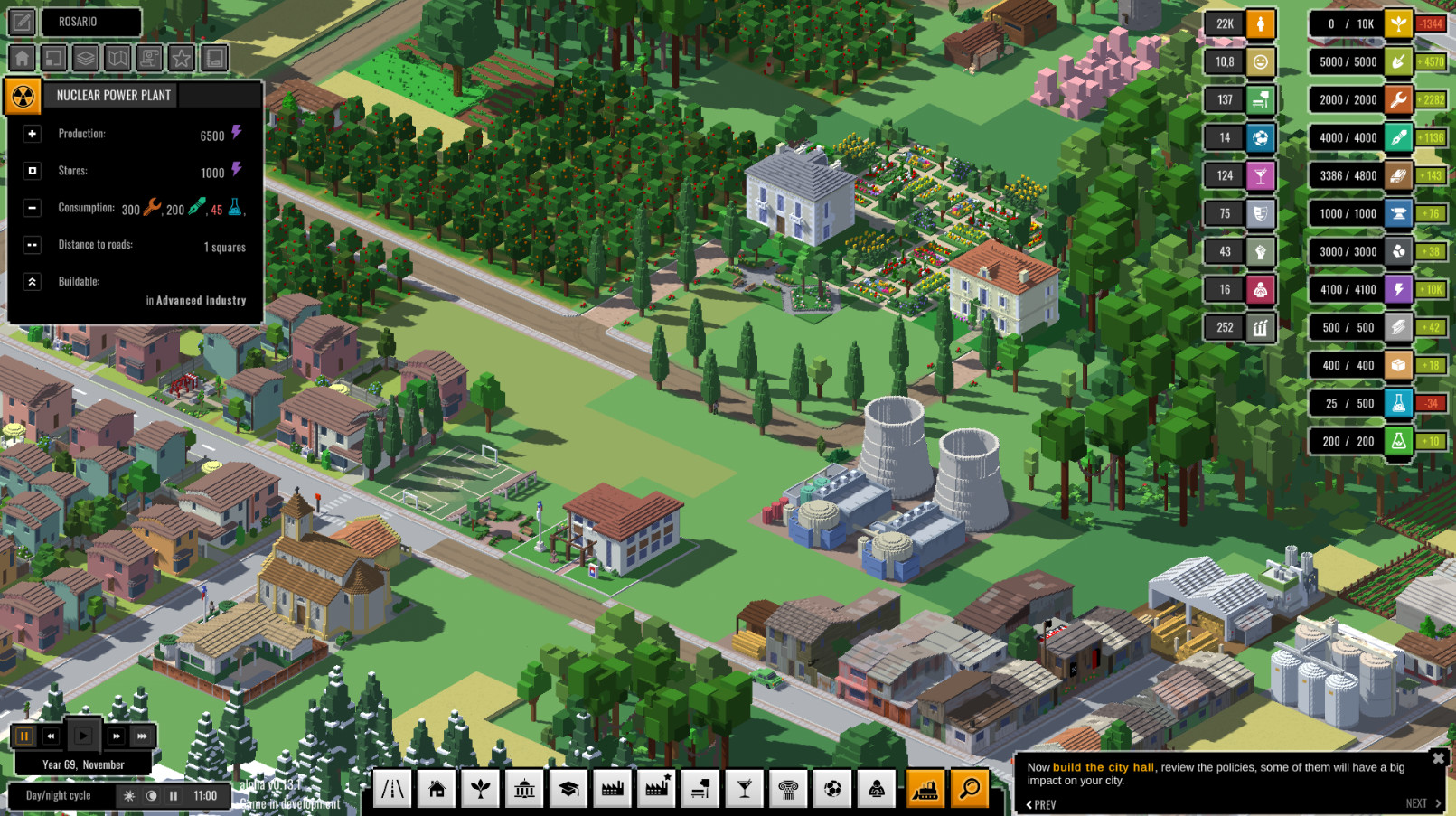
Urbek replaces money with resources like food, coal and skilled work. Over 30 resource types must be balanced so they do not run out before they can be replaced.
Energy production choices affect both industry and residents. Managing natural resources well is essential for sustained growth.
- Monitor resource stocks regularly to avoid shortages.
- Choose energy sources that match your city's current industrial load.
03 / THE GUIDE
Education System
Education is a core mechanic; producing enough qualified work and scientific work lets you build more advanced buildings. Universities should have high schools nearby, and those high schools in turn require nearby schools.
Higher education enables more complex constructions, linking learning facilities to overall city development.
- Build the education chain in order: schools first, then high schools, then universities.
- Balance school placement with residential zones to keep citizen satisfaction high.
04 / THE GUIDE
Organic Growth
City expansion occurs organically; certain buildings appear automatically when conditions are met, such as structures with more than two floors in densely populated areas with basic services.
You can also manually place structures, but they require specific surroundings—markets need nearby farms, universities need nearby high schools, and so on.
- Encourage dense residential zones to trigger multi-floor building generation.
- Ensure prerequisite buildings are nearby before placing specialized structures.
05 / THE GUIDE
Street-Level Observation
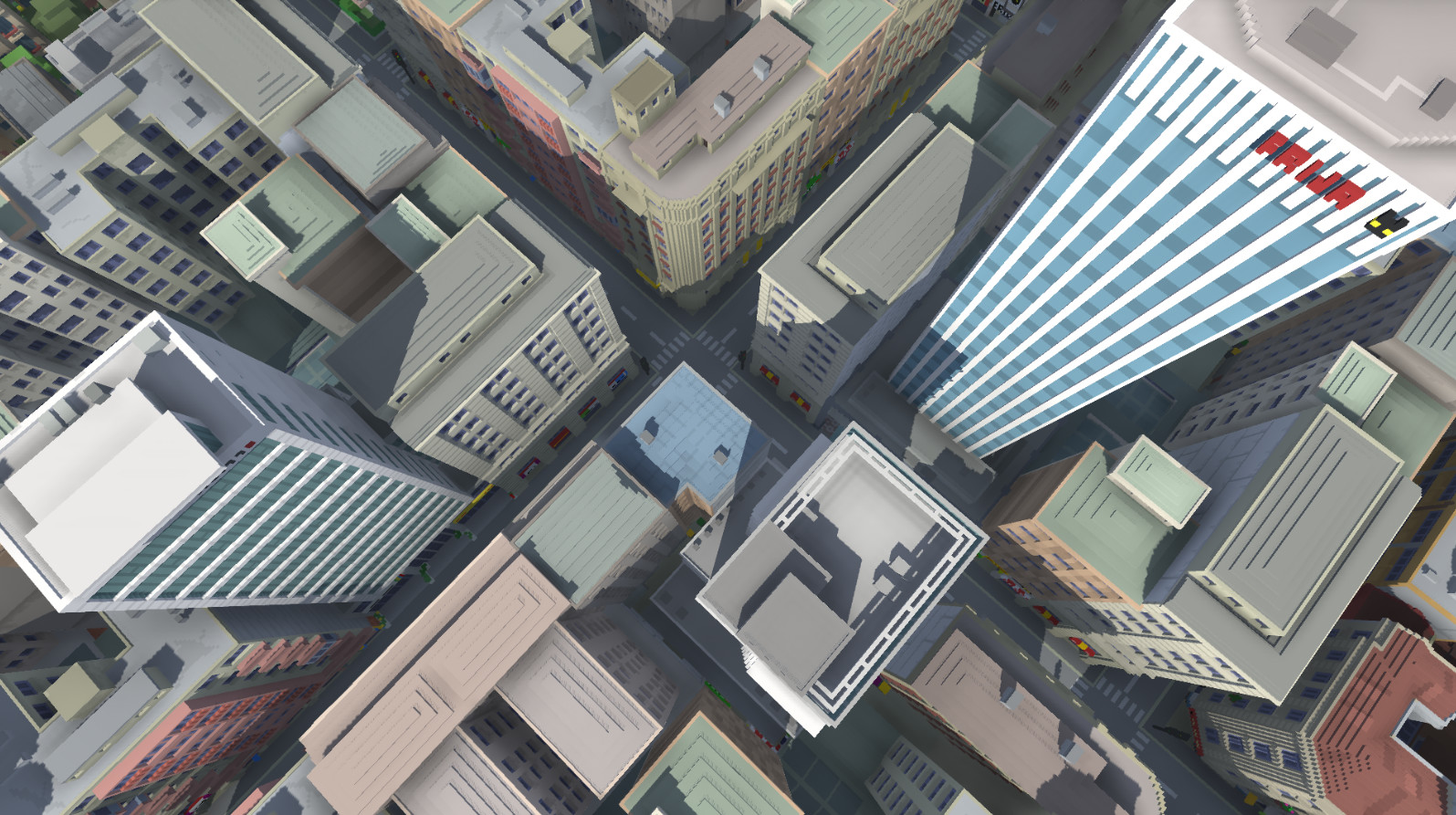
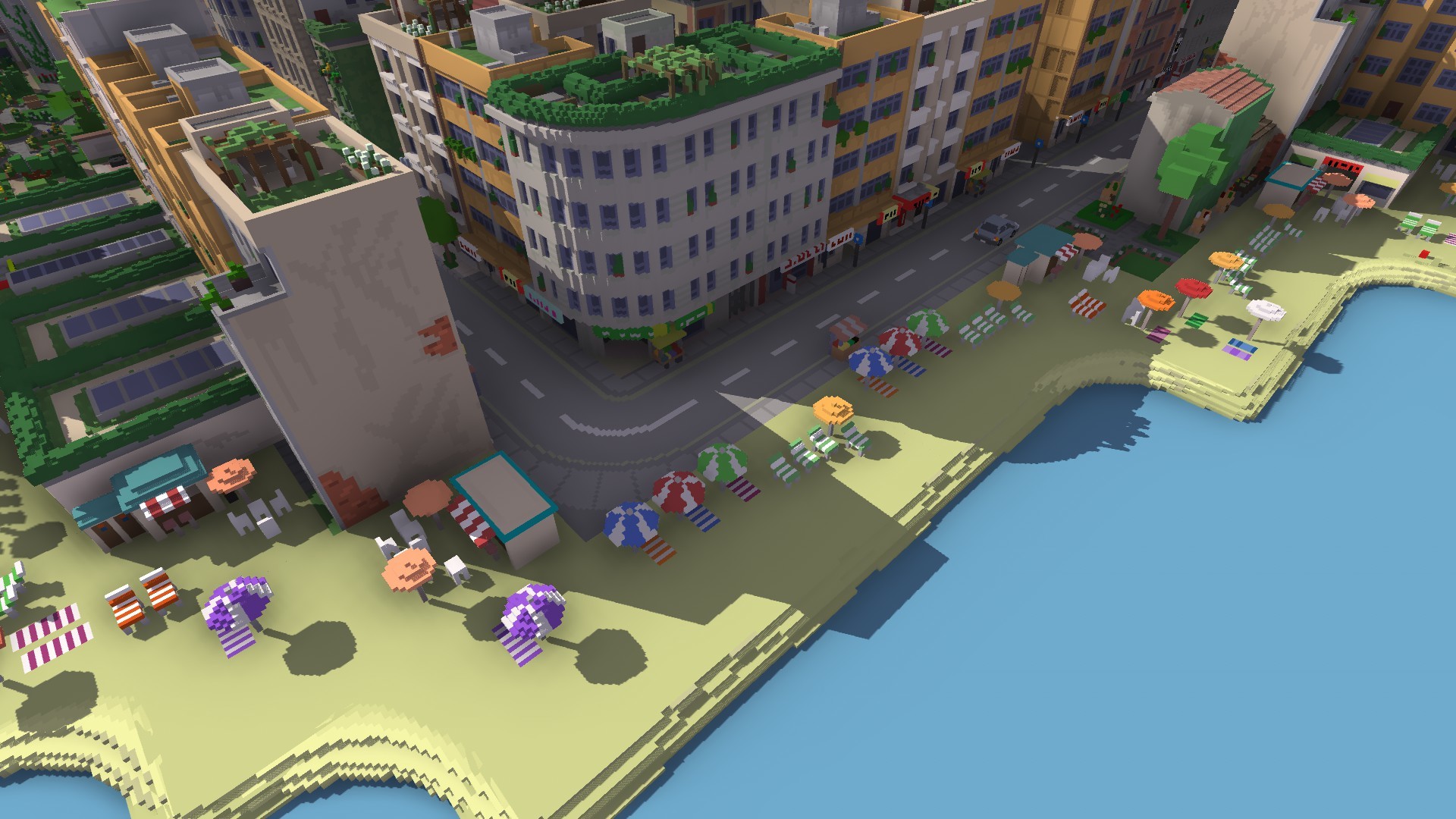
The game offers a street-level view, letting you experience the city as residents do. This perspective highlights differences between neighbourhoods.
Observing at ground level helps you get a more intimate sense of the city you are creating, informing future planning decisions.
- Walk through each neighbourhood to see how it feels from the street.
- Use street level to compare the character of different zones.
COMMUNITY
Player discussion