 GameWiki
GET YOUR BEARINGS
About Urbek City Builder: Prologue
Urbek City Builder: Prologue lets you design a city from the ground up, handling everything from natural resources to the quality of life of its residents. The game is free, single‑player and supports family sharing, letting you experiment with different neighbourhood concepts without monetary constraints.
Your city grows organically; buildings appear when conditions are met, and you can place structures manually if you meet their prerequisites. Balancing resource production, education, and resident happiness creates a dynamic simulation where each decision carries distinct trade‑offs.
01 / THE GUIDE
Neighbourhood Design
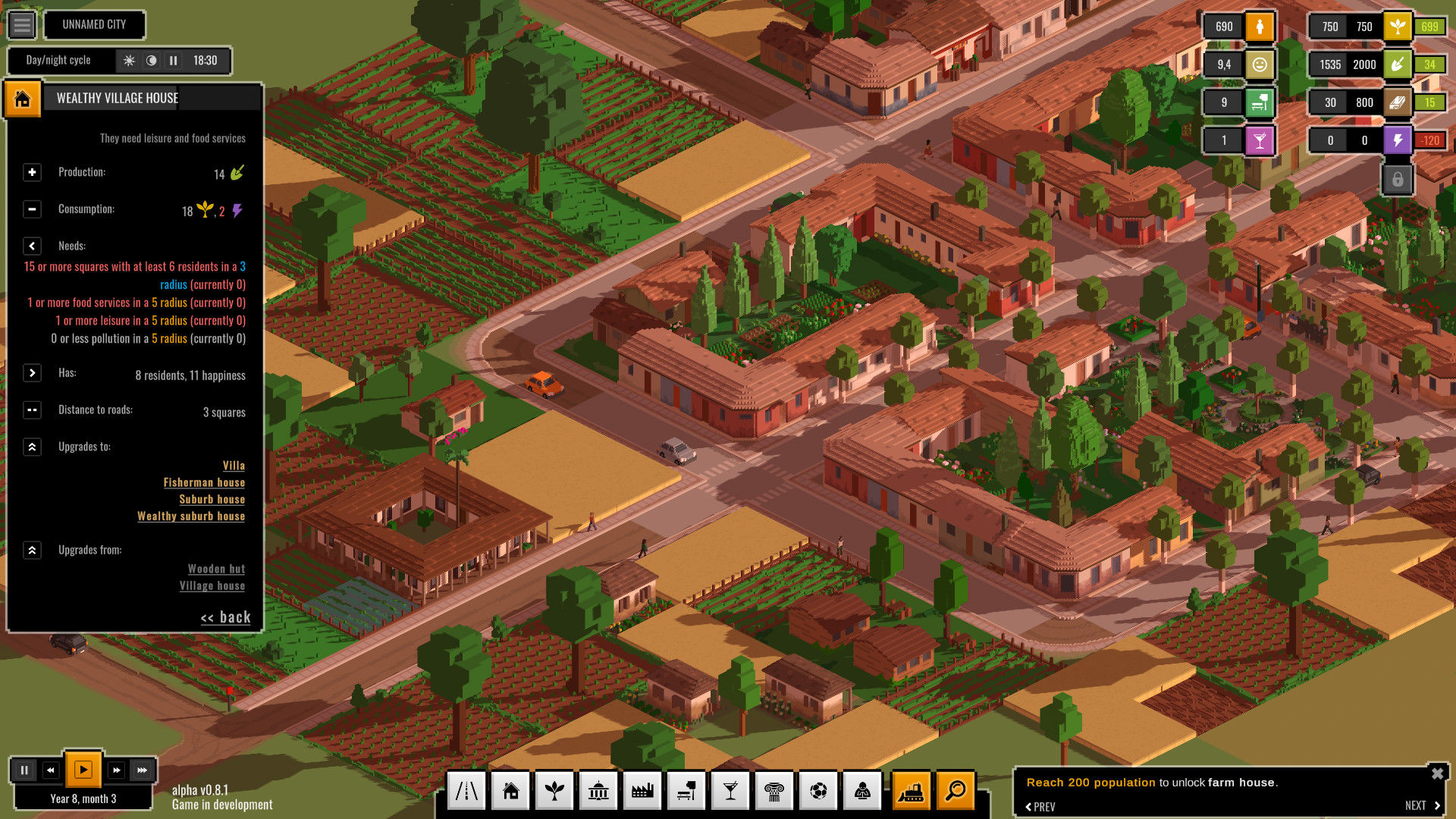
Neighbourhoods give character to your city. A bohemian area calls for bars, parks and libraries while keeping population density low, whereas a bourgeois district needs parks and luxury shops. Each style influences resident needs and resource consumption.
Choosing a neighbourhood type determines which buildings you’ll prioritize and how they affect overall quality of life. No building is inherently superior; every choice brings benefits and drawbacks that shape your city’s development.
- Compare the resource demands of bohemian versus bourgeois districts before committing large areas.
- Mix neighbourhood types to balance low‑density cultural spaces with high‑density luxury zones.
02 / THE GUIDE
Resource Management
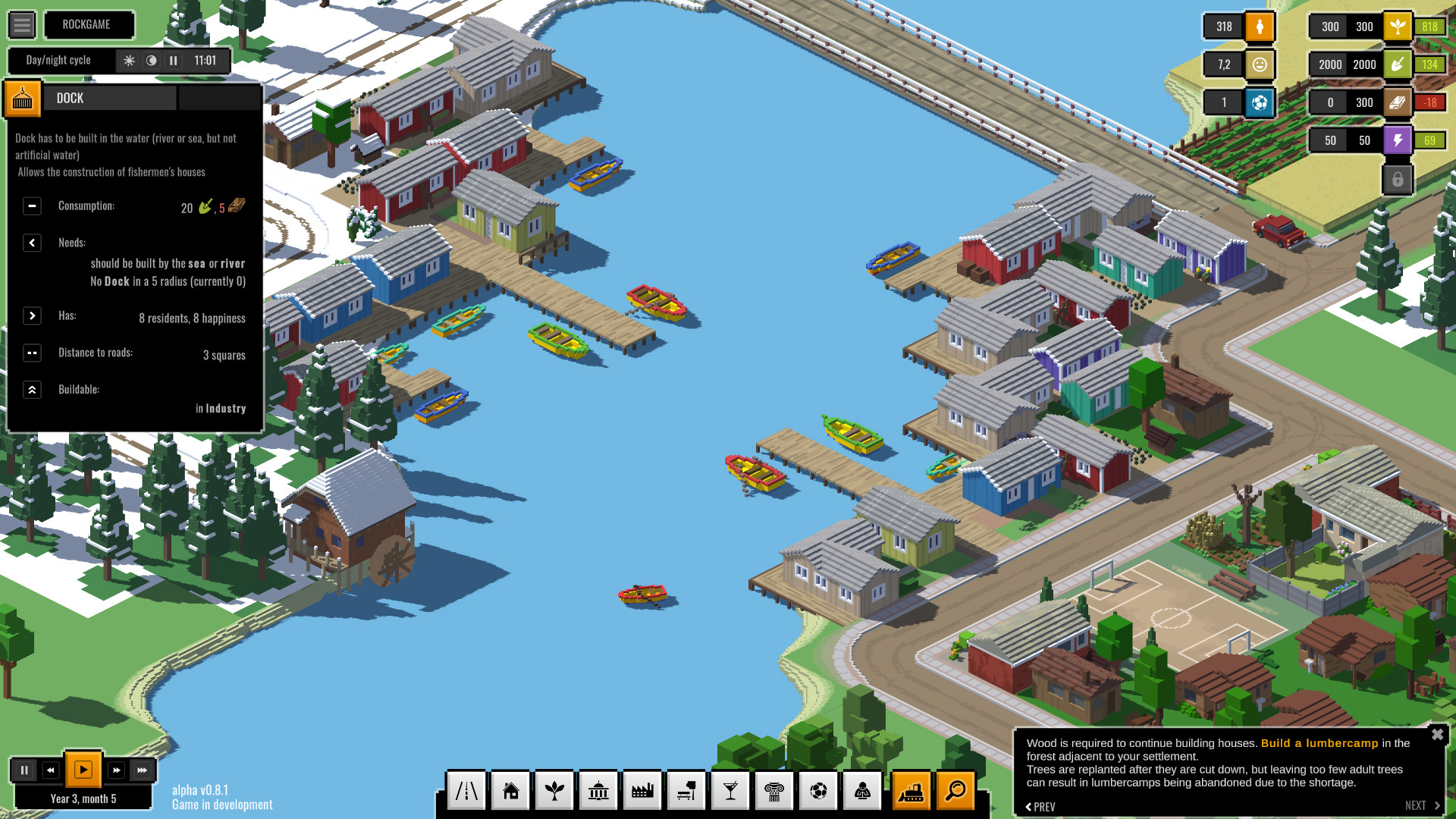
Urbek replaces money with resources such as food, coal, and skilled work. Over 30 resource types must be harvested, processed, and allocated to keep the city functional. Managing these supplies prevents depletion before they can be replenished.
The game asks how you will choose to produce the energy for your inhabitants and industries. Balancing resource extraction with sustainable practices is essential for long‑term growth.
- Track resource flow regularly to avoid unexpected shortages.
- Consider your energy production options carefully as part of your overall resource planning.
03 / THE GUIDE
Education System
Education fuels advancement. Producing qualified and scientific work unlocks more advanced buildings. Schools, high schools, and universities must be placed near each other to function effectively.
A strong educational network raises the skill level of your workforce, enabling complex constructions and higher‑tech industries, as described by the game’s education system.
- Cluster educational buildings to meet placement requirements efficiently.
- Invest early in schools to accelerate access to advanced structures later.
04 / THE GUIDE
Organic Growth
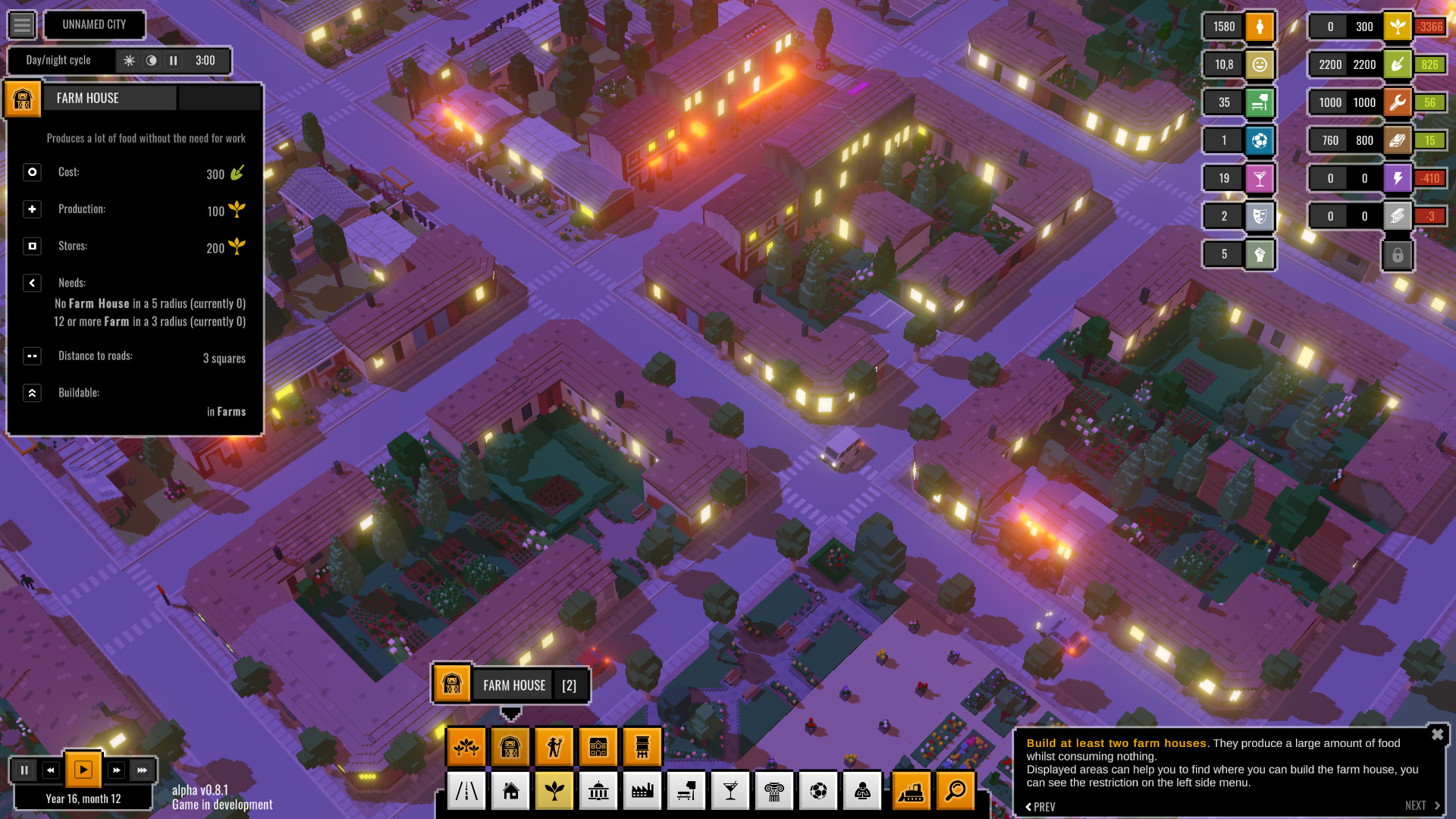
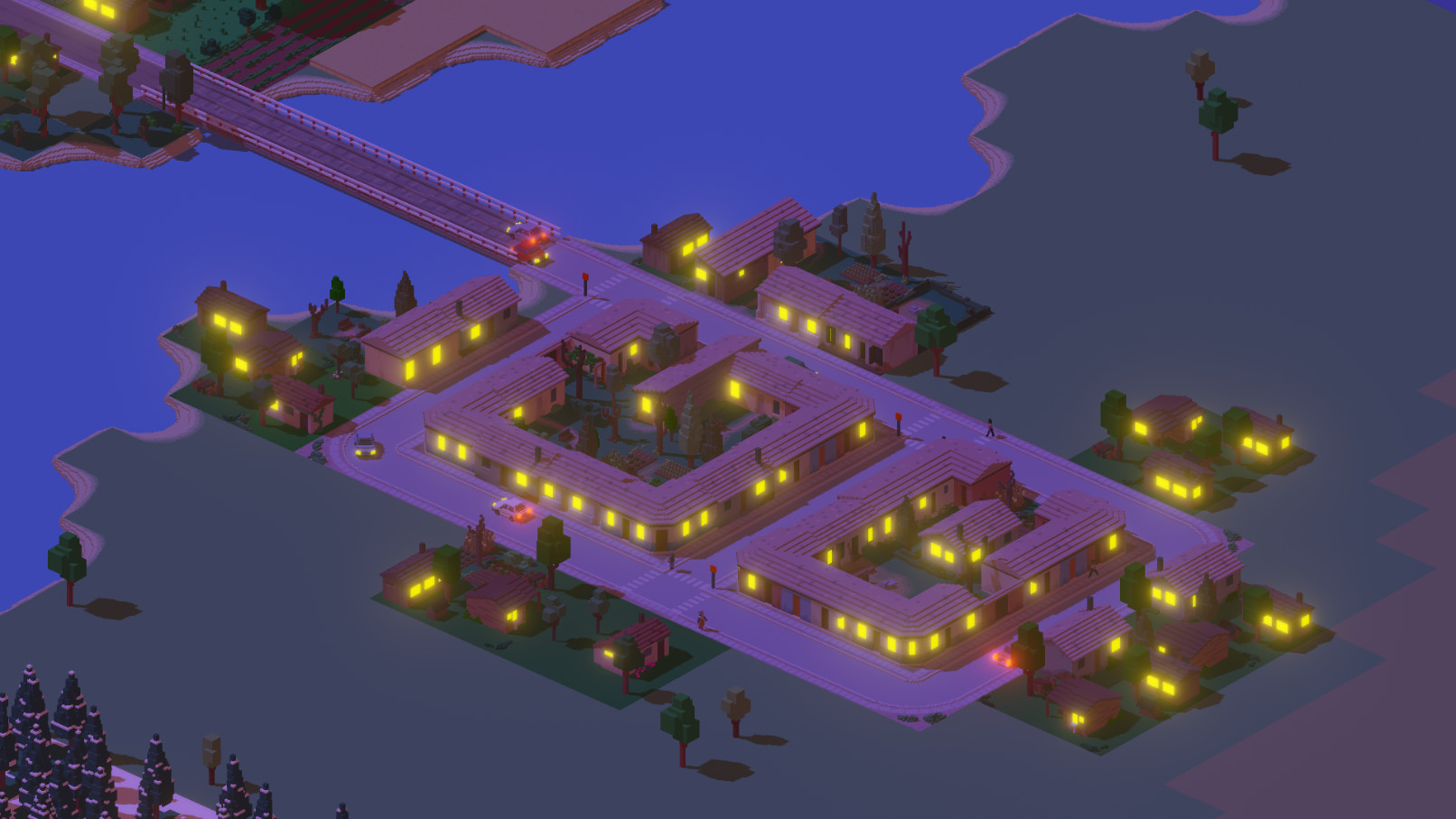
City expansion occurs organically; certain buildings appear automatically when surrounding conditions are met, such as multi‑floor structures in dense areas with basic services. Manual placement is possible but also requires specific prerequisites.
Understanding these conditions lets you guide growth without micromanaging every plot, while still retaining control over key developments like markets near farms or universities near high schools.
- Observe which conditions trigger automatic building generation to plan district layouts.
- Place prerequisite structures first to unlock desired manual constructions.
05 / THE GUIDE
Street‑Level Observation
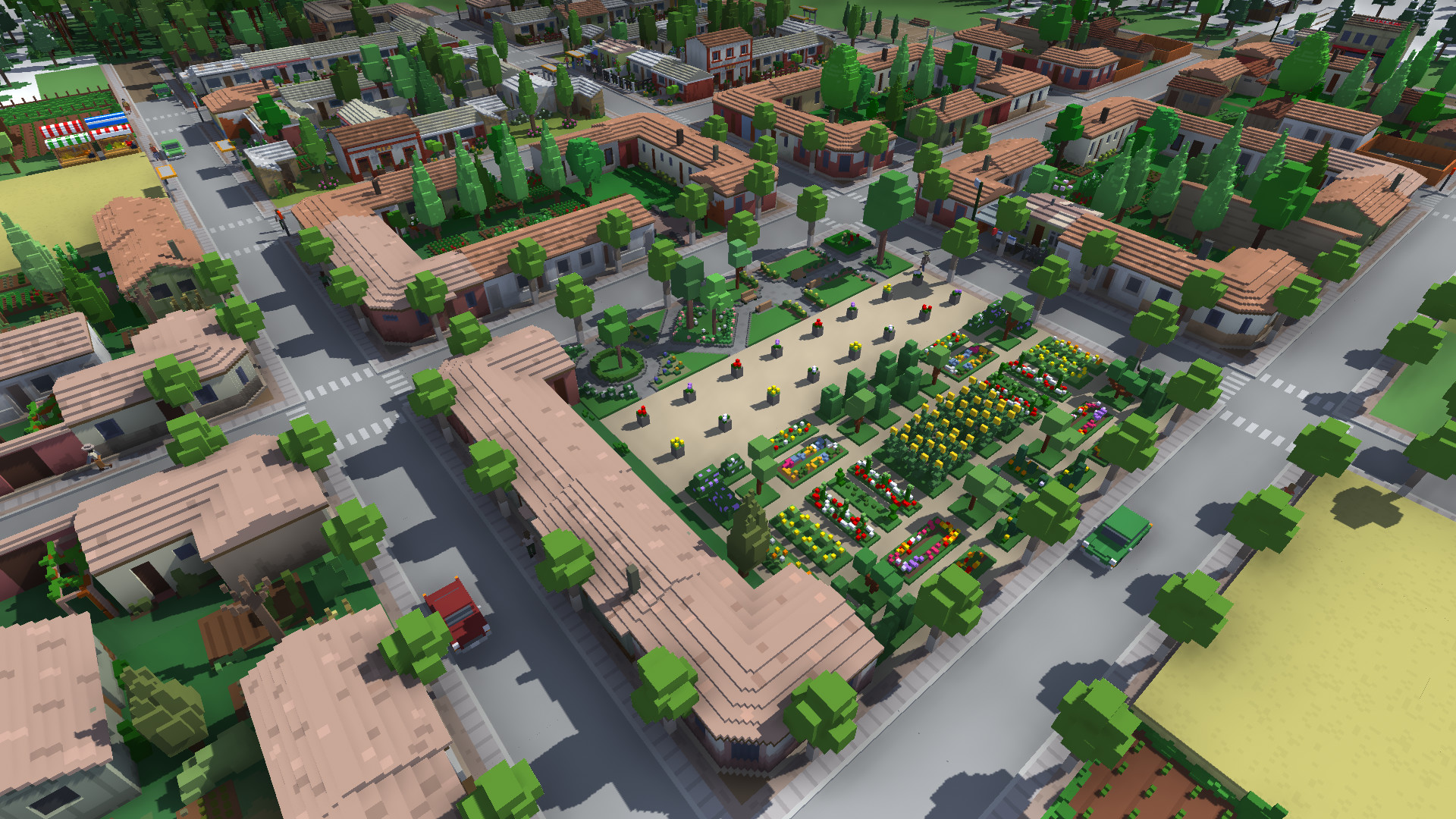
You can move around at street level to experience the city from a resident’s perspective. This view highlights differences between neighbourhoods and helps assess the impact of your design choices.
Seeing the city up close aids in spotting resource bottlenecks, quality‑of‑life issues, and the visual harmony of your layout.
- Walk through each neighbourhood to verify that required services are within reach.
- Use street‑level view to spot visual inconsistencies before they affect resident satisfaction.
COMMUNITY
Player discussion