 GameWiki

GET YOUR BEARINGS
About Twilight Moonflower
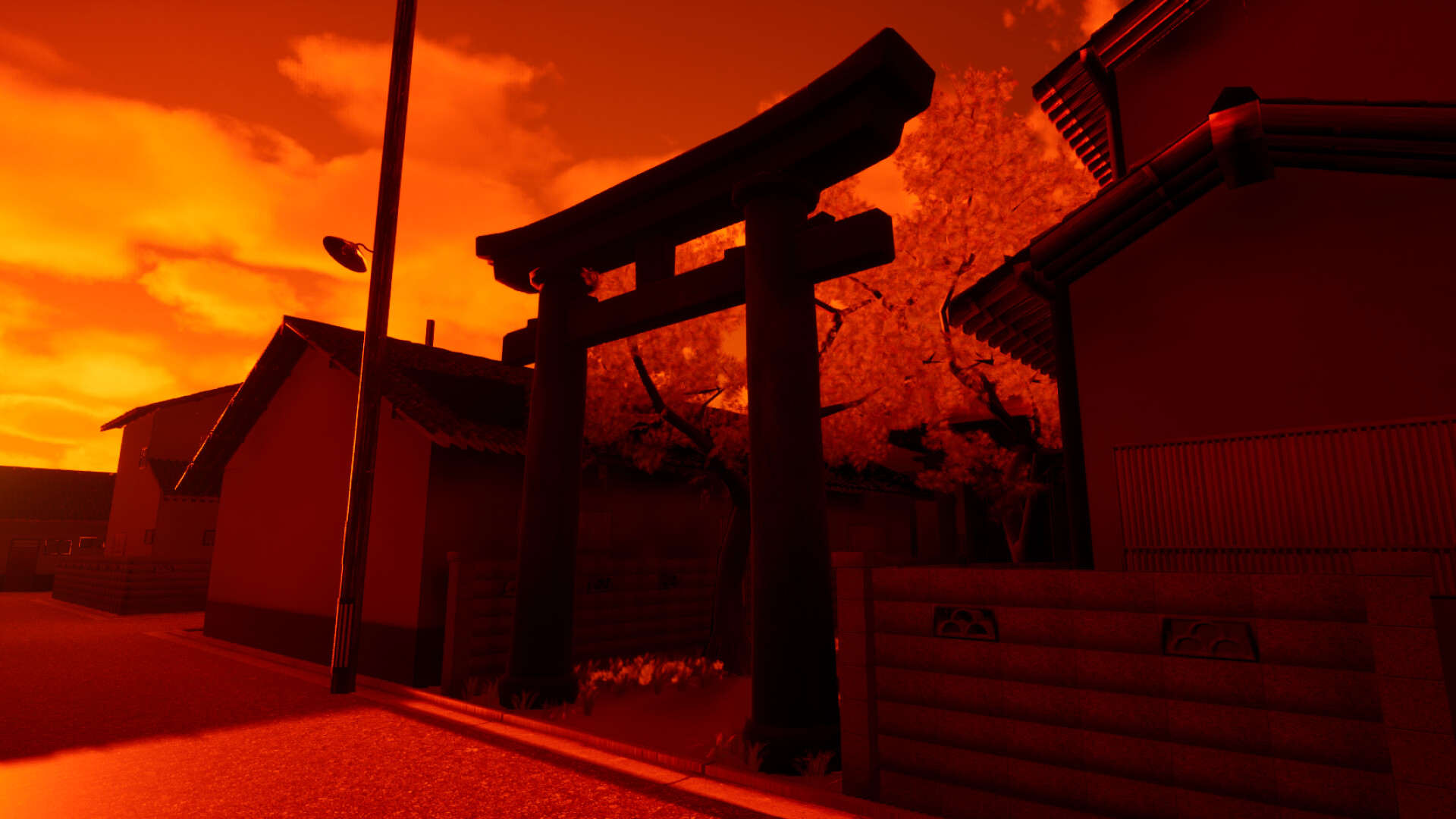
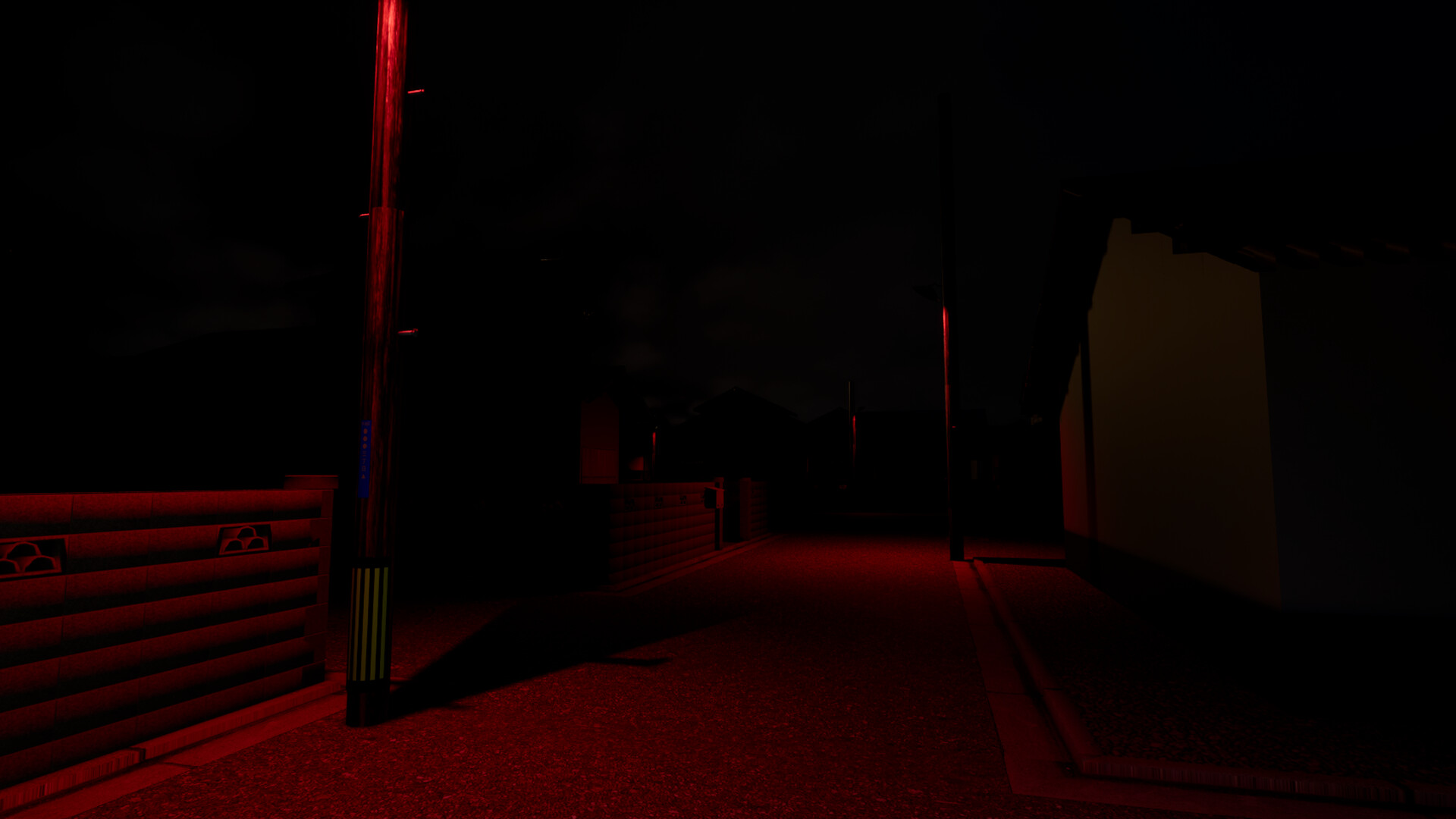
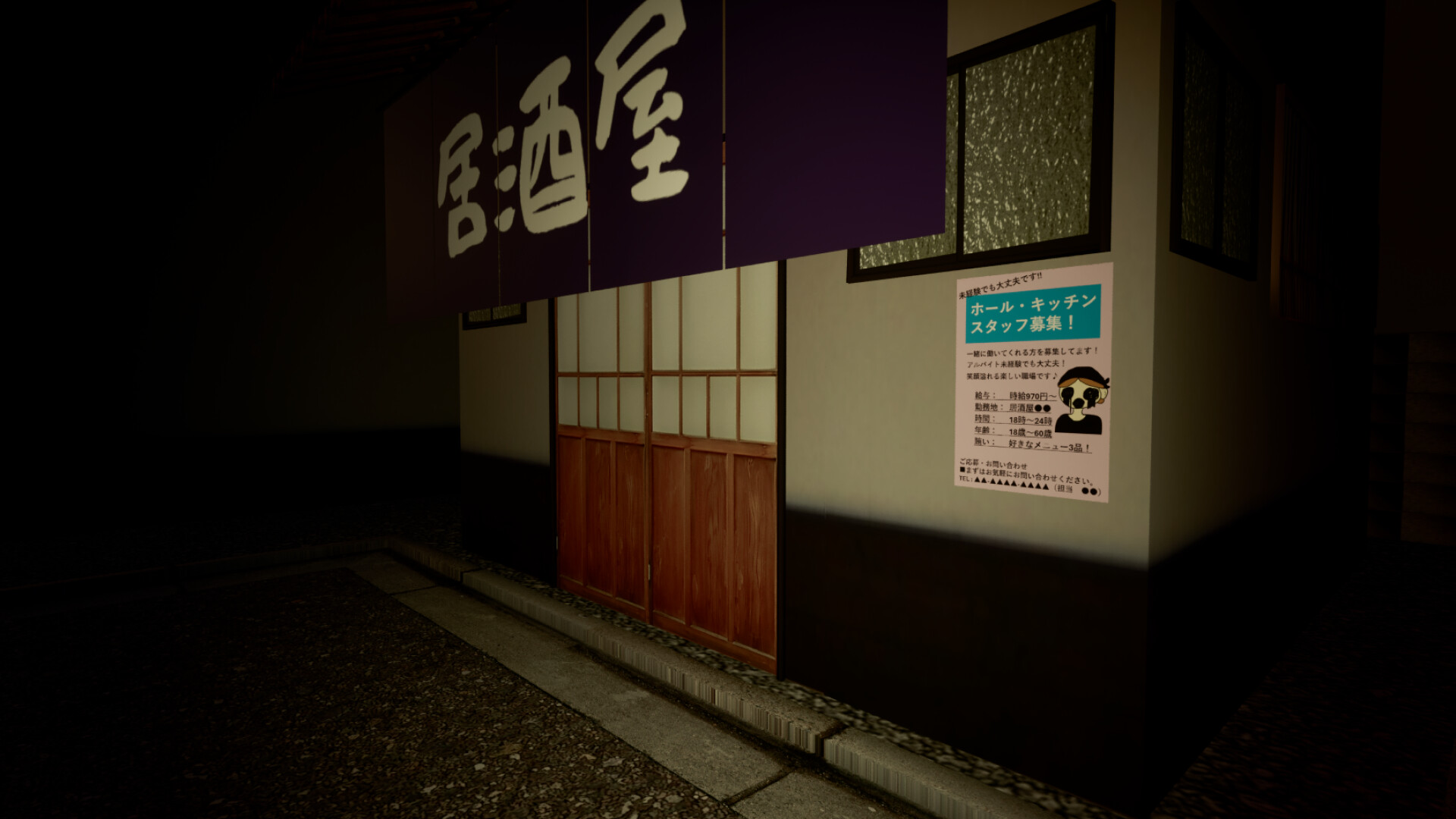
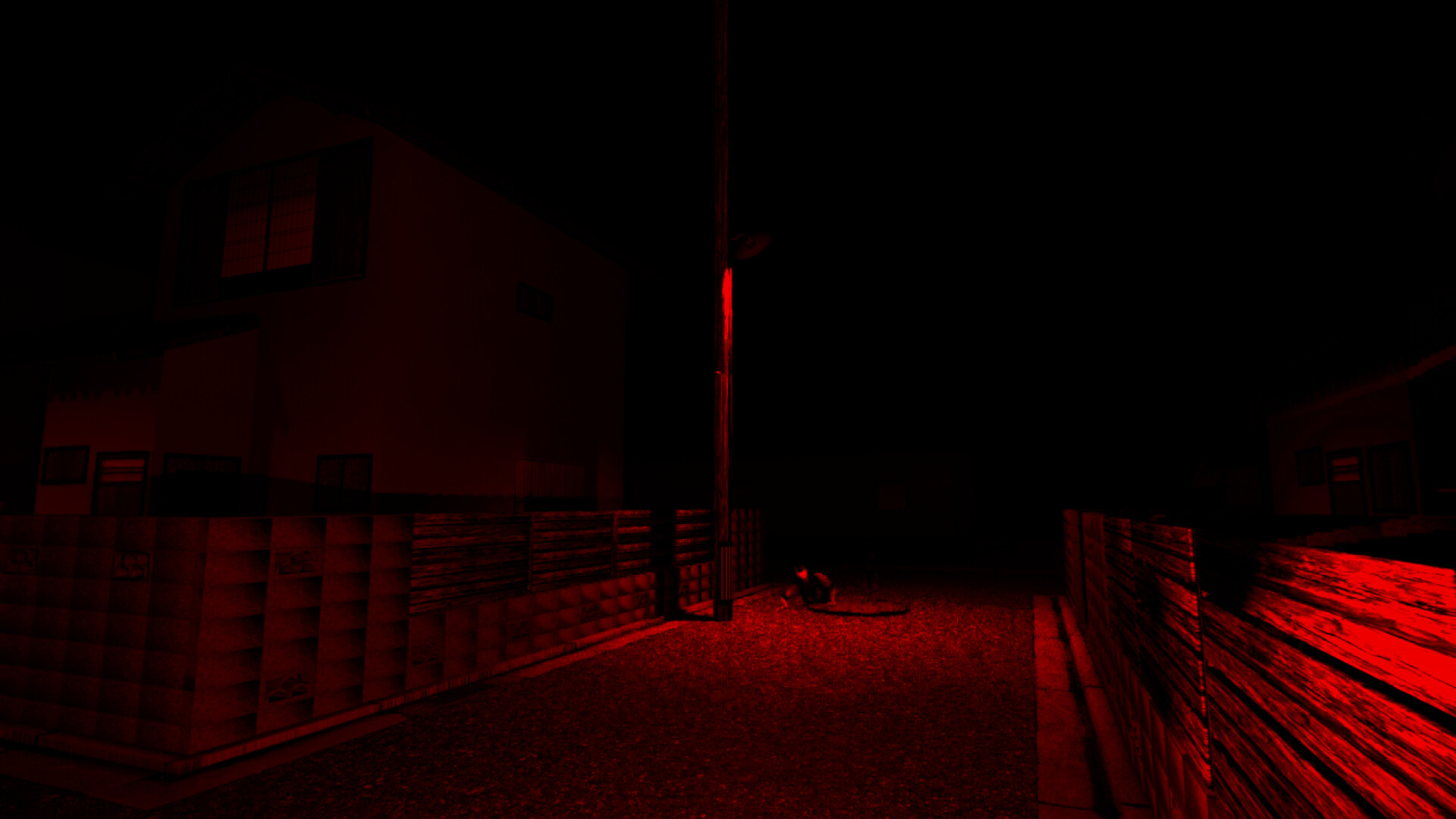
Twilight Moonflower is a first‑person Japanese‑style horror adventure set in a dimly lit residential area that has become an otherworldly realm. Players navigate with only a flashlight, watching for strange changes in objects while avoiding roaming yokai.
The game can be played solo or in online co‑op with up to four players. Each run reshuffles map layouts, item placements, and supernatural events, and offers three possible endings plus an optional Time Attack mode.
01 / THE GUIDE
Story and Setting
The narrative follows Souta, an independent game developer who returns to his rural hometown after college. While exploring a familiar alley, memories of a frail girl from his childhood surface, pulling him deeper into the strange environment.
That alley becomes the gateway to an otherworldly residential zone populated by yokai and unsettling phenomena. The setting blends everyday familiarity with supernatural distortion, creating a tension that drives the player forward.
- Notice how Souta’s memories are referenced in environmental details; they may hint at hidden narrative cues.
- Compare the alley’s atmosphere to classic Japanese horror settings to gauge mood and pacing.
02 / THE GUIDE
Online Co‑op Play
Up to four players can join an online session, sharing the same randomized map and phenomena. The co‑op mode lets friends explore together, coordinating their movements and observations in real time.
While cooperating, each player must still watch for personal anomalies, though the official description notes players may at times sabotage each other rather than cooperate.
- Use the built‑in chat‑to‑text feature to exchange quick notes about observed changes.
- Observe teammates’ flashlight directions to avoid missing subtle object alterations.
03 / THE GUIDE
Randomized Maps & Phenomena
Map layouts, item placements, and supernatural events are regenerated each playthrough, ensuring that no two runs feel identical. This randomness prevents reliance on memorized routes.
Because the environment changes, players must treat each session as a fresh puzzle, focusing on current visual cues rather than past knowledge.
- Approach each run as a new investigation; note any recurring visual motifs that may aid navigation.
- Avoid assuming previous item locations are the same; scan the area anew each time.
04 / THE GUIDE
Observation‑Based Gameplay
Strange changes occur in objects throughout the otherworld, and spotting these phenomena is essential for progress. Spotting these phenomena is essential to finding your way out of the otherworld.
The game tests composure, as attacks can happen at any moment. Maintaining steady visual focus under tension is a core skill.
- Prioritize scanning for subtle visual shifts before moving to a new area.
- Keep the flashlight steady to reduce visual noise and improve anomaly detection.
05 / THE GUIDE
Yokai Enemies
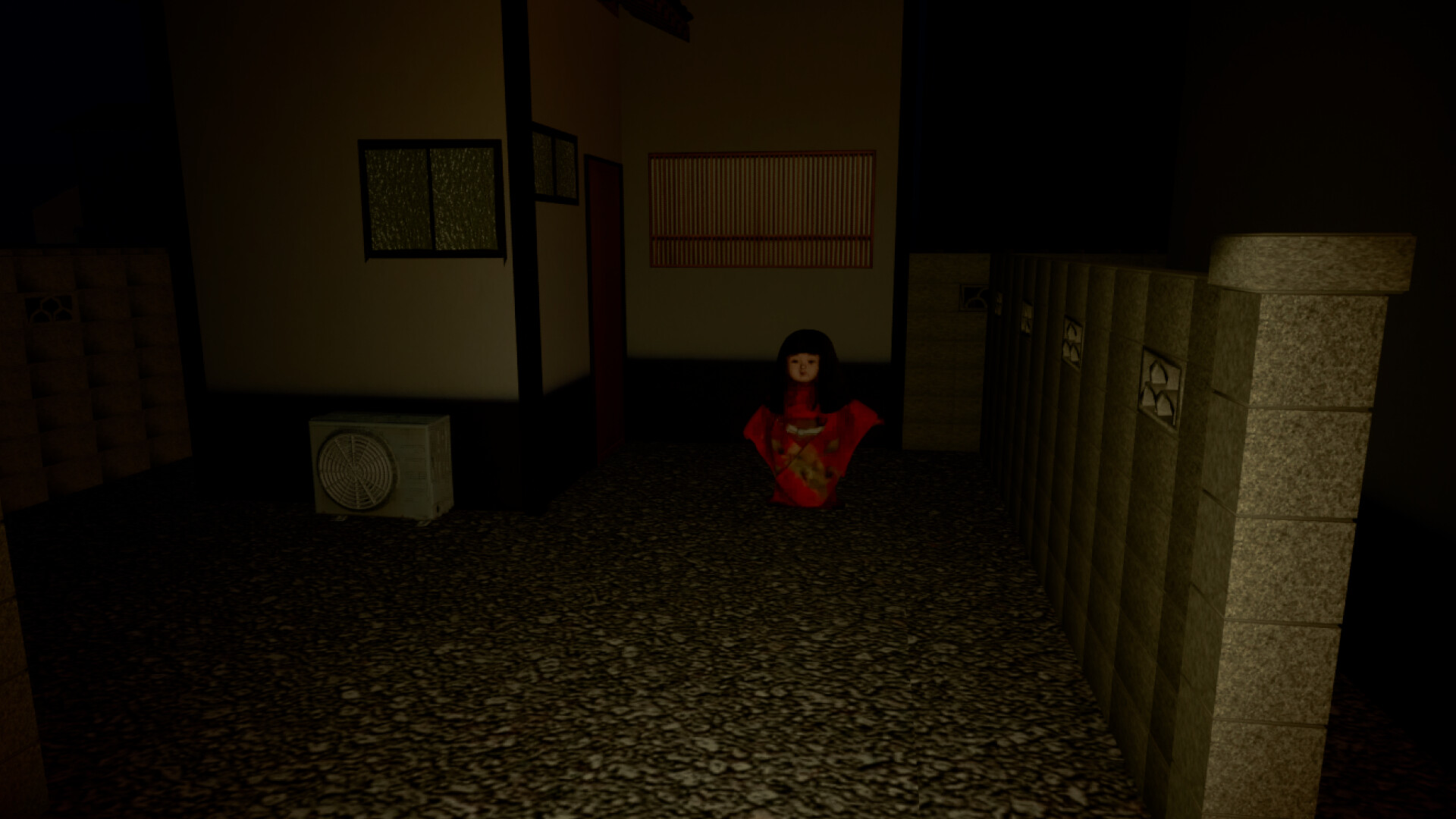
Various yokai roam the transformed residential area, capable of discovering the player if they are not careful. Their presence adds a constant threat while exploring.
Since combat is not described, avoidance and awareness serve as the primary defenses. Observing movement patterns can help predict their paths.
- Watch for sudden changes in lighting or object placement that may signal a yokai nearby.
- Move deliberately and keep an eye on peripheral vision to spot approaching spirits.
COMMUNITY
Player discussion