 GameWiki

GET YOUR BEARINGS
About TUNIC
TUNIC is an isometric action‑adventure where you control a small fox exploring a ruined land filled with legends, ancient powers, and ferocious monsters. The game blends combat, exploration, and puzzle‑solving as you gather items, confront colossal beasts, and piece together a fragmented instruction manual.
Beyond combat, the experience emphasizes curiosity: you reconstruct the manual page by page, uncover hidden maps, techniques, and secret lore, while a soundtrack by Lifeformed and sound design by Power Up Audio accompany your journey through forests, ruins, and catacombs.
01 / THE GUIDE
Reconstructing the Instruction Manual
During your travels you will locate scattered pages of the game's Instruction Manual. Each page adds maps, tips, and illustrations that expand your understanding of the world and its mechanics. Collecting every page is presented as a core objective, with the promise that completing the manual may trigger a special outcome.
The manual pages are hidden throughout the interconnected environments, often requiring careful exploration or solving a puzzle to access. As you gather them, the manual fills with full‑color artwork and detailed information that can guide future encounters and reveal hidden secrets.
- Check every nook for hidden passages; manual pages are frequently tucked away.
- Use the information on newly found pages to revisit earlier areas with fresh insight.
02 / THE GUIDE
Combat Mechanics
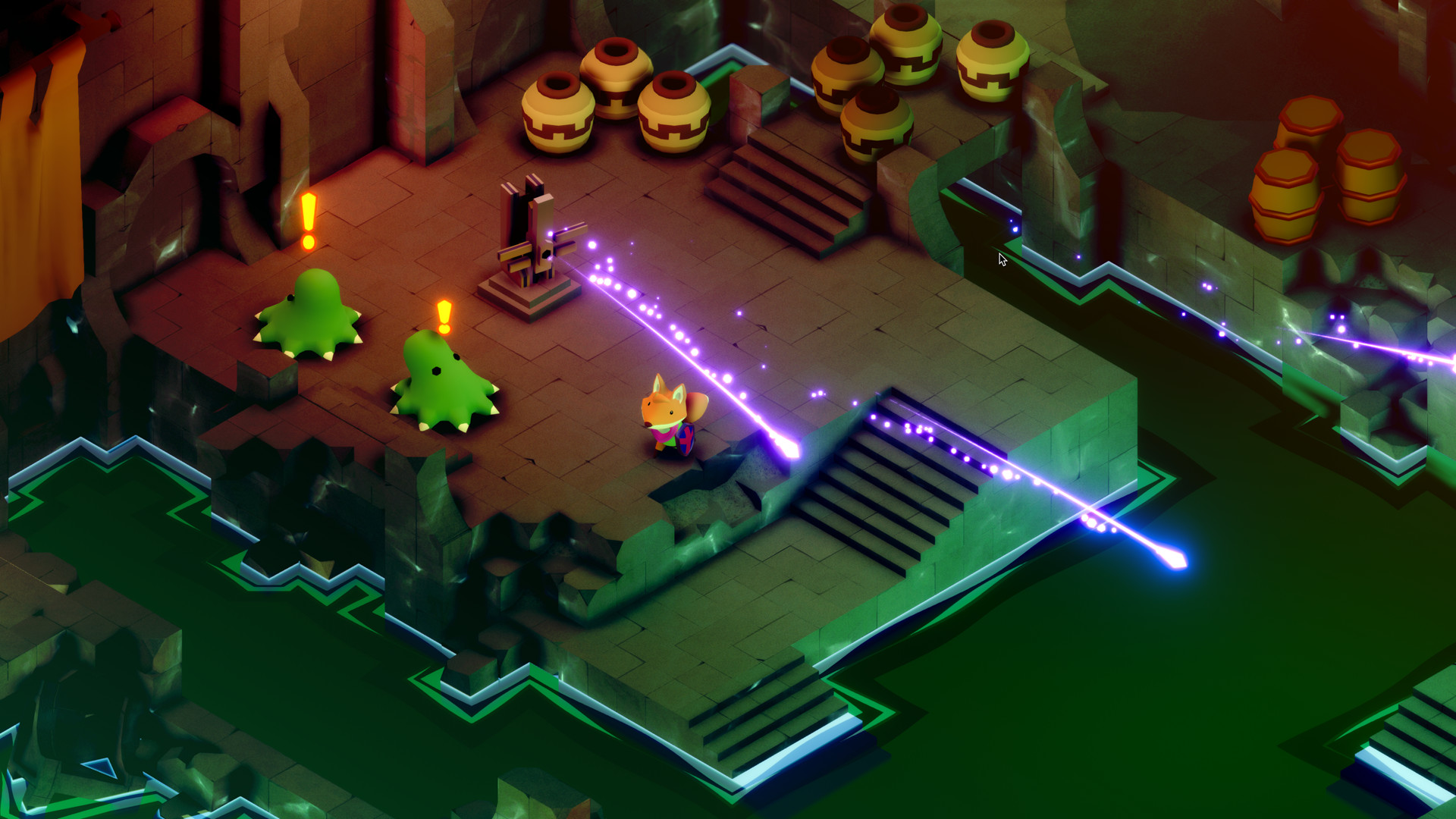
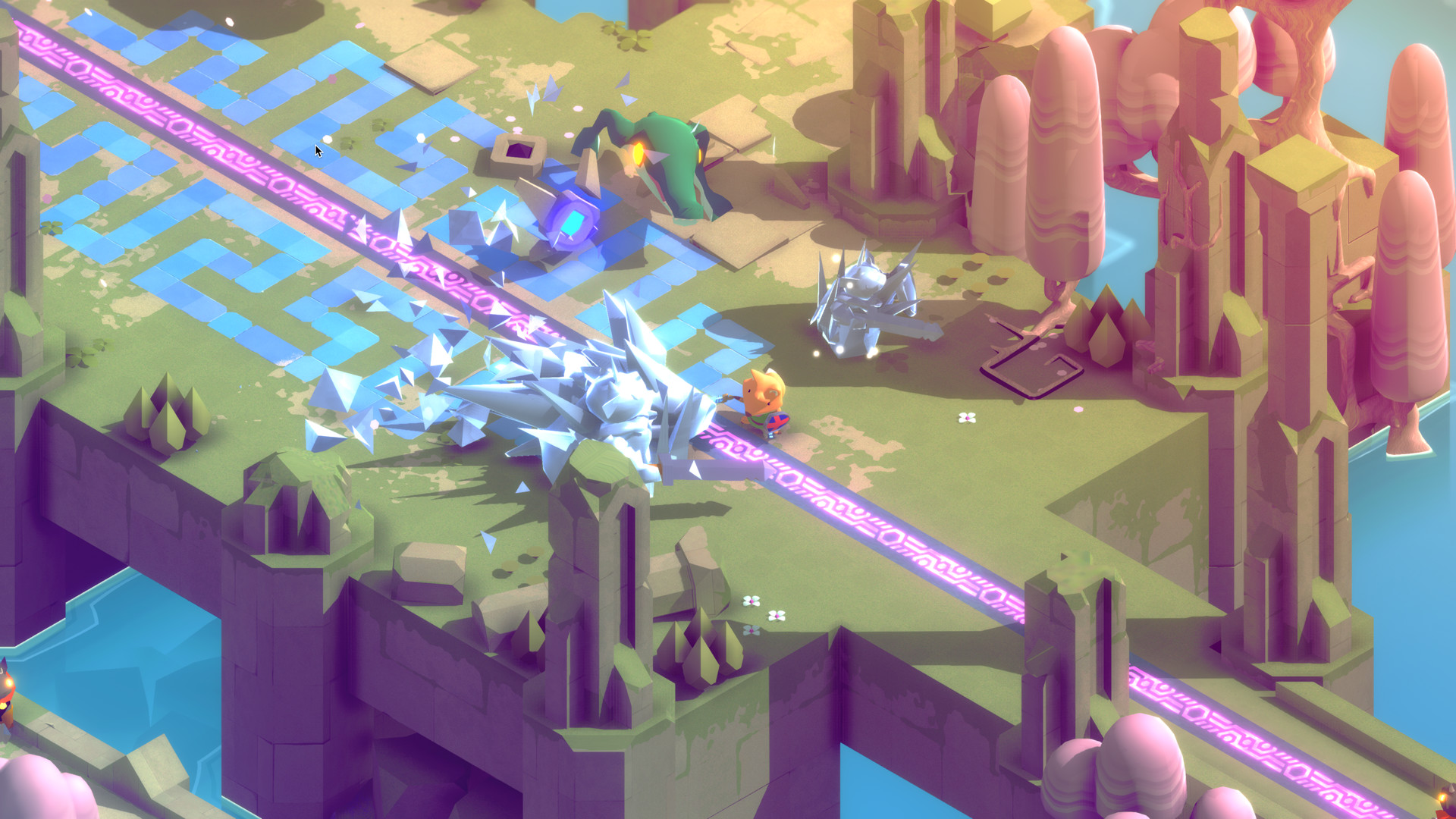
Combat in TUNIC is described as varied and technical, requiring you to dodge, block, parry, and strike. You face a wide cast of monsters, both large and small, and must learn each creature’s patterns to succeed. New items discovered can also influence combat effectiveness.
Boss encounters occur in diverse locations such as deep beneath the earth and high above the clouds. These fights test the skills you have honed, demanding precise timing and strategic use of the fox’s abilities.
- Practice timing for parries to open windows for counter‑attacks.
- Observe boss patterns before committing to aggressive moves.
03 / THE GUIDE
World Exploration
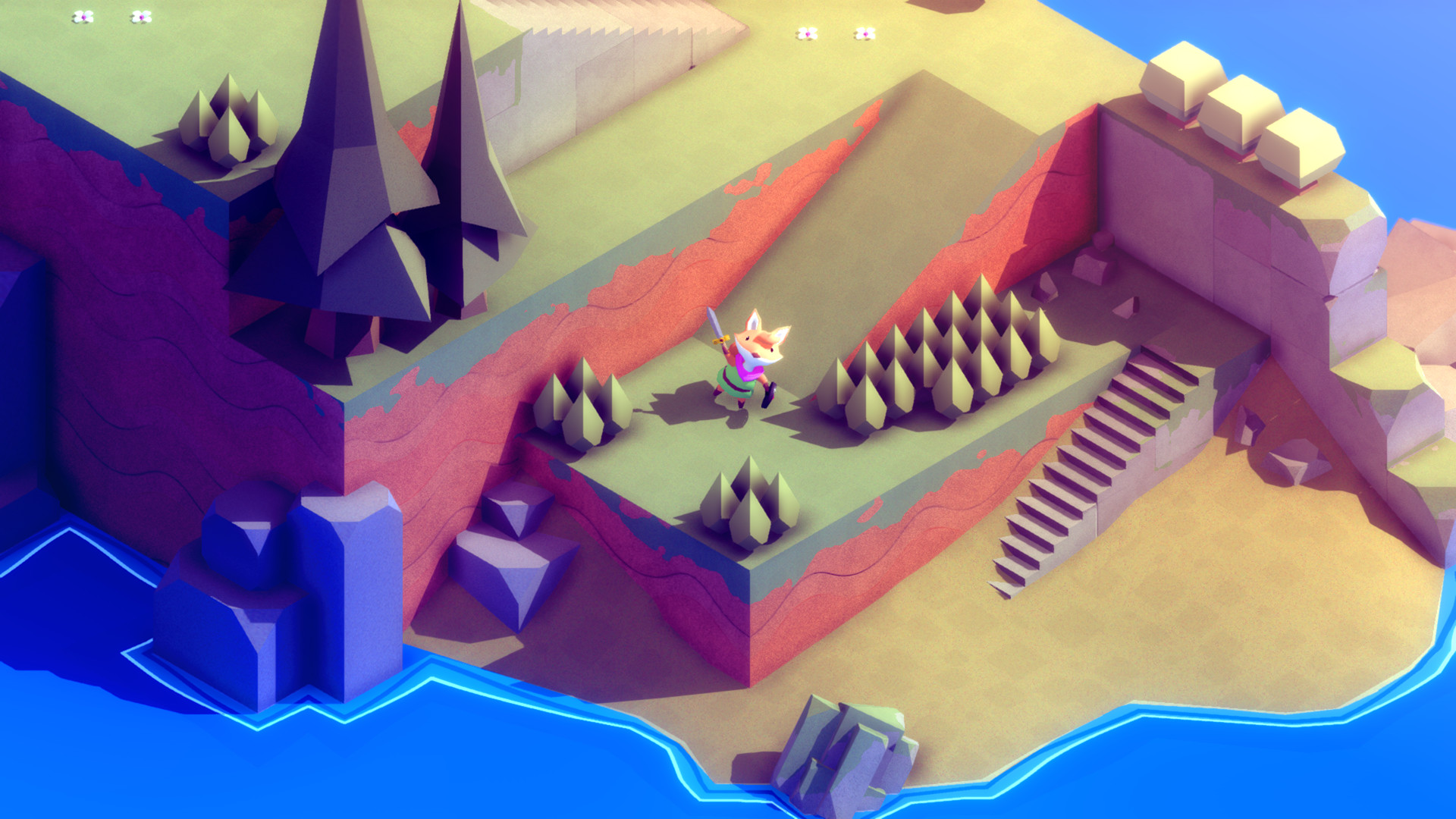
The game world is described as hostile and intricately connected, featuring shady forests, sprawling ruins, and labyrinthine catacombs. Exploration is central, as you uncover hidden treasures, secret relics, and puzzles that contribute to the overall narrative.
Environmental variety includes locations beneath the earth, above the clouds, and other strange realms. Each area presents its own challenges and visual style, encouraging players to adapt their approach as they progress.
- Map out discovered areas to avoid missing hidden passages.
- Return to previously visited zones after acquiring new items that may unlock them.
04 / THE GUIDE
Collectibles and Secrets
Collecting missing manual pages is highlighted as a way to reveal hints and full‑color illustrations. In addition, hidden treasures and secret relics are scattered throughout the world, offering useful items and deeper lore for those who seek them.
The description emphasizes that many secrets remain undiscovered, encouraging thorough investigation. Finding every secret may influence the game's ending or provide additional content, though specifics are not detailed.
- Use visual cues such as unusual lighting to spot hidden items.
- Keep track of which manual pages you have found to focus on missing ones.
05 / THE GUIDE
Audio and Atmosphere
TUNIC features sound design by Power Up Audio and an original soundtrack composed by Lifeformed (Terence Lee and Janice Kwan). The audio work is intended to complement the game's mysterious and adventurous tone, enhancing immersion during exploration and combat.
The soundtrack and sound effects respond to player actions, reinforcing the sense of danger and discovery as you navigate forests, ruins, and catacombs. This auditory layer is part of the overall presentation rather than a gameplay mechanic.
- Adjust volume settings to ensure music and sound effects are balanced.
- Listen for audio cues that may hint at nearby secrets.


COMMUNITY
Player discussion