 GameWiki
GET YOUR BEARINGS
About Total War: ROME II - Emperor Edition
Total War: Rome II – Emperor Edition bundles every free update released since 2013, adding an improved politics system, reworked building chains, rebalanced battles, visual enhancements, touchscreen support, Mac compatibility, and Twitch integration. The edition also includes the free Imperator Augustus campaign pack.
The Imperator Augustus campaign begins in 42 BC, after Caesar’s assassination, and follows the struggle of the Second Triumvirate while external powers move to exploit Rome’s instability. Players choose from ten distinct factions and compete in a sandbox turn‑based campaign that supports two‑player cooperative and competitive modes.
01 / THE GUIDE
Imperator Augustus Campaign
The Imperator Augustus campaign is a full‑scale addition that rivals the original Grand Campaign in scope. Set in 42 BC, it depicts the chaotic aftermath of Caesar’s murder and the power contest among Octavian, Marc Antony, and Lepidus.
The campaign allows any of the ten playable factions to pursue Roman dominance, defend the Republic, or exploit the civil war for personal conquest. External nations also act independently, creating additional strategic pressure beyond the internal struggle.
- Track the movements of non‑Roman factions early, as they can open expansion corridors.
- Balance political actions with military campaigns to keep your faction stable.
02 / THE GUIDE
Playable Factions
Ten factions are available in the Imperator Augustus campaign: the three members of the Second Triumvirate—Octavian, Marc Antony, Lepidus—plus Pompey, Iceni, Marcomanni, Dacia, Egypt, Parthia, and Armenia (also playable in the Grand Campaign).
Each faction starts with unique territories, unit rosters, and diplomatic positions, which shape early strategic decisions such as where to expand, which allies to seek, and which enemies pose immediate threats.
- Review each faction’s starting region to plan realistic early expansion routes.
- Consider the unique unit types of non‑Roman factions when designing your army composition.
03 / THE GUIDE
Politics and Conspiracy
Emperor Edition introduces an improved politics system that records conspiracies, loyalty, honour, ambition, and betrayal. Political actions such as plots, appointments, and diplomatic overtures directly affect faction stability and can alter the course of the campaign.
Because political outcomes influence military capacity—e.g., a betrayal may remove a key general—players must weigh intrigue against expansion. The system records decisions, allowing the narrative to evolve based on the player’s choices.
- Use political actions to secure loyalty before launching major wars.
- Monitor rival factions’ intrigue levels to anticipate possible betrayals.
04 / THE GUIDE
Battle and Tactical Camera
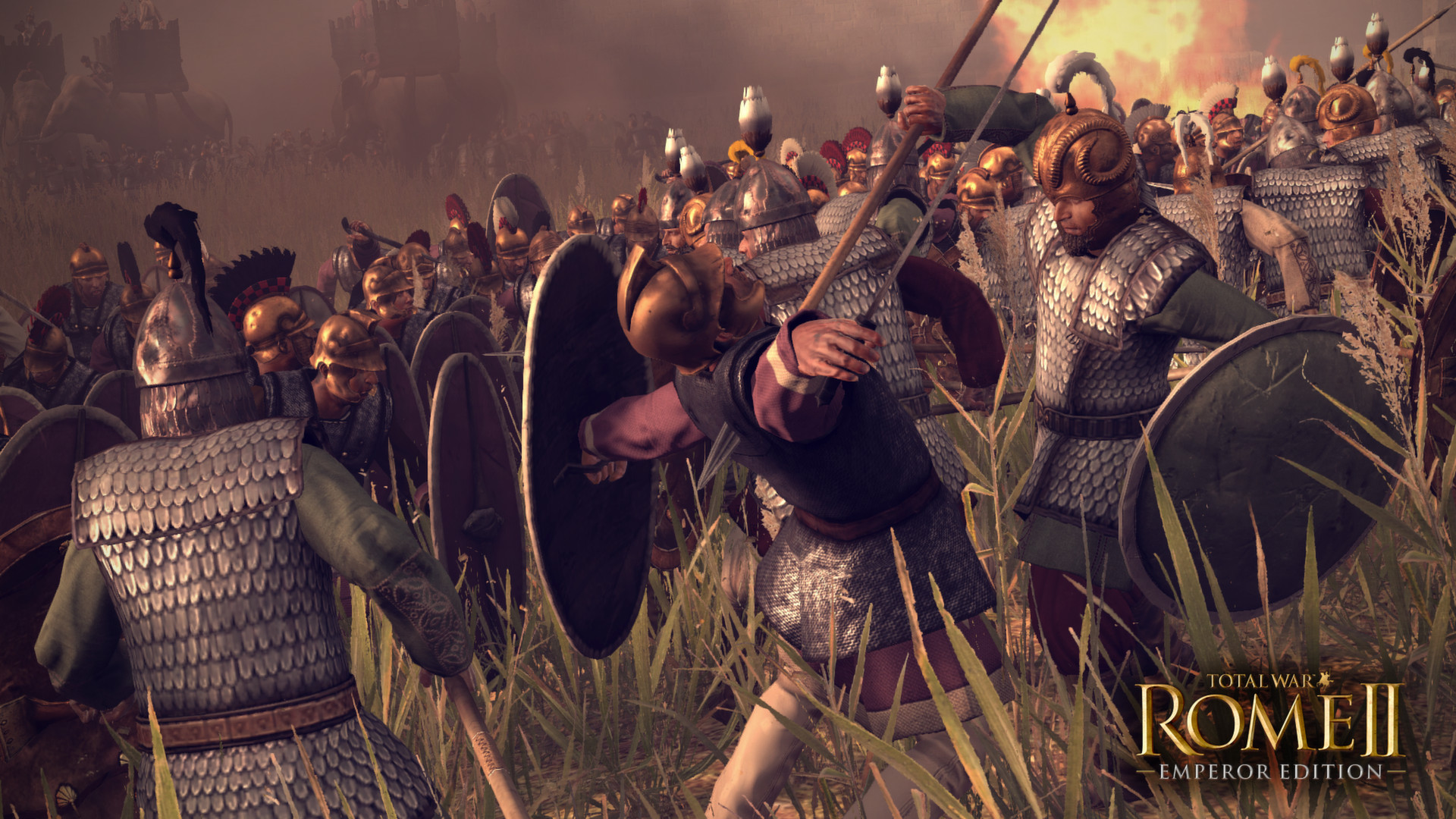
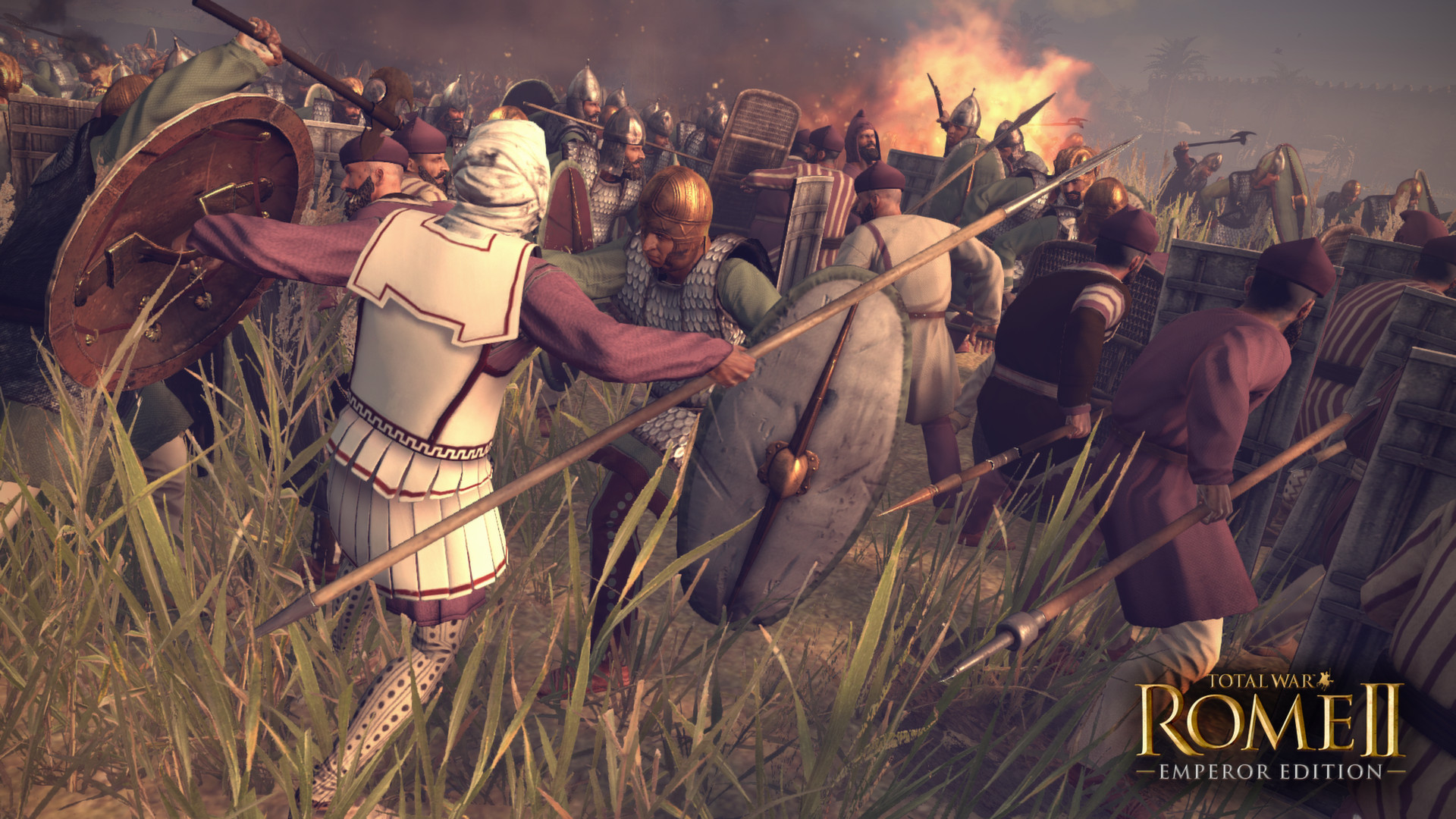
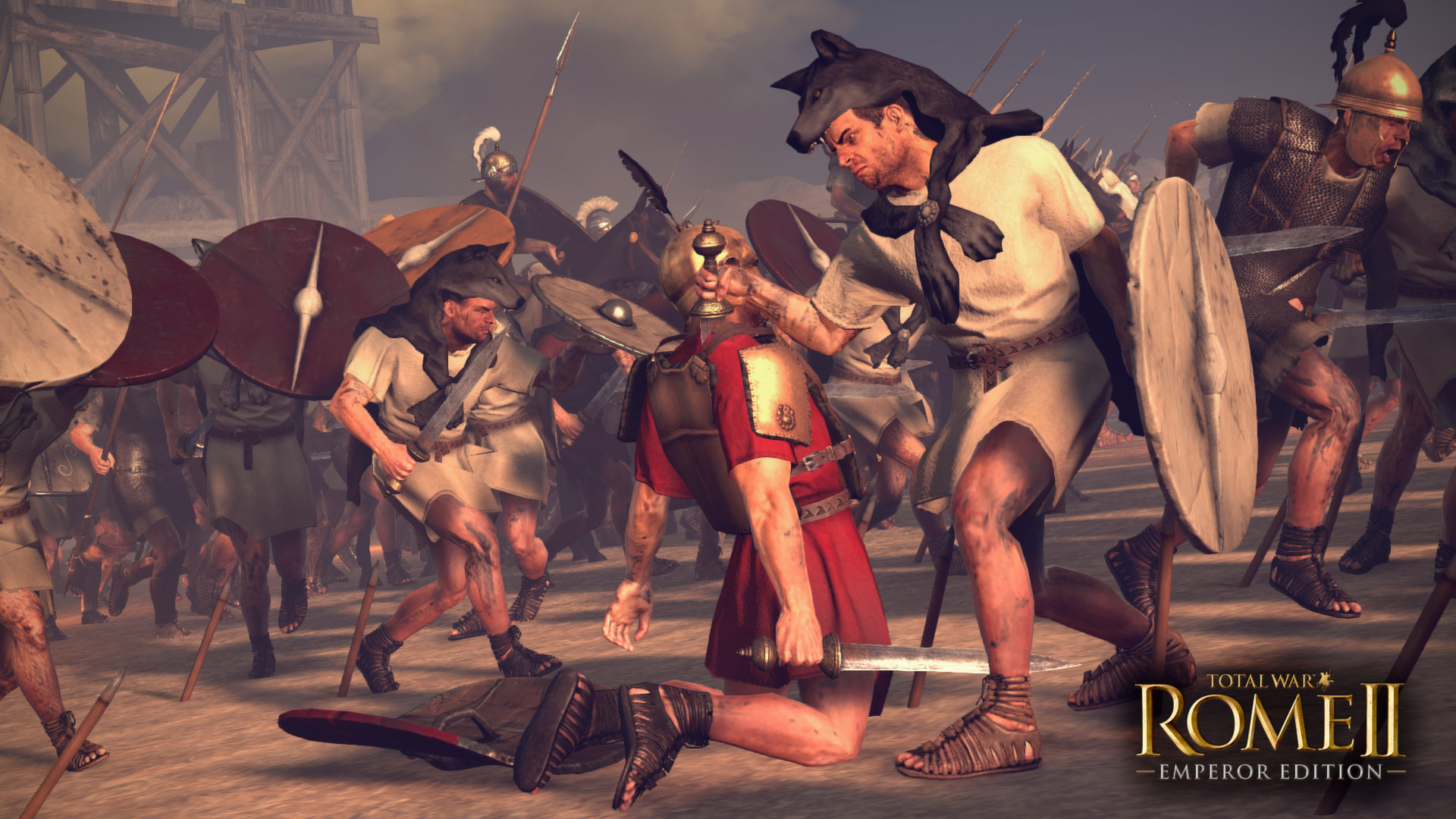
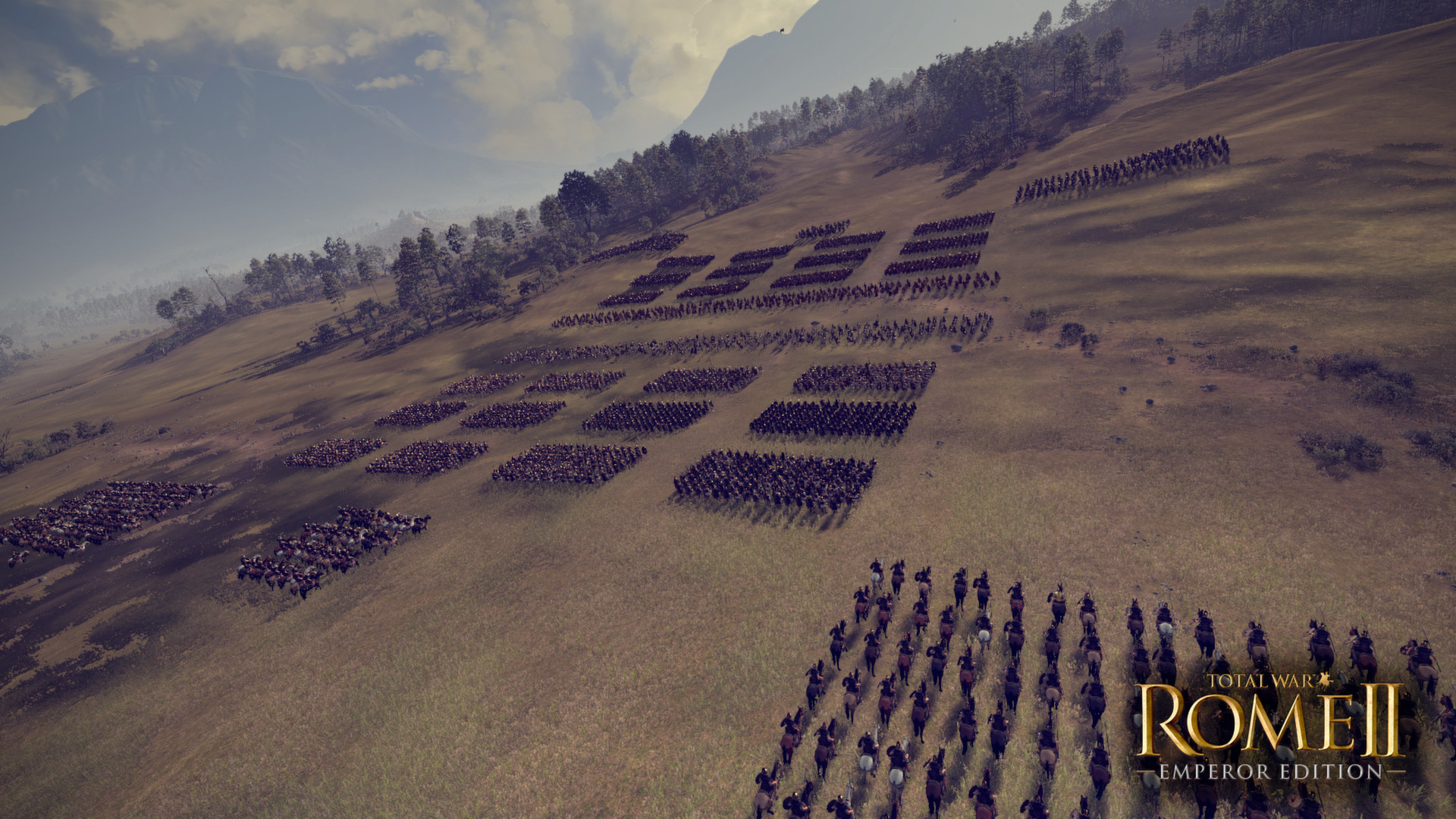
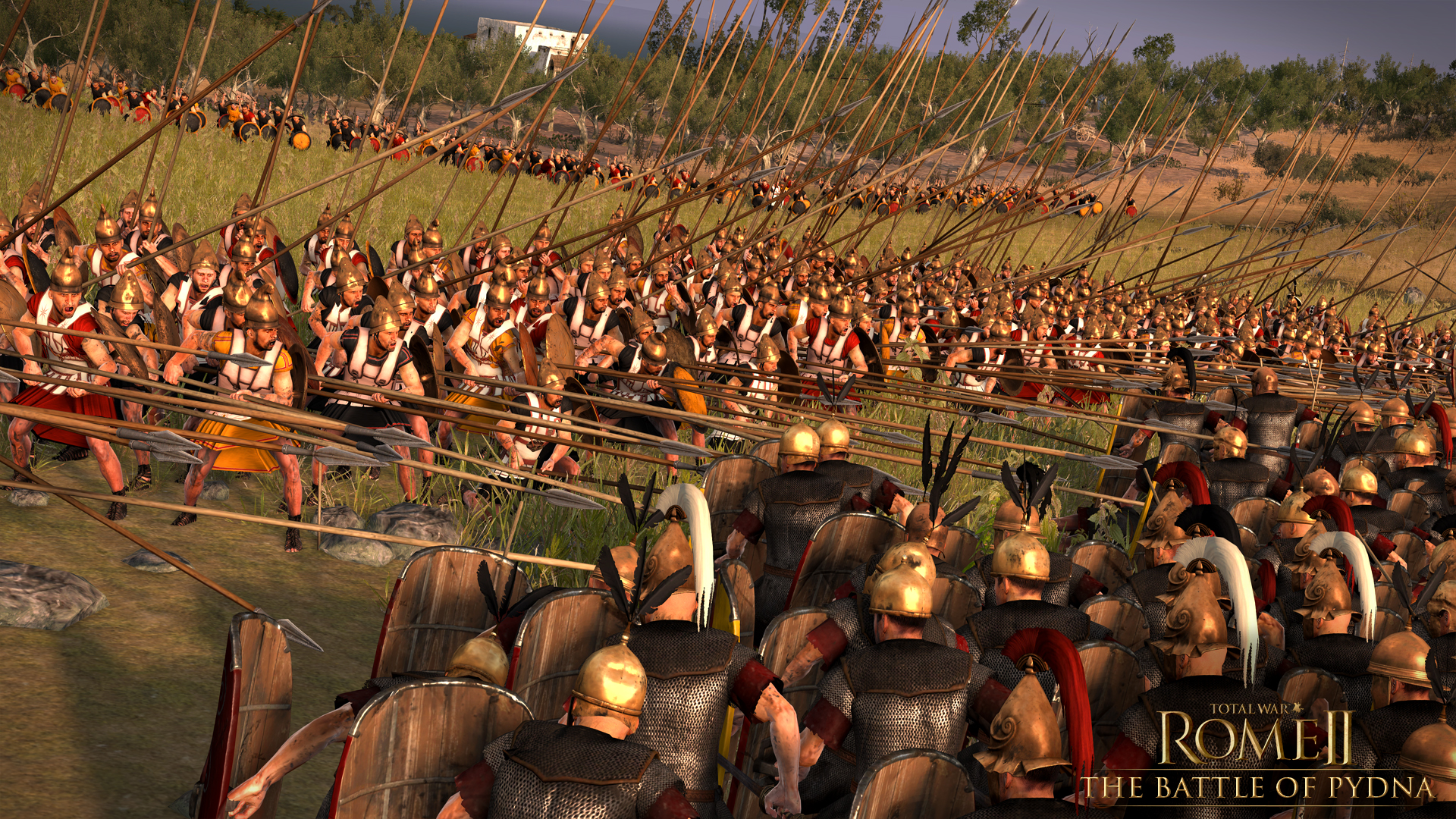
Real‑time battles let players command large armies on land and sea, while a new tactical camera provides a god‑eye view for strategic assessment. The camera can zoom to detailed perspectives, showing individual soldiers during combat.
Switching between close‑up and tactical views helps identify unit strengths, formation weaknesses, and terrain advantages, enabling more informed tactical decisions during engagements.
- Toggle to the tactical cam before committing forces to evaluate positioning.
- Use close‑up views during combat to spot vulnerable units and adjust orders.
05 / THE GUIDE
Multiplayer Modes
The sandbox campaign supports two‑player cooperative and competitive modes, available both online and via LAN. These modes retain the full political and military systems of single‑player, allowing players to share a campaign turn or oppose each other directly.
Co‑op play lets partners coordinate political actions and military campaigns, while PvP encourages early territorial grabs and strategic rivalry, each influencing the shared world state.
- In co‑op, align political moves to avoid internal conflict.
- In PvP, prioritize early expansion to secure resources before opponents contest them.
COMMUNITY
Player discussion