 GameWiki

GET YOUR BEARINGS
About Tornado: Research and Rescue
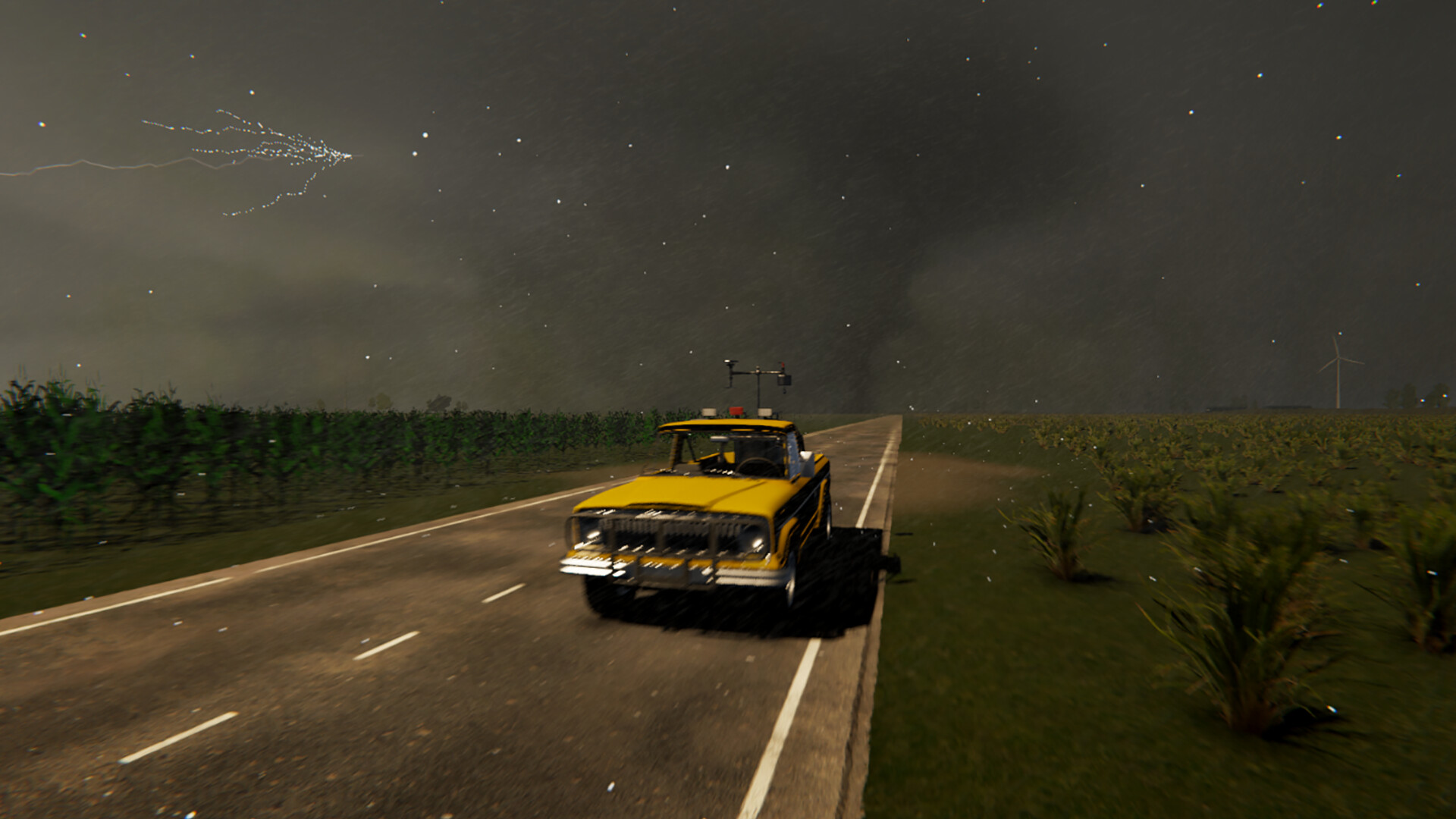
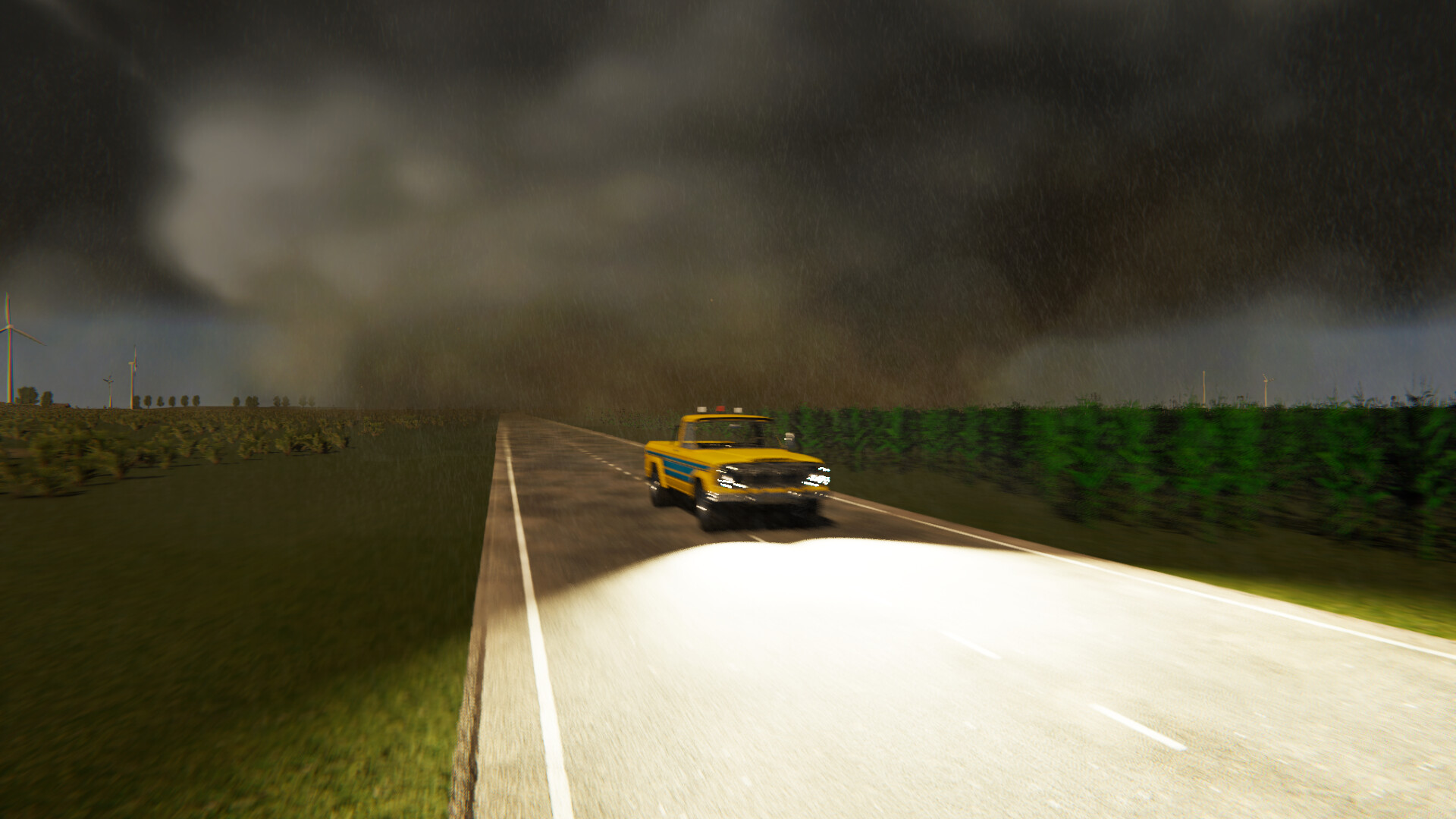
Tornado: Research and Rescue puts you in the driver’s seat of a 1990s‑era storm‑chasing team. You read forecasts, navigate rural road networks and race to intercept procedurally generated tornadoes across Tornado Alley. The game blends real‑time driving, data collection and emergency management, rewarding both scientific insight and community safety.
Each chase is unique: you decide how close to get, where to place portable probes, and whether to release experimental chemicals that can alter a tornado’s behavior. Success is measured by the quality of the data you gather and the number of townspeople you keep safe, while earnings let you upgrade your vehicle, radar and probes for ever more extreme storms.
01 / THE GUIDE
Storm Chasing Mechanics
You start each forecast by reading a Doppler radar display and visual clues to locate developing tornadoes. Navigation relies on a road network that connects rural towns, letting you choose routes that bring you closer to the storm.
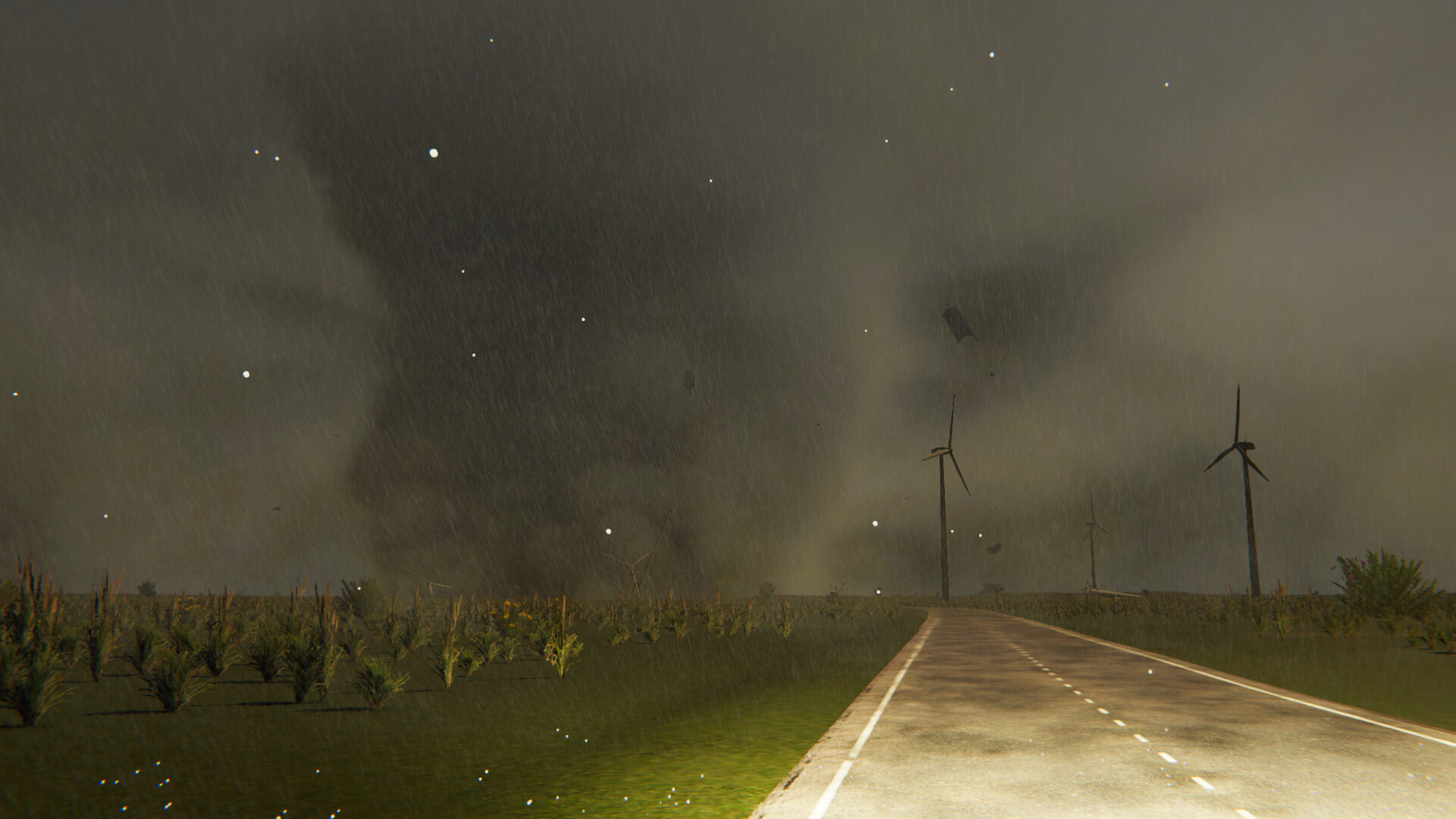
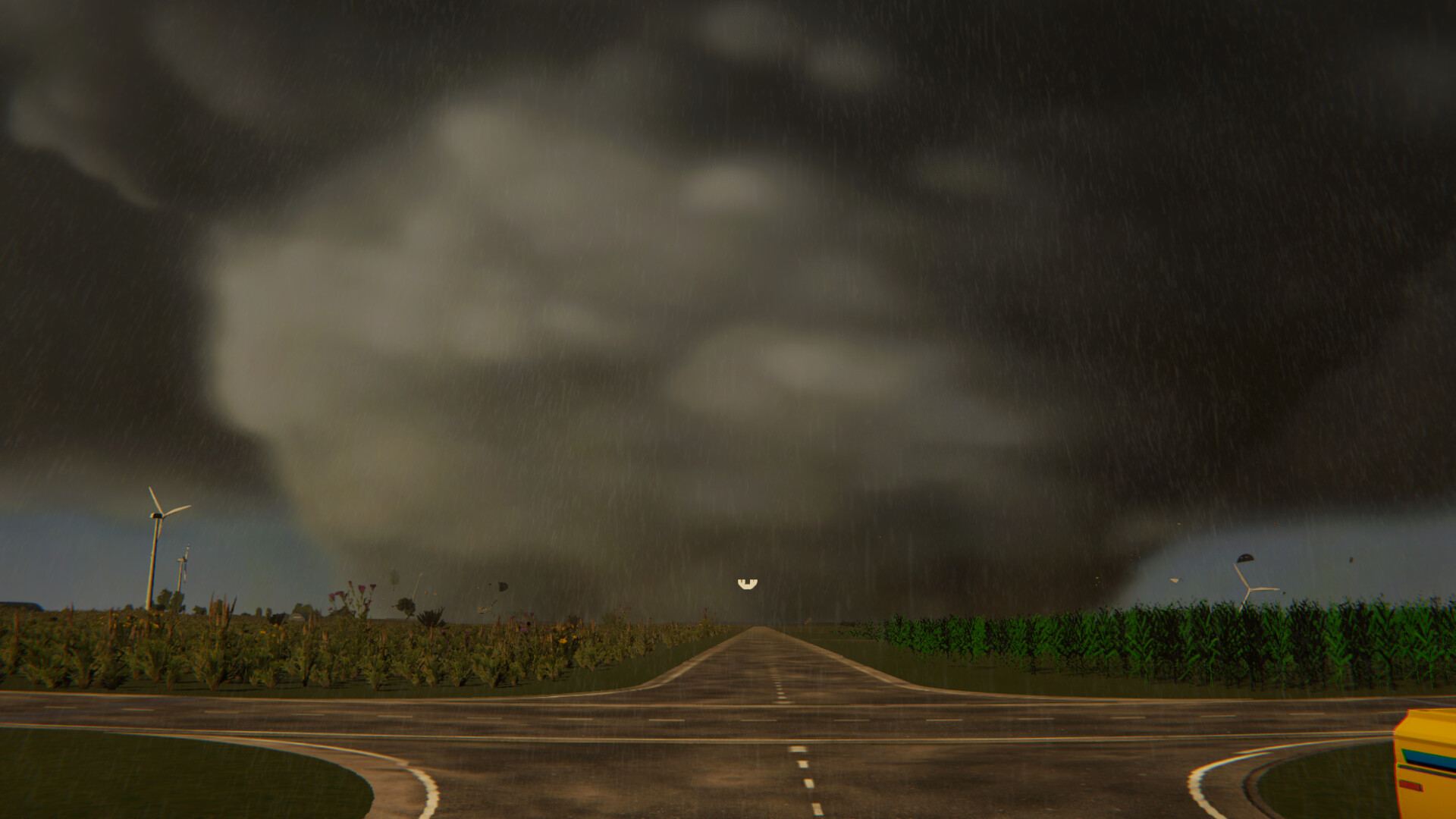
Tornadoes can change direction, grow rapidly and become wrapped in heavy precipitation, turning a distant funnel into a debris‑filled wedge that can block escape routes. Getting closer yields better research opportunities but also raises the risk of being caught in the path.
- Compare radar indications with visual cues to anticipate sudden direction changes.
- Plan alternate exit routes in case a tornado cuts off your primary path.
02 / THE GUIDE
Scientific Probe Deployment
Portable probes can be placed ahead of a tornado to capture measurements such as wind speed, pressure, temperature and dew point. Stronger tornadoes tend to produce more valuable readings, but reaching their path and escaping safely becomes increasingly difficult.
A perfectly positioned probe can fund your next set of upgrades, linking successful data collection directly to equipment improvement.
- Deploy probes early when the tornado is still distant to increase placement options.
- Balance the value of high‑intensity data against the difficulty of escaping safely after placement.
03 / THE GUIDE
Warning Communities
When a tornado threatens a town, you can issue warnings that give residents time to reach shelter. The game tracks the consequences of your decisions, so the number of survivors influences how a successful chase is judged.
Research alone does not define success; effective communication and timely alerts are equally important for a high‑scoring run.
- Prioritize warning towns that lie directly in the projected path of the storm.
- Observe how quickly a tornado is approaching to time your alerts for maximum impact.
04 / THE GUIDE
Atmospheric Chemical Manipulation
Experimental chemicals let you influence a tornado’s intensity, width and movement. Different chemical types produce varied effects, and each tornado responds uniquely, requiring observation and repeated sampling.
While you may weaken a dangerous storm, misuse can create tornadoes beyond an F5 rating, adding a high‑risk experimental layer to each chase.
- Test chemicals on weaker tornadoes first to learn their behavioral patterns.
- Keep an eye on the storm’s response; rapid intensification may signal a need to retreat.
05 / THE GUIDE
Sandbox Mode & Historic Tornadoes
Sandbox mode lets you configure custom storm‑chasing scenarios, adjusting environments, tornado strength and equipment without affecting career progression. You can also recreate historic events like the Bridge Creek/Moore 1999 tornado and the Jarrell 1997 tornado.
These tools provide a safe space for experimentation, allowing you to test new strategies or simply experience some of the most infamous tornadoes in history.
- Use sandbox settings to practice probe placement before attempting high‑risk career chases.
- Compare your performance on historic tornadoes to gauge improvement over time.

COMMUNITY
Player discussion