 GameWiki

GET YOUR BEARINGS
About The Windows Are Gone
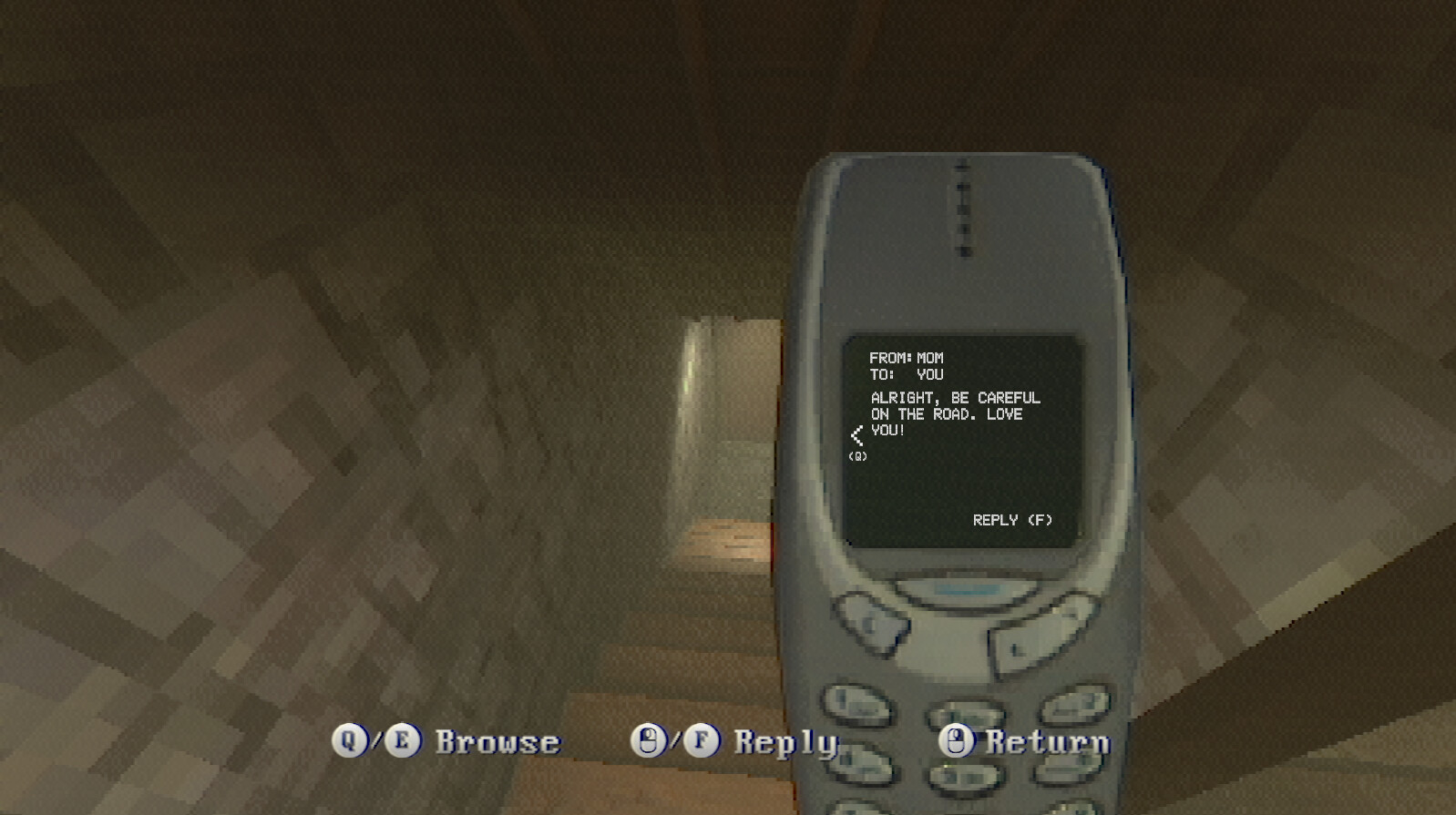
The Windows Are Gone is a short psychological horror experience by Scary Cube. Players follow a grieving protagonist haunted by a recurring house that beckons from dreams, blurring reality and subconscious. The game’s design emphasizes an unsettling narrative and a strong sense of dread.
Clocking in at roughly forty minutes to an hour, the title blends retro PS1/PS2 visuals with modern touches. Single‑player play on Windows lets you explore, decorate, and uncover multiple endings, all while atmospheric audio‑visual manipulation heightens the tension.
01 / THE GUIDE
Psychological Horror
The game positions itself as a psychological horror, immersing players in a narrative that mixes grief, guilt, and dreamlike obsession. The story’s focus on an inescapable house creates a constant feeling of unease, encouraging players to question what is real.
This unsettling atmosphere is reinforced by the manipulation of audiovisual elements, which serve to blur the line between the protagonist’s subconscious and the world they navigate. The experience relies on mood rather than overt scares.
- Pay attention to recurring visual motifs; they often signal shifts in the protagonist’s mental state.
- Allow the ambient sounds to guide your pacing; they can hint at hidden narrative layers.
02 / THE GUIDE
Retro Aesthetic
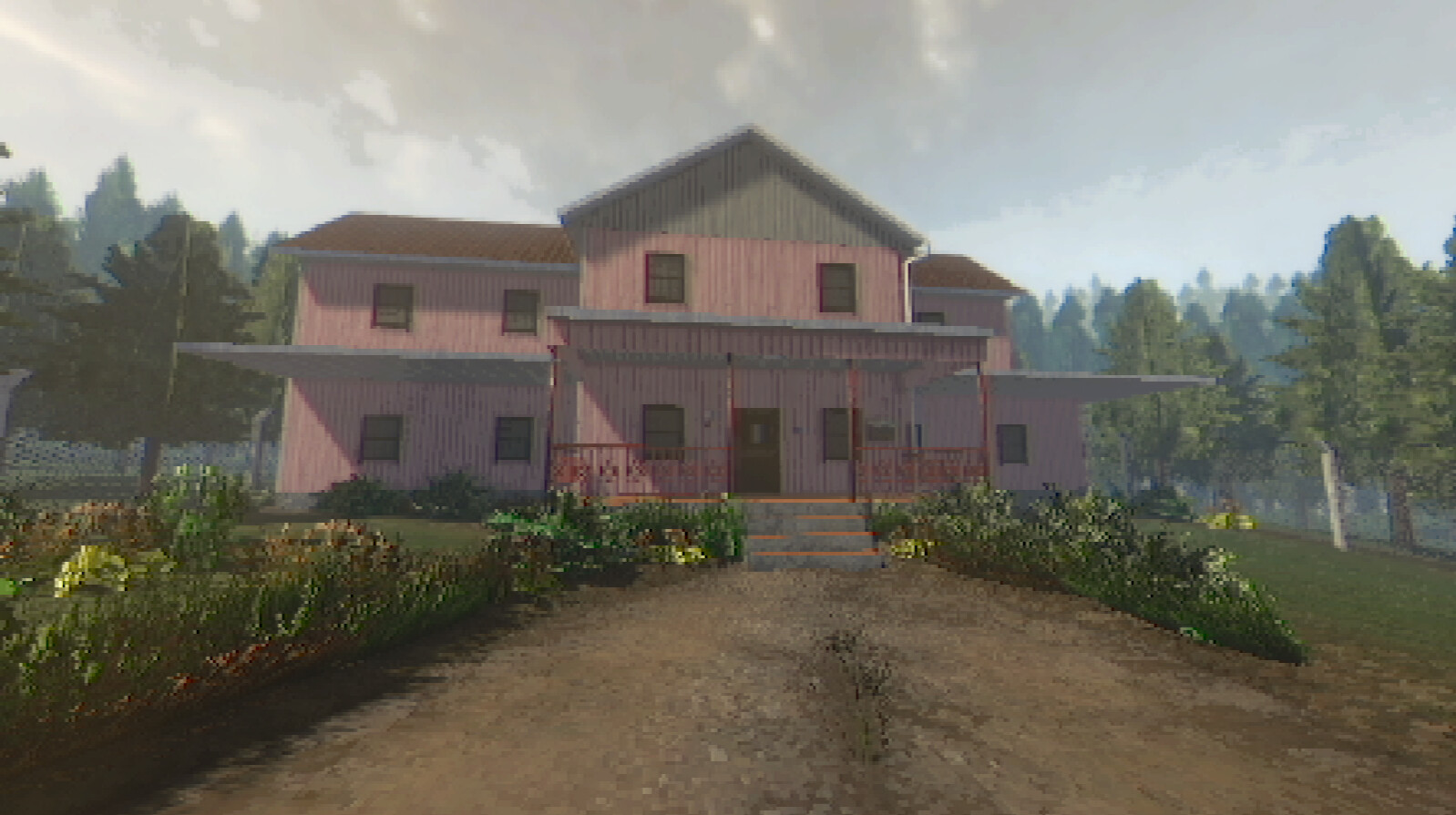
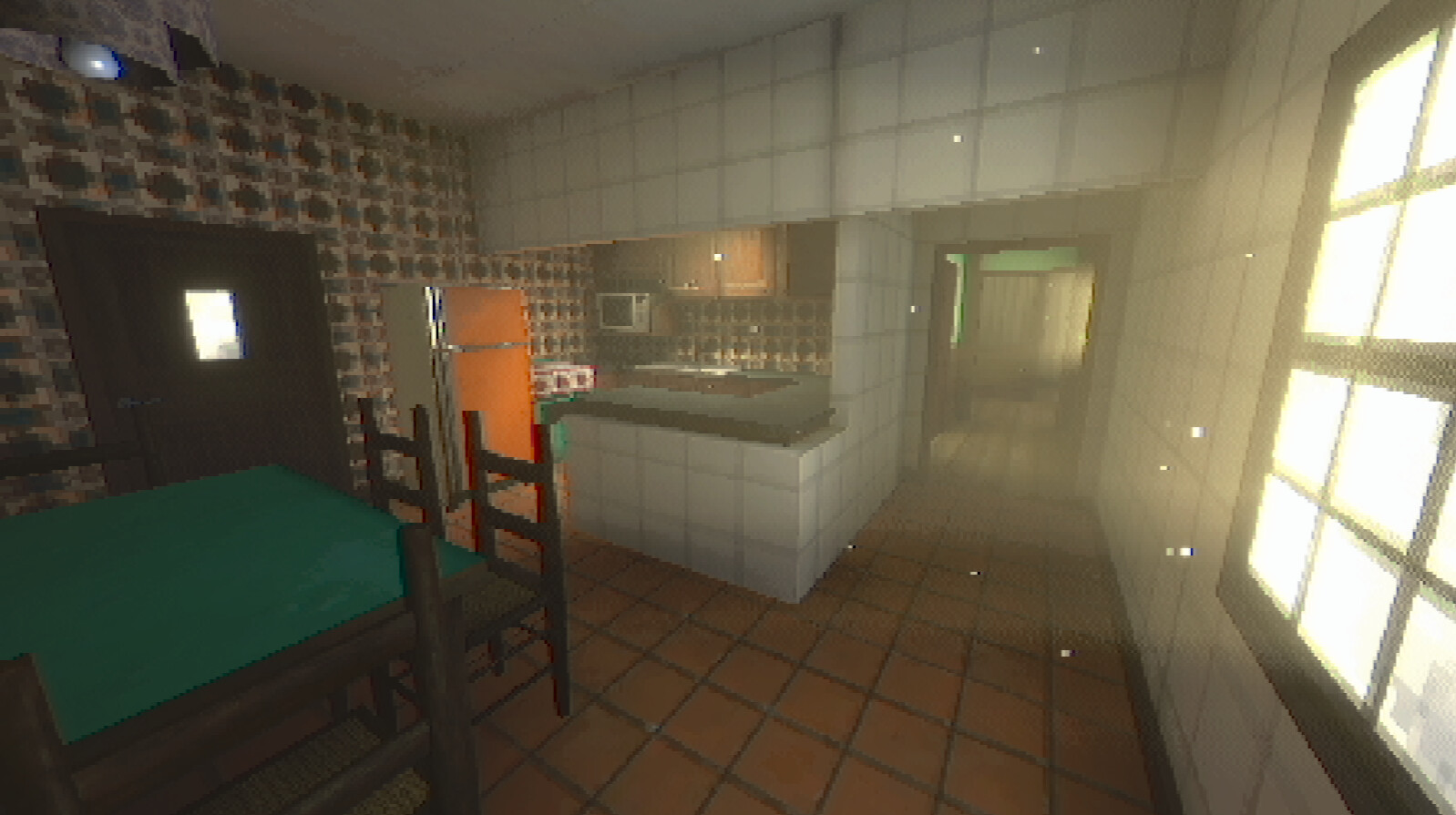
Visually, the game adopts a nostalgic PS1/PS2 style, mixing old‑school polygonal textures with occasional modern effects. This blend creates a familiar yet disorienting backdrop that supports the horror tone.
The retro graphics are not merely decorative; they contribute to the feeling of stepping into a memory‑like space, reinforcing the protagonist’s fragmented recollections of the house.
- Compare the visual quality to classic console titles to appreciate the intentional low‑poly design.
- Notice how modern lighting subtly enhances the retro models, adding depth to the atmosphere.
03 / THE GUIDE
Moving In & Decoration
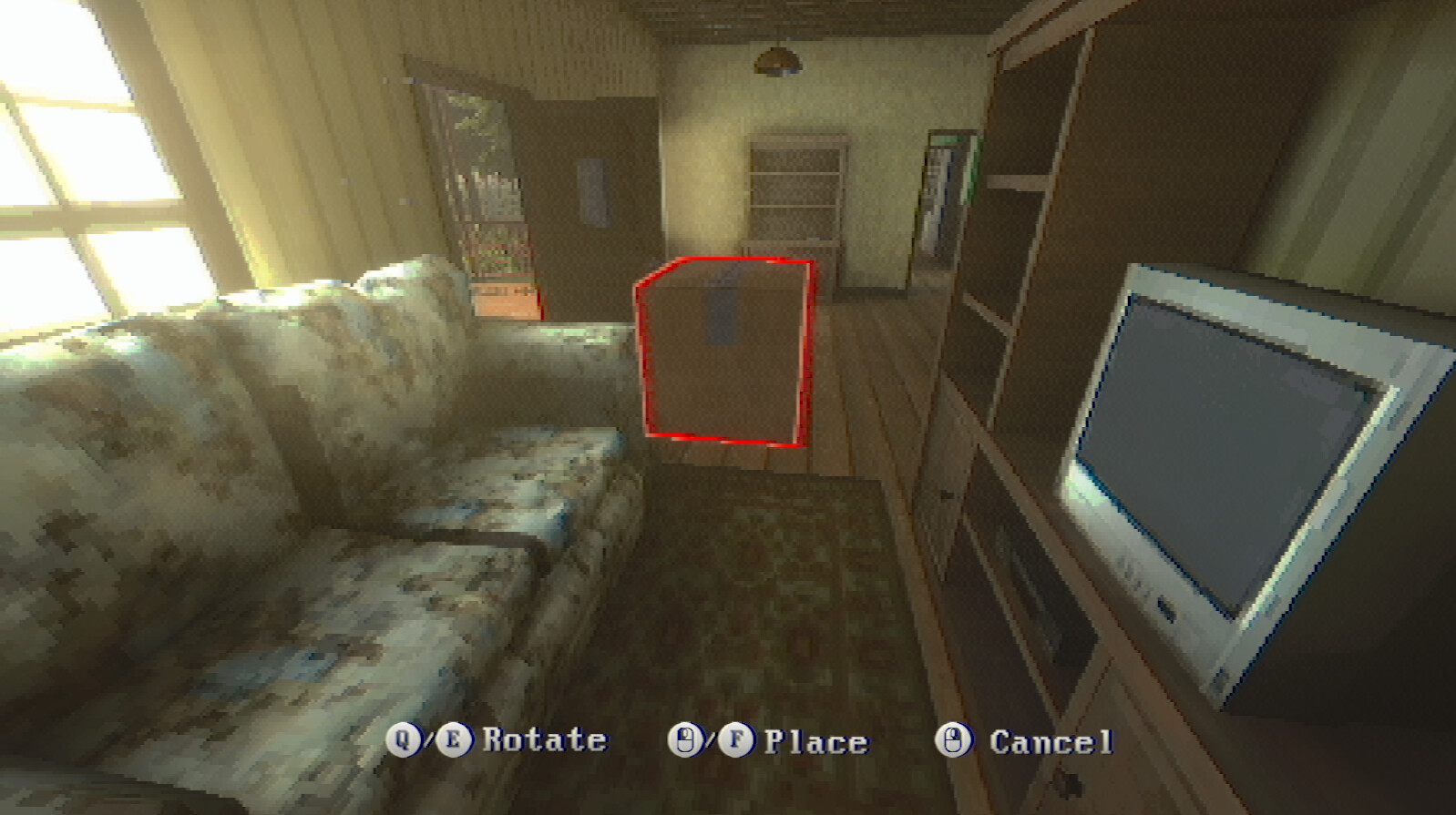
Players are invited to bring boxes inside the house and arrange furnishings as they see fit, effectively making the space their own. This mechanic underscores the theme of ownership over a haunting environment.
Decoration is framed as a way to make the space your own, reinforcing immersion through personal expression within the unsettling setting.
- Experiment with different layouts to see how the space feels under the same oppressive ambience.
- Use the act of arranging items as a momentary respite from the narrative tension.
04 / THE GUIDE
Exploration & Secrets
Exploration is central: players wander the scenery, uncovering clues left by the house’s previous owner. Hidden notes and objects gradually reveal the backstory and deepen the mystery.
Each discovery adds context, helping to piece together why the house calls to the protagonist.
- Take note of any written clues; they often link disparate rooms together.
- Revisit earlier areas after new information is found; fresh perspective can reveal missed details.
05 / THE GUIDE
Multiple Endings
The narrative branches toward several possible conclusions, each reflecting the protagonist’s choices and discoveries throughout the game. These endings provide distinct emotional resolutions to the haunting experience.
While the exact conditions for each ending are not detailed, the presence of multiple outcomes encourages thorough exploration and personal interpretation of the story.
- Consider how your interactions with the house’s objects might influence the final outcome.
- Reflect on the emotional tone of each ending to gauge which aligns with your interpretation of the narrative.
COMMUNITY
Player discussion