 GameWiki

GET YOUR BEARINGS
About The Wellmonts Case
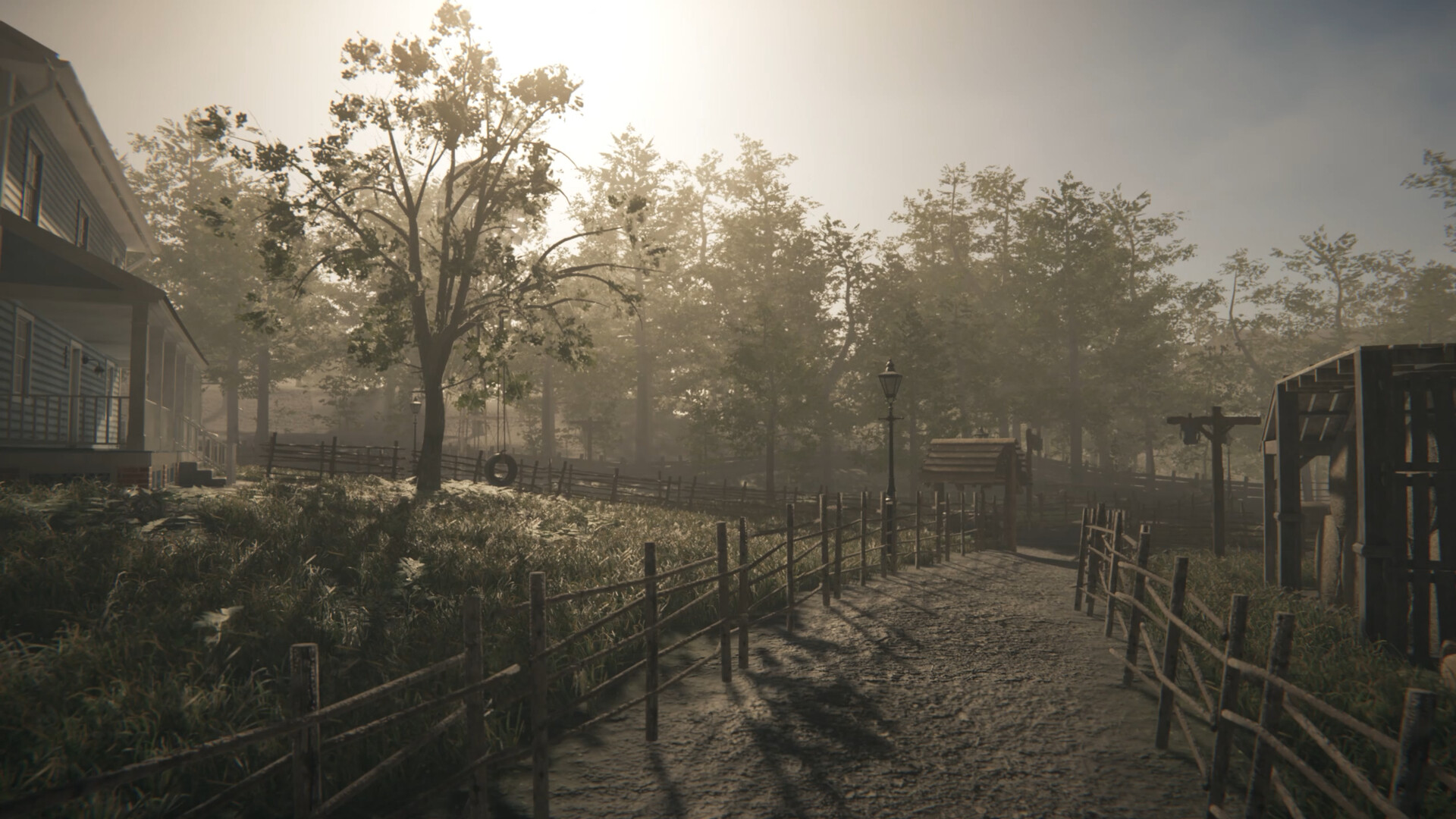
Step into the role of a private detective investigating the 1993 disappearance of the Wellmont family on an isolated farm in Northern Maine. The game presents a first‑person psychological horror experience that centers on exploration, evidence collection, and documentation.
As you move through silent rooms, the environment reacts: perception warps, sounds sharpen, and the house feels alive. Every note, lock, and clue you interact with deepens the mystery, turning ordinary objects into unsettling pieces of a larger puzzle.
01 / THE GUIDE
Story and Setting
The Wellmonts Case places you in 1993 Northern Maine, tasked with uncovering why a family vanished from their farm. The premise is introduced with the line “Some truths were never meant to be found,” establishing a tone of hidden horror.
Narrative details emerge through environmental storytelling, personal belongings, and written notes left behind. These elements together construct a timeline of the family's final days through exploration and investigation.
- Read each note carefully; they often contain dates or names that help build context.
- Observe the placement of objects; unusual arrangements can hint at a story clue.
02 / THE GUIDE
Perception and Distortion
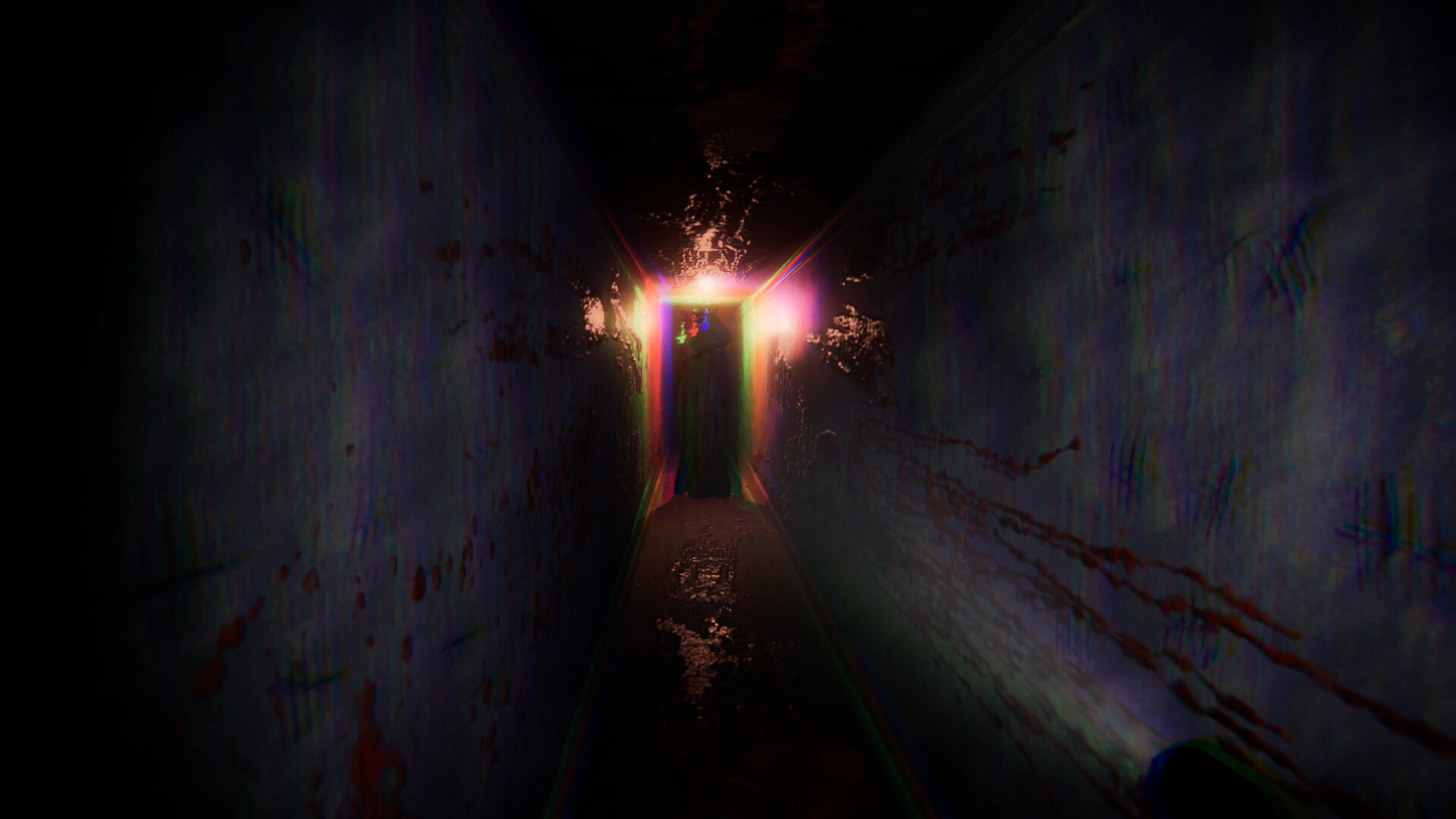
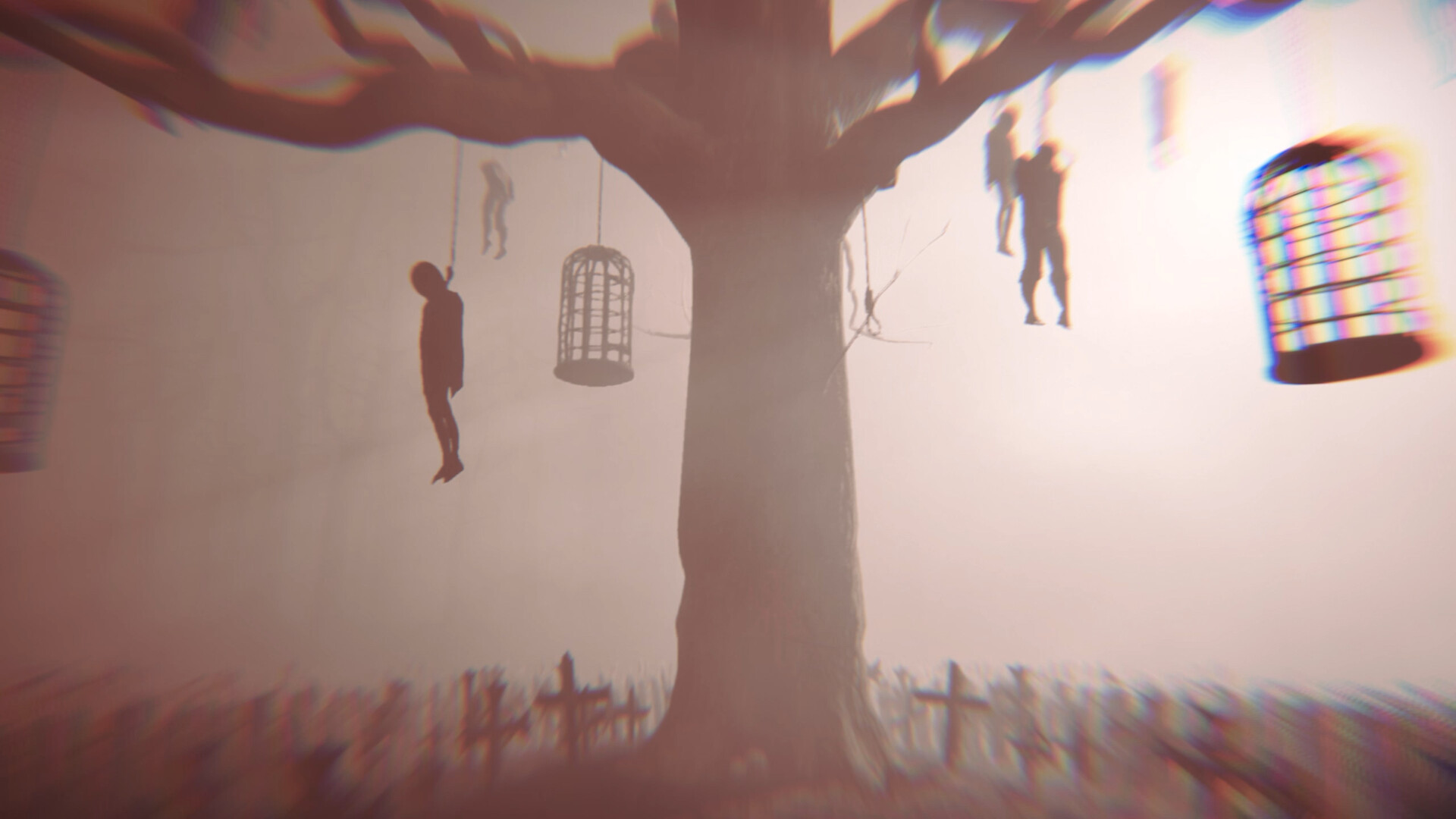
During exploration the game deliberately distorts visual and auditory cues: logic collapses, time slips, and details no longer add up. This shifting perception is described as a core element of the psychological horror.
The distortions are signaled by glitches, altered lighting, and changes in ambient sound, prompting the player to constantly reassess what is real within the environment.
- Watch for visual glitches; they often precede a narrative shift.
- Listen for sudden changes in sound texture, which may indicate a distortion event.
03 / THE GUIDE
Exploration and Interaction
Gameplay focuses on walking through silent rooms, examining untouched belongings, and documenting findings. Interaction is limited to notes, locks, and clues that advance the investigation.
Every corner holds a trace of the family's life, encouraging careful observation and methodical note‑taking to piece together the case at your own pace.
- Keep your own notes as you play; writing down scattered clues helps you keep track of them.
- Check objects that seem out of place; they often hide important evidence.
04 / THE GUIDE
Narrative‑Driven Puzzles
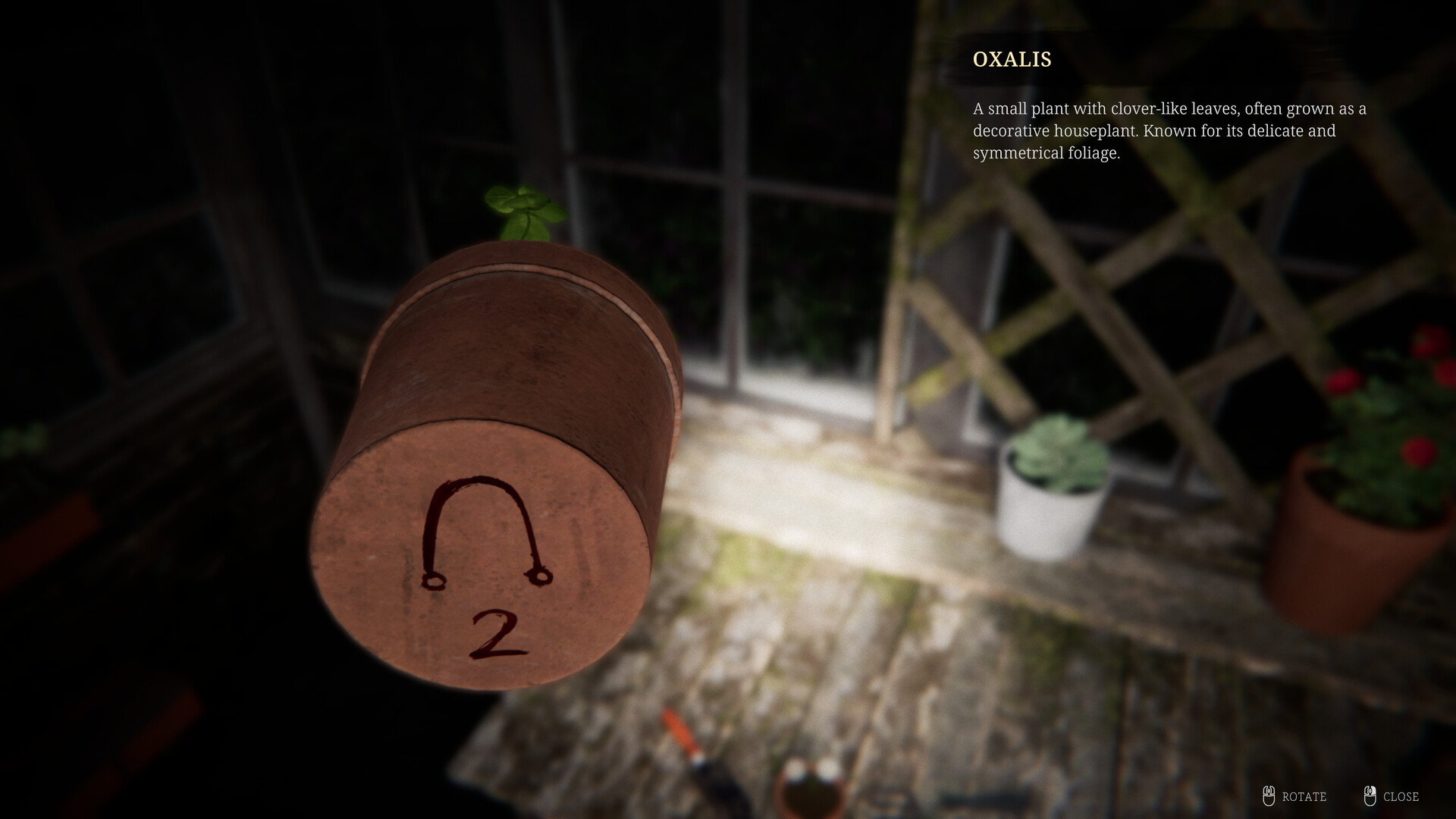
Puzzle elements are tied directly to the story; solving them unlocks new narrative fragments. Locks and coded notes require logical deduction rather than reflexive action.
Each solved puzzle delivers additional context about the Wellmont family, ensuring that puzzle completion has a clear narrative impact rather than serving as a standalone challenge.
- Look for recurring symbols; they often form the key to a lock.
- Cross‑reference clues from different rooms to uncover hidden connections.
05 / THE GUIDE
Technical and Platform Details
The title runs on Windows via Steam and offers single‑player mode, full controller support, Steam achievements, and Family Sharing. No other operating systems are listed as supported.
Atmospheric sound design is highlighted, and a seizure warning notes that flashing light sequences may affect sensitive players, indicating a visual intensity that requires caution.
- Enable controller support if you prefer analog navigation; the game is fully playable this way.
- Review the achievement list to see which tasks are tracked, without assuming they guide gameplay.

COMMUNITY
Player discussion