 GameWiki

GET YOUR BEARINGS
About The Sapling
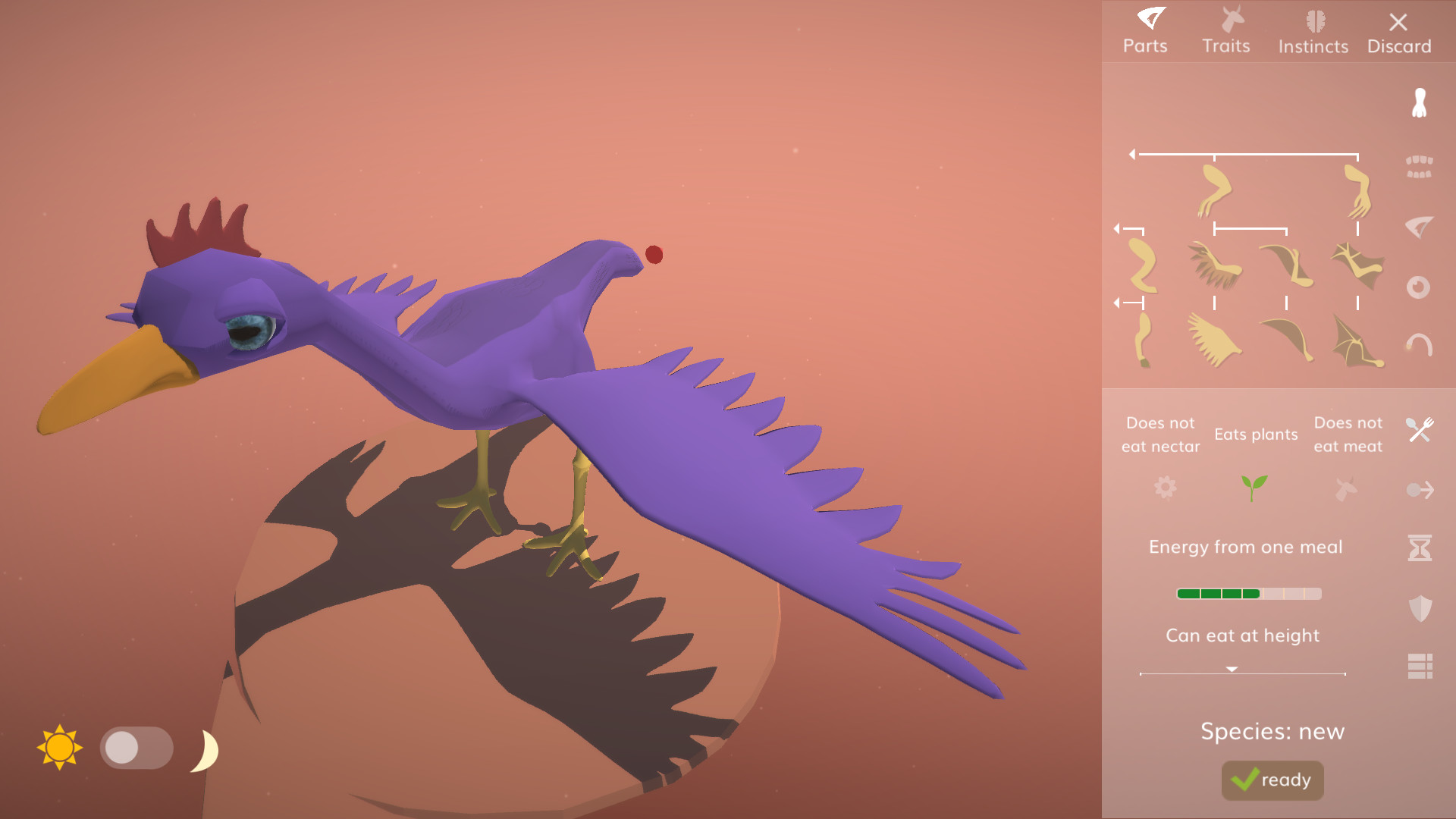
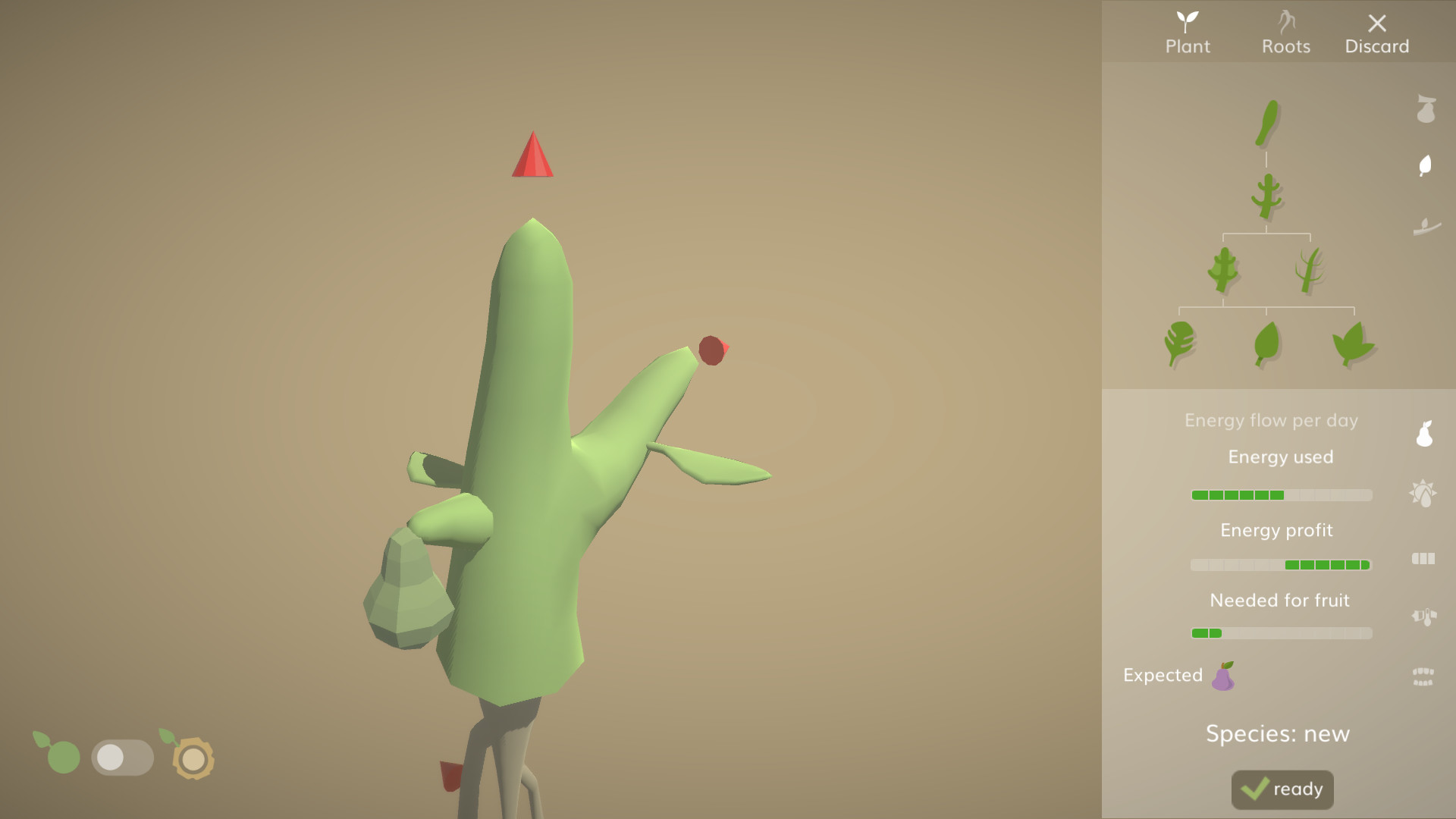
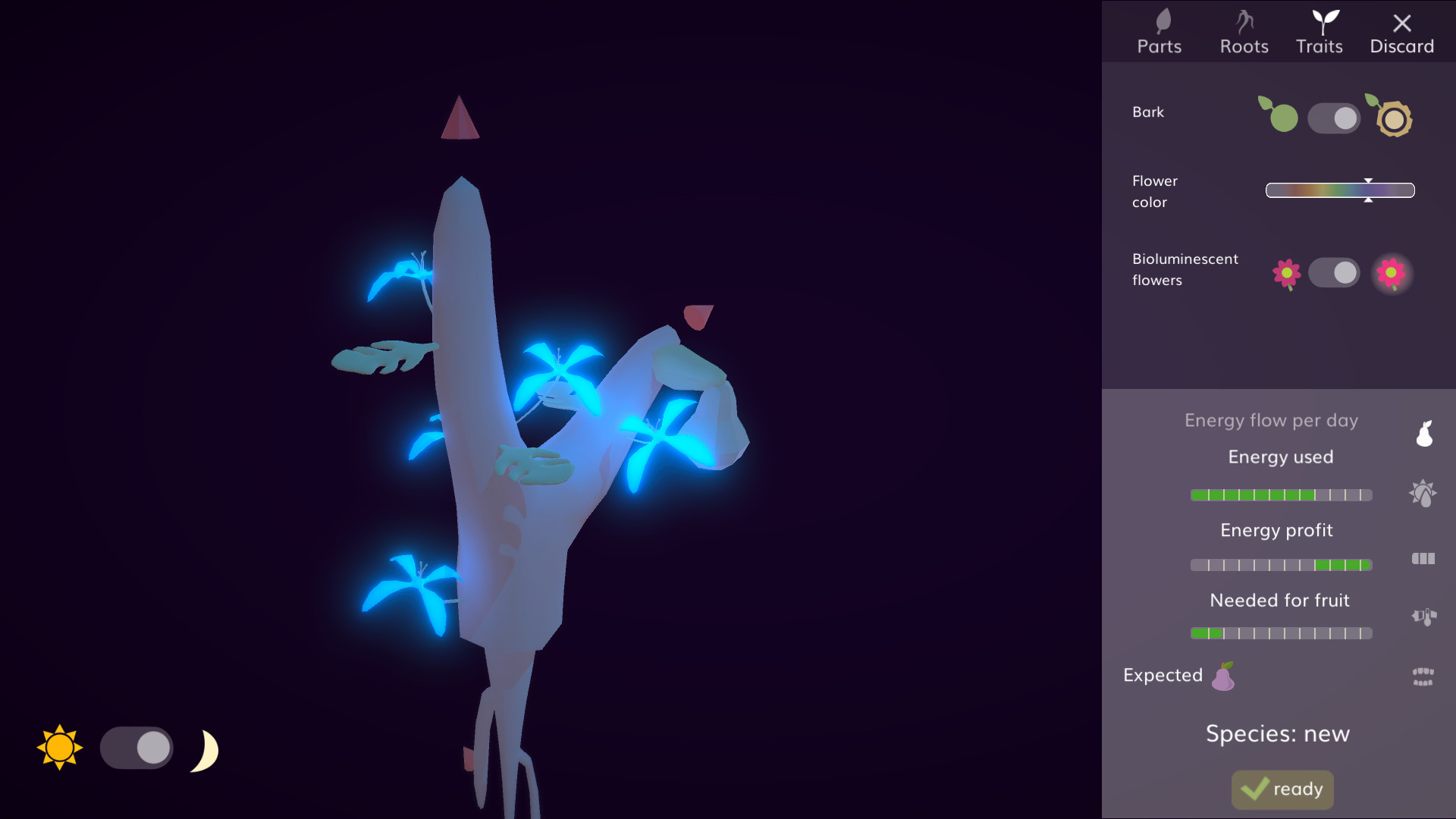
The Sapling lets you create algae, plants, and animals for any type of world. You can make a glowing flower, black algae for dim planets, or a forest of spiked trees, and you decide each organism’s visual and biological traits.
The game offers guided scenarios that introduce the simulation step by step, and a sandbox where you can generate a planet, set up to eight seasons, and enable random mutations to watch evolution shape your ecosystem. All modes are single‑player and support Steam achievements, cloud saves, and family sharing.
01 / THE GUIDE
Design Organisms
You can craft aquatic, land, and flying animals with any combination of traits. The description mentions a brightly coloured fish that drags onto land to hide its eggs and a flying carnivore that dives for prey, showing full creative control over appearance and reproduction.
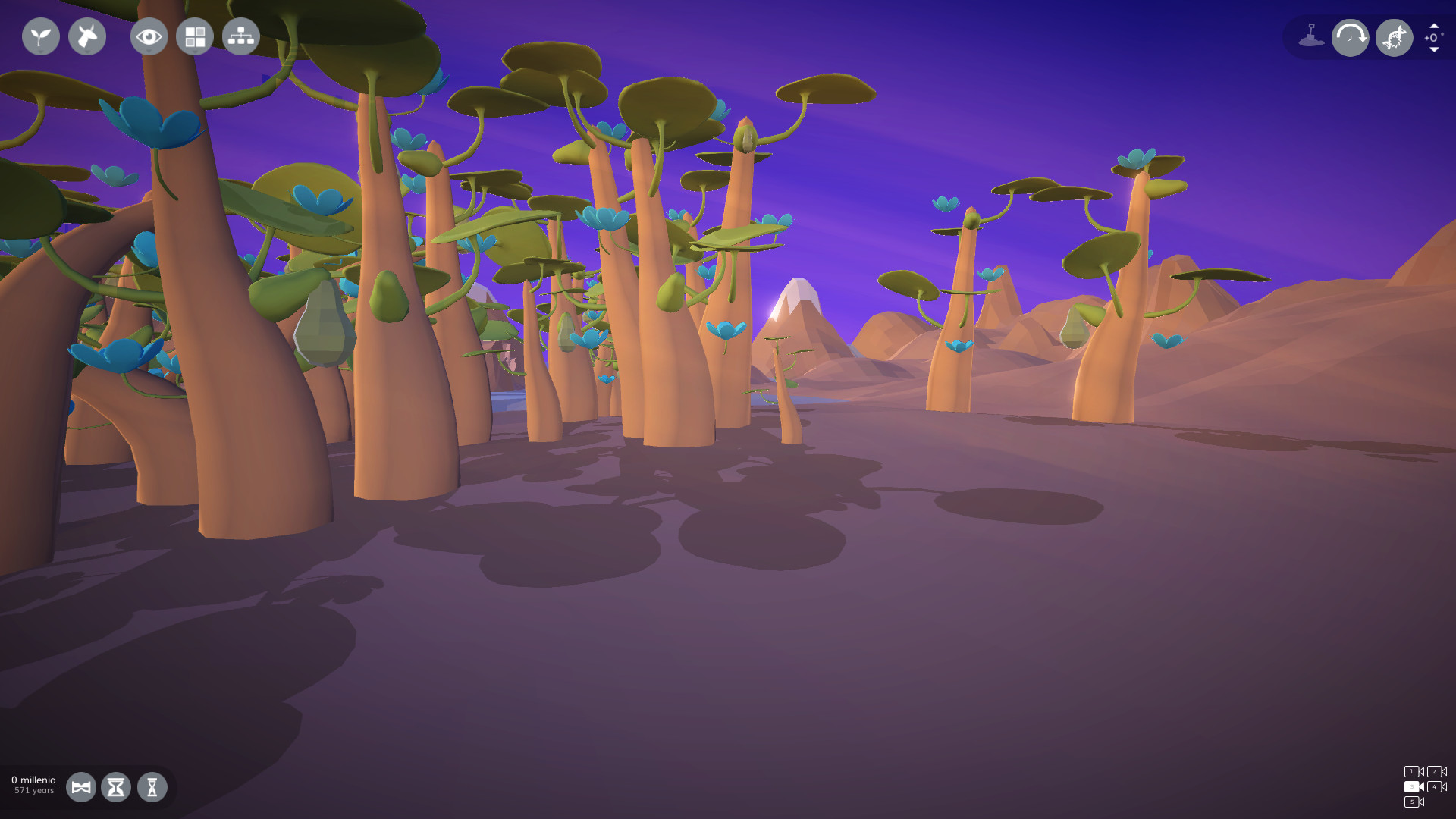
Algae and plants are equally flexible; you may design a small flower that glows in the dark or a forest of giant spiked trees. The tools let you set visual and biological characteristics from scratch.
- Experiment with contrasting traits, such as a night‑active predator paired with a glow‑in‑dark plant.
- Observe how an animal’s diet influences which plants you need to sustain it.
02 / THE GUIDE
Scenario Mode
Scenarios introduce the simulation gradually. Each task asks you to build an ecosystem that meets specific requirements, and only a small number of new concepts appear per scenario, keeping the learning curve gentle.
The step‑by‑step approach lets you learn how species, resources, and environmental factors interact without feeling overwhelmed, as the description notes the simulation never becomes overwhelming.
- Focus on the explicit scenario goals before adding extra species.
- Use the guidance to master a mechanic before expanding your ecosystem.
03 / THE GUIDE
Sandbox Planet Generator
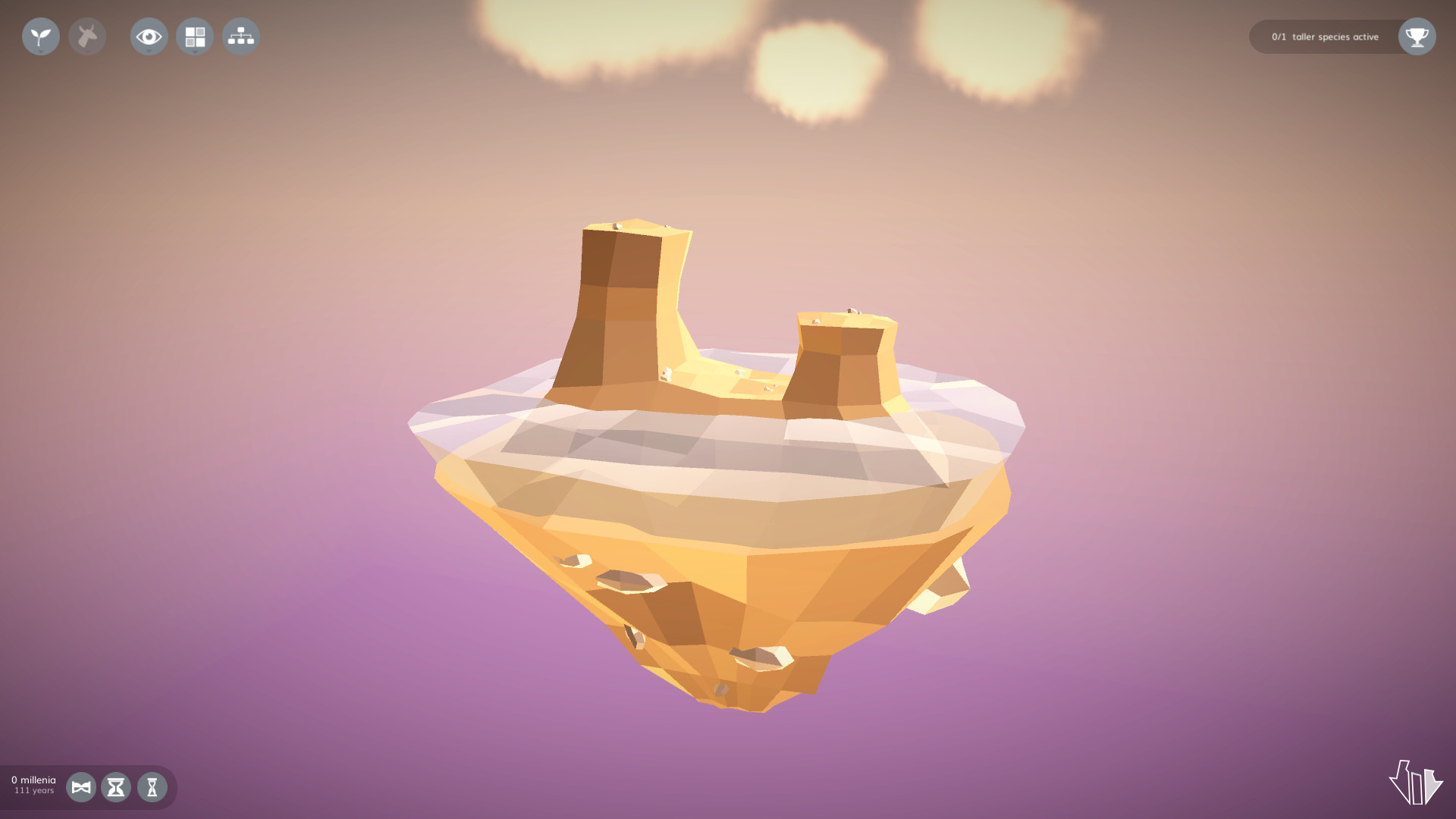
Sandbox mode provides the same design tools as scenarios and adds a procedural planet generator. You can select deserts, underwater worlds, or any custom terrain, and you may define up to eight seasons to affect your ecosystem.
Within sandbox you can change climate parameters at any time; the description notes that the next ice age is only a few clicks away, allowing you to observe how organisms respond to rapid environmental shifts.
- Start with a simple planet type, then layer seasons to test resilience.
- Apply climate changes after establishing a baseline to see clear effects.
04 / THE GUIDE
Seasonal & Climate Controls
In sandbox you can customize up to eight seasons to spice up your ecosystem. Adjusting these settings lets you experiment with different seasonal setups.
Because changes are only a few clicks away, you can watch how plants and animals adapt—or fail—to new conditions, providing a hands‑on lesson in ecological dynamics.
- Introduce a mild seasonal shift first to watch subtle population changes.
- Combine temperature and water tweaks to create niche opportunities.
05 / THE GUIDE
Random Mutations & Evolution
When enabled, random mutations let your organisms evolve to fill open niches. Some species may dominate quickly, while others persist for millennia before being outcompeted.
Evolution can produce entirely new clades, especially when a food source develops a defensive trick, opening space for a different lineage to thrive.
- Record which traits become common after several mutation cycles.
- Temporarily disable mutations to study a stable ecosystem before re‑enabling them.
COMMUNITY
Player discussion