 GameWiki
GET YOUR BEARINGS
About The Indigo Parallel
The Indigo Parallel is a solo‑crafted indie title that blends surreal visuals with a narrative that shifts according to player choices. Inspired by LSD: Dream Emulator’s aesthetics and The Stanley Parable’s experimental storytelling, the game delivers a constantly changing world that feels both strange and exhilarating.
Each playthrough offers non‑linear pathways, hidden features, and simple puzzles woven into the story. The experience is complemented by a striking soundtrack and environmental storytelling, making every session feel fresh while remaining grounded in a single‑player adventure.
01 / THE GUIDE
Procedural Narrative
The game’s story evolves dynamically, altering levels based on the decisions you make. This procedural nature ensures that no two journeys are identical, providing a fresh narrative each time you start. The branching pathways are a core part of the experience, encouraging exploration of cause and effect.
Because the narrative shifts with each choice, players encounter hidden features that may only appear under specific conditions. This design encourages replayability without relying on preset scenarios, making the world feel alive and responsive.
- Observe how early choices affect later environments; subtle changes often hint at larger narrative branches.
- Take note of recurring symbols—they may signal hidden pathways that only appear after certain decisions.
02 / THE GUIDE
Puzzle Integration
Simple yet interesting puzzles are embedded within the story, challenging problem‑solving and strategic thinking. These puzzles are not separate mini‑games but are woven seamlessly into the narrative flow, reinforcing immersion.
The puzzles are woven into the story itself, linking gameplay and narrative rather than standing apart from it. The design encourages players to think critically about how each solution fits into the broader context of the world.
- Approach each puzzle as a narrative clue; the solution may unlock a new story segment.
- Experiment with different approaches—some puzzles respond to unconventional strategies.
03 / THE GUIDE
Visual & Audio Design
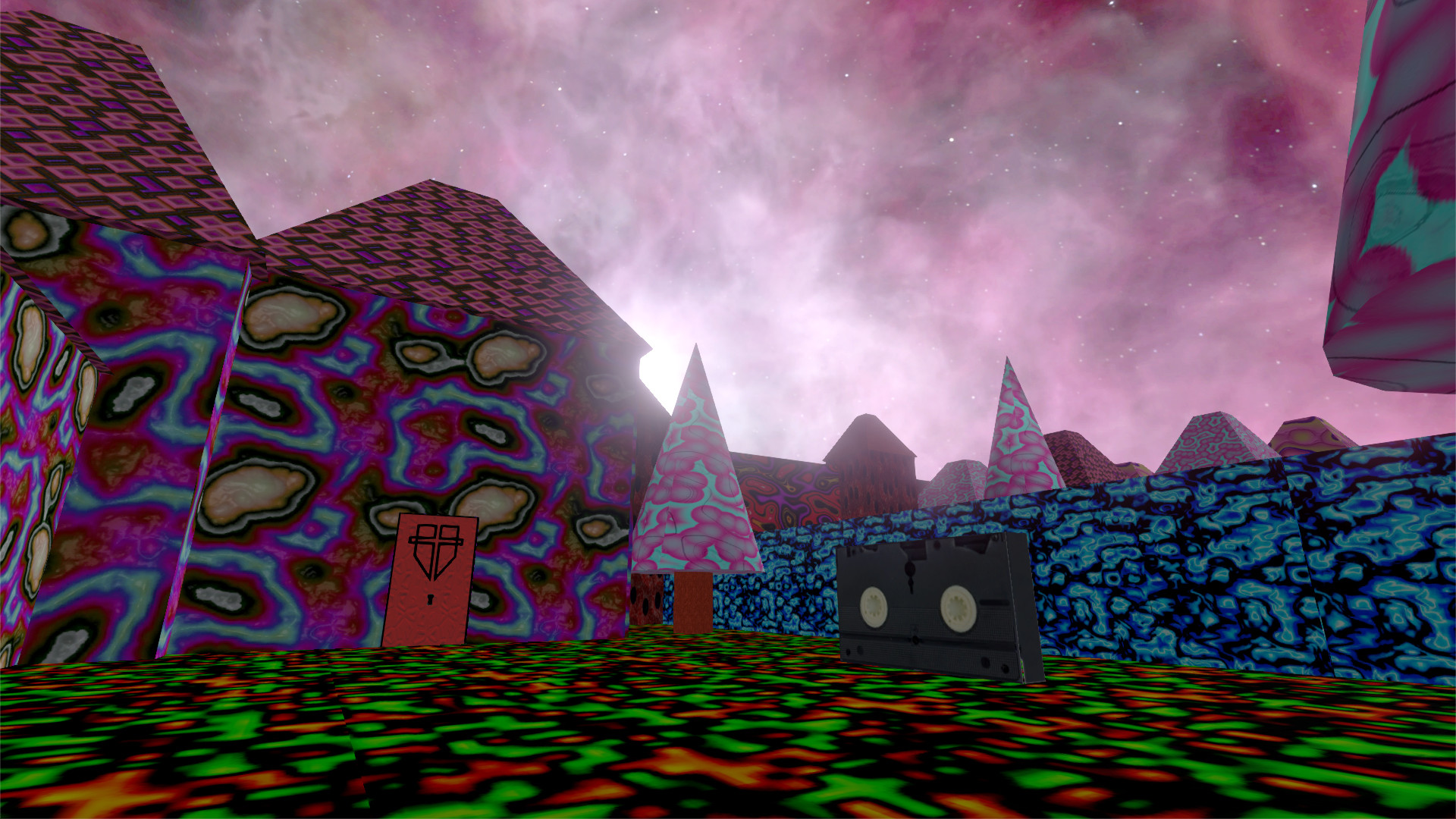
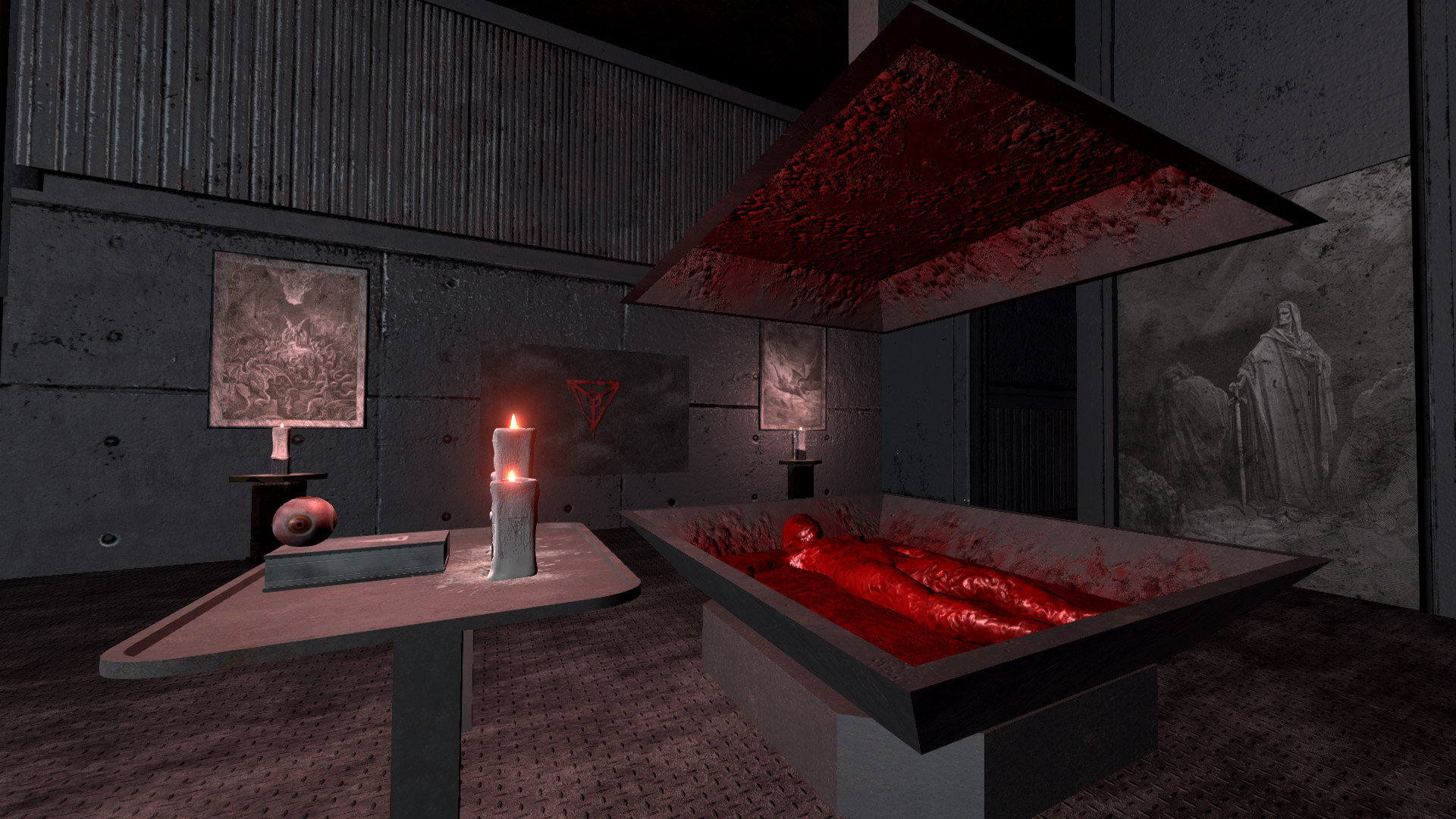
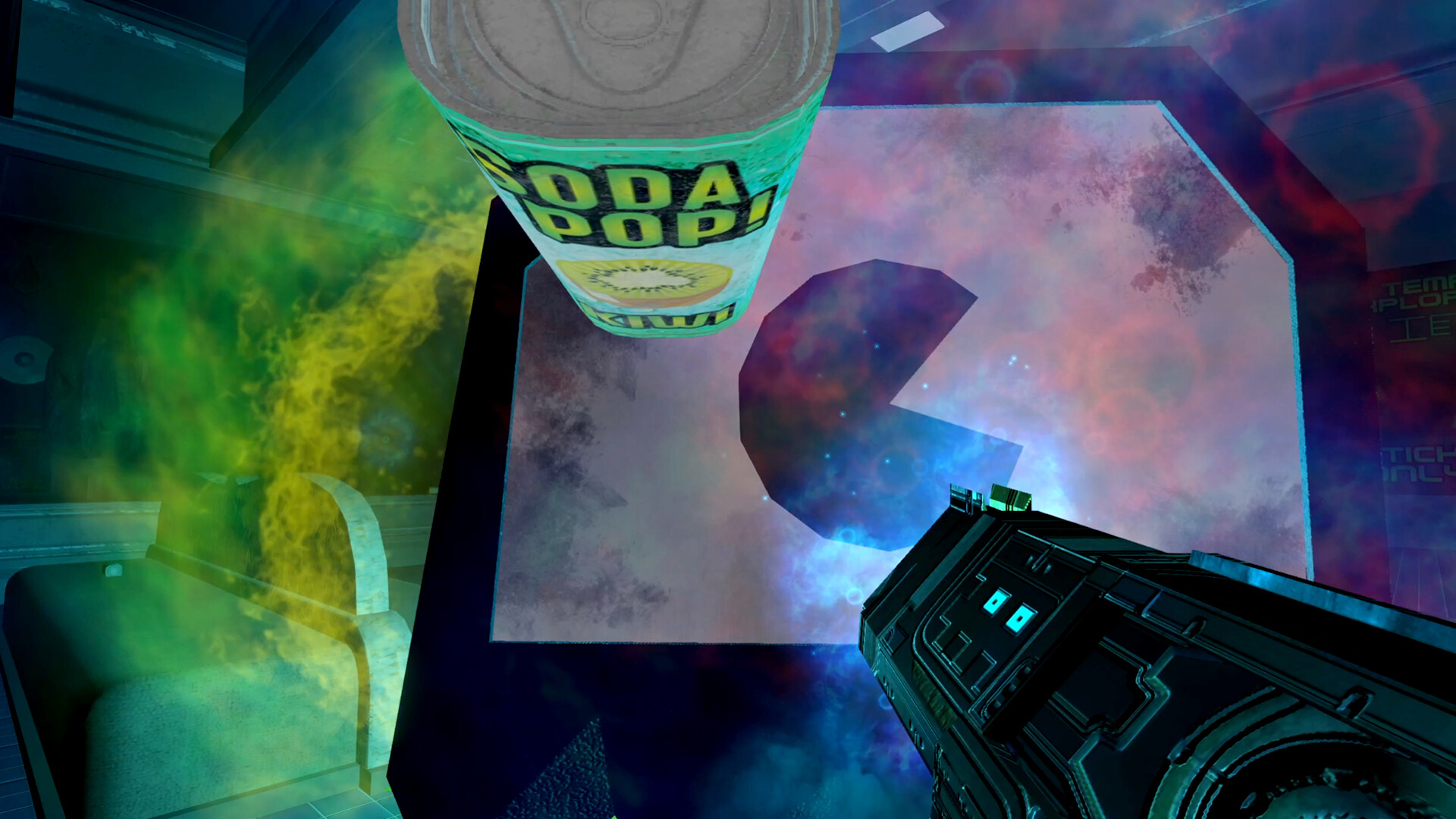
The Indigo Parallel features striking, surreal visuals reminiscent of dream‑like environments. Textures, models, and hieroglyphics were all created by the solo developer, contributing to a cohesive aesthetic.
The soundtrack, composed by J Ryan Halpenny and Decima1, enhances immersion with a stereo soundscape, reinforcing the game’s atmospheric tone.
- Pay attention to visual details; subtle texture changes can indicate narrative shifts.
- Listen to the soundtrack cues—they often align with key story moments.
04 / THE GUIDE
Non‑Linear Branching
Levels are altered by the choices you make, creating branching pathways that diverge from a linear progression. Hidden features are scattered throughout, rewarding exploration and curiosity.
The non‑linear structure means players can experience the game in many orders, each revealing different aspects of the world. This design supports a personal narrative experience rather than a fixed storyline.
- Explore off‑the‑beaten‑path areas; hidden features often lie beyond the main route.
- Document your choices; revisiting earlier decisions can help predict future branches.
05 / THE GUIDE
Accessibility Features
The title includes several comfort options such as Camera Comfort, Color Alternatives, and Custom Volume Controls, allowing players to tailor the experience to their needs. It also supports play without timed input, reducing pressure during puzzles.
Additional features like Stereo Sound, Commentary availability, and Family Sharing broaden accessibility, ensuring a wider audience can enjoy the game without mandatory hardware constraints.
- Adjust Color Alternatives if certain hues cause visual strain.
- Enable Camera Comfort for smoother navigation during complex sections.


COMMUNITY
Player discussion