 GameWiki

GET YOUR BEARINGS
About The friends of Ringo Ishikawa
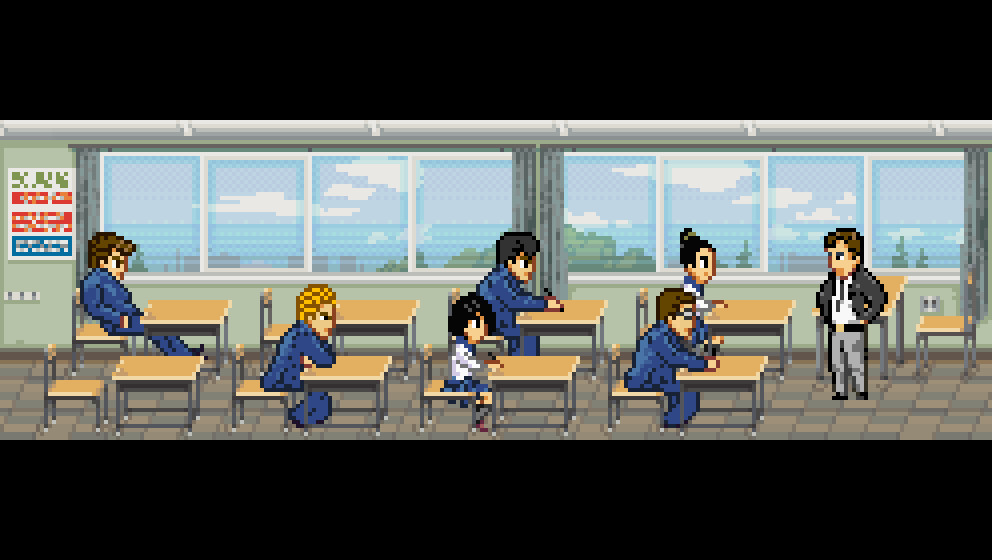
The Friends of Ringo Ishikawa follows high‑school gang leader Ringo Ishikawa as he spends his final autumn before graduation with his closest friends. The description stresses strong dialogue about growing up and an existential tone rather than typical turf wars.
The game presents an open‑world town with a day‑night cycle, NPCs on schedules, beat‑‘em‑up combat, school‑life activities, and a variety of mini‑games. All of these systems are built around delivering the central story.
01 / THE GUIDE
Story and Dialogue
The core narrative centers on Ringo Ishikawa’s last autumn before graduation, described as an existential open‑world beat‑‘em‑up with school‑sim elements. The store text highlights “strong dialogues (especially about growing up)” as a primary attraction.
The description states the game is designed to make the player “feel this story,” indicating that narrative delivery is intended to be the main focus, separate from typical yakuza‑delinquent power struggles.
- Listen for dialogue cues that reveal character motivations.
- Compare the emphasis on growing‑up themes with other story‑driven titles.
02 / THE GUIDE
Combat Mechanics
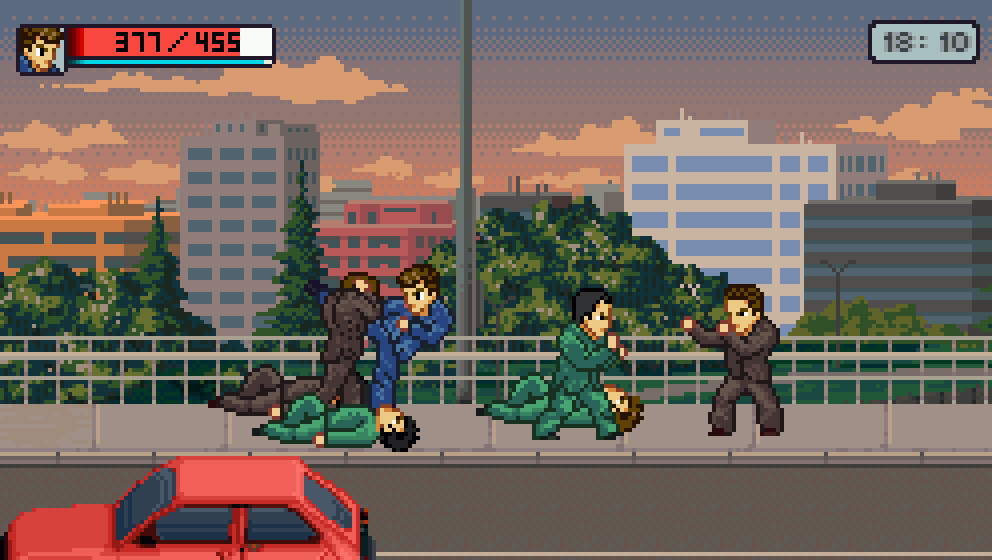
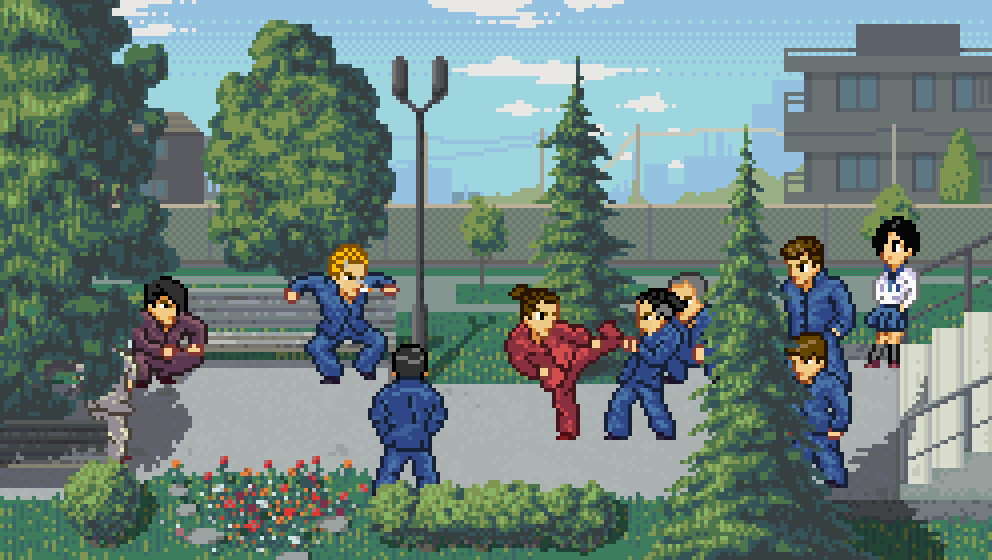
The store description promises a “unique brawl mechanic” that aims to satisfy fight‑game enthusiasts. Combat is presented as a distinct activity that can be “grinded” alongside other systems.
While combat is highlighted, the description does not link it to narrative progression, suggesting it functions as a separate gameplay loop within the open world.
- Test different attack patterns to explore the brawl system’s variety.
- Observe how combat pacing feels compared to other indie beat‑‘em‑ups.
03 / THE GUIDE
Open World and Day‑Night Cycle
The game world is described as a town to explore with a day‑night cycle, and NPCs follow their own schedules. This creates a living environment that reacts to the passage of time.
The description notes that the world contains “a little of everything,” implying that exploration at different times can reveal varied scenes and interactions.
- Visit key locations at sunrise, noon, and night to see schedule changes.
- Notice how lighting and ambience shift between day and night.
04 / THE GUIDE
School Simulation and Mini‑Games
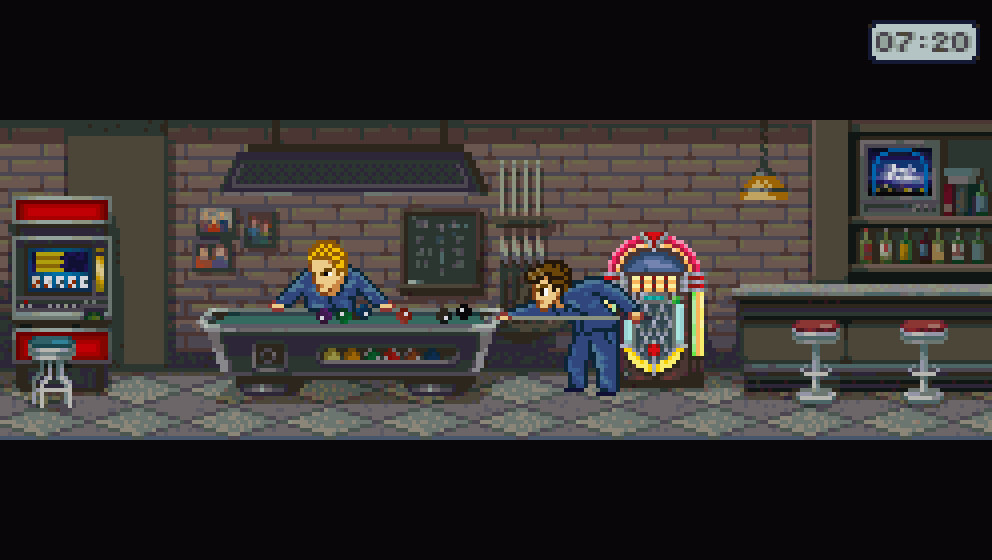
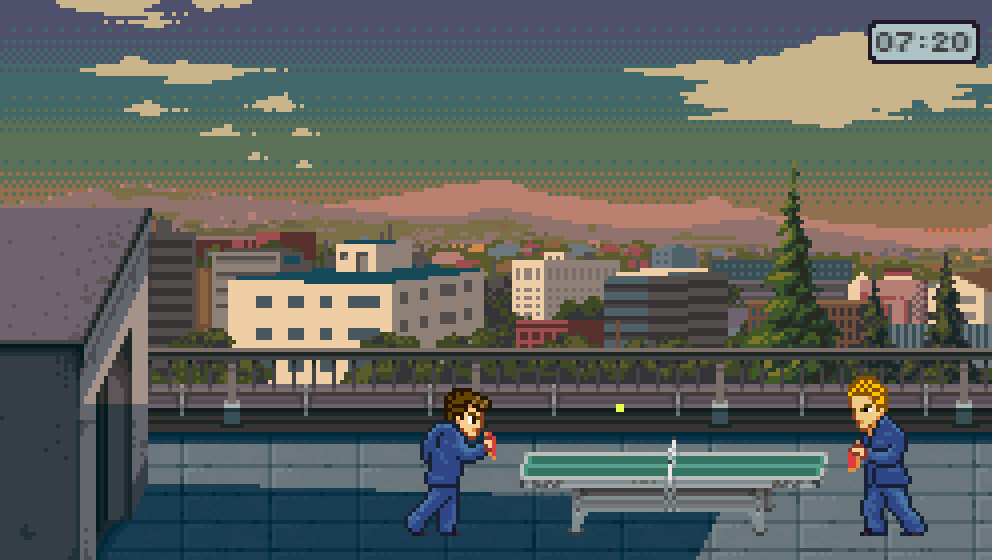
Beyond combat, the store text lists “school grinding” and several mini‑games (ping‑pong, billiard, video‑poker, a video‑game console with one game). These activities provide alternative ways to spend time in the world.
The description frames these elements as complementary to the story, offering low‑stakes diversions that coexist with the main narrative.
- Try each mini‑game to see which aligns best with your play style.
- Balance school tasks with exploration to keep narrative momentum.
05 / THE GUIDE
Multiplayer and Co‑Op Features
The feature list includes Single‑player, Multi‑player, Co‑op, Shared/Split Screen Co‑op, Full controller support, Remote Play Together, and other Steam services. These indicate that the game can be played with others locally or via Steam’s remote tools.
No statement in the store description ties the narrative mode specifically to co‑op play, so the multiplayer options are presented as separate modes that can be used for various activities.
- Use Remote Play Together to invite a friend to join your session.
- Experiment with split‑screen to see how the shared view affects gameplay flow.
COMMUNITY
Player discussion