 GameWiki
GET YOUR BEARINGS
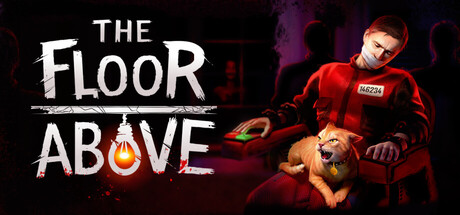
About The Floor Above
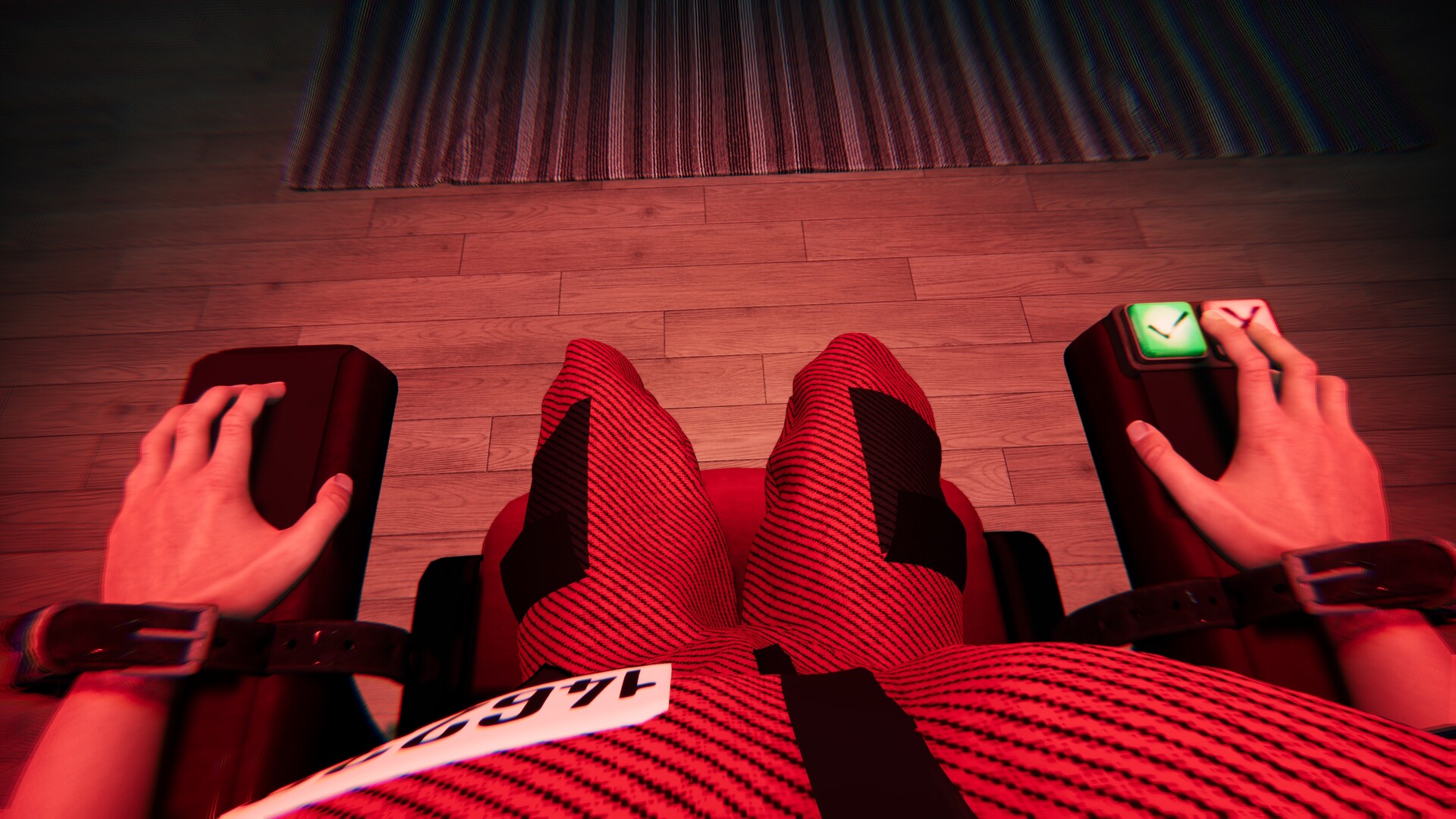
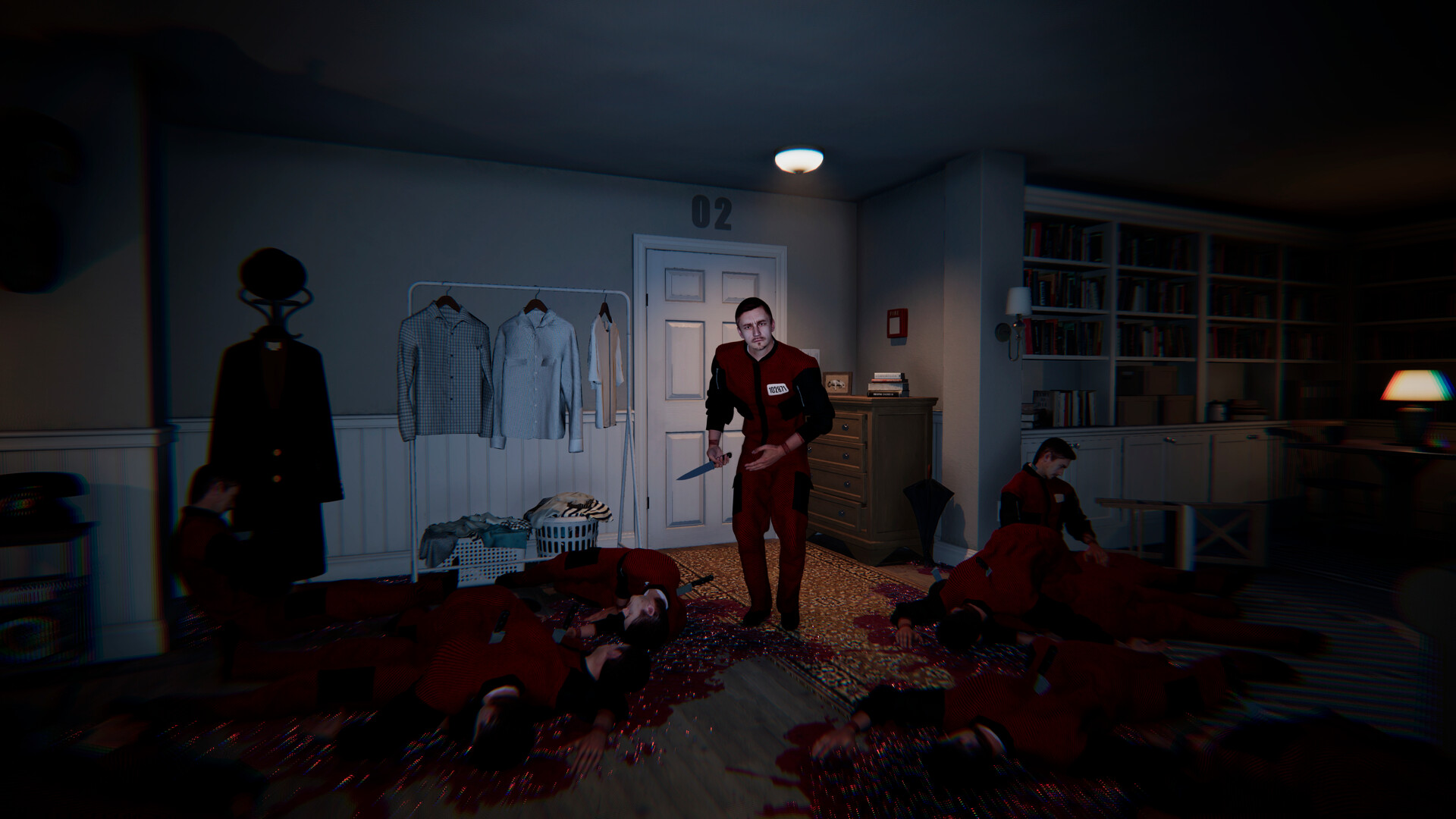
The Floor Above is a single‑player, claustrophobic horror experience where you awaken strapped to a chair in a looping room. Each cycle lifts the setting one floor higher, and you must decide what is real by blinking and pressing red or green buttons.
The game blends simple two‑button controls with layered storytelling, featuring multiple narrators, over a hundred handcrafted anomalies, and a requirement to correctly identify nine rooms in a row to break the loop. Every detail contributes to a deep, evolving lore that becomes harder with each cycle.
01 / THE GUIDE
Gameplay Mechanics
You can only rotate, blink, and choose between two colored prompts. Blinking checks an anomaly; if it vanishes, the room is safe. If it persists, it’s better to move to another floor. The red button signals a lingering anomaly, while the green button confirms normalcy.
Each correct decision advances you toward escape, and the game’s simplicity—two buttons and constant doubt—creates tension. No random elements exist; every detail is intentional, making each choice meaningful.
- Observe the room before blinking; subtle cues often hint at an anomaly’s nature.
- When unsure, consider the narrative voice you hear; different narrators may bias perception.
02 / THE GUIDE
Narrative Structure
Multiple narrators provide differing truths, guiding—or misleading—your interpretation of each floor. The first playthrough reveals only one layer of Mike’s story; subsequent cycles add new hints and doubts, deepening the lore.
Understanding the narrators’ perspectives is essential for piecing together the hidden story, as the loop’s purpose ties directly to their conflicting accounts.
- Take note of each narrator’s tone; consistency may indicate genuine information.
- Compare earlier cycles with later ones to spot added hints.
03 / THE GUIDE
Anomaly System
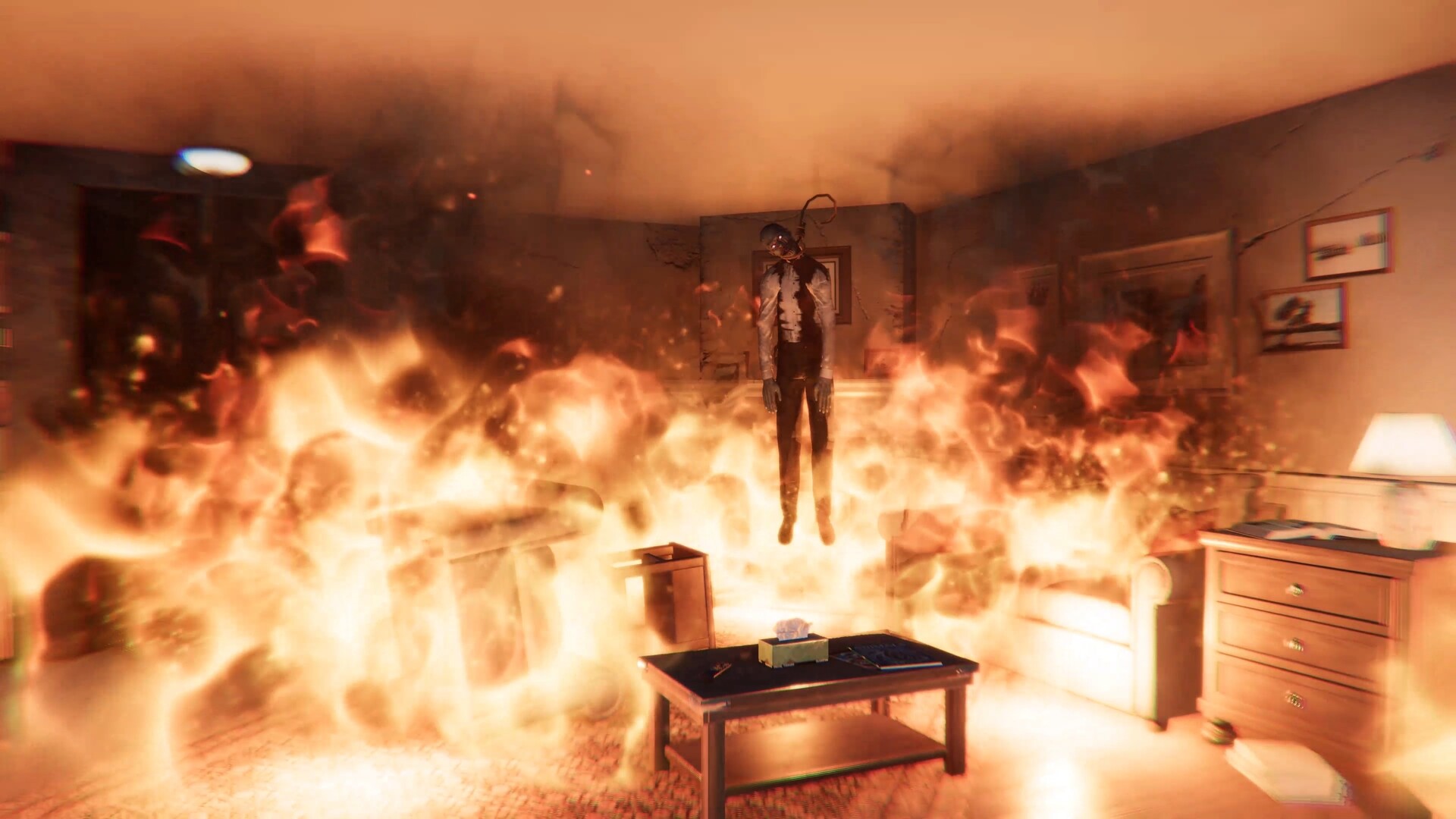
Over 100 handcrafted anomalies appear throughout the floors. Some are real, others are fragments of Mike’s imagination—called “phantom anomalies.” Blinking reveals whether an anomaly disappears (safe) or remains (move on). Correct identification is required for progress.
Anomalies are never random; each is a purposeful element of the story, and their presence or absence directly influences the loop’s resolution.
- Watch for visual inconsistencies; phantom anomalies are hidden, so stay alert for them.
- Remember that every anomaly ties to the story, so consider its thematic relevance.
04 / THE GUIDE
Difficulty Progression
Each cycle raises the floor and introduces harder puzzles, new hints, and fresh doubts. The requirement to identify nine rooms correctly in a row grows more challenging as the game advances.
The increasing difficulty is intentional, ensuring that players must refine observation skills and narrative comprehension to succeed.
- Review previous decisions; patterns often emerge as difficulty rises.
- Stay patient—early cycles serve as practice for later, tougher floors.
05 / THE GUIDE
Audio & Visual Presentation
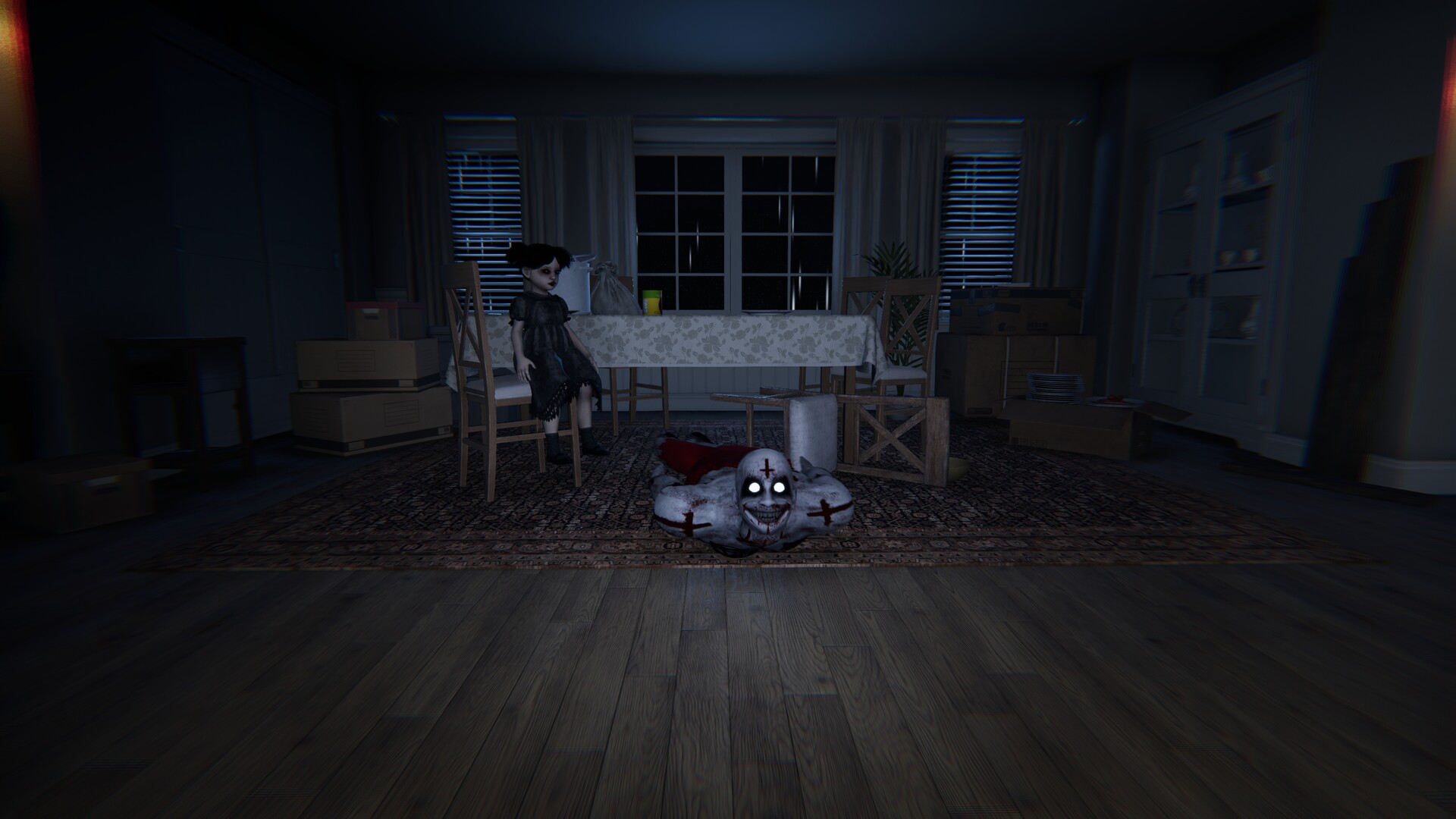
The game delivers strong, well‑timed jumpscares and occasional humor within a single claustrophobic room. Stereo and surround sound enhance immersion, while the visual design emphasizes constant doubt through limited color cues (red/green) and rotating perspectives.
The minimalist visual and auditory cues focus attention on the anomaly‑checking mechanic, reinforcing the horror atmosphere without extraneous distractions.
- Use headphones to catch subtle audio hints that may indicate an anomaly’s nature.
- Stay alert—strong, well-timed jumpscares are part of the experience.

COMMUNITY
Player discussion