 GameWiki

GET YOUR BEARINGS
About The End of History
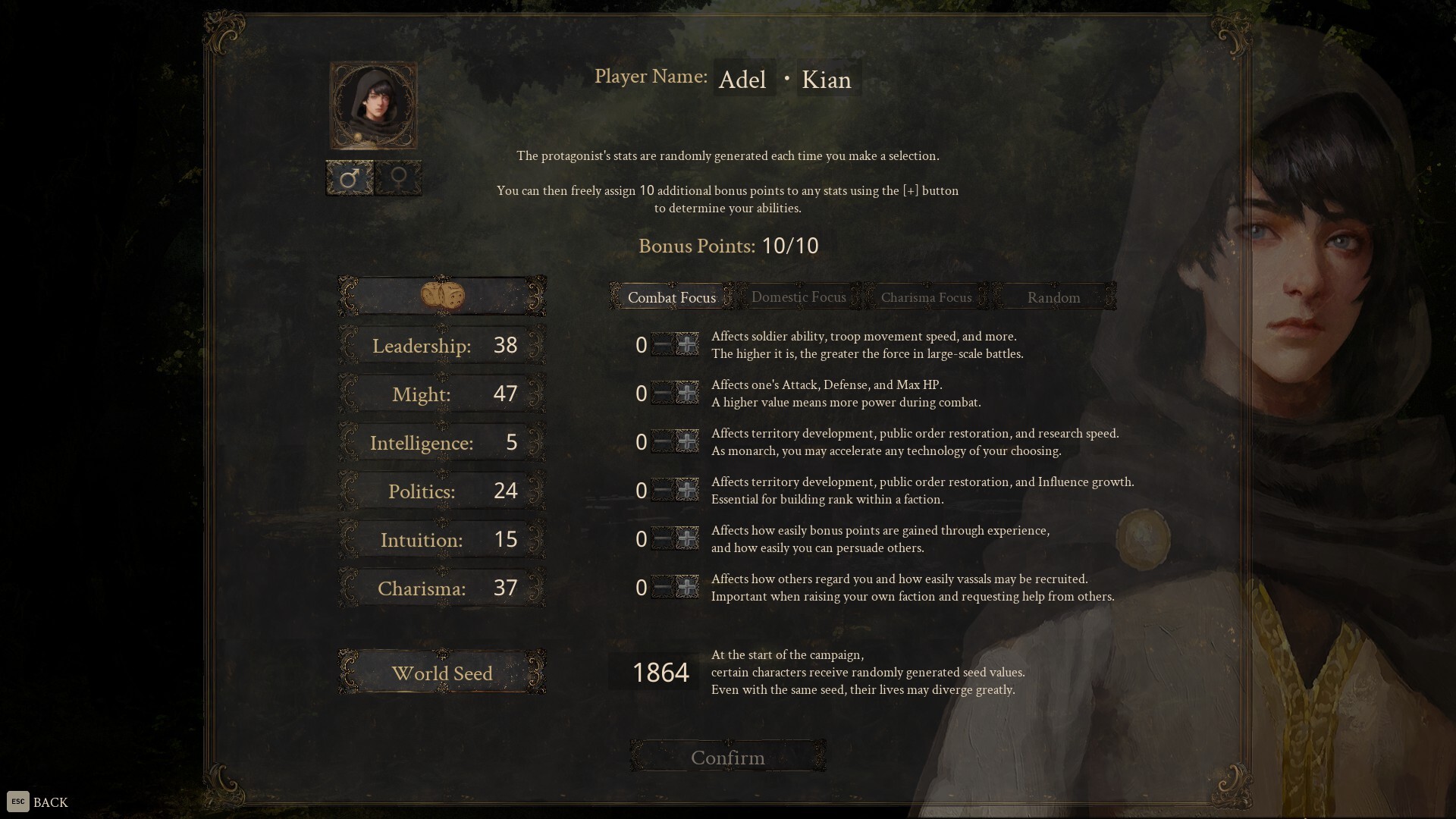
The End of History places you in a world where you begin as a nameless wanderer. Your actions determine whether you serve a kingdom, lead a band of brigands, or stay independent, and each choice opens a path toward greater influence.
All characters, including NPCs, follow similar cycles of service, marriage, and ambition. Your decisions affect wars, economics, diplomacy, and the looming Collapse, while the mysterious Obelisk at the world’s centre holds secrets that may alter the outcome.
01 / THE GUIDE
Career Paths
You can earn renown and enter the service of a kingdom, leading a company or a band of brigands. Rising through the ranks grants you command of larger forces and the ability to issue orders to vassals.
Alternatively, you may devote yourself to another’s cause, court allies, marry, and build a bloodline that continues your influence beyond a single lifetime.
- Consider early marriage to secure heirs who can inherit future fiefs.
- Weigh the benefits of serving a kingdom against the freedom of leading independent forces.
02 / THE GUIDE
War and Economy
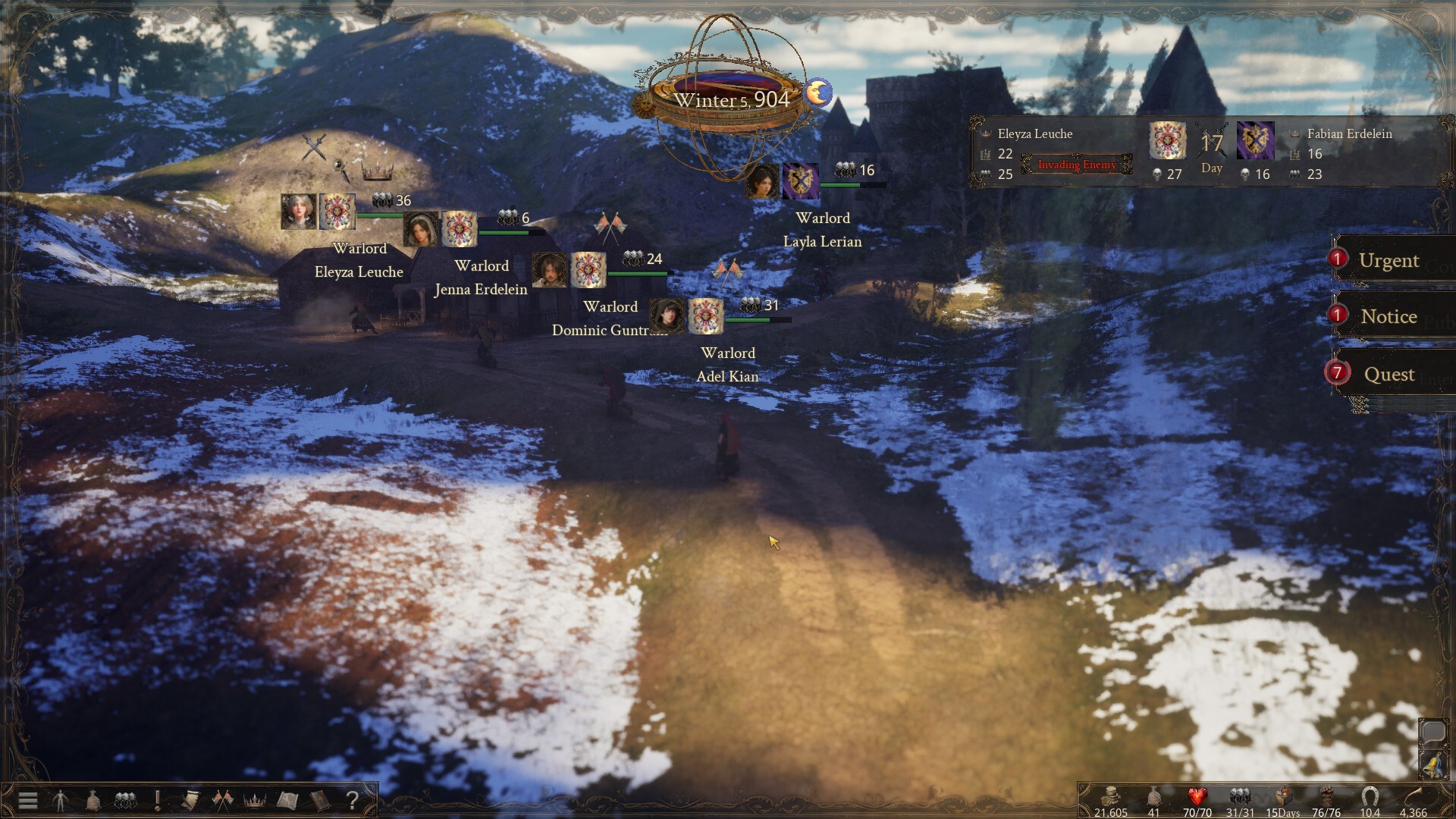
Armies need both soldiers and porters; prolonged conflict drains granaries and can devastate lands. Recovery requires repairing walls, restoring order, and investing in farms and trade.
Running short on supplies and manpower invites rival kingdoms to overrun you, so managing logistics is essential for sustaining long campaigns.
- Maintain a surplus of food before launching extended wars.
- Repair damaged infrastructure promptly after battles to prevent further loss.
03 / THE GUIDE
Diplomacy and Rumors
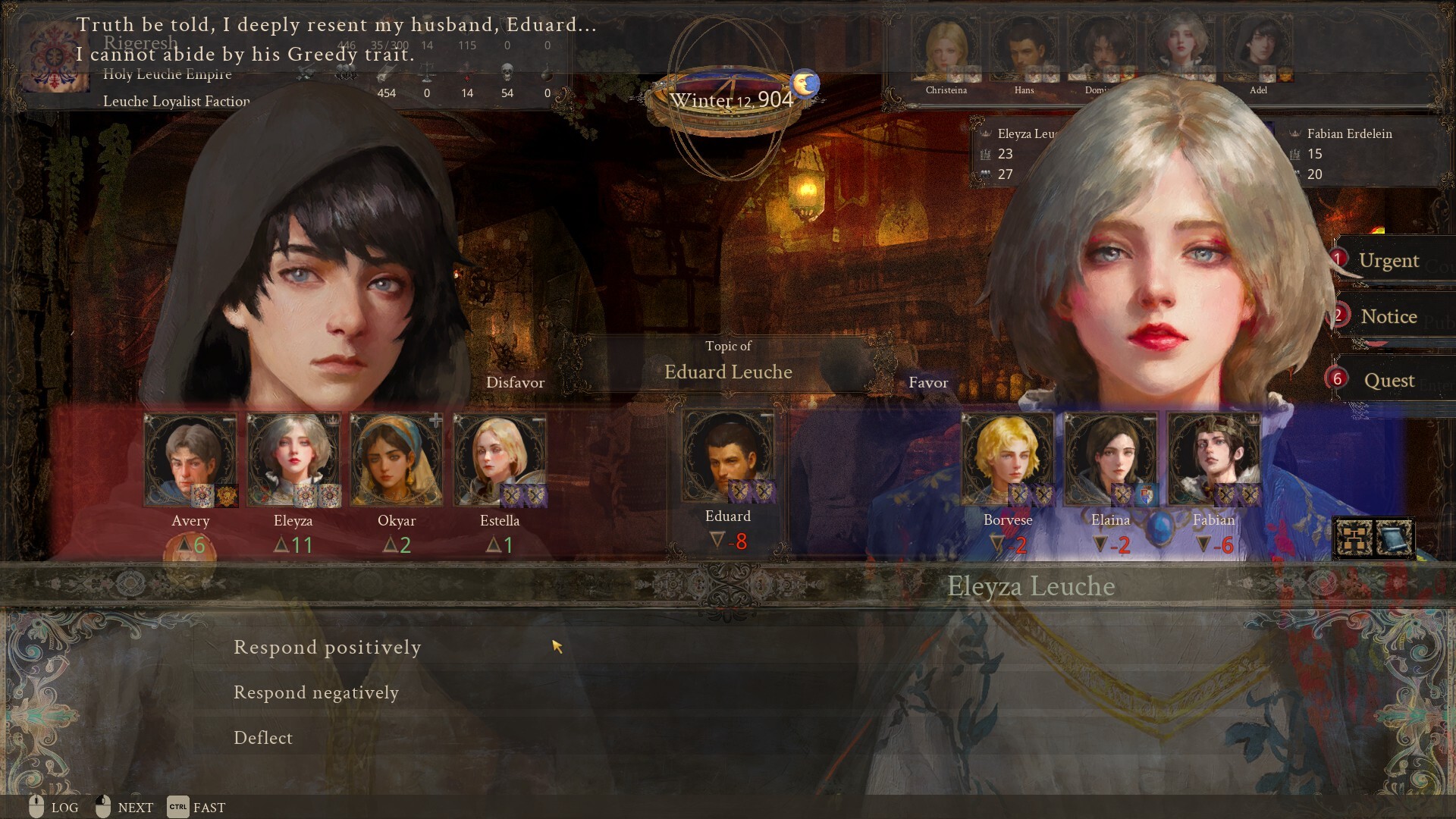
Every rumor travels through conversation; you can start or suppress them. Praising an ally strengthens your faction, while whispering about a rival can split his realm.
NPCs spread information similarly, allowing you to broker peace before wars erupt or to destabilise hostile kingdoms through targeted rumors.
- Use praise to reinforce relationships with valuable allies.
- Deploy rumors strategically to weaken rivals before committing troops.
04 / THE GUIDE
Legacy and Vassals
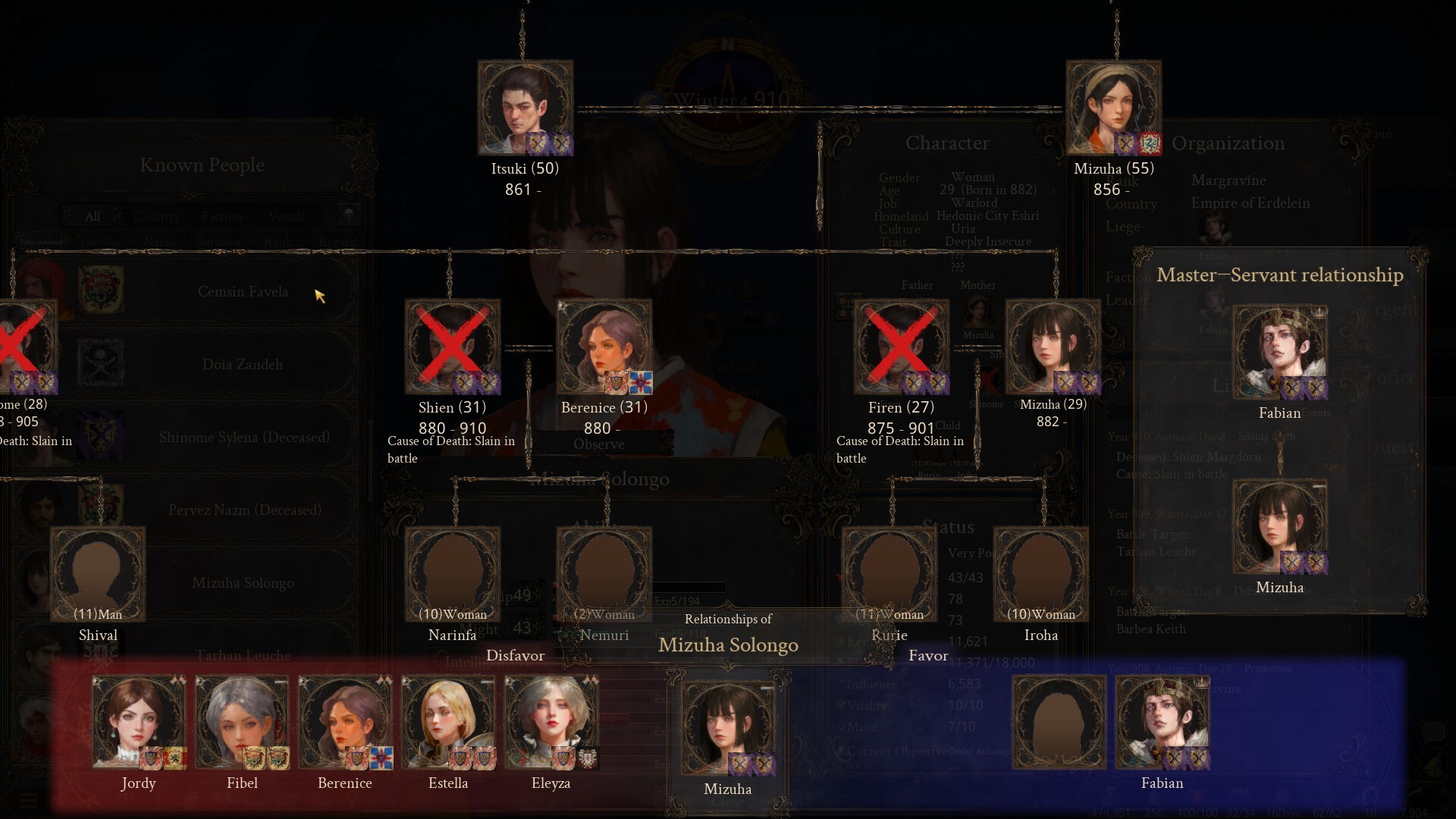
Gaining vassals lets you delegate orders, collect taxes, and develop farms, trade, or institutions within fiefs. Your actions are remembered; killing an NPC creates a vendetta that can span generations.
Families and close friends recall who killed their kin, turning personal grudges into broader conflicts that may affect future campaigns.
- Think long‑term before executing prisoners; revenge can echo forward.
- Cultivate loyal vassals to ensure smoother succession and stable tax income.
05 / THE GUIDE
Obelisk and the Collapse
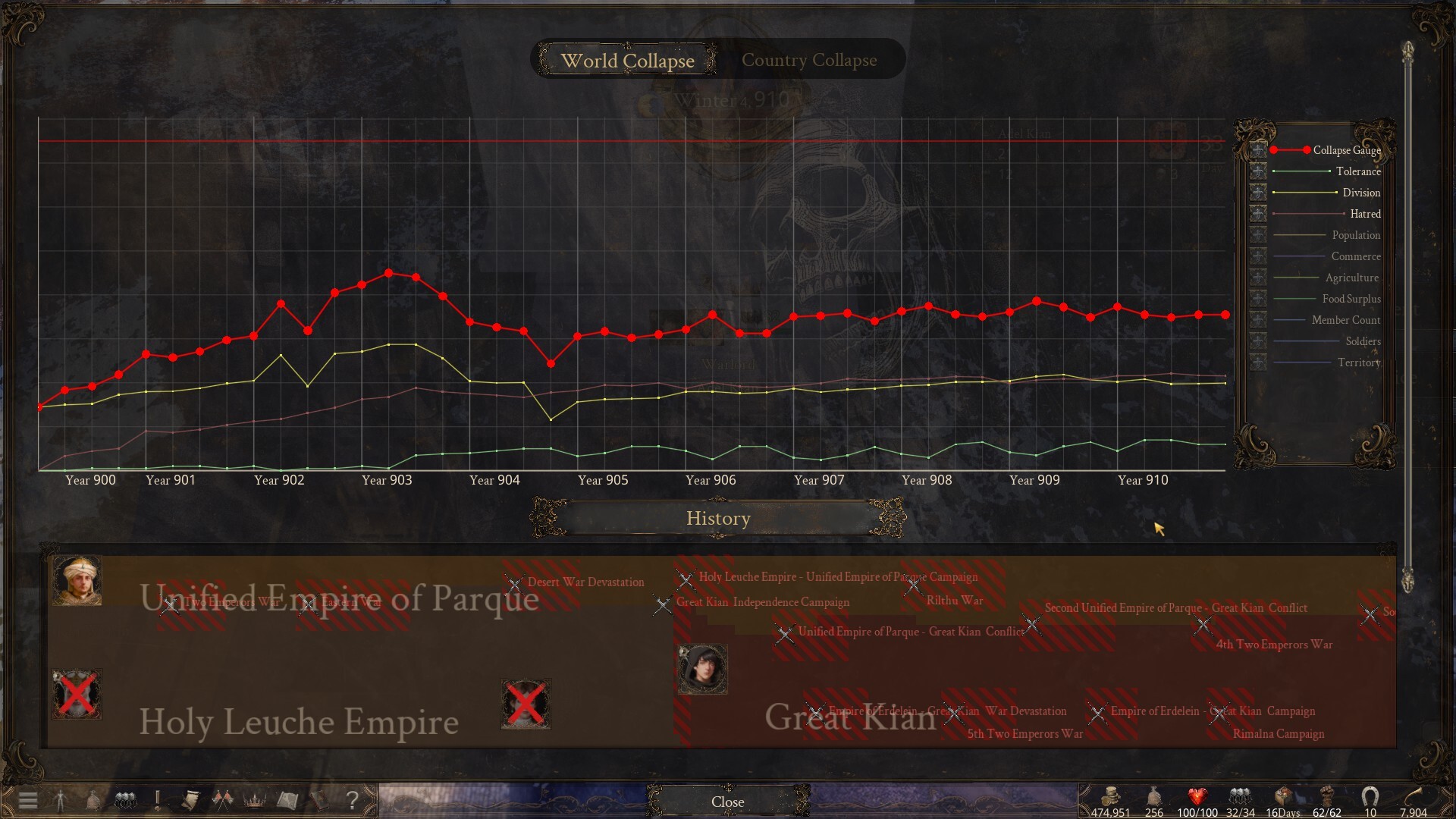
At the world’s centre stands the Obelisk, a vast structure said to hold limitless knowledge. Your choices—war, diplomacy, development—accelerate or slow the world’s Collapse.
A realm with full granaries, safe roads, libraries, and parliaments grows tolerant, and tolerance slows the Collapse, while endless wars and vendettas hasten it.
- Invest in libraries and institutions to promote tolerance.
- Avoid unnecessary wars that could speed up the Collapse.
COMMUNITY
Player discussion