 GameWiki

GET YOUR BEARINGS
About The Doors of Trithius
The Doors of Trithius mixes roguelike difficulty with an open‑world RPG scope. Each playthrough generates a fresh map of towns, dungeons and wilderness, requiring players to explore, forage, and manage weariness while confronting varied enemies and shifting faction borders.
Combat uses a tick‑based turn system where movement, weapon speed and action speed decide order, and over 200 abilities plus 12 weapon skill types support many tactical approaches. Crafting, non‑combat skills and a dynamic quest network add depth beyond the core storyline.
01 / THE GUIDE
Procedural World Generation
Every adventure creates a new arrangement of towns, dungeons and the world map, guaranteeing that no two runs share the same layout. Explored tiles remain visible, so discoveries persist as you travel across the map.
Because the world is rebuilt each playthrough, players must continually adapt to unfamiliar geography, resource locations and settlement designs, reinforcing the game’s emphasis on strategic planning and flexibility.
- Mark recurring landmark patterns to speed navigation in future runs.
- Compare the shape of newly generated towns with previous ones to locate useful resources.
02 / THE GUIDE
Warring Factions
Factions battle for territory, and these conflicts alter a region’s prosperity. Changes in prosperity affect the goods available and the quests offered in the settlements of that region.
Joining battles lets you influence outcomes, which can turn a once‑prosperous town into a scarce‑resource hub or vice versa, encouraging players to monitor faction movements and adjust travel routes.
- Observe which faction controls a region before accepting quests there.
- Watch prosperity shifts to anticipate new trading opportunities.
03 / THE GUIDE
Tick‑Based Turn Combat
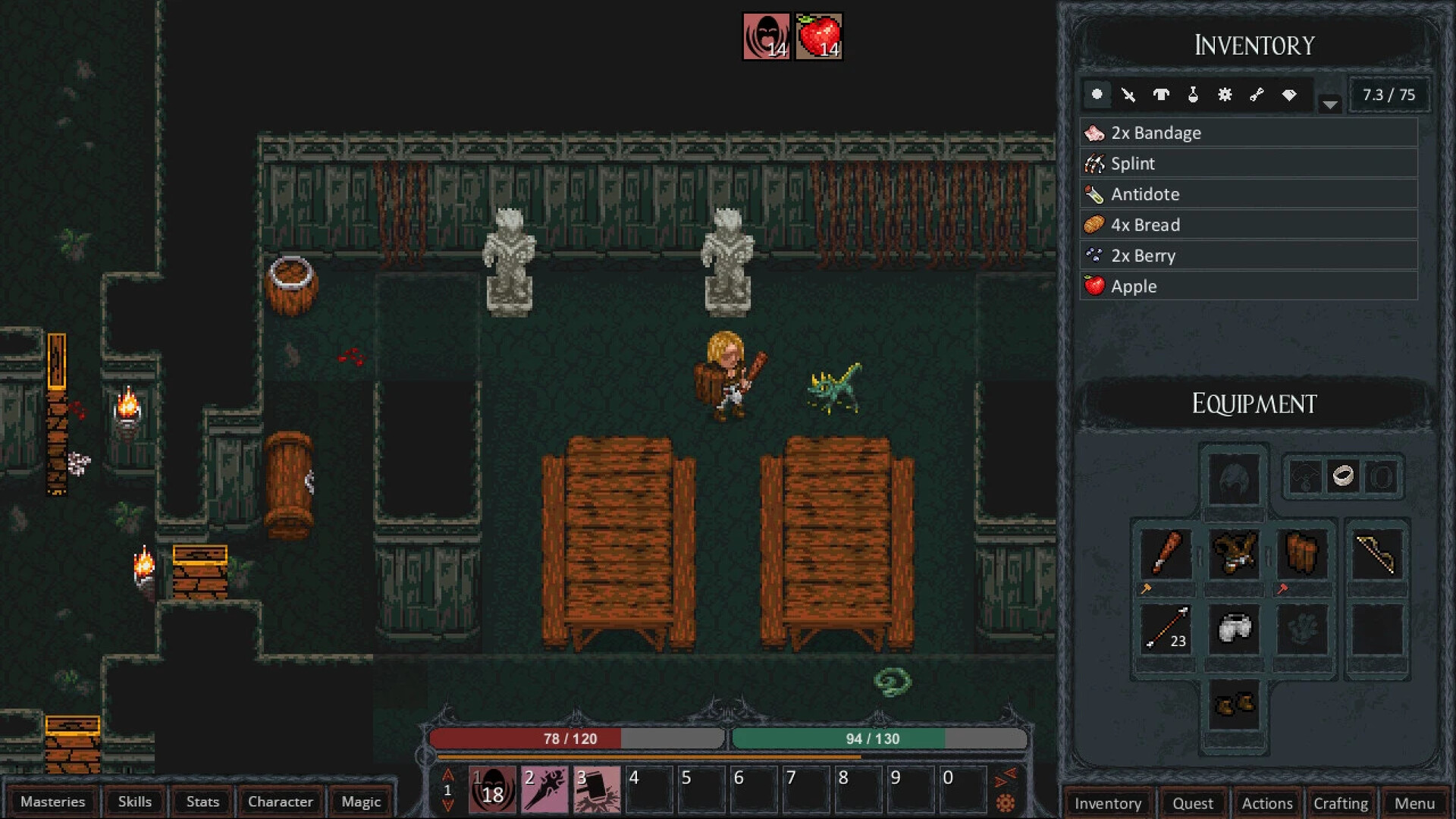
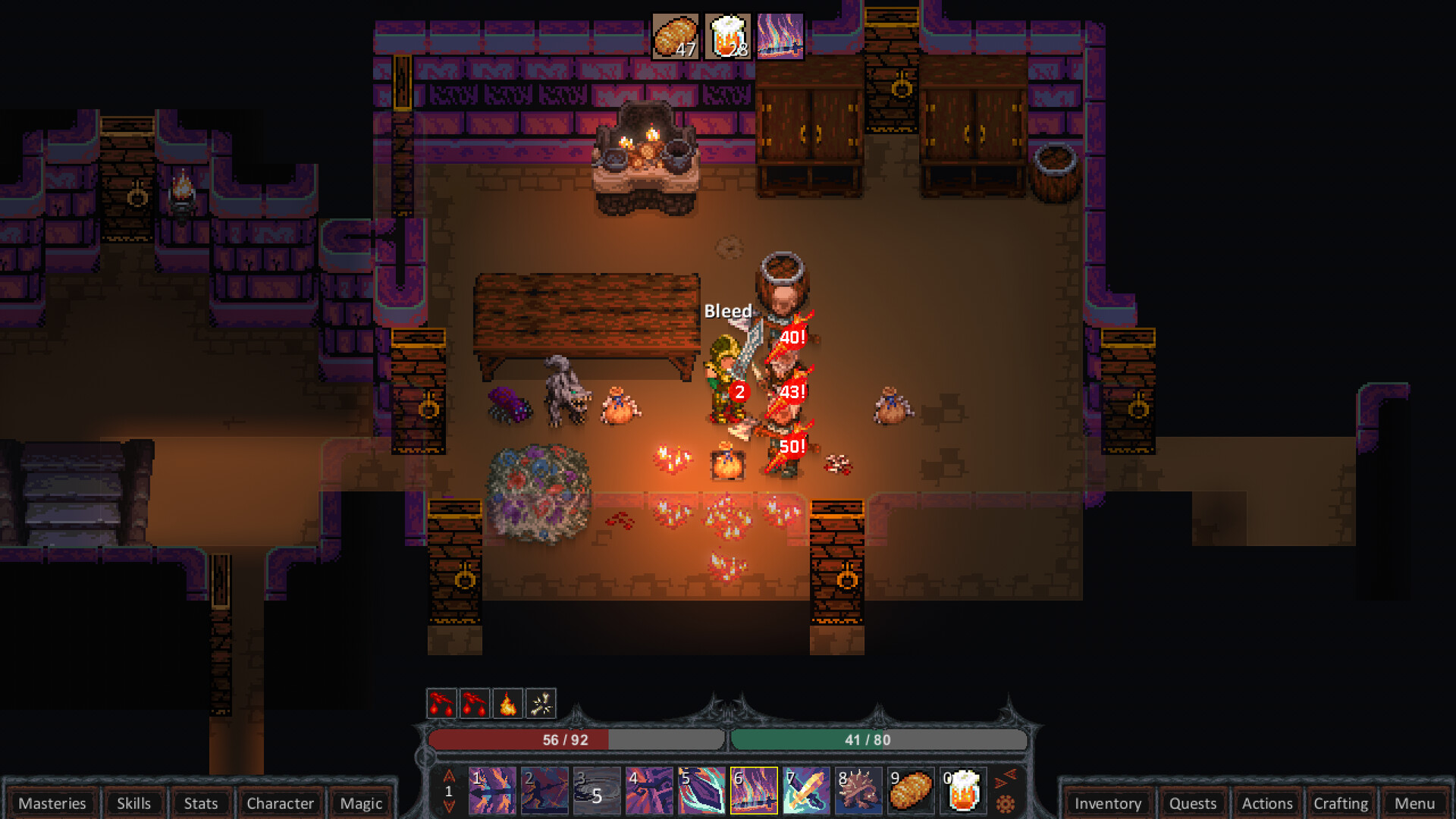
Combat runs on a tick system where turn priority depends on movement, weapon speed and action speed. This design rewards careful timing and positioning rather than rapid button presses.
Over 200 combat abilities and 12 weapon skill types let players experiment with distinct playstyles, offering varied tactical options.
- Test slower weapons against faster foes to see how tick priority shifts.
- Combine abilities that boost action speed with high‑damage skills for balanced turns.
04 / THE GUIDE
Non‑Combat Skills & Crafting
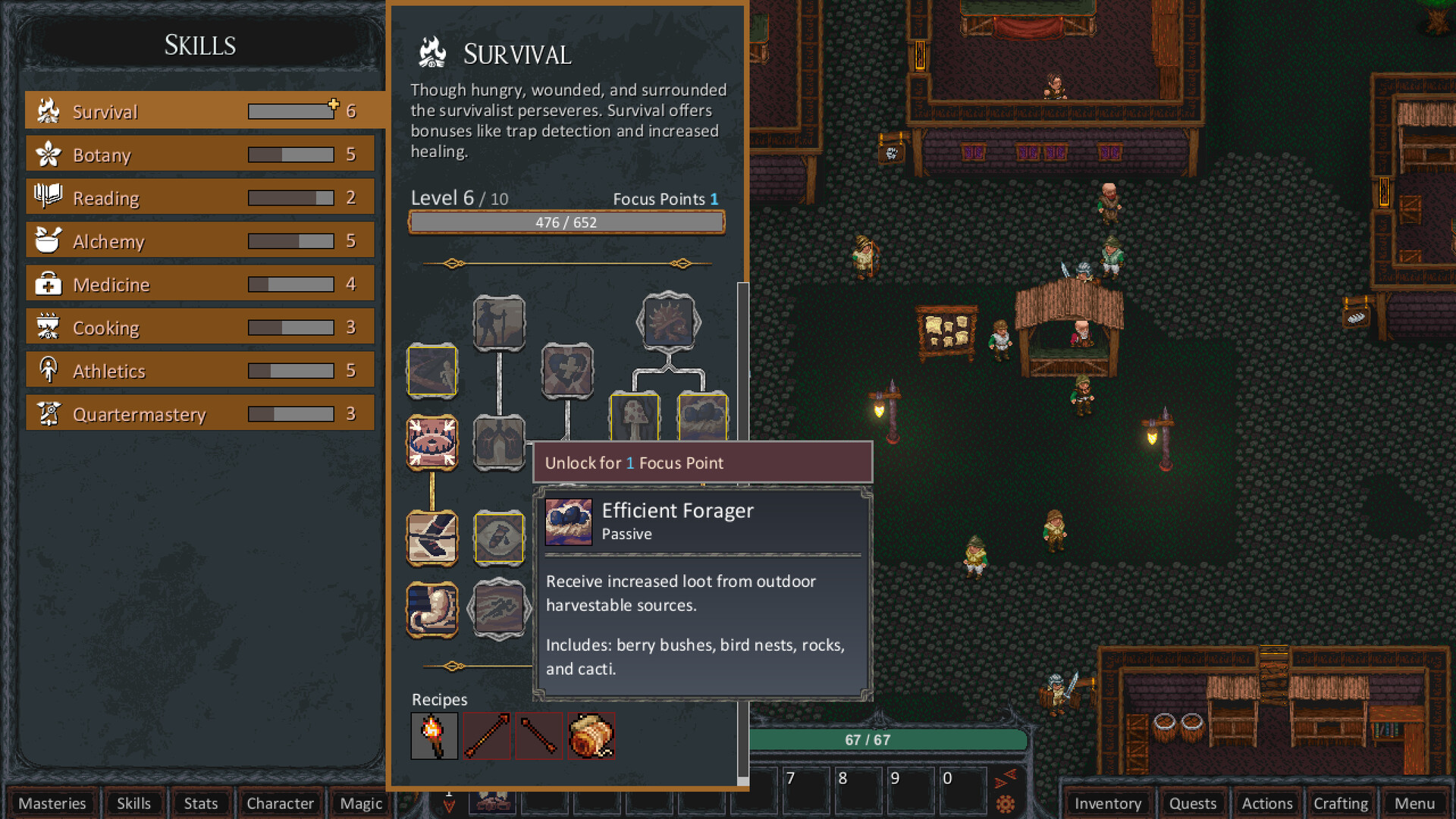
Fourteen non‑combat skills such as Medicine, Alchemy and Quartermastery improve through use and point allocation, unlocking abilities and passive effects that shape your character’s capabilities.
Crafting lets you produce food, potions and medicine, and upgrade armor using salvaged materials; recipe scrolls can be found or purchased to expand your crafting repertoire.
- Track skill usage to notice when new abilities become available.
- Pair alchemy with foraged ingredients when brewing consumables.
05 / THE GUIDE
Loot, Quests & Dynamic Content
Hundreds of items—including potions, armor, recipes and lore books—populate the world, with rare enchantments and a player‑driven enchantment system offering valuable rewards.
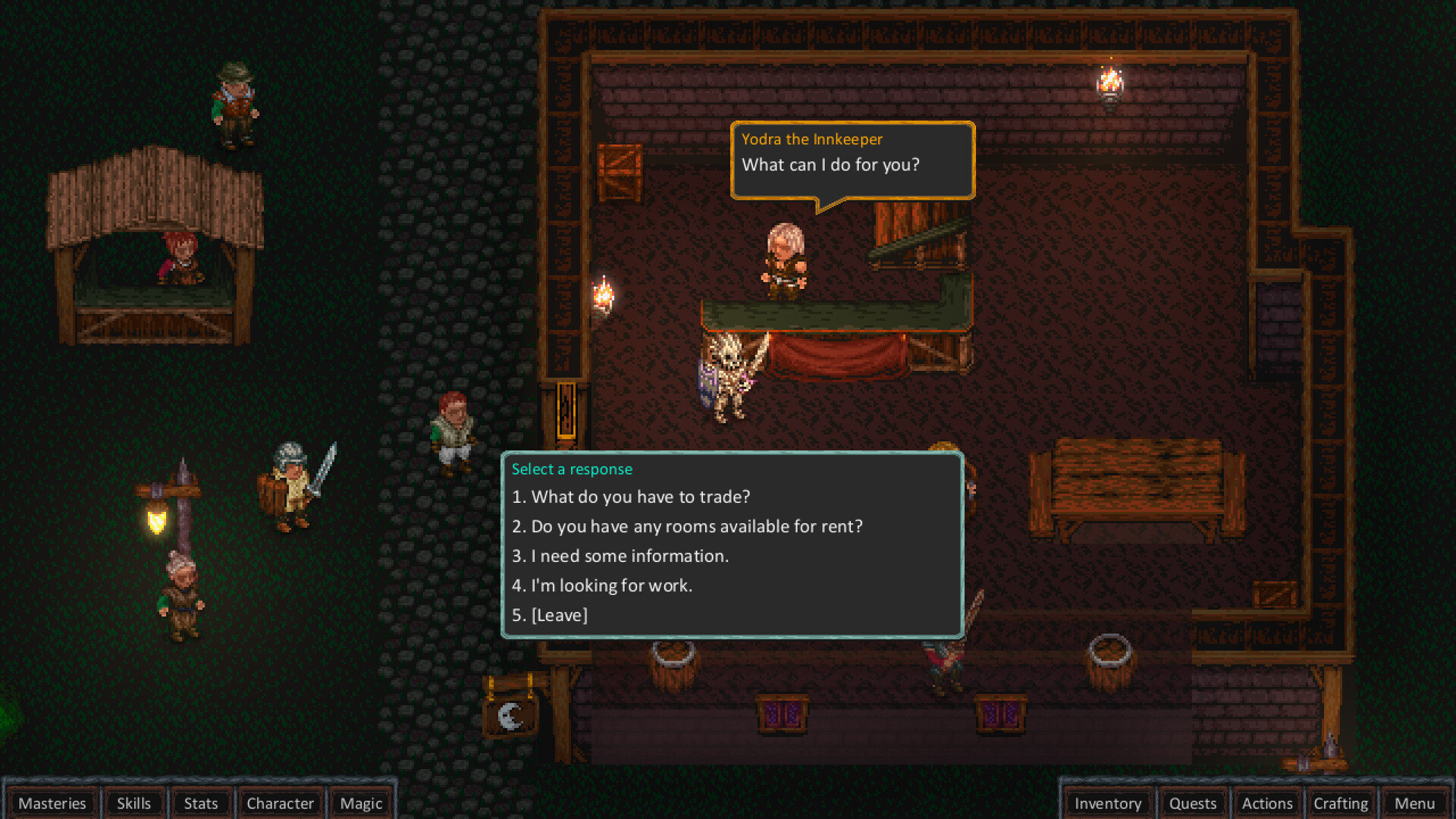
Quests increase reputation with locals and unlock exclusive benefits; towns also generate dynamic quests based on NPC roles, adding a layer of procedural narrative to hand‑designed missions.
- Prioritize quests that boost reputation in regions you plan to frequent.
- Seek out lore books to uncover background details that may guide loot hunting.

COMMUNITY
Player discussion