 GameWiki

GET YOUR BEARINGS
About The Captain
You play as Captain Thomas Welmu, a Spacefleet science officer stranded far from Earth while dark forces threaten the planet. The game tasks you with racing back across the galaxy, balancing time, resources, and moral choices. The experience blends exploration, combat, ship management, and relationship dynamics, letting you decide who lives, which civilizations survive, and how you confront the looming threat. Every decision shapes the story and the ultimate outcome.
01 / THE GUIDE
Narrative Premise
The Captain positions you as a science officer lost on the far side of the galaxy, carrying the only thing capable of stopping an enemy force aimed at Earth. This premise establishes a race‑against‑time structure that drives all gameplay. The story repeatedly asks you to choose between saving or sacrificing characters, civilizations, and resources, emphasizing that "the decisions are all up to you" and that you cannot save everyone.
These narrative hooks create tension between personal goals and larger stakes, encouraging players to weigh short‑term gains against long‑term consequences. The description explicitly mentions plotting routes, investigating distress signals, and raising funds, all framed as player‑driven choices.
- Consider how each route or side quest might affect the time pressure described in the premise.
- Track which characters you meet early, as later choices may reference them.
02 / THE GUIDE
Decision Making
The game presents multiple branching options: taking a wormhole detour, investigating distress signals, or spending money to upgrade the engine. Each choice is framed as a trade‑off between speed, resources, and moral impact. The description highlights dilemmas such as sacrificing a friend for the greater good or ratting out an undercover cop to reach home faster, underscoring the weight of social and strategic decisions.
Because the narrative stresses that you "won't be able to save everyone," players must prioritize which missions align with their preferred outcome. The game does not prescribe a single optimal path, allowing varied playthroughs based on personal values.
- Write down the potential benefits and costs of each major decision before committing.
- Observe how earlier choices influence later narrative branches.
03 / THE GUIDE
Space Battles
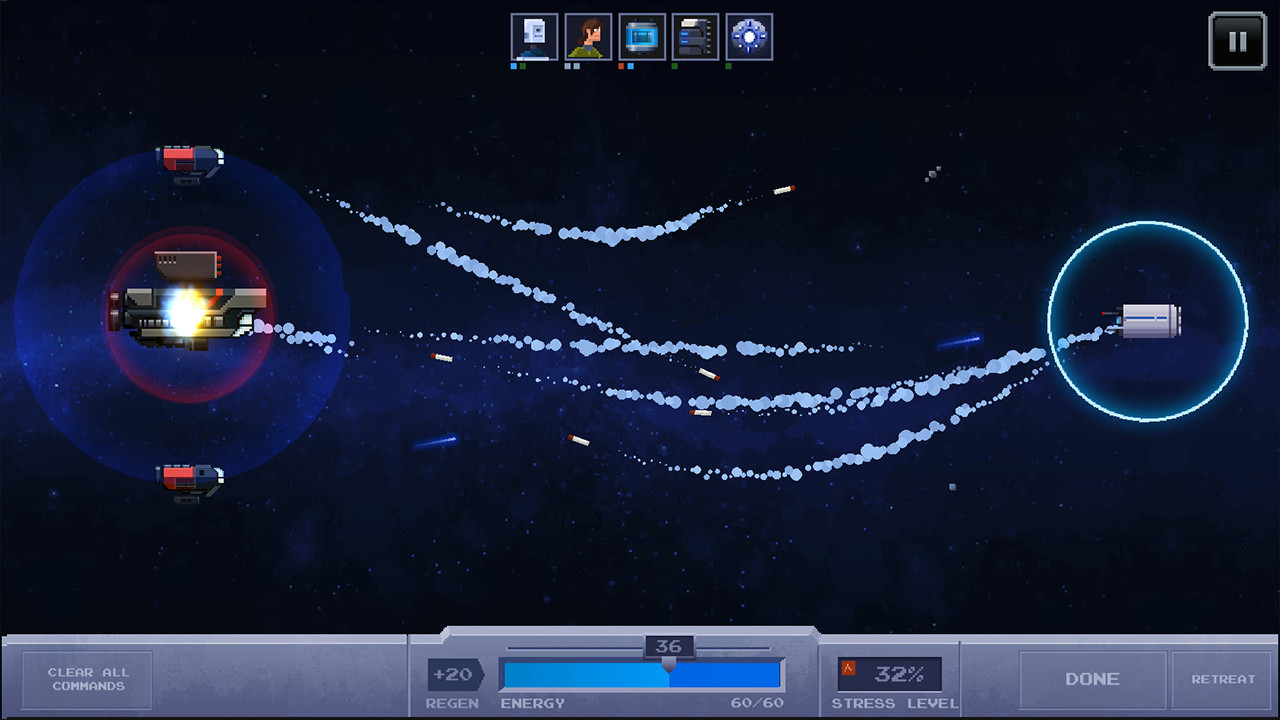
Combat is described as "epic space battles" where you may use weapons like Type 2 Vacuum Rockets or a Plasma Gun, or you can attempt to avoid conflict entirely. This indicates that battles are optional and can be approached aggressively or stealthily. The text also mentions using "freshly polished" weapons, suggesting that weapon choice and condition may affect combat outcomes, though specifics are not detailed.
Players can decide whether to engage enemies directly, rely on firepower, or slip by unnoticed, reflecting the game's emphasis on player agency in combat scenarios.
- Test both aggressive and evasive approaches to see which fits your playstyle.
- Take note of enemy types encountered to gauge weapon effectiveness.
04 / THE GUIDE
Ship Repair & Upgrade
Your ship can be repaired either by doing it yourself cheaply or by paying professionals, as stated in the description. This presents a financial decision that impacts ship condition. Upgrades such as a new Shield Buster or nuclear warheads are also mentioned, indicating that players can purchase or install new equipment to enhance performance.
The presence of both repair and upgrade options means you must balance immediate survivability against long‑term power gains, all within the game's resource constraints.
- Compare the cost of DIY repairs versus professional services before spending.
- Prioritize upgrades that align with your chosen combat style.
05 / THE GUIDE
Social Interactions
The game encourages forming alliances or creating enemies, with scenarios like ratting out an undercover cop or keeping a truth hidden to retain a friend. These interactions affect narrative outcomes and may open or close future options. Social engineering is highlighted as a tool for accessing vaults, executing heists, or escaping a maximum‑security prison, suggesting that dialogue choices can have strategic consequences.
Because the description mentions “collect new friends or make new enemies,” players should expect that relationships will influence both story and gameplay opportunities.