 GameWiki

GET YOUR BEARINGS
About Tape 101: Liminal Descent
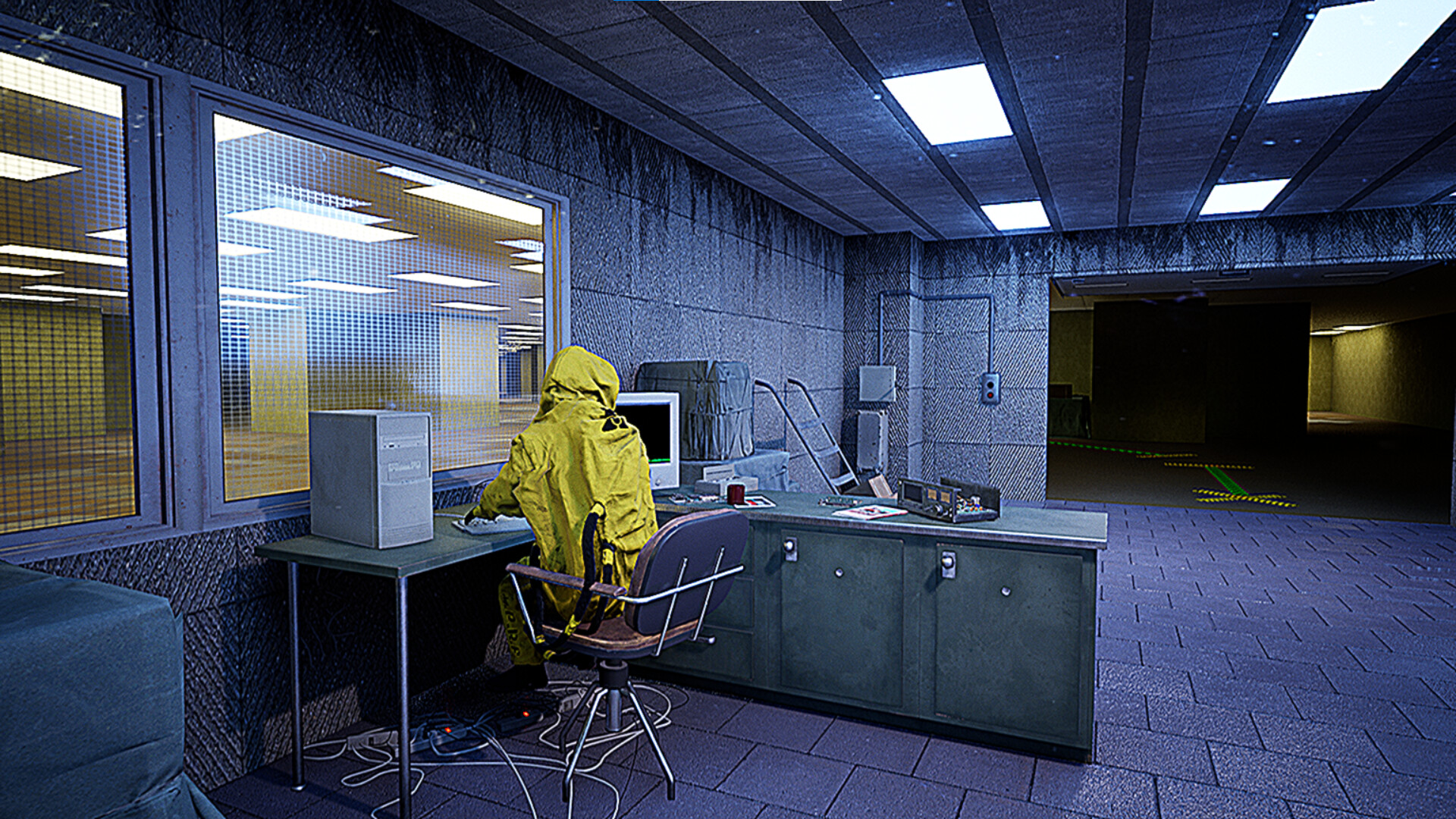
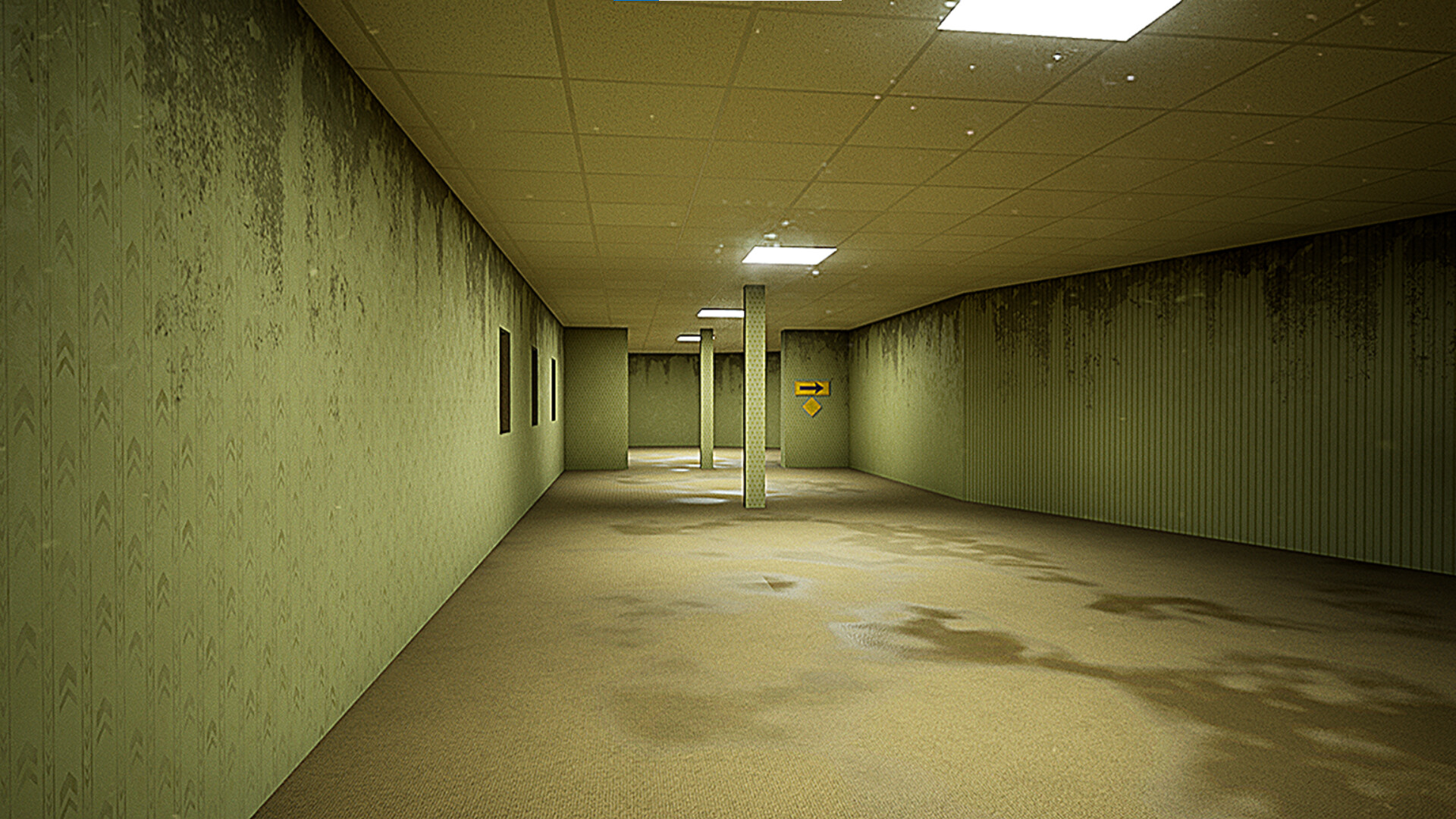
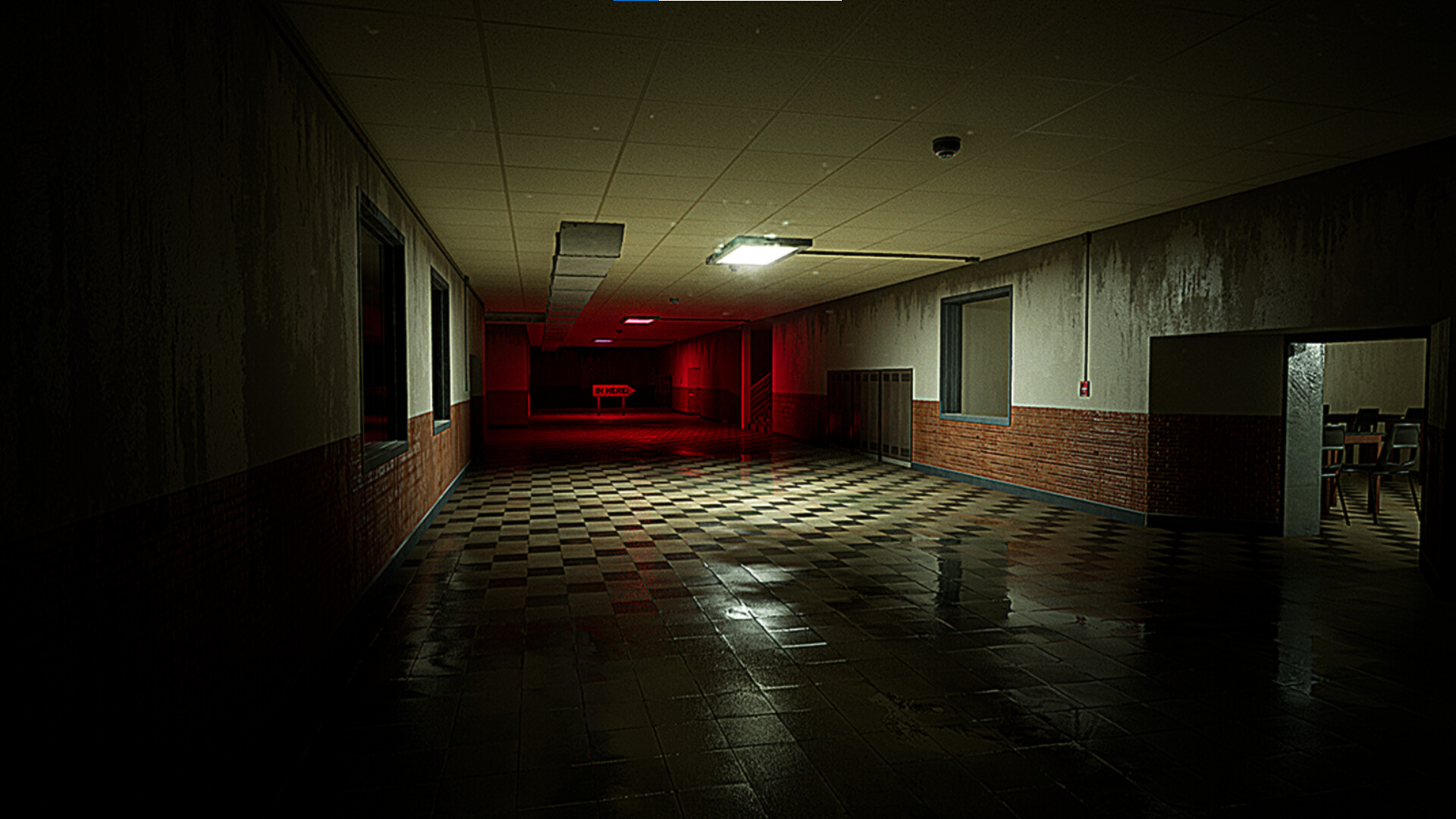
Tape 101: Liminal Descent drops you into a repetitive, beige world of corridors, tiled walkways and empty offices that never quite line up. The environment folds on itself, creating a liminal space where logic and proportion are distorted.
Your only link to reality is a fragile RC car with a camera. It slips through vents and under doors, fetching objects, flipping switches and recording proof that the world still makes sense. The game’s puzzles emerge from the architecture and the stages of grief that shape each chapter.
01 / THE GUIDE
RC Car as Your Eyes
The RC car is the sole means of interaction. It can scout unreachable areas, trigger mechanisms and locate the way forward. Its camera provides the player’s view of the liminal world.
Because the car is fragile and mechanical, players must move it carefully through vents, under doors and into cavities. Success depends on observation rather than combat, as there are no entities hunting the player.
- Observe the car’s camera feed for subtle visual cues that indicate hidden switches.
- Move slowly to avoid missing narrow vents that may contain essential objects.
02 / THE GUIDE
Liminal Architecture
The game’s environments consist of minimal, repetitive structures that distort perception. Ceilings feel too low, hallways loop endlessly, and rooms repeat like fading memories.
These architectural quirks create unease and conceal meaning, turning the space itself into a puzzle that reflects the player’s mind rather than the body.
- Use the car’s perspective to compare similar corridors and spot misalignments.
- Pay attention to repeating patterns; they often hint at hidden pathways.
03 / THE GUIDE
Puzzle‑First Exploration
Exploration is driven by spatial and timing‑based puzzles revealed through observation. There is no combat or evasion, only the need to understand how the environment works.
Each solved secret pushes the player deeper into the in‑between, rewarding careful study of the surroundings over rapid action.
- Take notes of switch locations so you can reference them as you progress through the game.
- Experiment with timing when triggering mechanisms to see how the world reacts.
04 / THE GUIDE
Stages of Grief Chapters
The game is divided into chapters that mirror the Kübler‑Ross model: denial, anger, bargaining, depression, and acceptance. Each chapter transforms a grief stage into a physical space.
These spaces blend emotion, memory and architecture, allowing players to experience the progression of loss as they solve puzzles and move forward.
- Notice how the visual tone shifts between chapters; it can guide your expectations.
- Reflect on the emotional theme of a chapter to anticipate the type of puzzle it may contain.
05 / THE GUIDE
Narrative Descent
Every secret uncovered draws the player deeper into the in‑between, where reality, memory and acceptance begin to merge. The narrative is driven by the player’s growing comprehension of the liminal world.
Understanding may feel like salvation, but it also risks eroding purpose. The threat is the quiet loss of meaning rather than any external enemy.
- Consider how each discovered clue fits into the larger story; patterns often emerge later.
- Balance curiosity with caution—delving too quickly can obscure the narrative’s subtle hints.


COMMUNITY
Player discussion