 GameWiki
GET YOUR BEARINGS
About Strategic Command: World War I
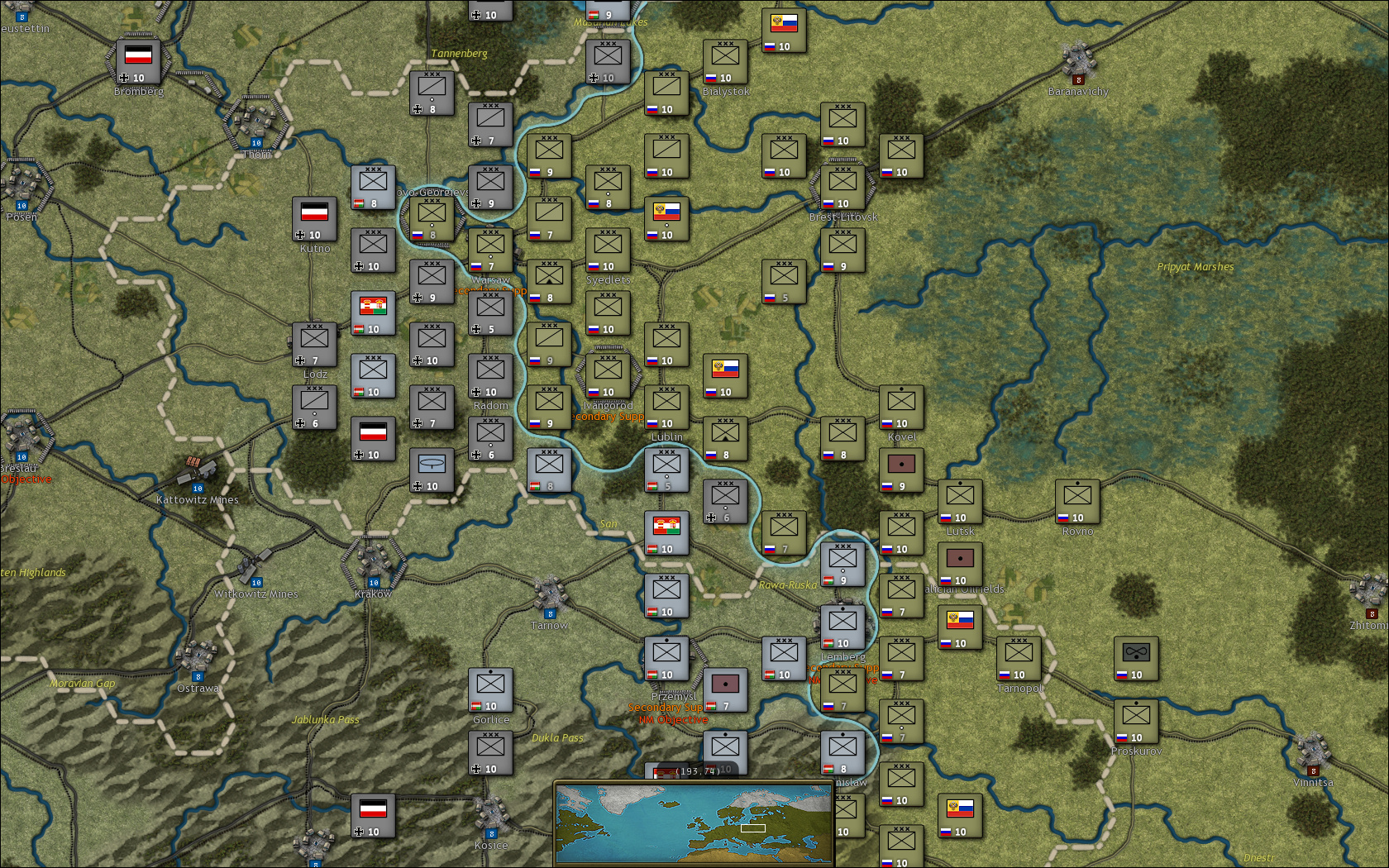
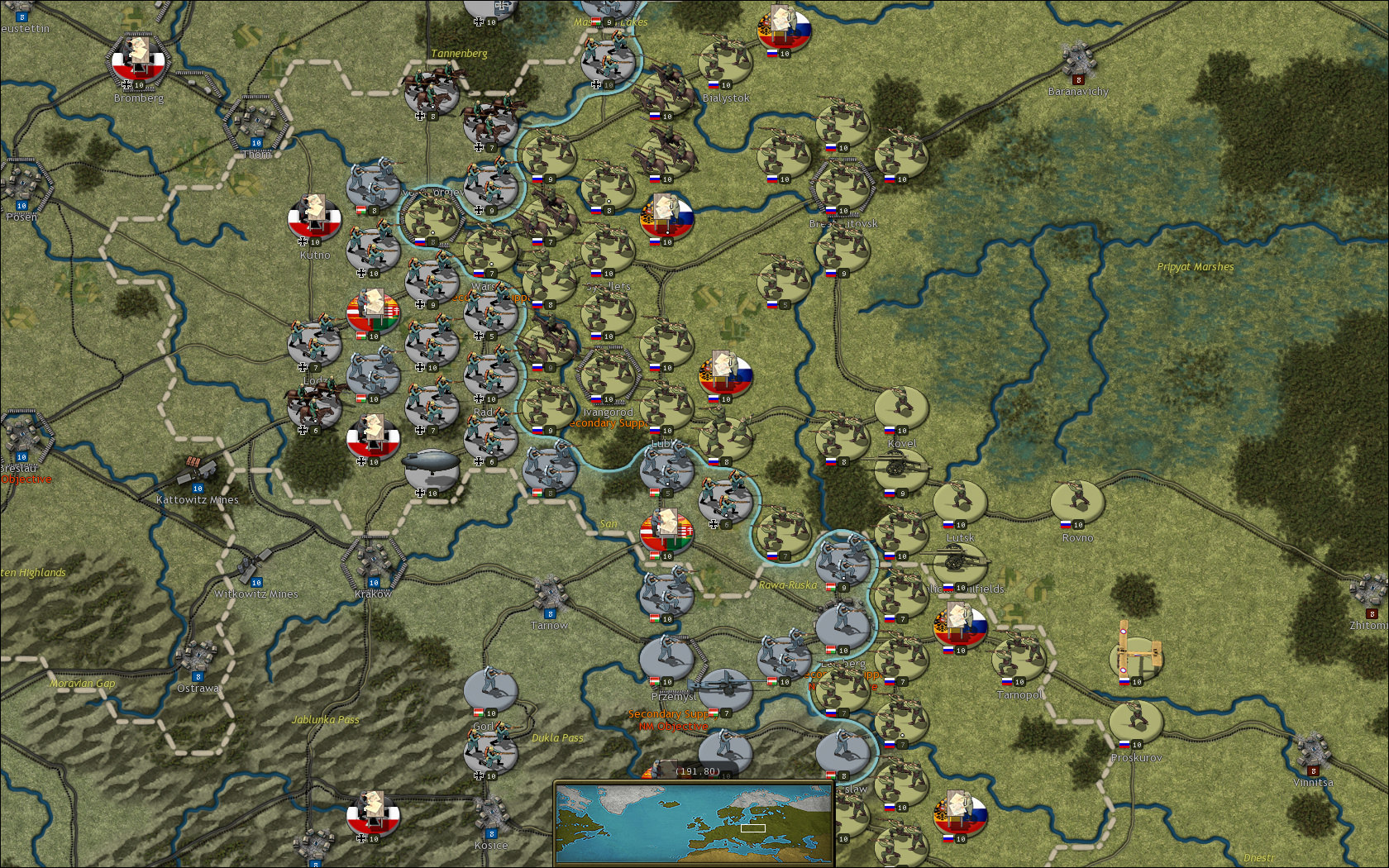
Strategic Command: World War I brings the Great War to a hex‑based grand‑strategy board, covering the Western Front, Eastern Front, Italy, the Balkans and the Middle East. Players guide nations from 1914 through 1918, balancing diplomacy, research and combat to shape the outcome.
The game runs on an upgraded engine from the developer’s WWII titles, adding Dynamic Movement, trench‑warfare research and a host of WWI‑specific units such as tanks, aircraft and submarines. Multiplayer and PBEM++ modes let opponents clash across a 20‑mile‑per‑hex map of Europe and beyond.
01 / THE GUIDE
Campaigns
Five distinct campaigns are offered: 1914 Call to Arms, 1914 Triple Alliance, 1914 March on Paris, 1917 Fate of Nations and 1918 Ludendorff Offensive. Each begins at a different historical moment and presents its own strategic objectives and diplomatic landscape.
Campaigns can be played solo or against other players via PBEM++ or online multiplayer. Friendly majors may be set to AI control, and this setting can be changed at any time, even allowing a side switch during the game.
- Start with Call to Arms to become familiar with basic mechanics before tackling later scenarios.
- Try assigning AI control to a major to observe how different leadership styles affect the flow of a campaign.
02 / THE GUIDE
Unit Types
New unit categories include ANZACs, Colonial Corps, Mountain Corps, Ground Attack Aircraft and Reconnaissance Bombers, alongside classic forces such as tanks, submarines and aircraft carriers that can be researched and deployed.
All units can move and entrench; trenches become stronger when the Trench Warfare technology is researched. Naval mines may be laid to protect your sea lanes or to hinder enemy shipping.
- Deploy Mountain Corps in rugged regions like the Balkans where terrain favors their abilities.
- Use Reconnaissance Bombers early to reveal enemy positions and improve artillery effectiveness.
03 / THE GUIDE
Movement and Entrenchment
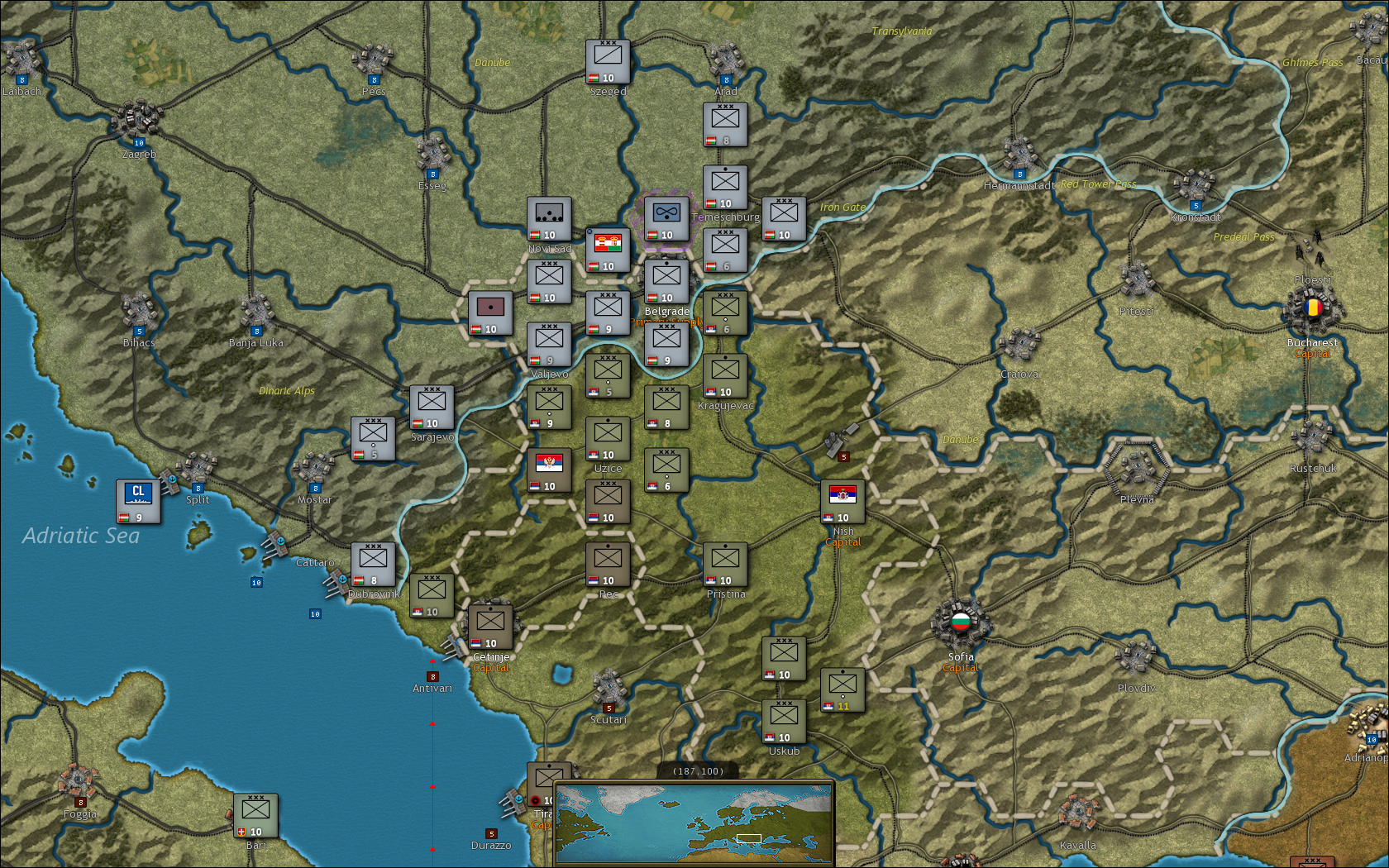
Dynamic Movement lets a unit that still has unused Action Points be deselected and later re‑selected, allowing flexible planning of assaults and retreats within a single turn.
Units may also entrench, gaining defensive bonuses that improve further when Trench Warfare is researched, making static fronts more resilient against enemy attacks.
- Move units partway, then re‑select them after other actions to fine‑tune positioning before committing to combat.
- Prioritise Trench Warfare research to boost defensive strength on prolonged fronts.
05 / THE GUIDE
Fog of War and Reconnaissance
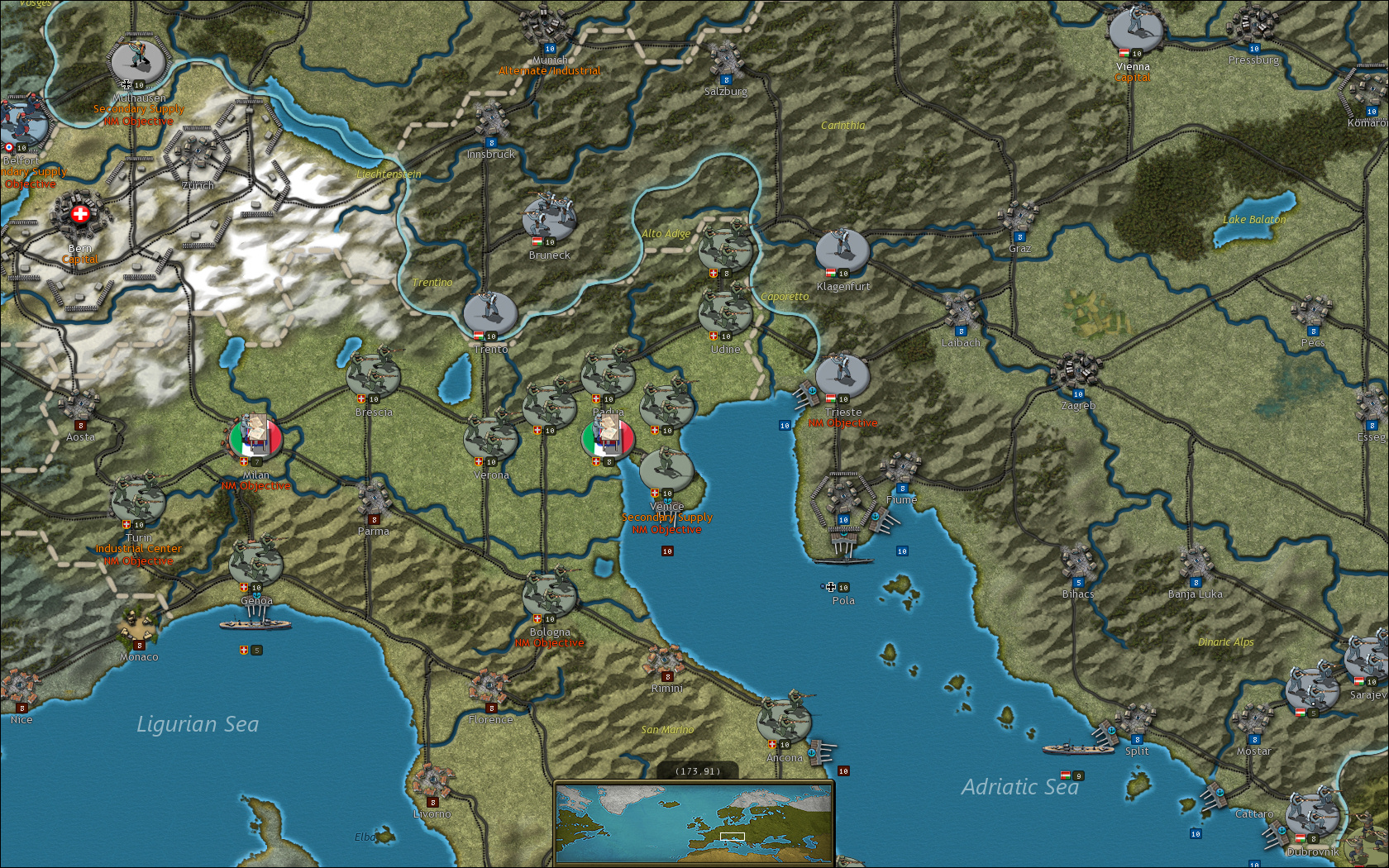
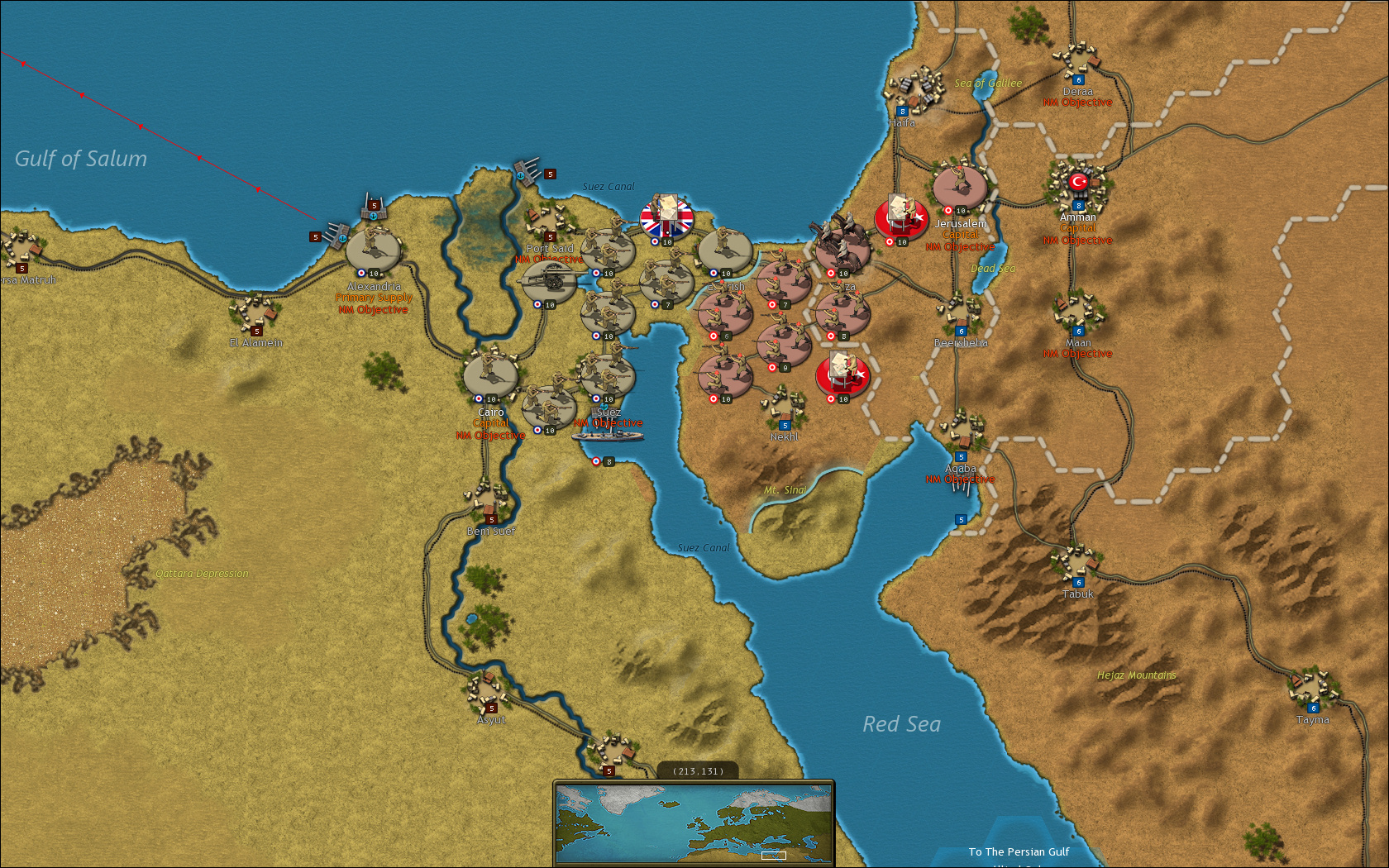
Enhanced Fog of War clearly displays each unit’s spotting range, limiting what is visible on the map and requiring careful placement of scouts and bombers.
Reconnaissance Bombers provide historic spotting for artillery, improving its effectiveness, while many decisions include historical notes and advice for context.
- Keep Recon Bombers near the front to maintain up‑to‑date intelligence on enemy deployments.
- Minimize the Decision box when reviewing the map to reduce visual clutter during critical moments.
COMMUNITY
Player discussion