 GameWiki
GET YOUR BEARINGS
About Sprocket
Sprocket lets players craft their own tanks using a dedicated designer that covers hull shape, armour thickness, weapons, crew, tracks and power‑train. The tool mirrors historic periods from World War I through the late stages of World II, letting you experiment with realistic armour mechanics and vehicle performance.
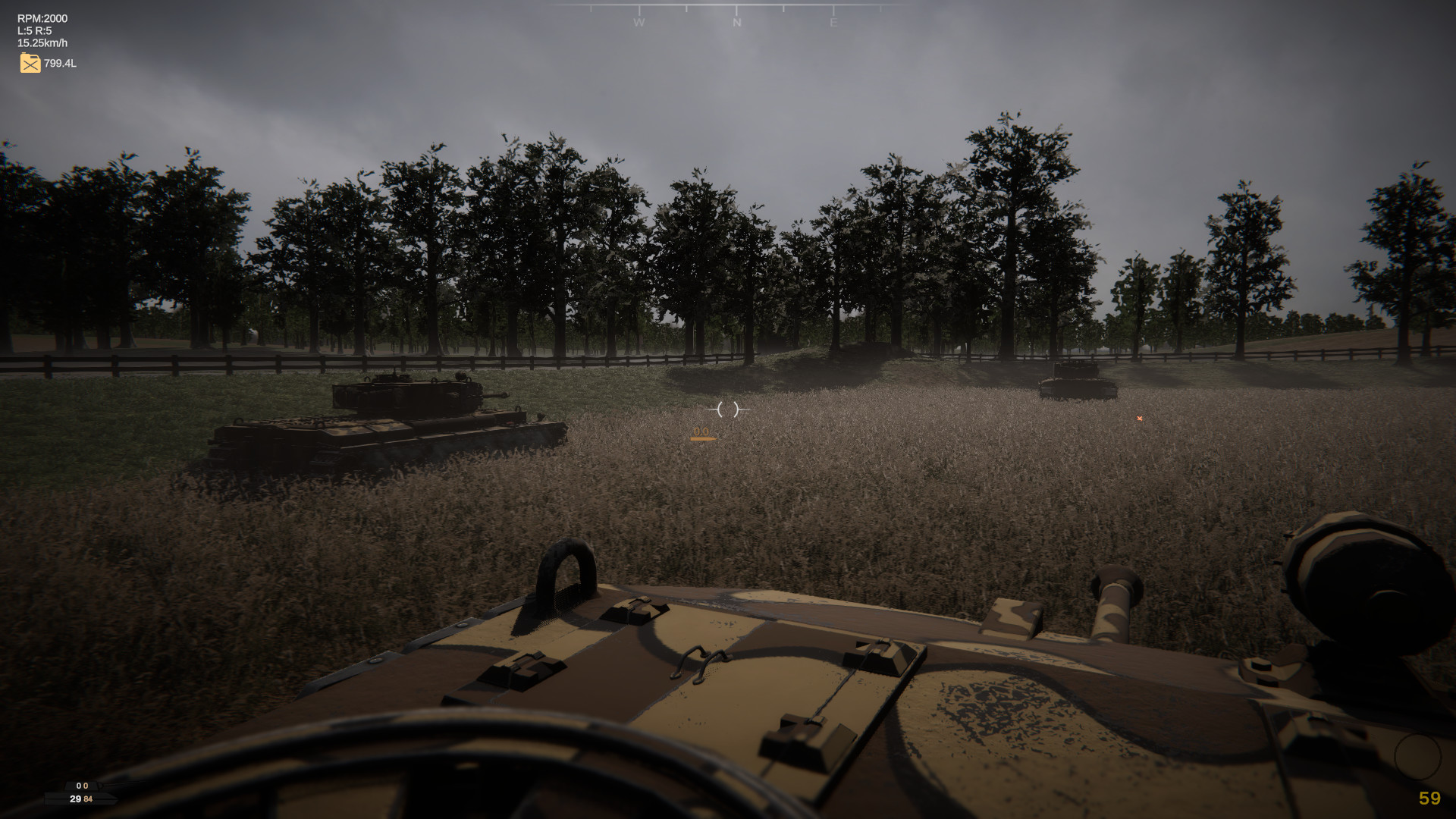
There is no built‑in tutorial, so newcomers should be comfortable learning by trial. Once a tank is built, you can deploy it in team‑based scenarios where your design’s cost and survivability affect how you fight alongside AI allies.
01 / THE GUIDE
Hull & Turret Shape Design
The designer lets you drag faces or edges of the hull and turret to reshape them. Larger compartments increase internal volume but also add surface area for armour. Well‑angled surfaces can deflect incoming shells, reducing damage to the vehicle’s interior.
- Start with simple shapes to understand how volume and surface area trade off.
- Experiment with angled plates to see how shell bounce changes damage.
02 / THE GUIDE
Armour Design
Each armour plate’s thickness can be set individually, letting you block enemy fire where it matters most. Thicker plates increase weight and consume internal space. The simulation tracks how armour placement influences survivability without using hit‑points; critical internals must stay functional.
- Prioritise armour on the front where most hits occur.
- Balance thickness with weight to avoid over‑burdening the power‑train.
03 / THE GUIDE
Cannon Design
Players build a gun capable of piercing enemy armour, allocating space for the barrel, recoil mechanisms and ammunition storage. Rotation force must be sufficient for the chosen gun size. Remember to reserve interior volume for ammo; insufficient space can limit firepower.
- Fit the cannon early to ensure enough room for its recoil system.
- Check ammo capacity after finalising hull shape.
04 / THE GUIDE
Crew & Internal Components
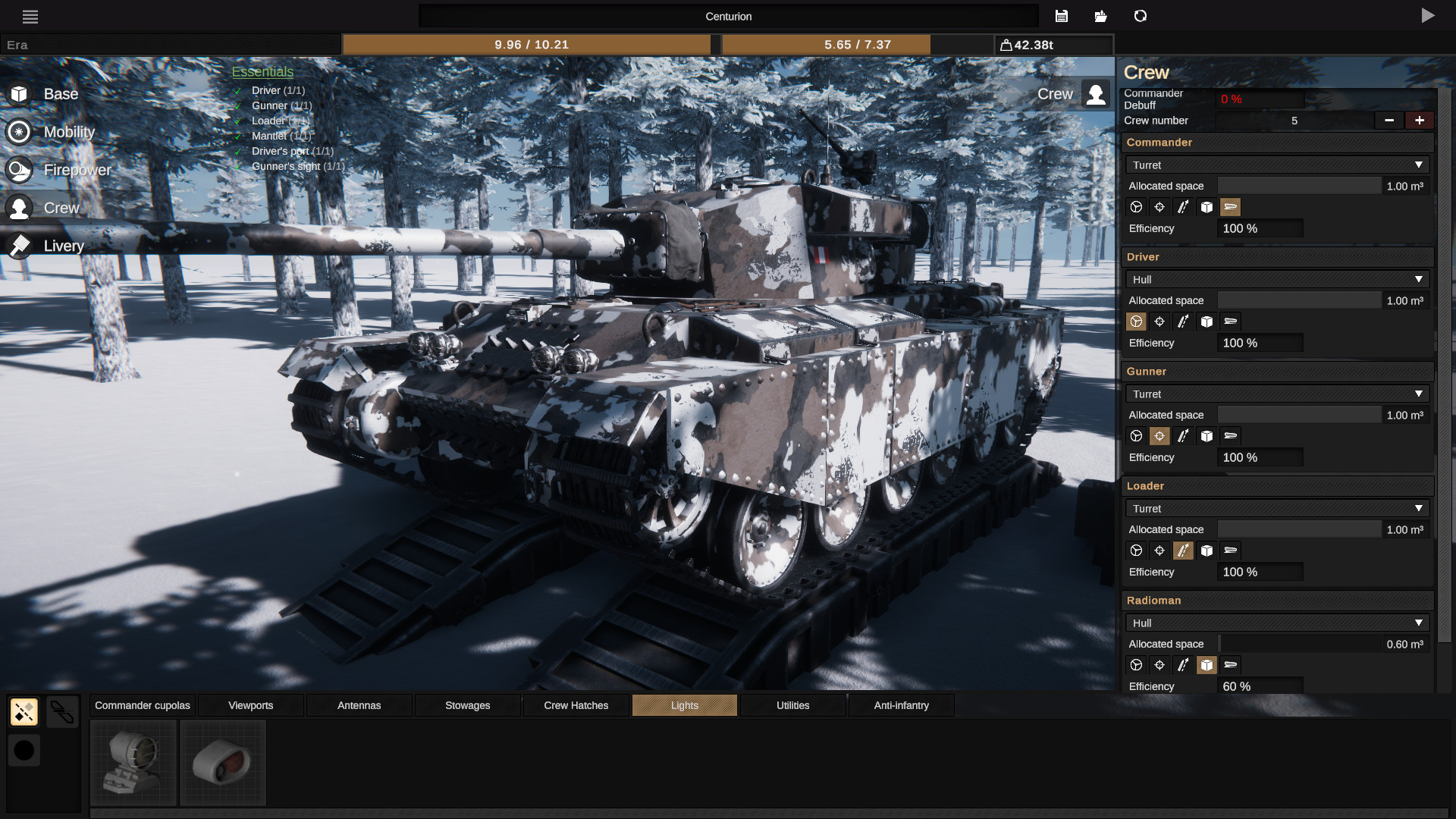
Crew members are lightweight but require space; cramped or over‑worked crew perform poorly. Internal components such as engines, fuel tanks and transmissions have no hit‑points but must stay functional for the tank to operate. Placement of parts like exhausts or fuel ports determines where hits affect the vehicle.
- Leave extra room around crew stations to avoid performance penalties.
- Position fuel tanks behind armour to increase survivability.
05 / THE GUIDE
Engine, Transmission & Track Design
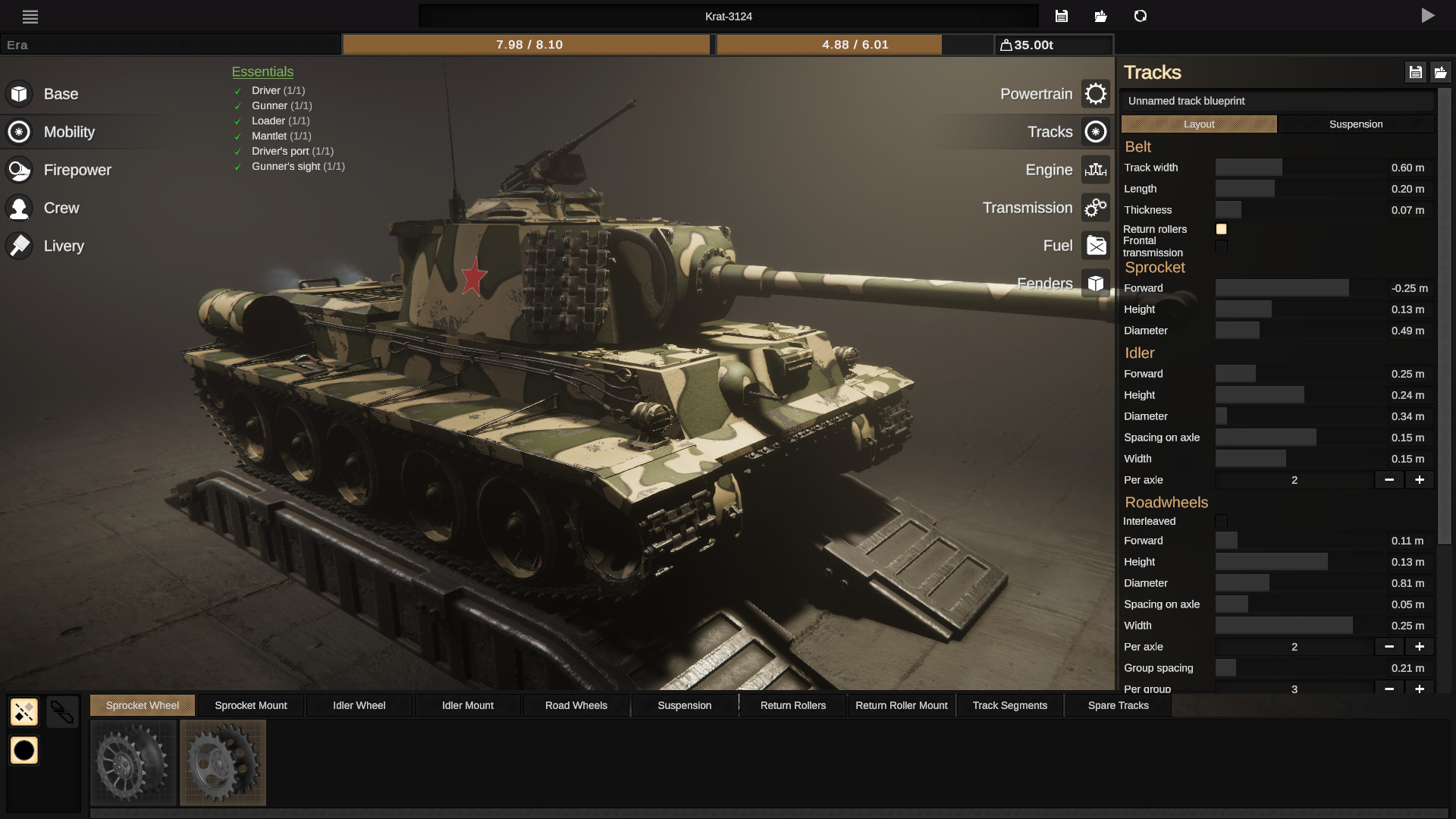
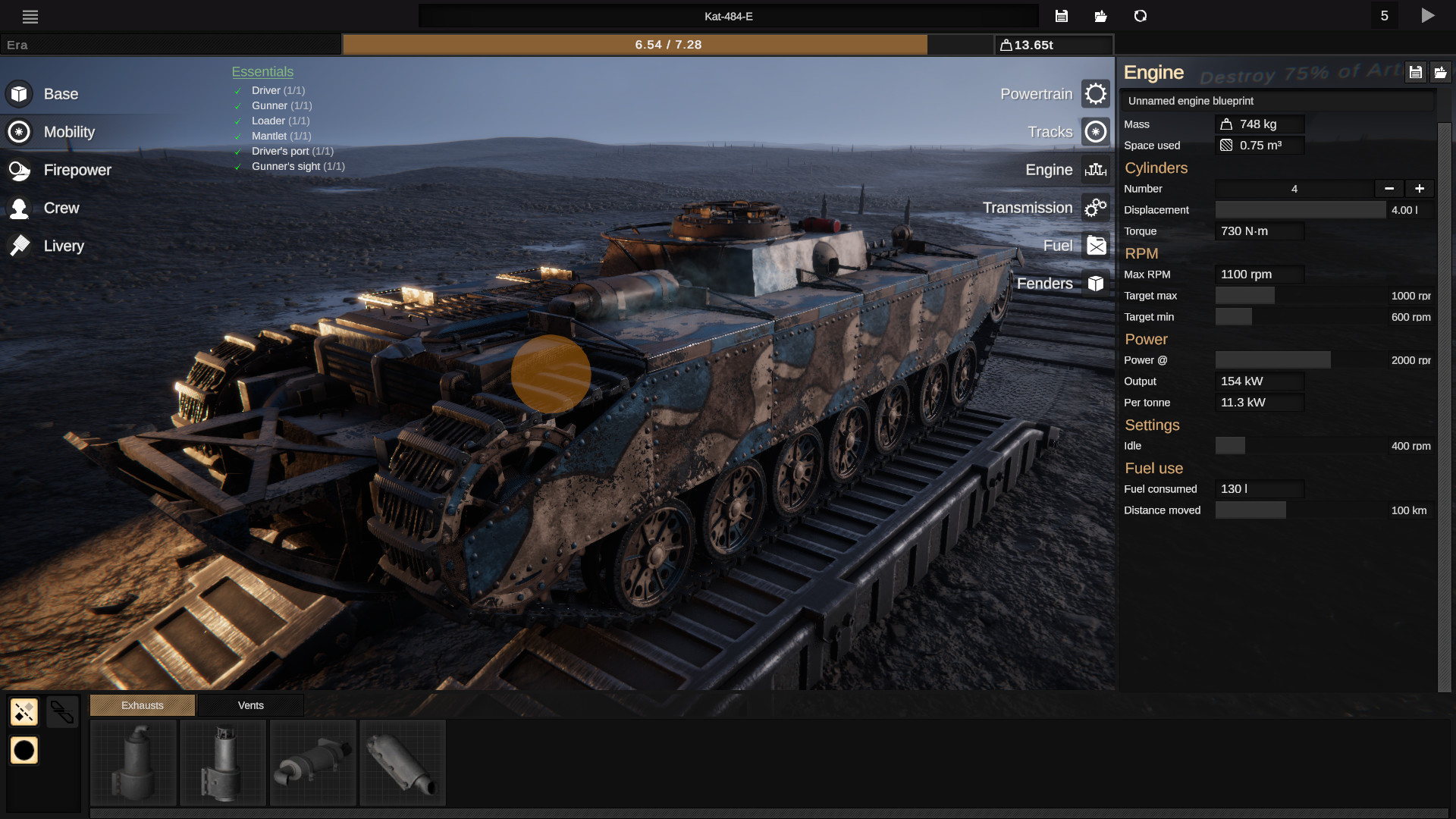
Engines, transmissions and tracks are designed in separate modules that interact in a realistic simulation. You can set gear ratios, including asymmetrical ones for turning on the spot. Tracks can be tuned for trench crossing, mountain climbing or speed, affecting how the tank moves across terrain.
- Use a lower first gear for steep climbs.
- Test different track layouts to find the best balance of speed and traction.
COMMUNITY
Player discussion