 GameWiki
GET YOUR BEARINGS
About SOLAS 128
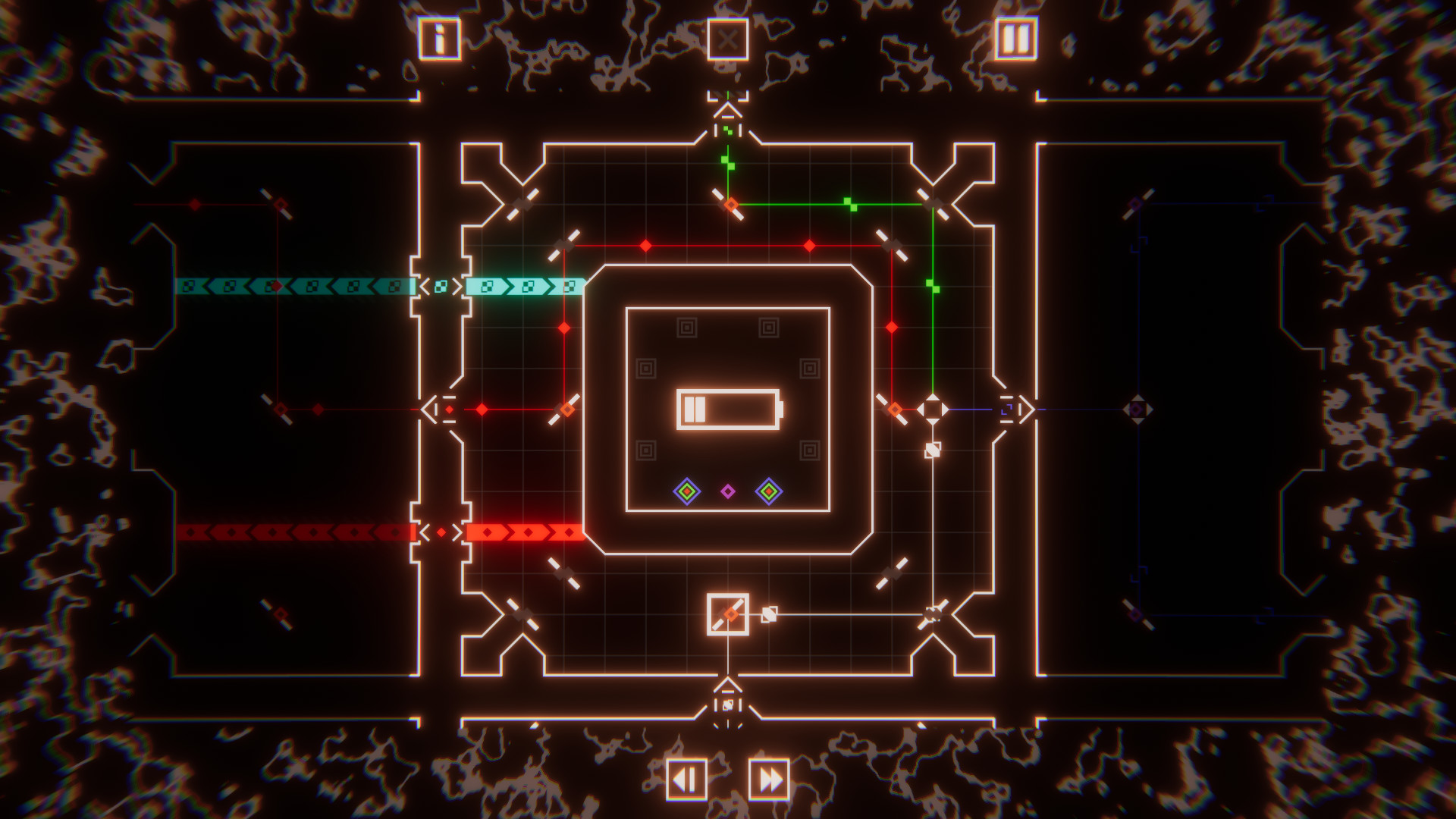
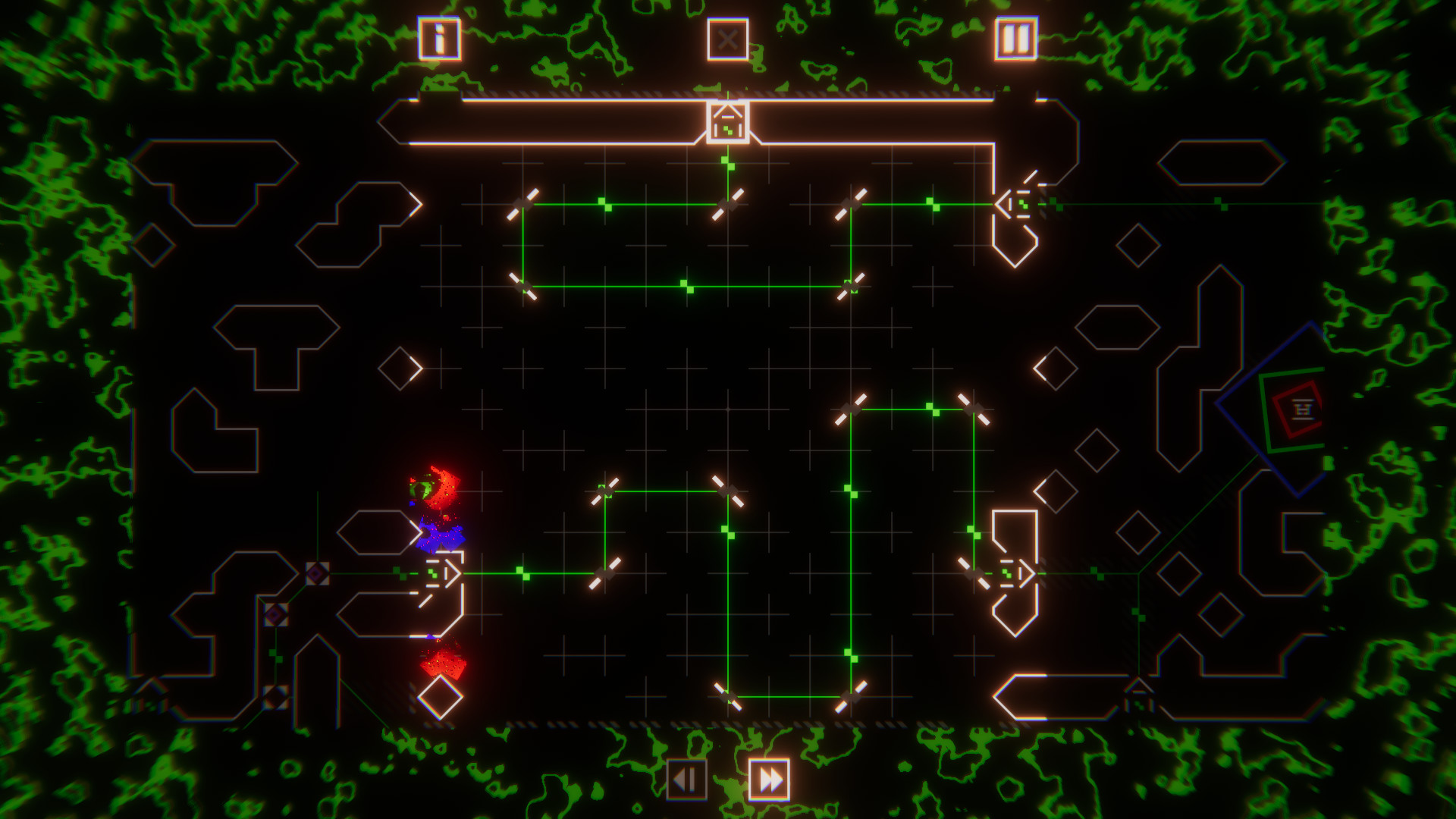
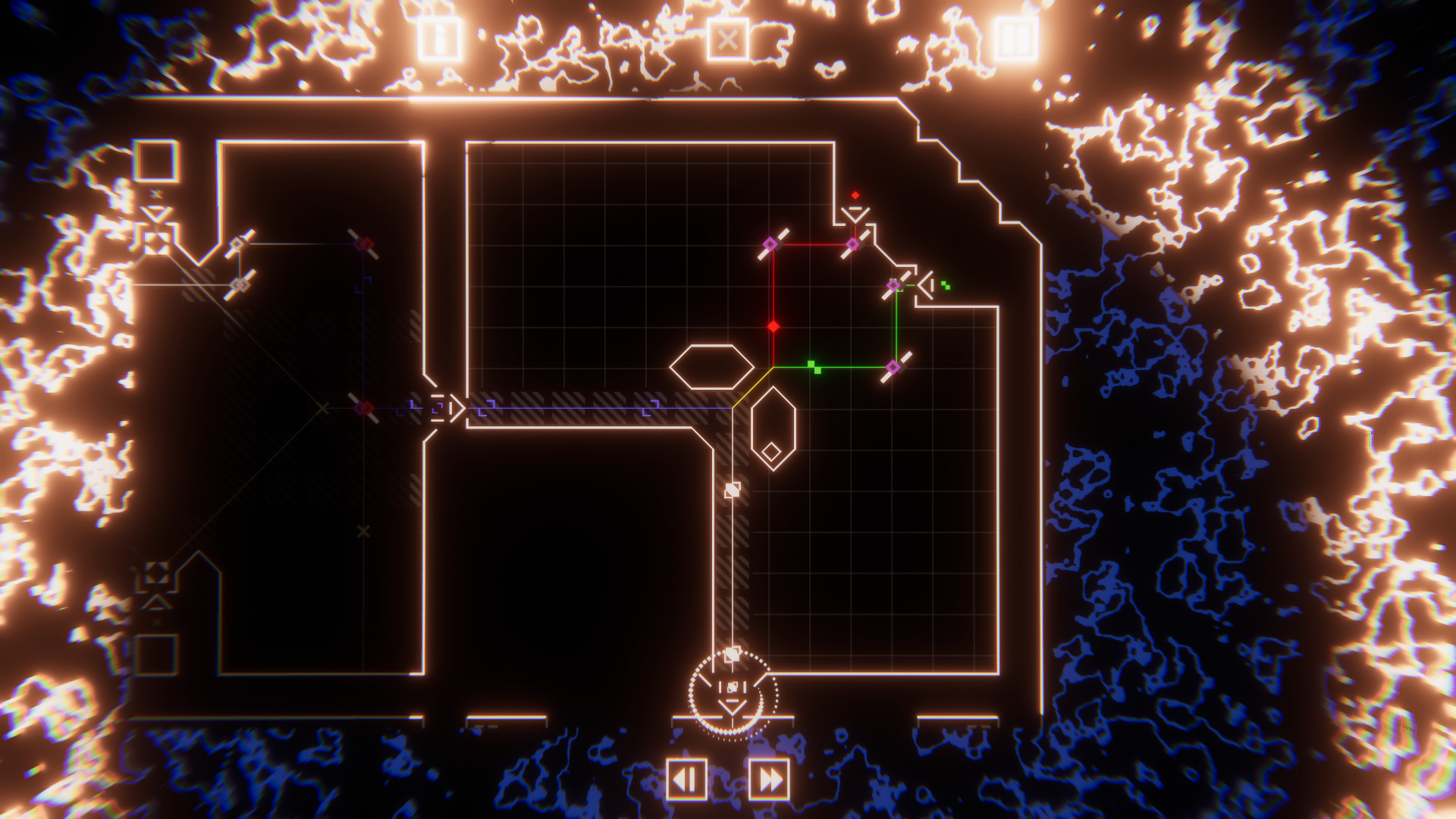
SOLAS 128 is a beam‑deflection puzzle game where you rotate and move mirrors to link light sources, creating pulses that move to the beat. Each solved puzzle unlocks the next, forming a seamless, interlocking world of over 150 screens. The game blends a retro neon aesthetic with a synth‑wave soundtrack that synchronises to every action. It is designed to be colour‑blind‑friendly, offering unique glyph shapes, contrast settings, and a story told entirely through visuals and music.
01 / THE GUIDE
Beam Deflection Mechanics
Players rotate and reposition mirrors to connect light sources, forming moving pulses that must reach target points. Pulses can collide, creating new colours and directions, which are essential for unlocking subsequent puzzles. The system encourages timing awareness, as each pulse moves continuously to the beat, and the interaction of colours influences the path forward.
- Observe how pulse collisions change colour before committing to a mirror placement.
- Experiment with timing; a slight delay can alter the collision outcome.
02 / THE GUIDE
Interconnected Puzzle World
Every puzzle screen is linked; changes made in one room affect those that follow. This creates a seamless navigation experience where solving one area can open or modify paths in later screens. Hidden areas and secrets are scattered throughout, rewarding players who explore the consequences of their actions across the network of puzzles.
- Backtrack to earlier rooms after discovering new components to see new interactions.
- Look for subtle visual cues that indicate a change in a later puzzle.
03 / THE GUIDE
Colour‑Blind Friendly Design
SOLAS uses unique glyph shapes and profiles for each pulse, ensuring that colour is not the sole identifier. Customisable contrast settings further aid players with colour‑vision deficiencies. The game is designed from the ground up so that puzzle solutions are not reliant on colour alone, using shape and timing instead of hue.
- Adjust contrast settings early to find the most comfortable visual clarity.
- Focus on glyph outlines when distinguishing overlapping pulses.
04 / THE GUIDE
Audio‑Visual Synchronisation
A synth‑wave soundtrack drives the pacing of each pulse, with the entire game synchronised to the music’s beat. Visuals feature a neon‑rich style that matches the audio tone, creating an immersive atmosphere. The sound design, contributed by Jamesy Downie and Steven McSeveney, blends music and effects to reinforce puzzle feedback and narrative progression without text.
- Play with headphones to notice subtle audio cues tied to pulse collisions.
- Observe how visual flashes align with musical beats for timing hints.
05 / THE GUIDE
Additional Components and Surprises
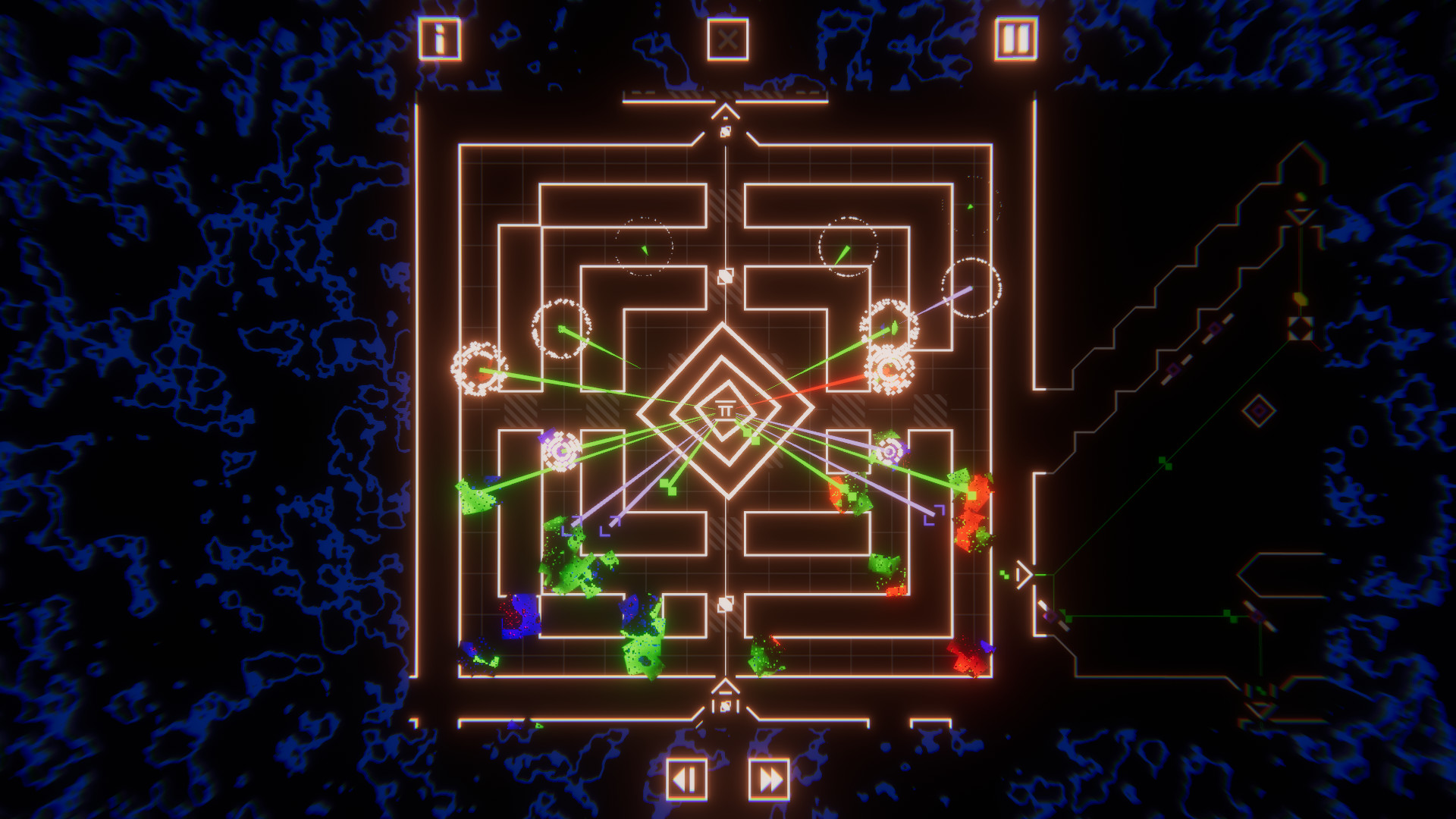
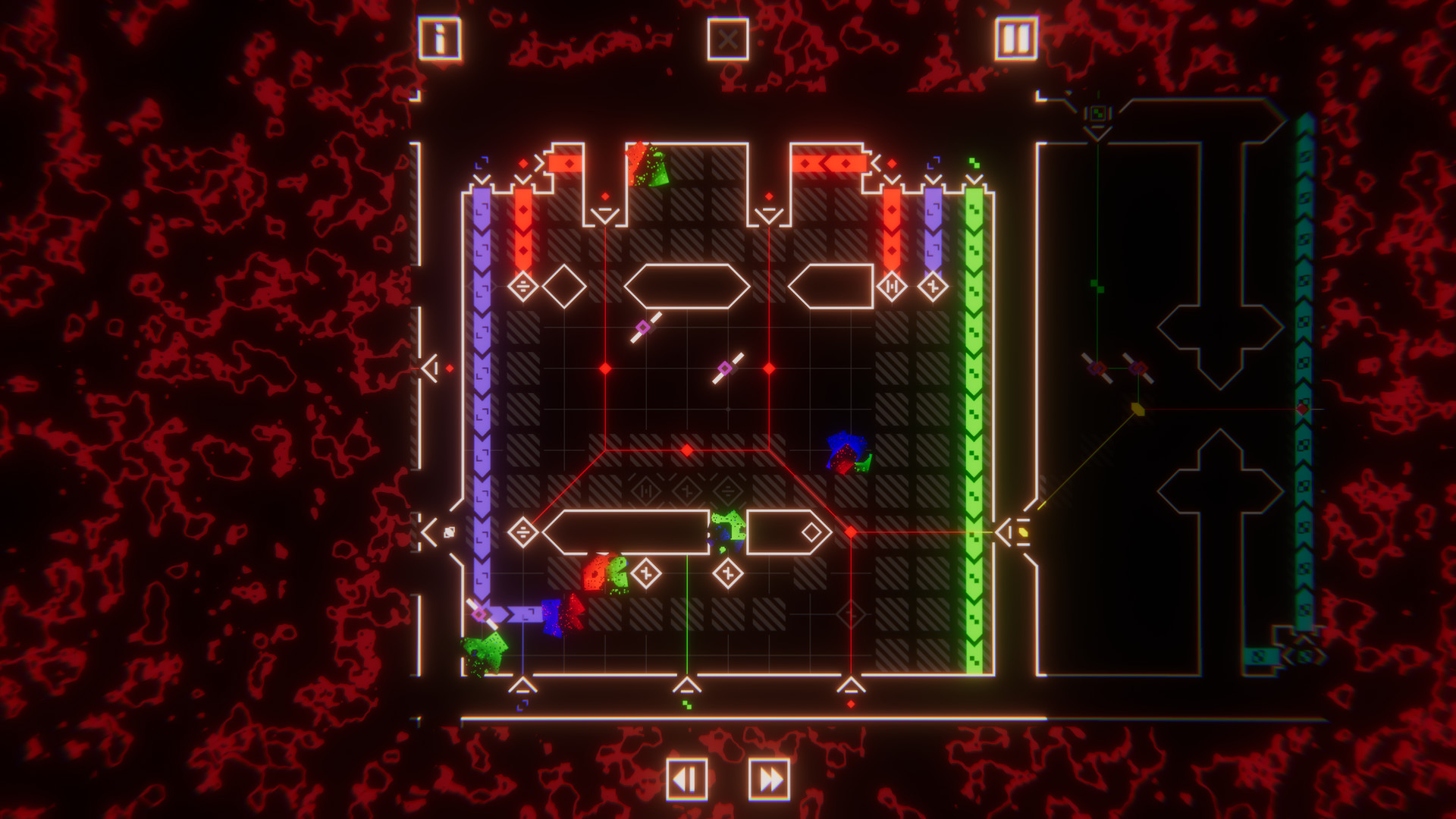
Beyond mirrors, the game introduces prisms, glitches, filters, and new mirror types that interact in unexpected ways. Filters, for example, remove colours from passing pulses, altering their behaviour. These components can be passed between puzzles, adding depth and encouraging players to experiment with combinations to discover hidden mechanics.
- Test filters on different pulse colours to see how they affect outcomes.
- Combine prisms with mirrors to redirect pulses in novel patterns.
COMMUNITY
Player discussion