 GameWiki

GET YOUR BEARINGS
About Snacktorio
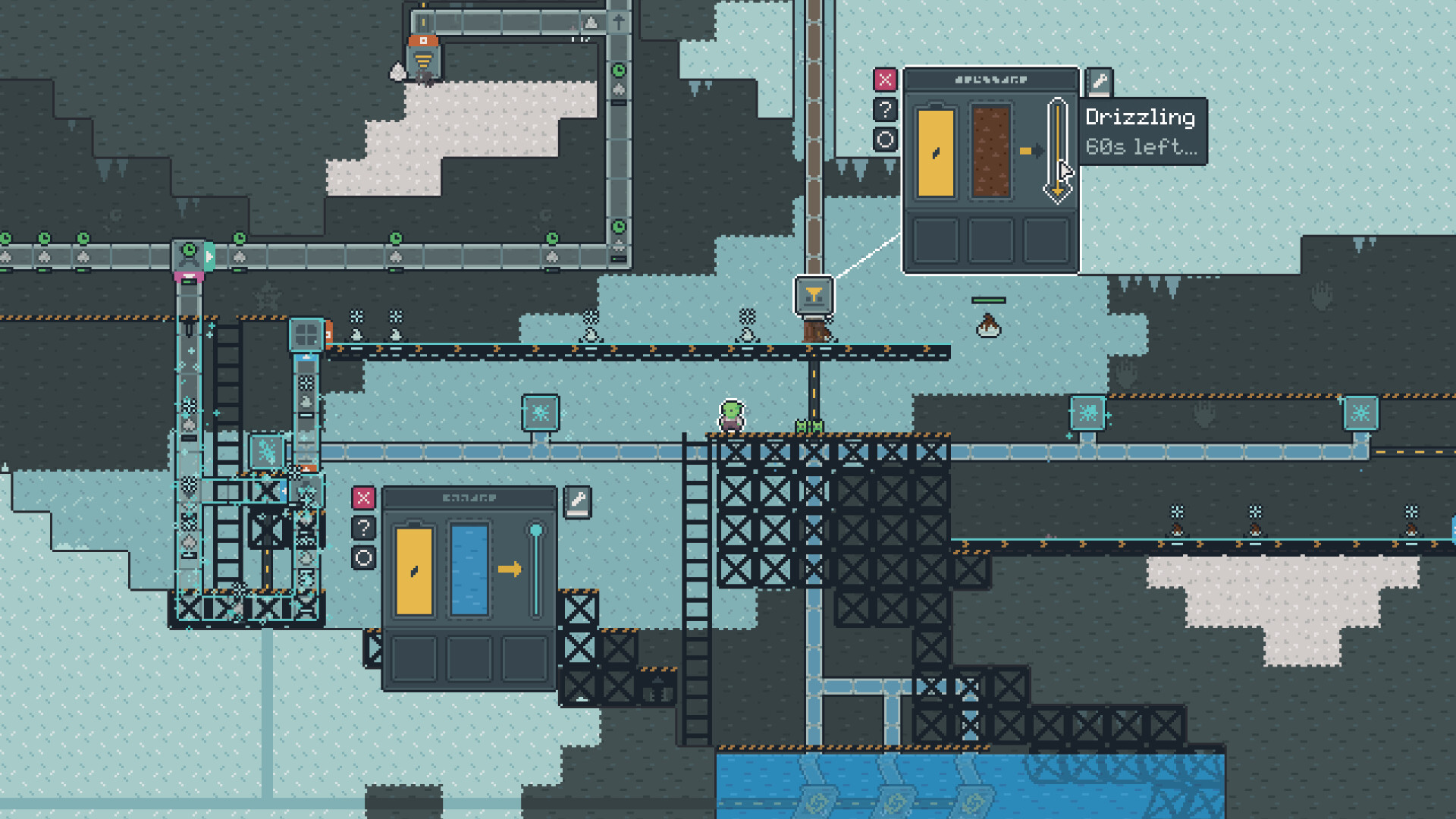
Snacktorio blends a 2D platform setting with a level‑based factory simulation. Players join a kitchen brigade, constructing automated cooking lines to satisfy the appetites of hungry monsters across a chain of islands. Each level challenges you to manage real‑world food rules—heat‑induced curdling, allergens, spoilage—and to keep production flowing under pressure.
Beyond the core puzzles, the game expands with new ingredients, hazards, and bizarre late‑game machines such as void‑powered machines and layered dessert conveyor belts. With over 55 levels, modding support, and Steam Workshop integration, Snacktorio lets you design and share custom challenges while feeding the beasts and keeping the peace.
01 / THE GUIDE
Building Food Factories
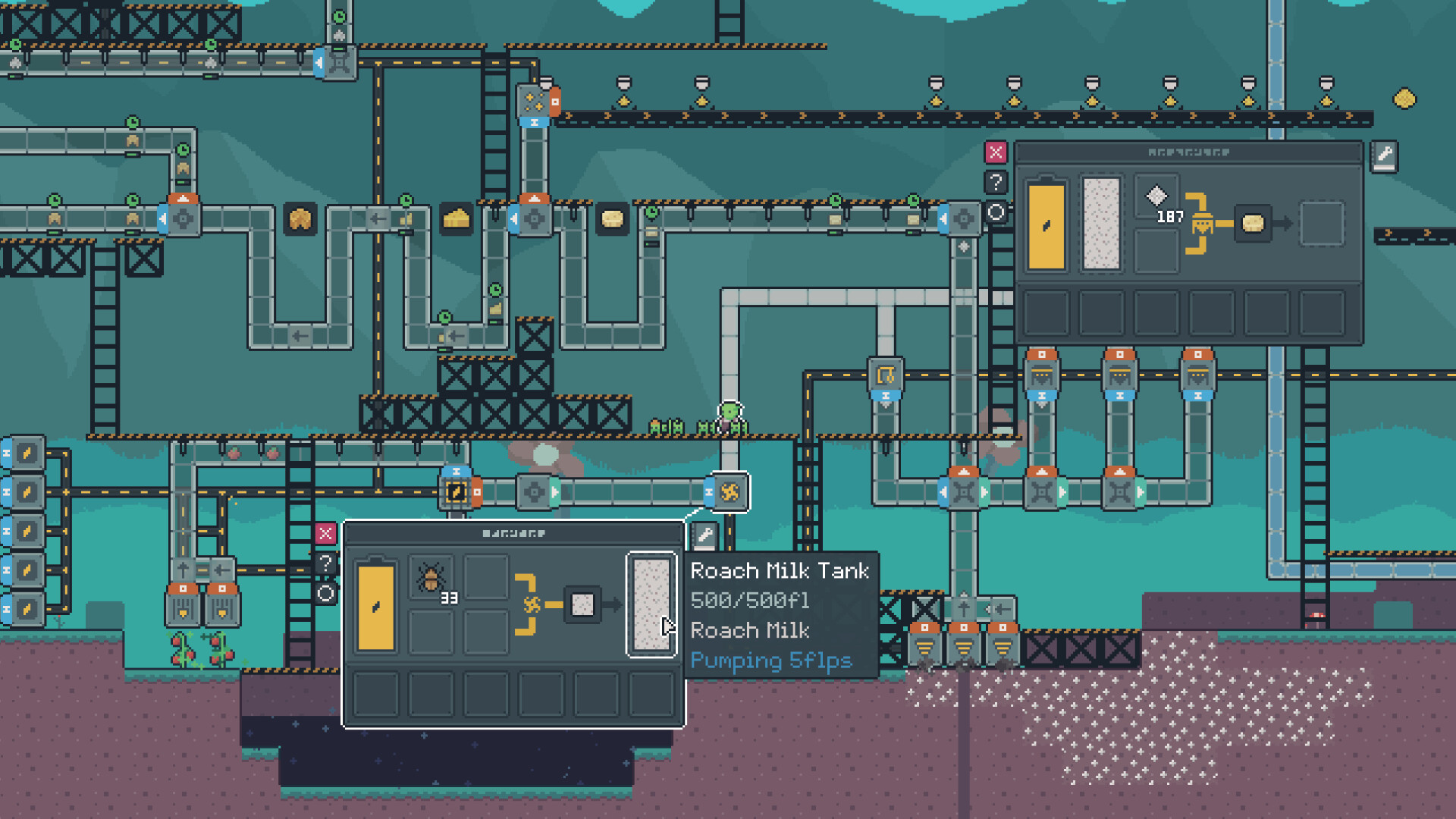
The core loop revolves around designing factories from mixers, ovens, boilers, fryers, sorters, and pipes. Every ingredient travels through these machines, and players must arrange timing and connections so meals finish without contamination. The visual layout is presented in a side‑scrolling 2D space, letting you see the flow of each component.
As production scales, you’ll juggle multiple parallel lines, ensuring each dish meets the specific tastes of the awaiting monsters. The system encourages experimentation with machine placement to avoid bottlenecks and to keep the factories from “imploding… probably.”
- Start with a simple linear chain before adding parallel branches; this makes timing easier to observe.
- Group machines that share similar temperature requirements to reduce accidental curdling.
02 / THE GUIDE
Mastering Real Food Rules
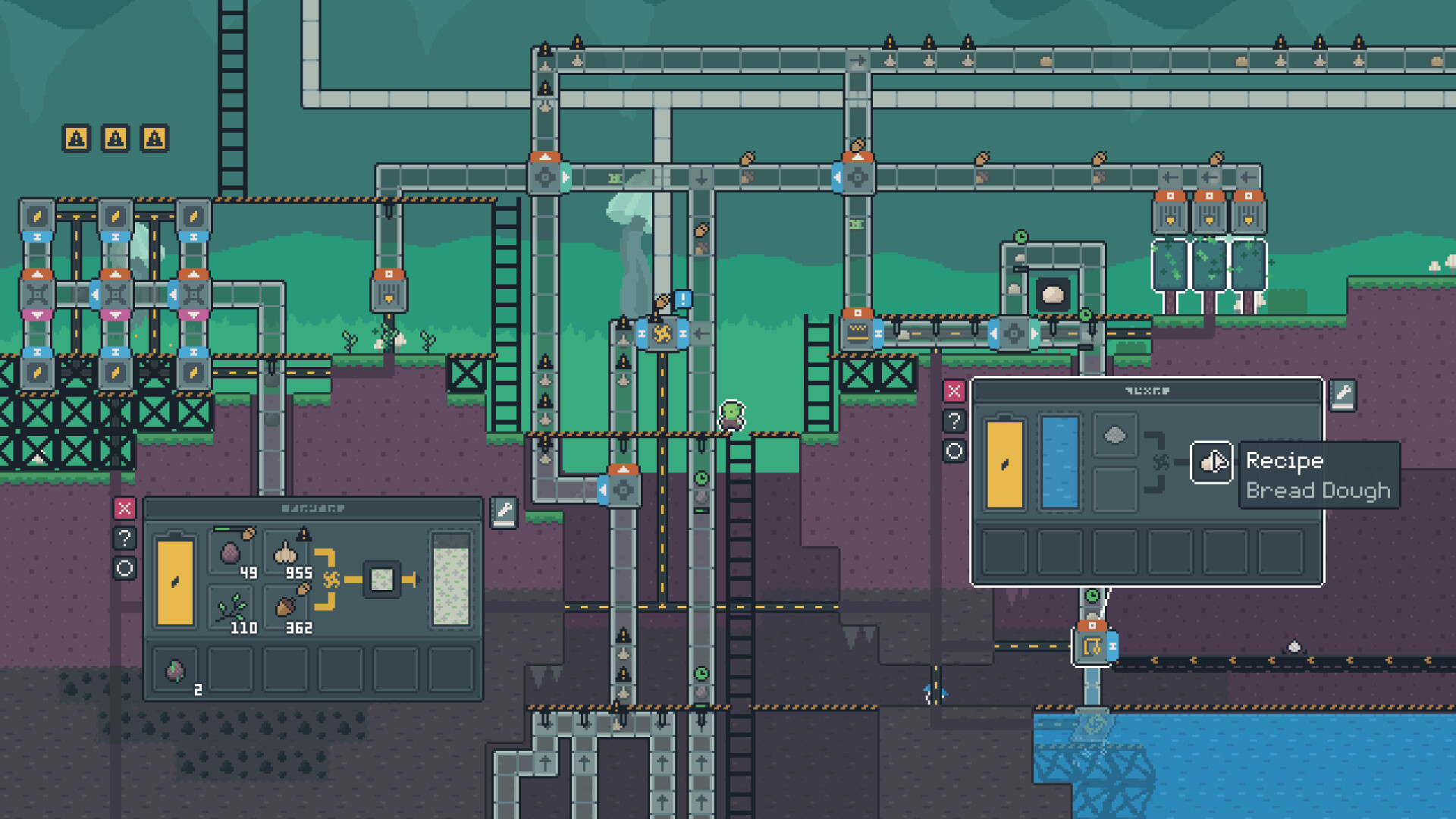
Snacktorio applies authentic food behaviours: dairy curdles when overheated, nuts trigger allergens, meat can cause food poisoning, and dough rises over time. Understanding these mechanics is essential for keeping dishes safe and tasty.
These rules also become puzzle elements; you must route ingredients through appropriate machines and sometimes delay steps to let dough rise or cool dairy before it spoils. Ignoring them leads to failed orders and angry beasts.
- Cool dairy after oven heating to prevent curdling.
- Separate nut‑containing lines from allergen‑sensitive orders to avoid cross‑contamination.
03 / THE GUIDE
Exploring Distinct Islands
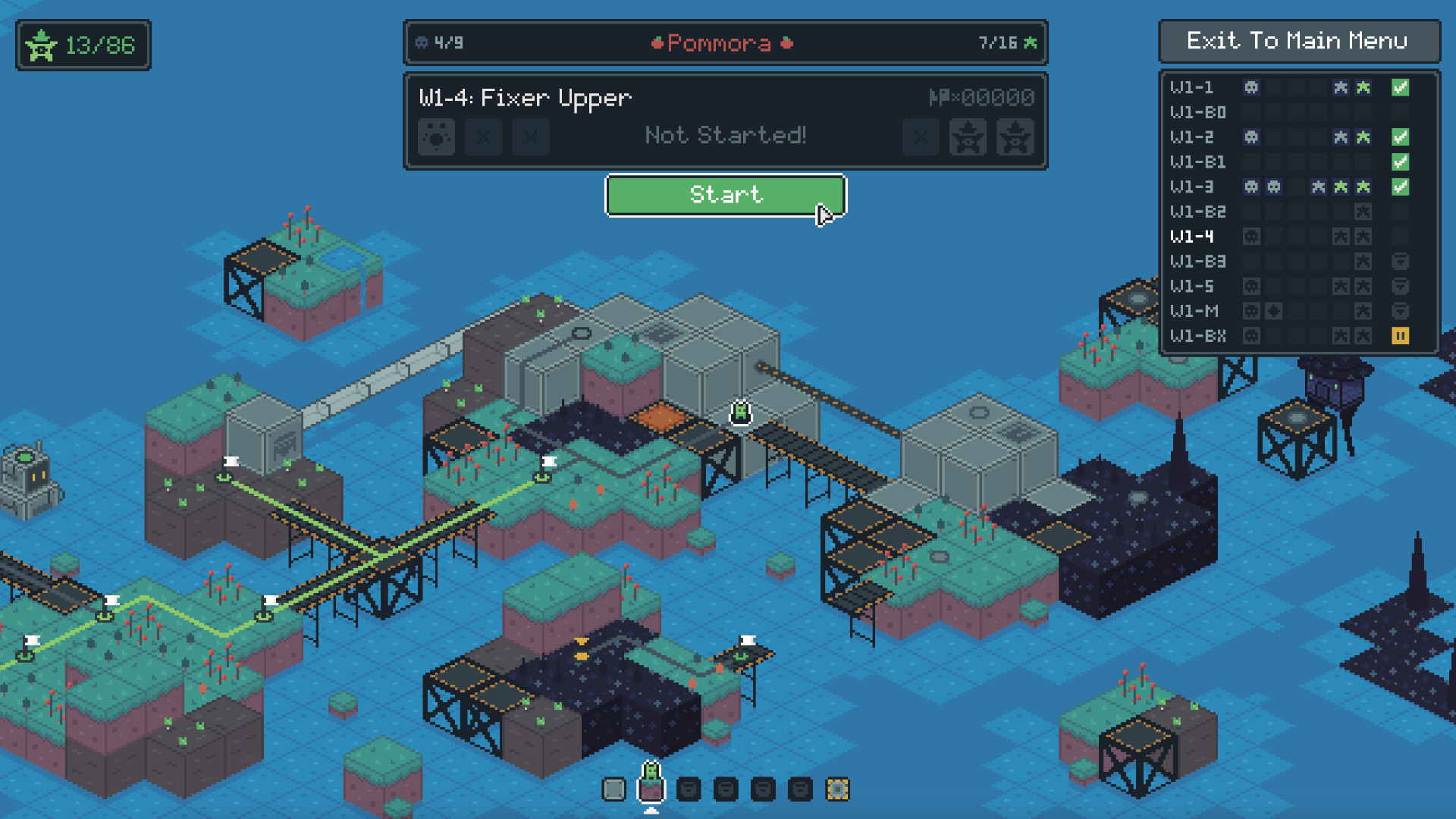
Each of the six islands introduces a new core ingredient, mechanic, and layout. New hazards appear, such as local environmental effects that interact with your factories. Unlocking dishes on an island often requires solving its unique challenges first.
Traveling between islands also reveals narrative clues about why the monsters’ appetites have grown. The varied geography forces you to adapt factory designs to different spatial constraints and resource availability.
- Map out the island’s terrain before placing large machines; space can be limited.
- Take note of any new ingredient introduced on an island and test its rules early.
04 / THE GUIDE
Multi‑Step Cooking Puzzles
Simple recipes expand into sprawling networks of pipes and machines. Players must coordinate multiple steps—mixing, heating, cooling, and sorting—to produce a final dish that meets taste, quirk, and intolerance requirements.
The puzzles emphasize timing and contamination control. Overpowering an ingredient can cause spoilage, while mis‑routing can lead to allergens mixing with sensitive orders. Successful completion rewards progress to the next level.
- Visualize the flow with a temporary sketch; it helps spot loops that may cause delays.
- Test each sub‑process individually before linking it into the full chain.
05 / THE GUIDE
Late‑Game Systems Get Weird
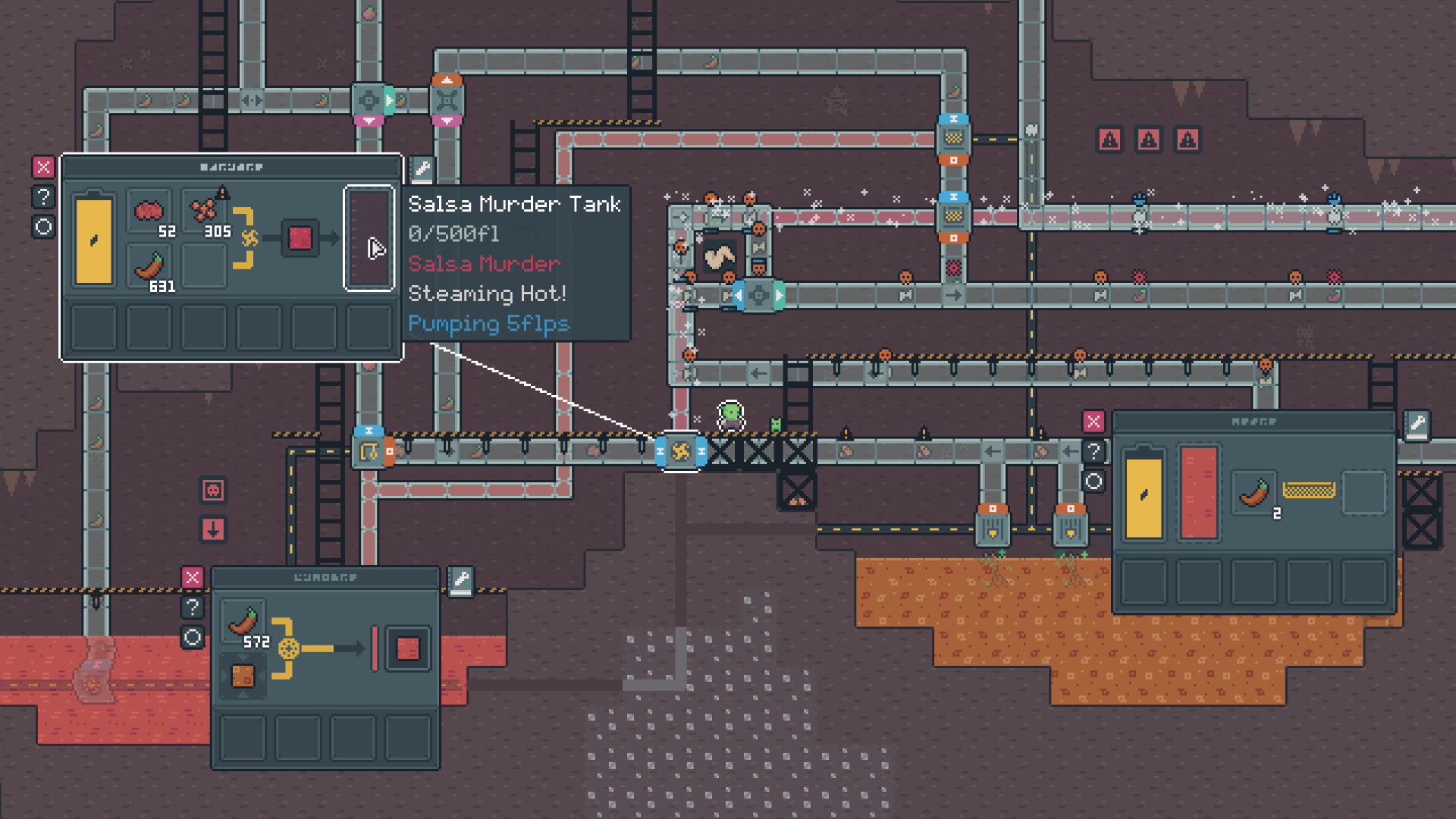
Beyond the early islands, the game introduces advanced technologies: void‑powered machines, infused liquids, steam‑based cooking, and layered dessert conveyor belts. These systems add new layers of complexity and allow for more exotic dishes.
The late‑game also brings mechanics like indigestion relief for spicy foods, requiring you to balance flavor intensity with monster tolerance. These additions keep the factory design challenge fresh even after mastering basic rules.
- Treat void‑powered machines as advanced options but watch for any special handling requirements.
- When using steam cooking, watch how it interacts with the rest of your production line.
COMMUNITY
Player discussion