 GameWiki

GET YOUR BEARINGS
About SILENT HILL: Townfall
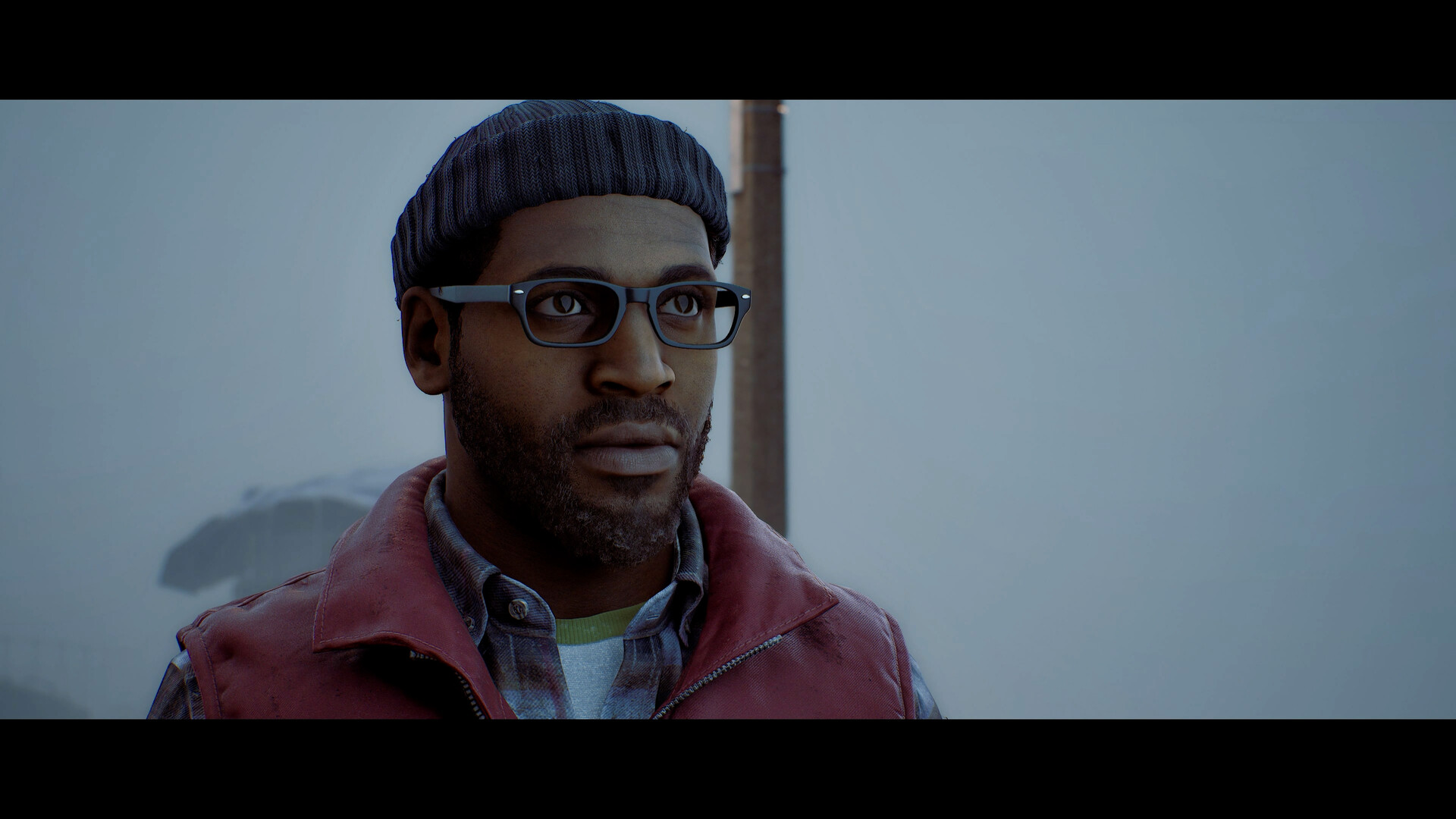
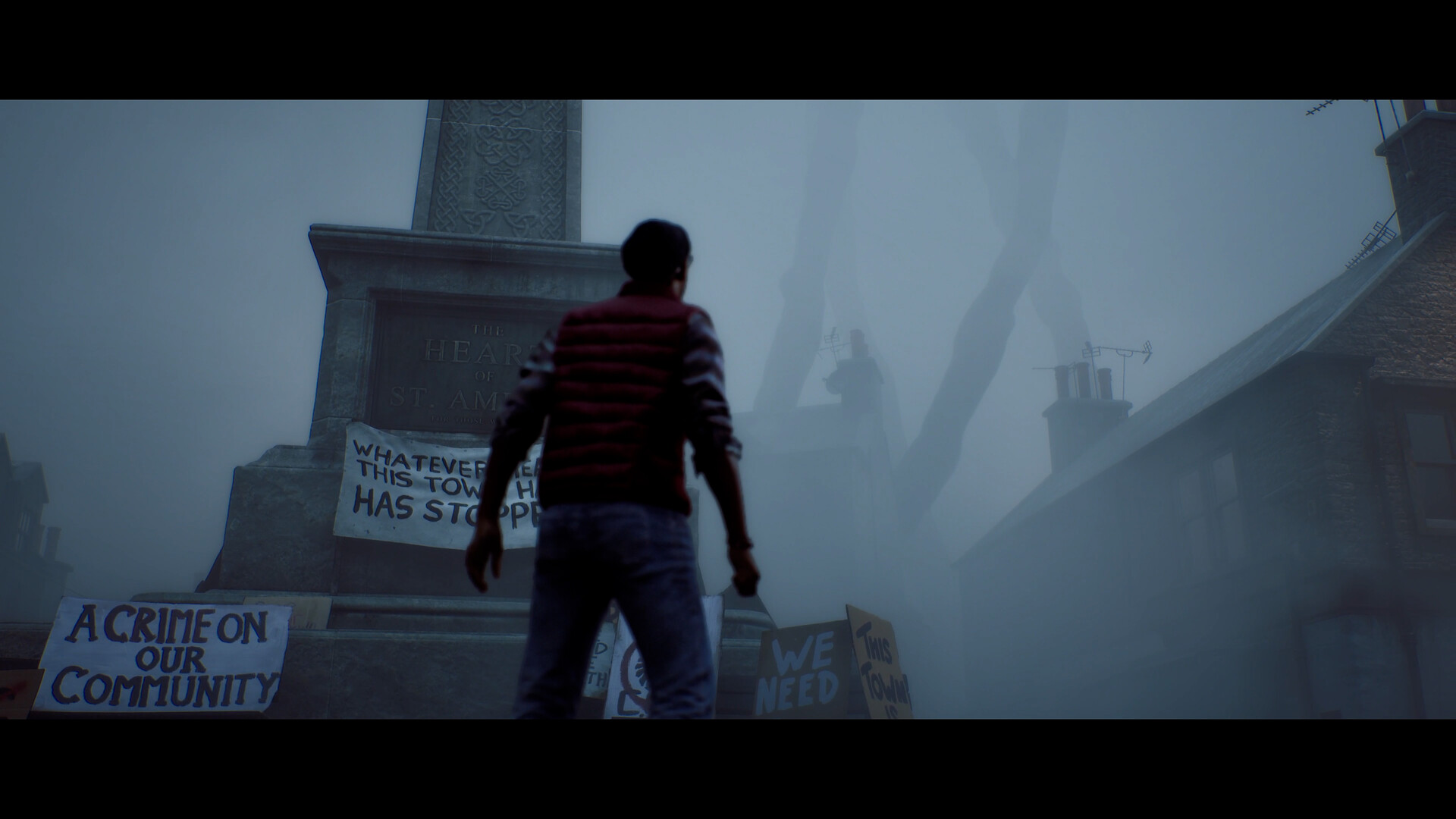
Silent Hill: Townfall places you on the fog‑shrouded Scottish island of St. Amelia in 1996, seen through Simon Ordell’s eyes. The first‑person view limits sight, making every step feel intimate and tense as you wander abandoned streets and hidden corners.
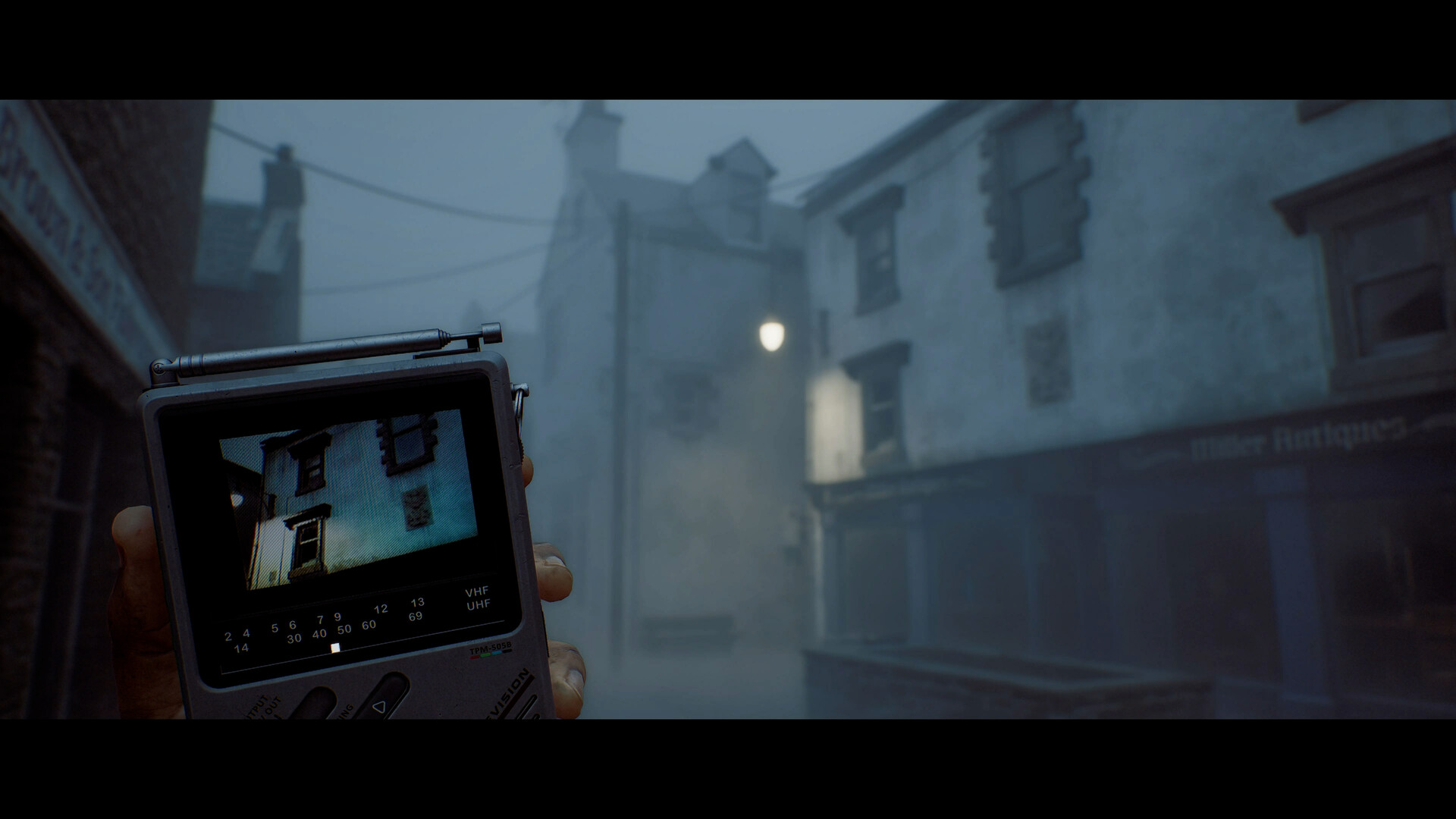
A portable CRTV picks up unstable analog signals that unlock narrative puzzles, while a dynamic soundtrack reacts to your actions. Player choices influence one of several endings, leaving a lingering impression of loss and consequence.
01 / THE GUIDE
First‑Person Perspective & Foggy Atmosphere
The game is presented entirely in first‑person, so the player experiences Simon’s view of fog‑laden streets directly. Limited visibility forces close attention to immediate surroundings, heightening the sense of proximity to danger.
Scotland’s cold, isolated 1996 backdrop is rendered with fog‑soaked streets and abandoned communities. Visual cues in the environment convey story and history without relying on dialogue, reinforcing the game’s atmospheric storytelling.
- Listen for distant sounds before moving forward; limited sight makes audio a useful early warning.
- Watch for subtle lighting shifts, as they often indicate points of interest.
02 / THE GUIDE
Combat and Evasion Options
Players can swing and block with melee weapons in frenetic encounters, and firearms are also available, reflecting the limited set of weapons and tools described for the game.
The description notes that Simon must explore, evade, and survive, indicating that evasion is a designed part of the experience alongside direct combat.
- Practice timing blocks to create openings for counter‑attacks.
- Observe enemy movement patterns to decide when evasion may be safer than direct confrontation.
03 / THE GUIDE
CRTV Narrative Puzzles
The CRTV, a portable television, captures unstable analog signals that contain threats, story fragments, and mysterious clues. Tuning the device lets players collect these fragments as part of the gameplay loop.
Narrative‑driven puzzles are tied to the CRTV signals, allowing players to relive past events and glimpse everyday life in the town while progressing through the story.
- Check the CRTV regularly; new signals often unlock the next puzzle step.
- Match signal fragments with nearby environmental details to solve puzzles more efficiently.
04 / THE GUIDE
Multiple Endings
The game features several endings shaped by the player’s actions throughout the experience, meaning the player’s actions throughout the experience shape the final outcome.
These endings are intended to leave a lasting emotional impression, reflecting the introspective themes of loss and consequence woven into the narrative.
- Consider how aggressive versus evasive approaches affect story outcomes.
- Track collected story fragments, as they may hint at which ending you are heading toward.
05 / THE GUIDE
Audio Design & Dynamic Soundtrack
Every creak, signal, and cry contributes to a rich, terrifying soundscape. The dynamic soundtrack by Pilotpriest reacts to player and enemy actions, building tension during evasion and releasing it during combat.
Custom volume controls and subtitle options let players tailor the audio experience, ensuring atmospheric cues remain clear and effective throughout the game.
- Raise ambient volume to better detect enemy proximity before visual confirmation.
- Use subtitles if audio cues become overwhelming; they still convey crucial narrative information.

COMMUNITY
Player discussion