 GameWiki

GET YOUR BEARINGS
About Scam Line
Scam Line is a party‑style social deception game for four to eight participants. Each player is isolated in a separate room and can only speak through an old mobile phone, creating limited, voice‑only communication. The game presents a series of psychological challenges where information, bluffing and alliances determine the sole winner. With simple visuals and a strong atmosphere, every round can feel unique based on player behavior.
01 / THE GUIDE
Game Premise
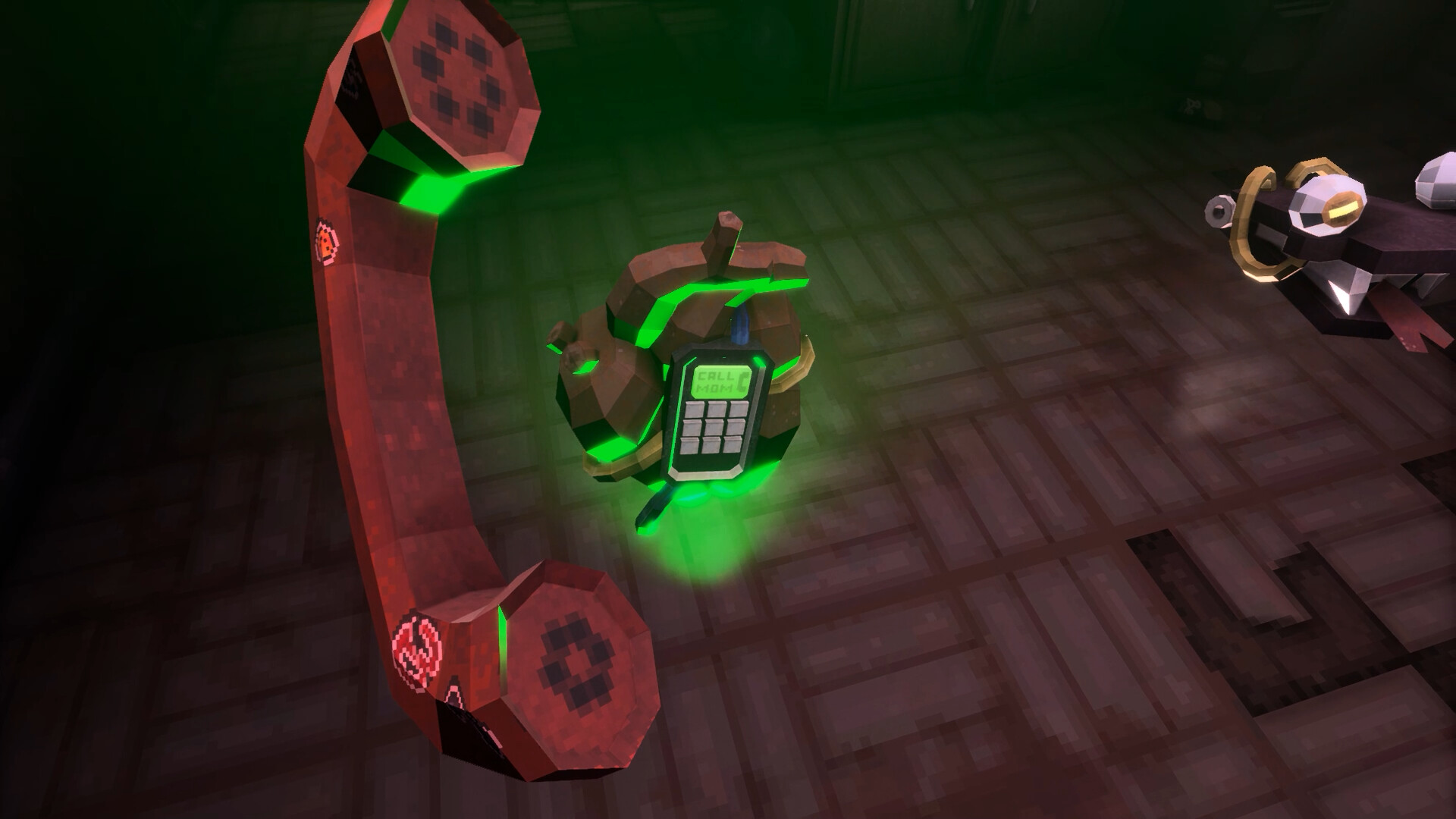
All players start locked in individual rooms, unable to see each other. Interaction occurs solely via a shared old‑style mobile phone, making visual cues impossible.
Only one participant can emerge victorious, forcing everyone to weigh cooperation against personal gain in each challenge.
- Observe vocal tone for hidden clues.
- Consider the risk of revealing too much early.
02 / THE GUIDE
Voice‑Based Communication
The game limits interaction to voice chat, removing visual signals between players. Players must convey and interpret information solely through speech.
This restriction amplifies the impact of lies, bluffs, and truthful statements, as tone becomes a primary clue.
- Speak clearly to avoid misinterpretation.
- Listen for inconsistencies in others' stories.
04 / THE GUIDE
Player Strategies
Players may form alliances, share information, or pursue darker tactics like bluffing, lying, and manipulation. Choices shape the flow of each round.
Since only one can win, strategic betrayal can be as valuable as cooperation, depending on the current challenge.
- Balance short‑term gains with long‑term trust.
- Watch for players who consistently withhold information.
05 / THE GUIDE
Visuals and Atmosphere
The game employs simple visuals that focus attention on the audio environment, enhancing tension and the feeling of isolation.
Strong atmospheric cues support the psychological mind games, making each session feel distinct despite minimal graphical complexity.
- Play in a quiet room to hear nuances.
- Adjust lighting to match the game’s mood.


03 / THE GUIDE
Social Challenges
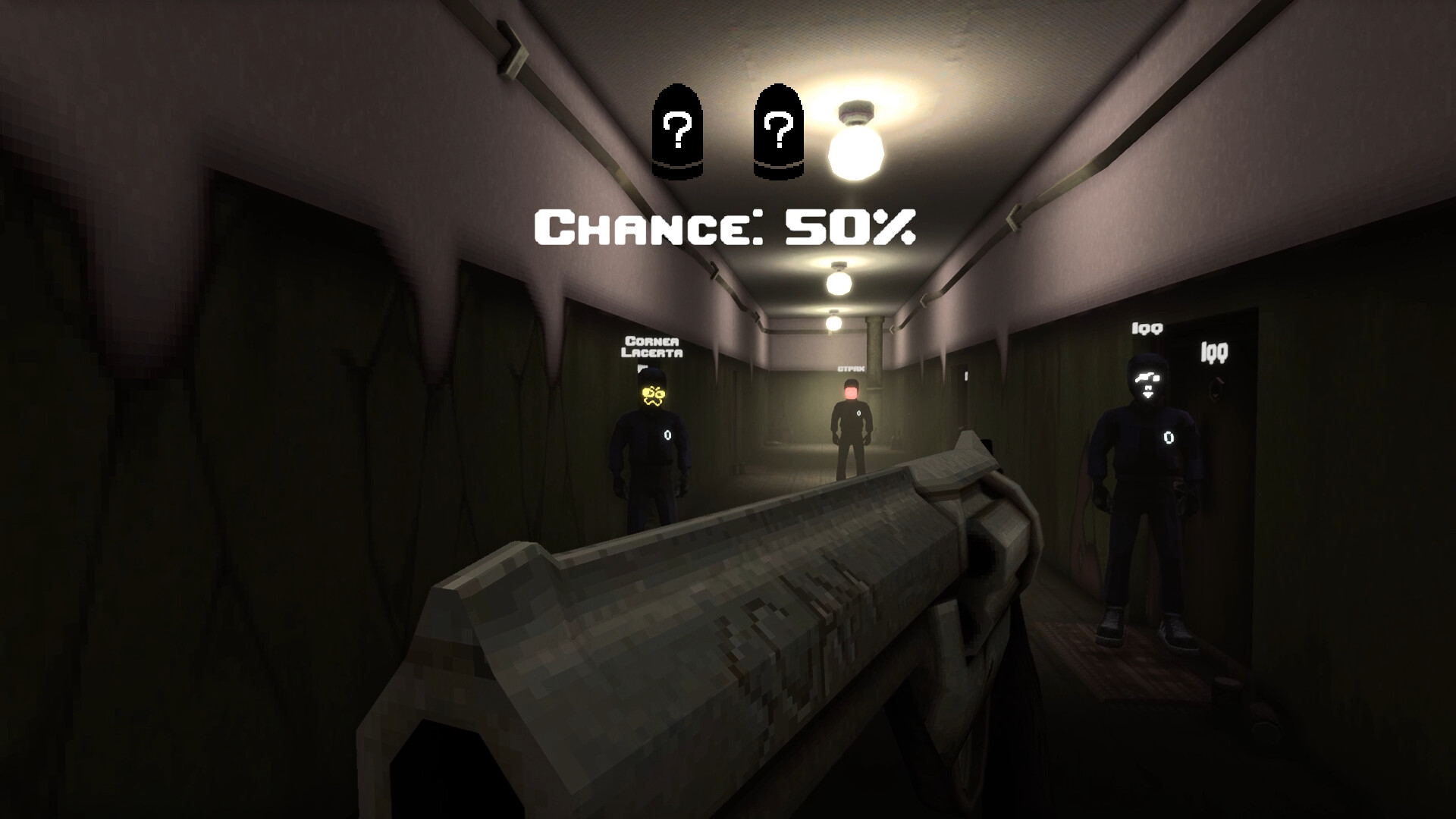
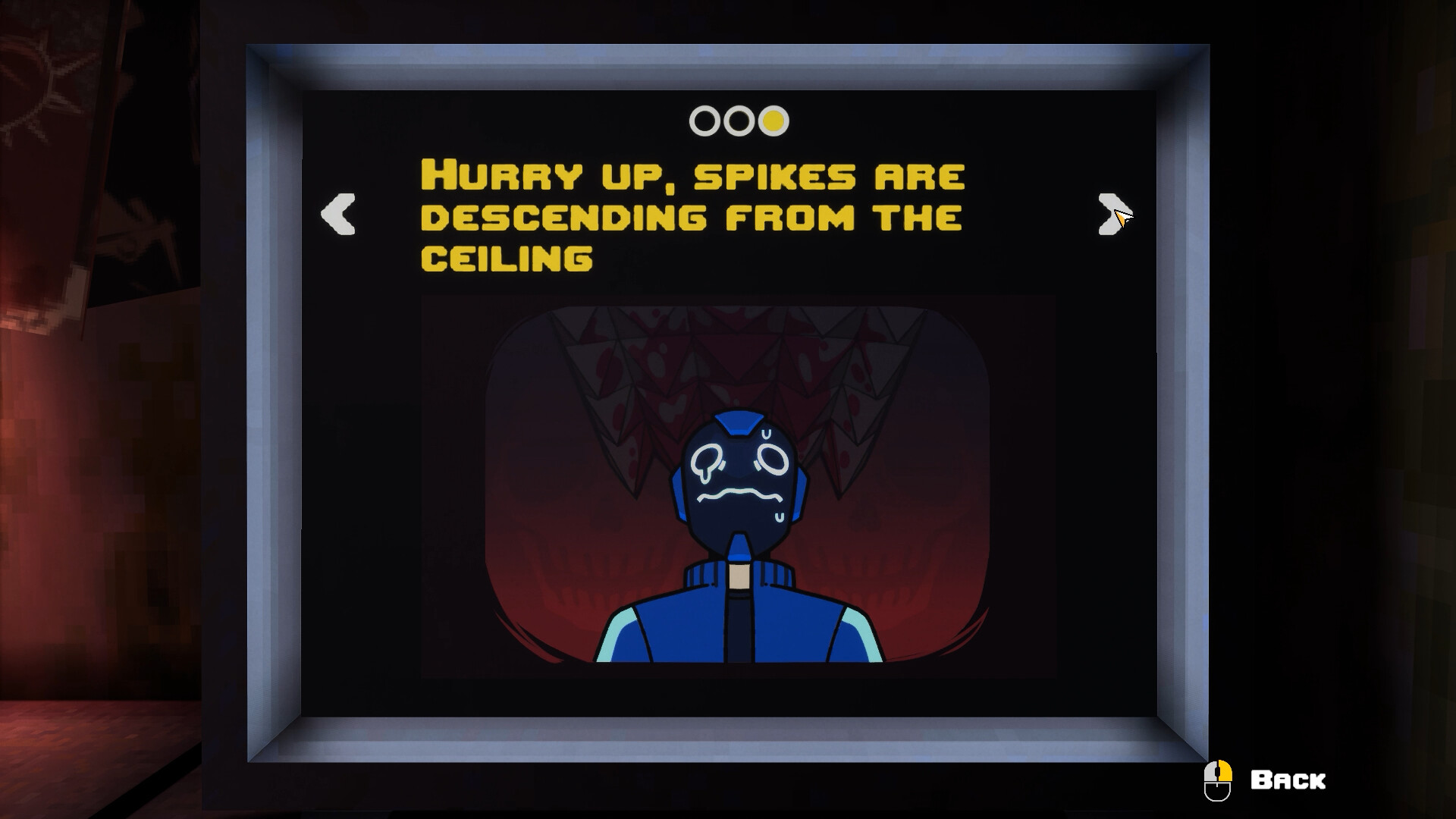
Early Access includes 22 distinct challenges such as learning neighbours’ room numbers, spotting different clothing, and playing a Prisoner’s Dilemma scenario.
Each challenge tests reading people and the ability to deceive, with no single correct answer—only consequences.