 GameWiki
GET YOUR BEARINGS
About Rule the Waves 3
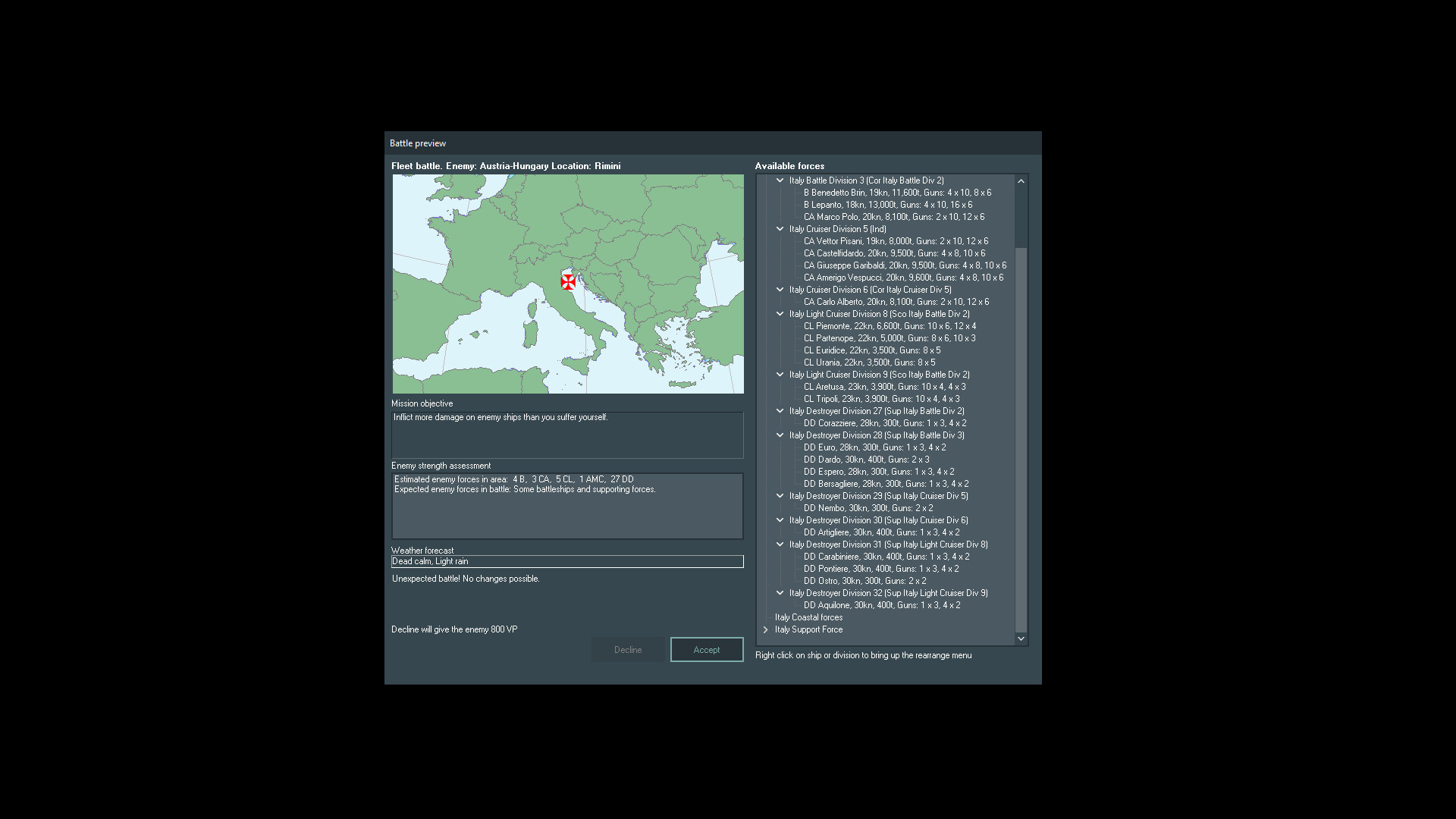
Rule the Waves III puts you in the role of Grand Admiral, letting you design, build and command a navy from the steam‑driven pre‑Dreadnought era through the missile age. The game spans 1890‑1970, covering rapid technological change and shifting political tensions.
You manage ship construction, fleet deployment, budgets and diplomatic pressures while guiding your navy through realistic tactical battles. Historical events, treaties and espionage add depth, and you can shape an alternate naval history each playthrough.
01 / THE GUIDE
Campaign Start Dates
Campaigns may begin in 1890, 1900, 1920 or 1935, allowing you to experience different technological baselines. Each start date determines the initial ship designs and geopolitical landscape you inherit.
Choosing an earlier start gives more time for research and construction before major conflicts, while later starts place you amid emerging air and missile technologies. This influences strategic planning and fleet composition from the outset.
- Consider starting in 1890 if you enjoy a longer research curve before major wars.
- A 1935 start lets you experiment with aircraft carriers and missiles during the campaign.
02 / THE GUIDE
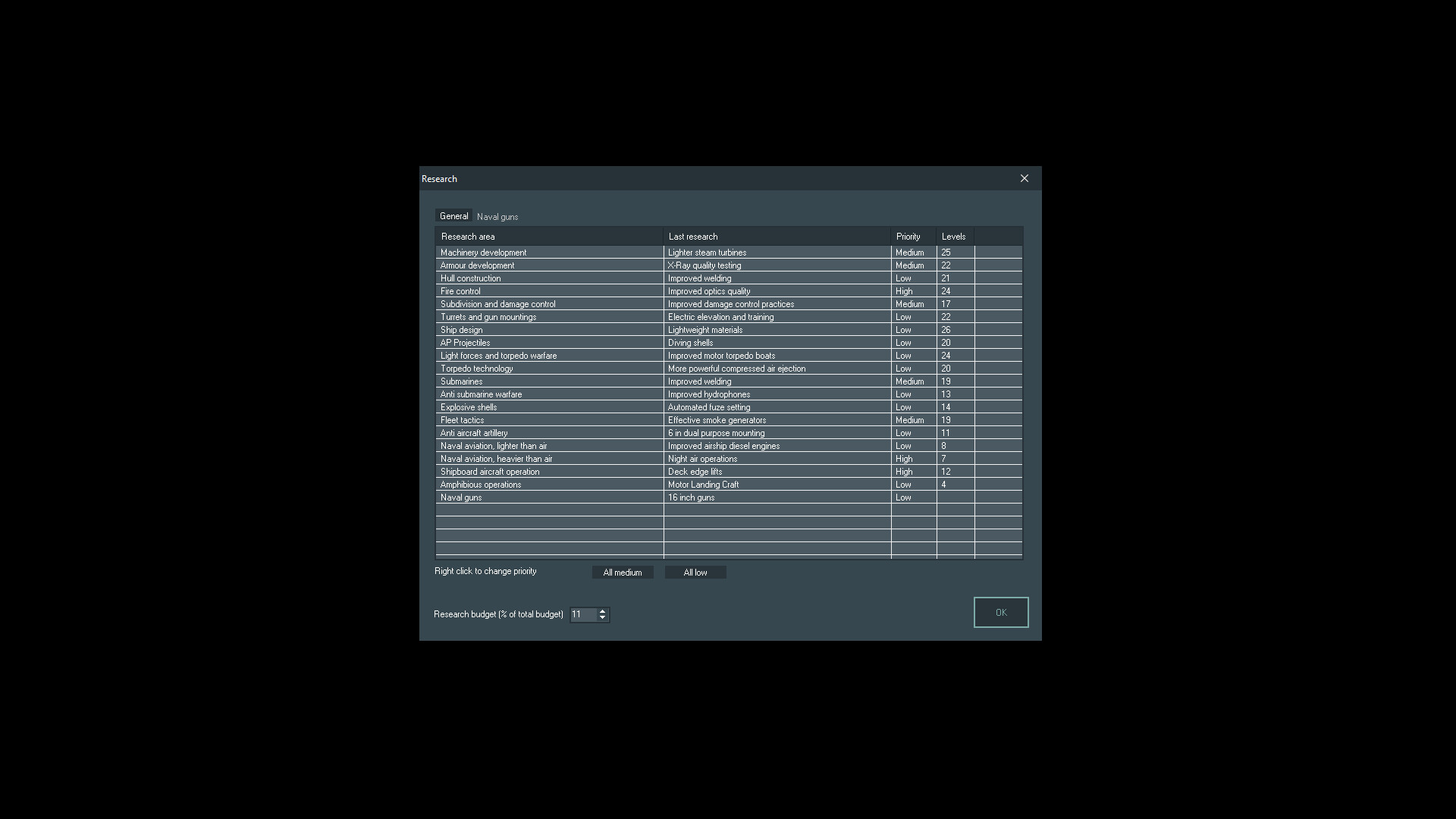
Ship Design and Research
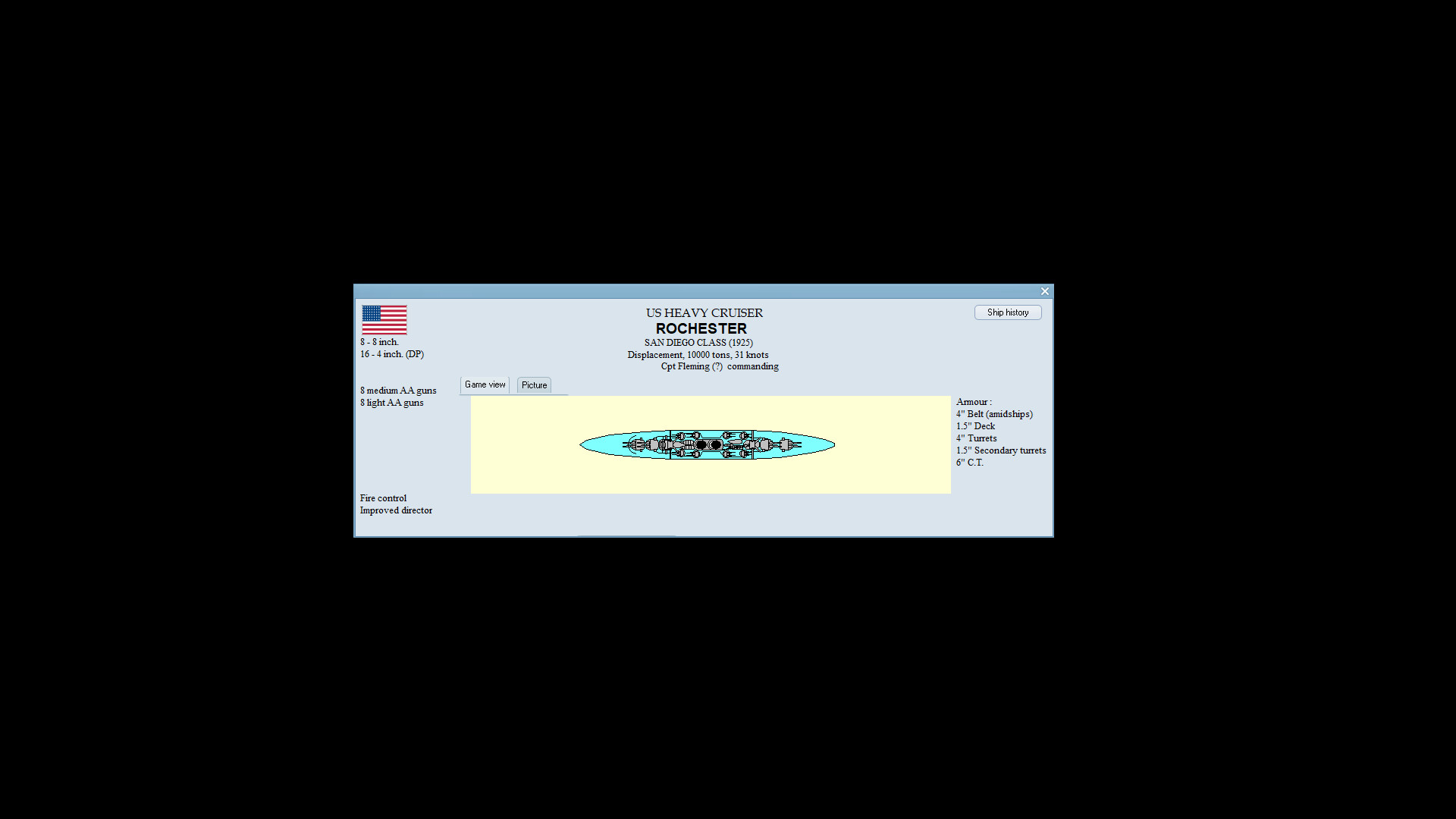
The game features realistic design of vessels ranging from corvettes to battleships, aircraft carriers and missile cruisers. Research and technical development drive the capabilities of each new class.
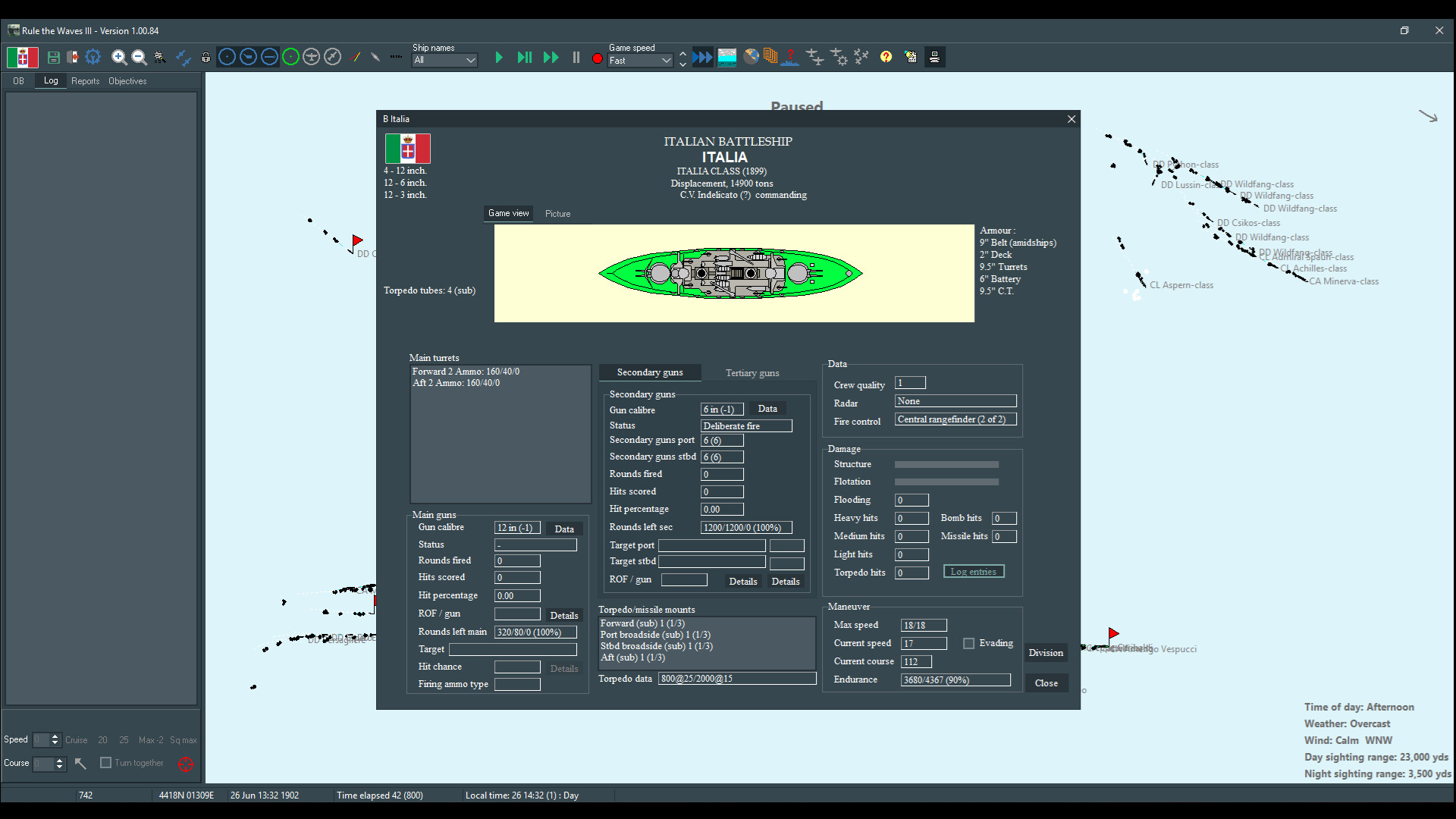
Advances in submarines, airships, aircraft and missiles appear as you progress, reshaping the naval balance. Your design choices directly affect tactical options in the battle resolution system.
- Balance armor, speed and firepower when designing early‑war ships.
- Invest in missile technology later to stay competitive against carrier‑centric fleets.

03 / THE GUIDE
Naval Budget and Political Influence
You manage a naval budget while dealing with interfering Kaisers, presidents or navy ministers. Political events and naval treaties can constrain or expand your construction options.
Budget decisions affect how quickly you can build and maintain ships, and political pressure may force you to prioritize certain projects or adhere to treaty limits.
- Allocate funds to research early to unlock advanced ship types later.
- Monitor political events to anticipate treaty restrictions on capital ships.
04 / THE GUIDE
Espionage and Historical Events
Espionage keeps you informed about rival navies' progress, allowing you to react to their technological advances. Historical events, such as treaty signings, are woven into the gameplay timeline.
Staying aware of competitors' developments can guide your own research priorities and fleet deployments, ensuring you are not caught off‑guard by sudden shifts in naval power.
- Use espionage reports to time your own missile research before rivals field them.
- Track treaty dates to plan ship construction that complies with or anticipates limits.
05 / THE GUIDE
Playable Nations and Fortifications
You can play as USA, Great Britain, Germany, France, Russia, Italy, Japan, Spain, Austria‑Hungary, or China. Each nation brings its own historical context and starting resources.
Beyond ships, you can construct coastal fortifications, airbases and other defenses, adding strategic depth to territorial control and protecting key maritime approaches.
- Select a nation with strong industrial base if you prefer rapid ship production.
- Build coastal forts near choke points to deter enemy fleet incursions.
COMMUNITY
Player discussion