 GameWiki

GET YOUR BEARINGS
About Rocket Engineer
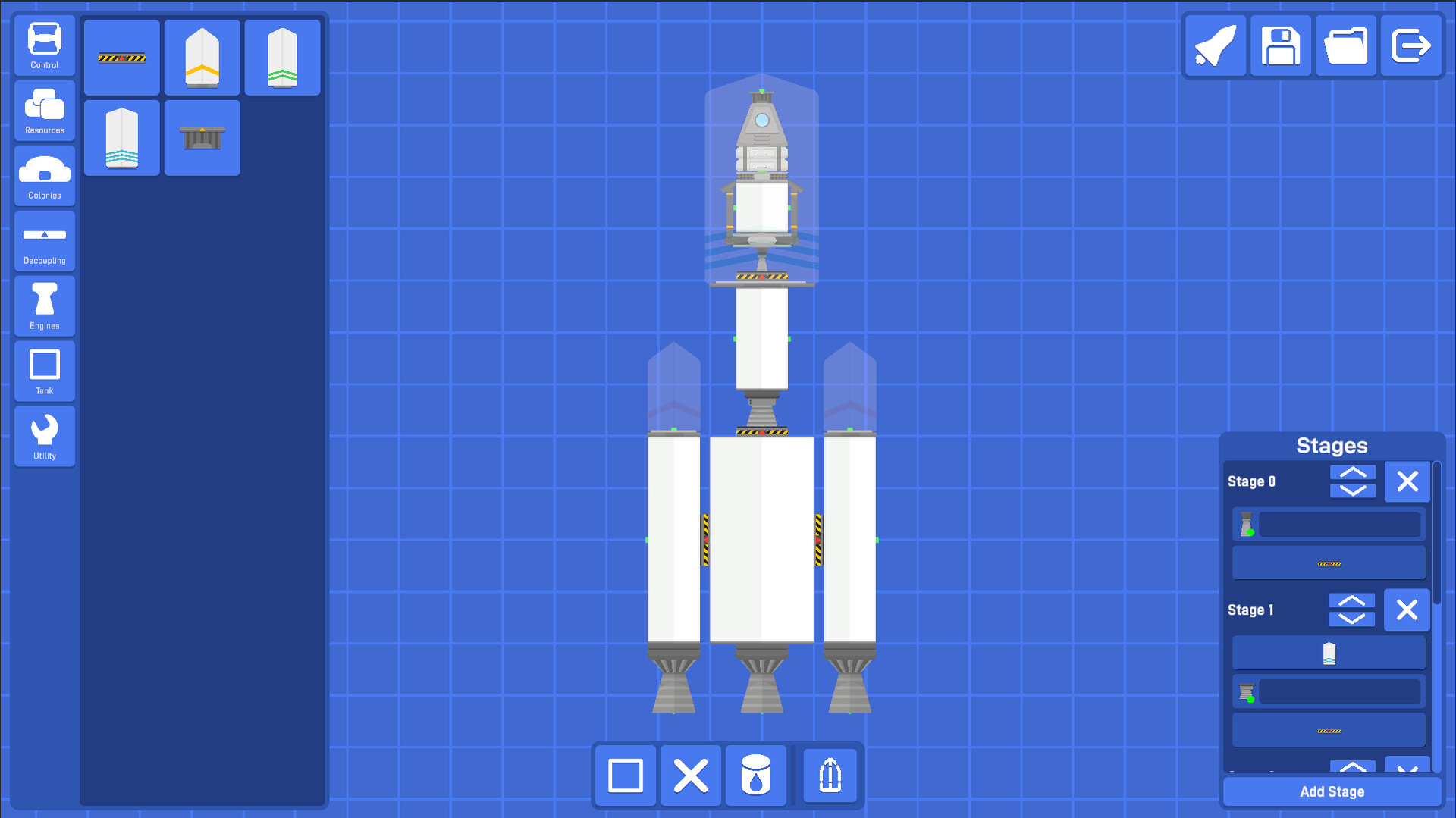
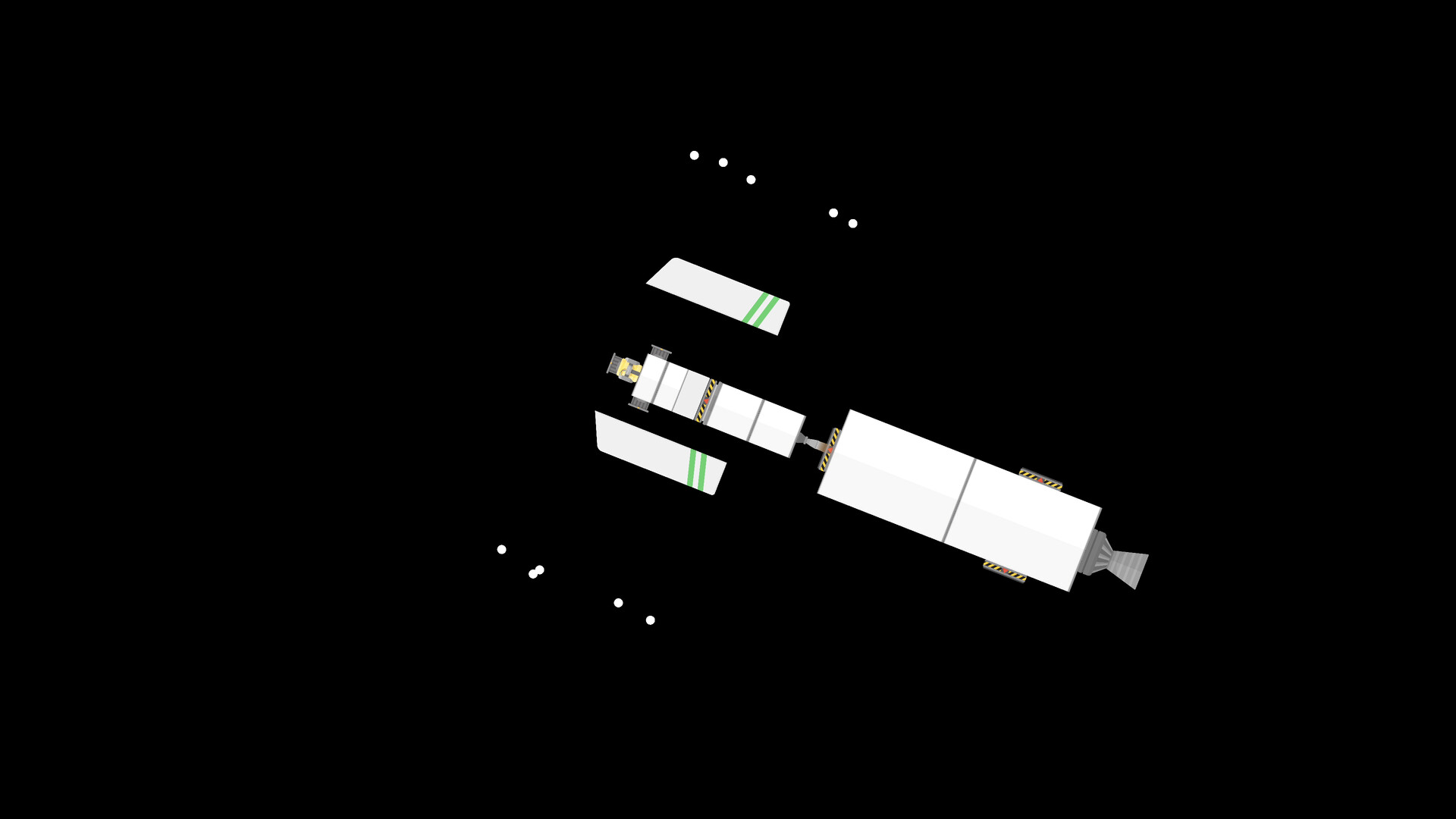
Rocket Engineer lets you design custom rockets and master 2D orbital mechanics inside a fully simulated solar system. You build outposts, extract and process resources, and launch interplanetary missions while keeping a colony’s workforce supplied with food and water.
The game features realistic physics, a wide variety of parts each with unique properties, and a development approach that incorporates community feedback throughout its early‑access life.
01 / THE GUIDE
Rocket Design
A large catalog of parts—from assembly storage to launchpad components—lets you construct rockets for any mission. Each part carries its own properties, so selecting the right combination shapes how the vehicle performs.
The realistic physics system reacts to those choices: a balanced design can reach distant worlds, while mismatched parts may cause a spectacular crash. Experimentation before launch helps you understand how each property shapes performance.
- List part properties side‑by‑side to spot the most efficient match for a target orbit.
- Build a small test vehicle first to see how the physics respond to your selections.
02 / THE GUIDE
Colony Management
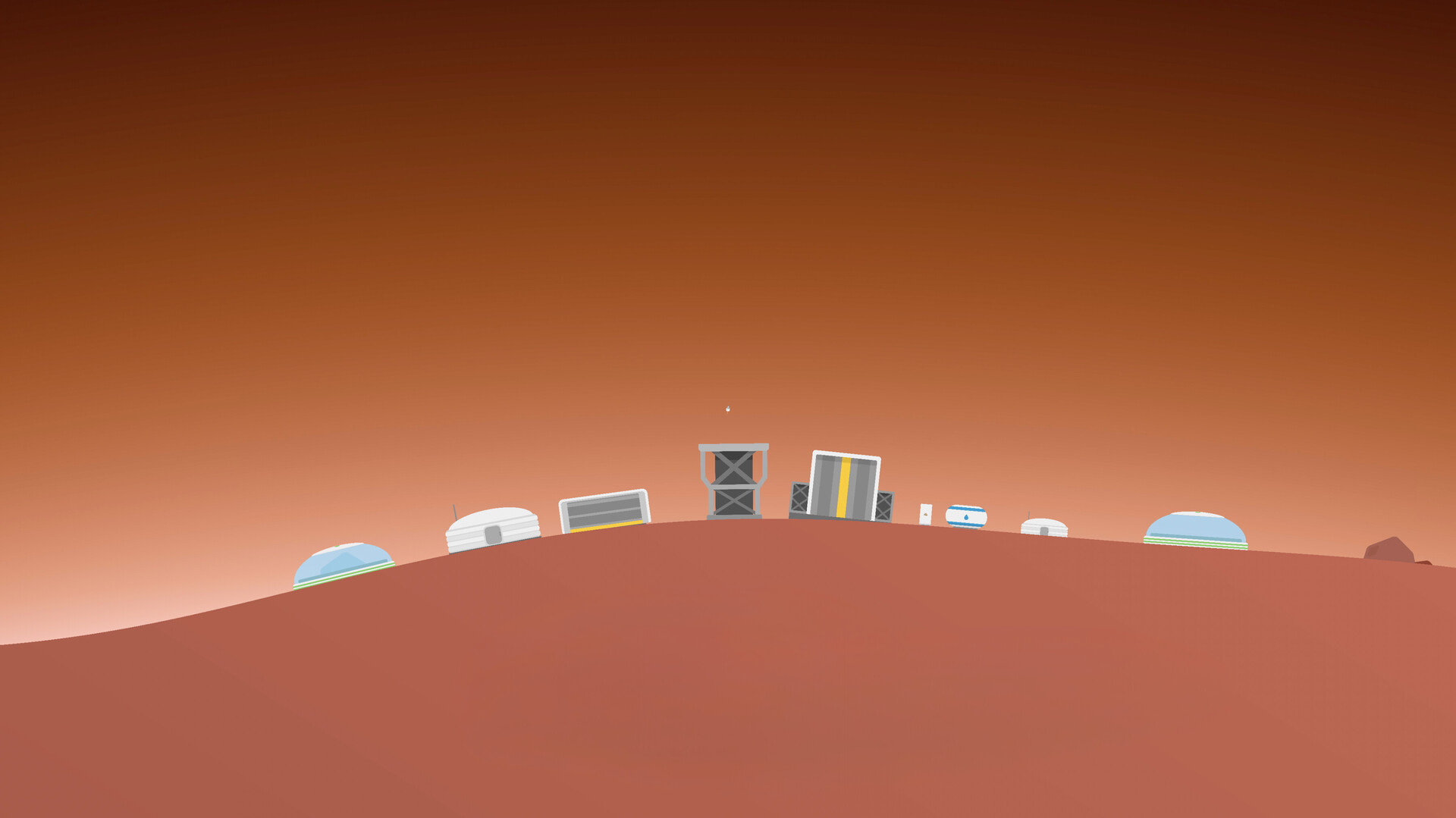
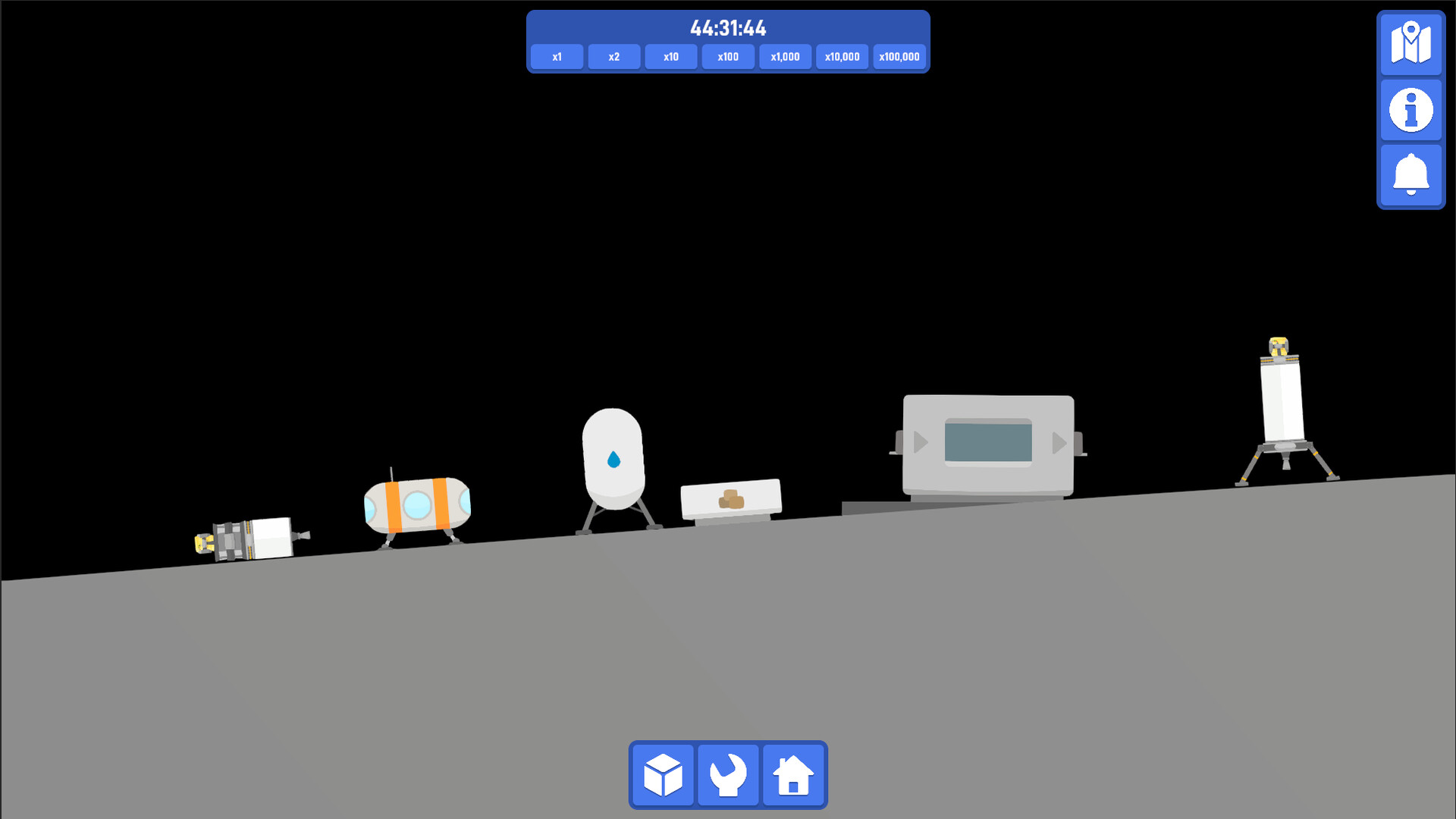
Outposts let you extract local resources and process them into components needed for rocket construction. Workers operate the facilities, but they require a constant supply of food and water to stay conscious.
If the workforce becomes unconscious, production stops entirely. Maintaining uninterrupted food and water logistics is therefore essential for steady output and for supporting ongoing missions.
- Prioritize delivery routes for food and water to avoid worker downtime.
- Balance extraction rates with the number of workers you can keep supplied.
03 / THE GUIDE
Orbital Physics
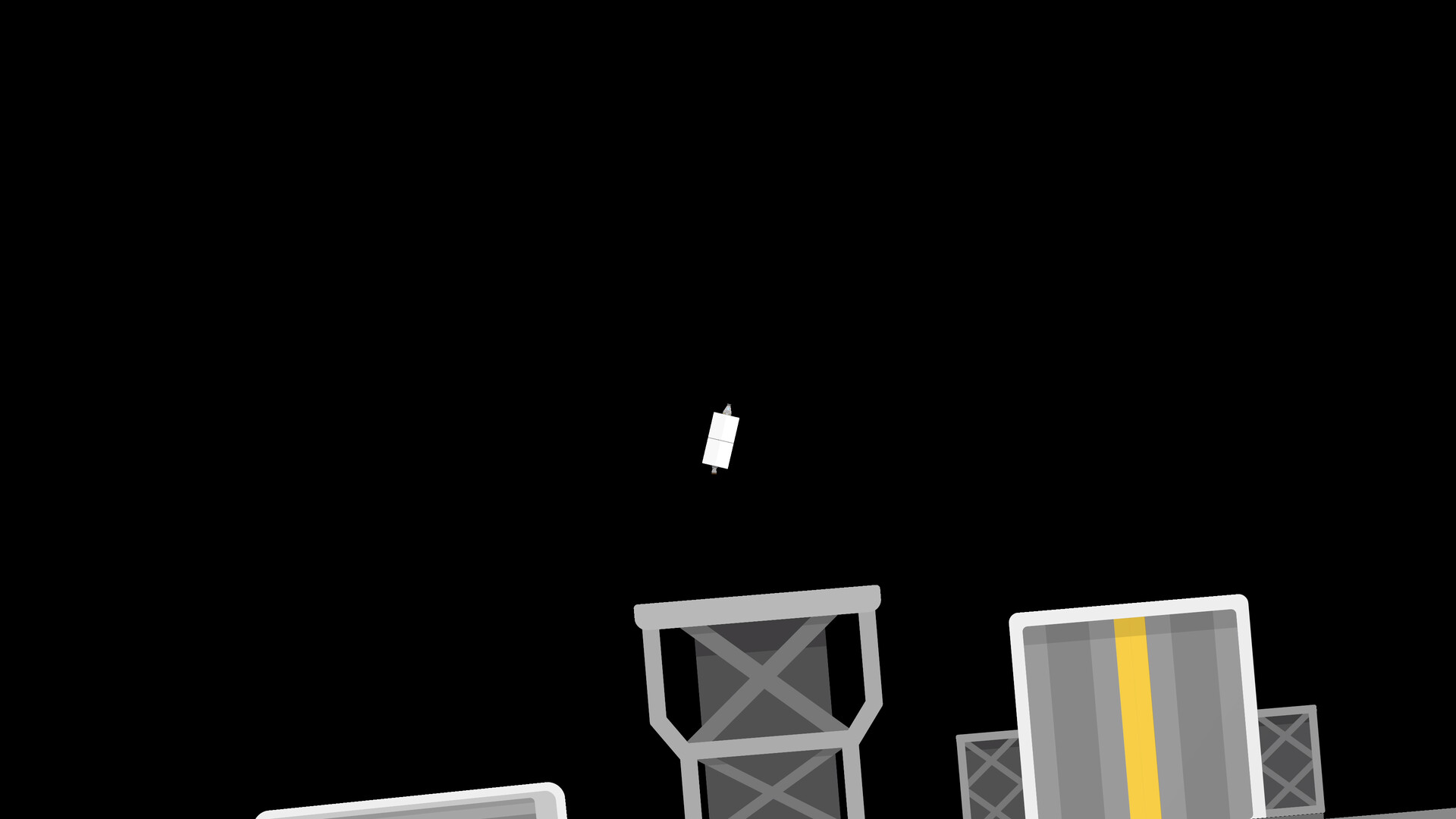
The game’s realistic physics system governs how rockets travel between planets in a 2‑dimensional space. Mastering thrust vectors and orbital curves is key to reaching new worlds.
Understanding how small adjustments to thrust timing affect trajectories lets you plan efficient interplanetary routes and avoid crashes, turning physics knowledge into a practical navigation tool.
- Sketch basic orbital paths to predict how thrust changes will alter your course.
- Run short test launches to see the immediate effect of angle adjustments.
04 / THE GUIDE
Resource Processing
Raw materials gathered at colonies can be refined into usable rocket components. Processing facilities link extraction directly to construction, creating a loop that supports continuous mission preparation.
Placing processors near extraction sites reduces transport distance, speeding up part production and allowing you to launch rockets more frequently.
- Map extraction points and locate processing units nearby to cut travel time.
- Monitor output rates to ensure you have enough parts for upcoming builds.
05 / THE GUIDE
Community Feedback
Developers emphasize community involvement throughout the game's early‑access development. Player suggestions are reviewed and can shape updates.
This iterative approach means the game evolves based on documented player ideas, giving the community a tangible influence on future content.
- Share design ideas with the developers to potentially see them taken into account.
- Read developer notes to track which community suggestions have been adopted.
COMMUNITY
Player discussion