 GameWiki
GET YOUR BEARINGS
About Rise of Industry 2
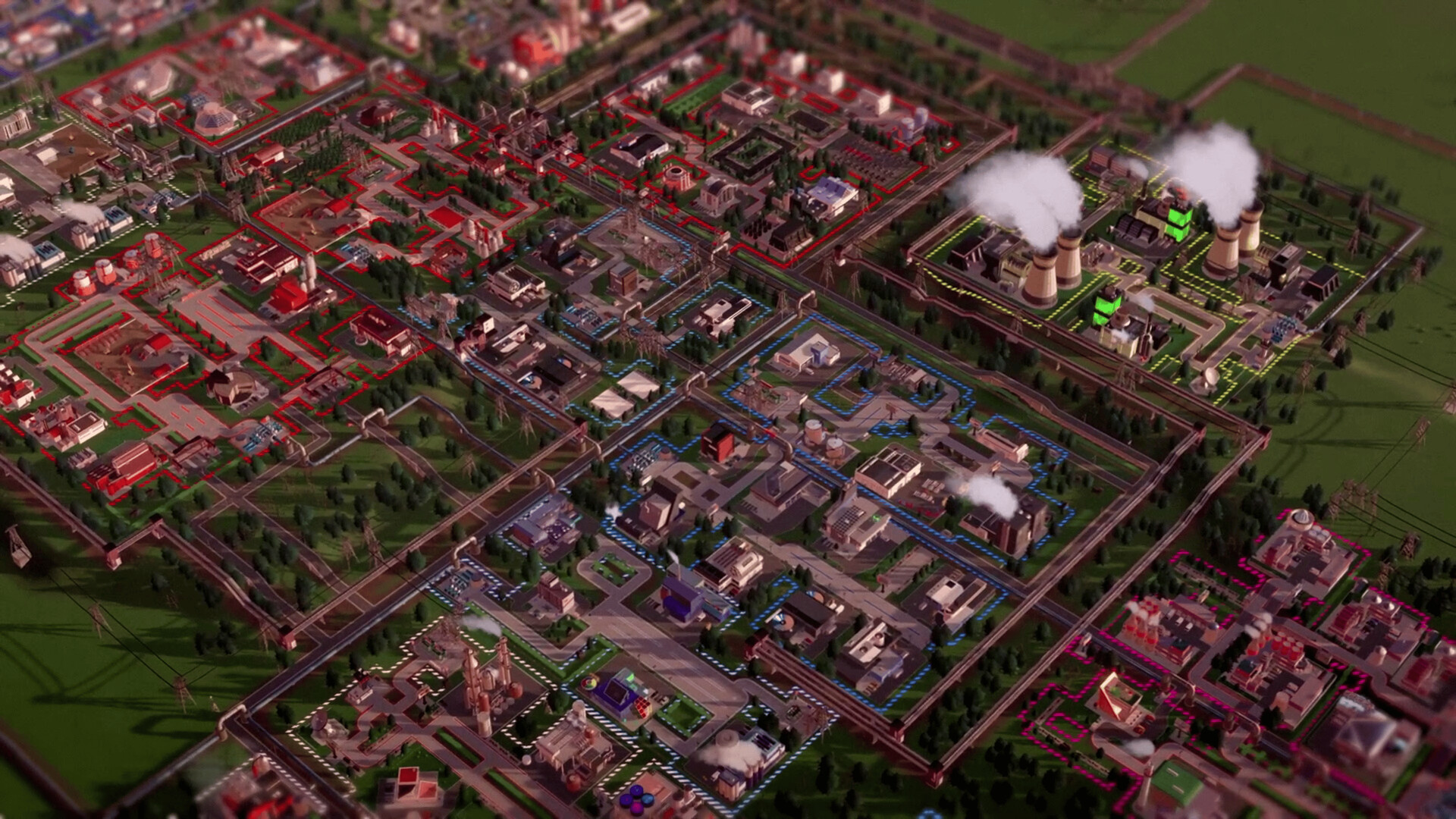
Rise of Industry 2 places you in the United States of the 1980s, a period of rapid innovation and expanding global trade. You are tasked with building factories, power plants, farms and other complexes, then linking them with utility networks to turn raw resources into consumer products.
The game offers a fifteen‑scenario campaign, each with a different challenge, plus a sandbox mode where you can design any industrial layout, hire executives, research new technologies and negotiate contracts with worldwide contacts.
01 / THE GUIDE
Campaign Mode
The campaign contains fifteen distinct scenarios, each presenting a unique challenge with objectives that can involve industry goals and relations with the local government. Success unlocks further investment from the board of directors.
Each scenario requires you to balance resource extraction, production, and global trade while keeping executive contacts satisfied. The varied objectives encourage different factory layouts and research priorities across the campaign.
- Read the scenario brief before placing any facility to align early construction with the stated goal.
- Track both profit margins and board objectives simultaneously to avoid unexpected setbacks.
02 / THE GUIDE
Sandbox Mode
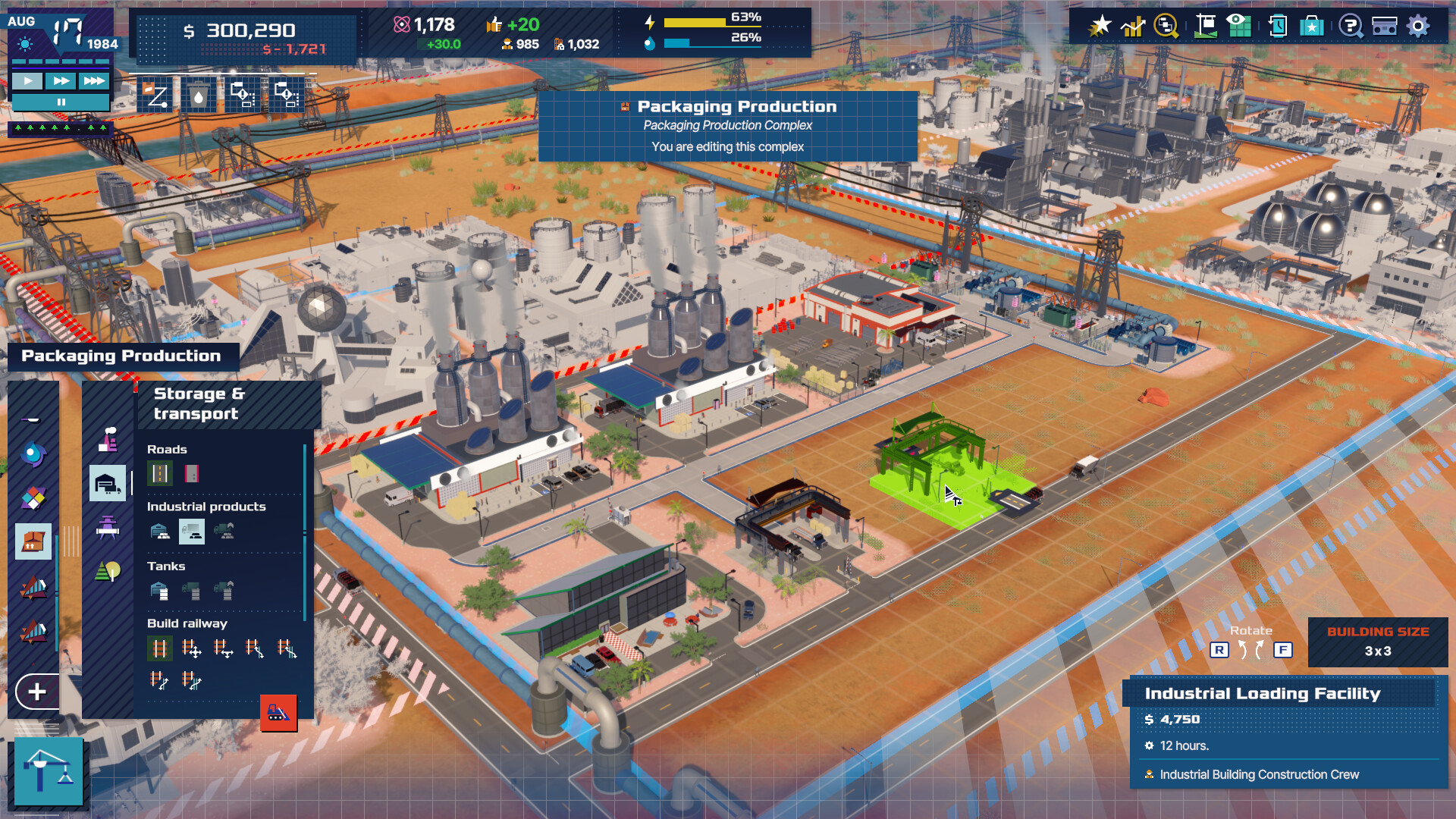
Sandbox mode removes preset objectives, allowing you to define your own path to success. You can place specialized complexes, build utility networks, and experiment with any production chain without scenario limits.
The mode supports unlimited experimentation with imports, exports, research and executive hiring, letting you test combinations such as a winery linked to a distillery or a mining operation feeding a battery factory.
- Use sandbox to trial new technologies before committing to them in a campaign scenario.
- Design a flexible power grid early so later expansions require minimal re‑wiring.
03 / THE GUIDE
Production Chains
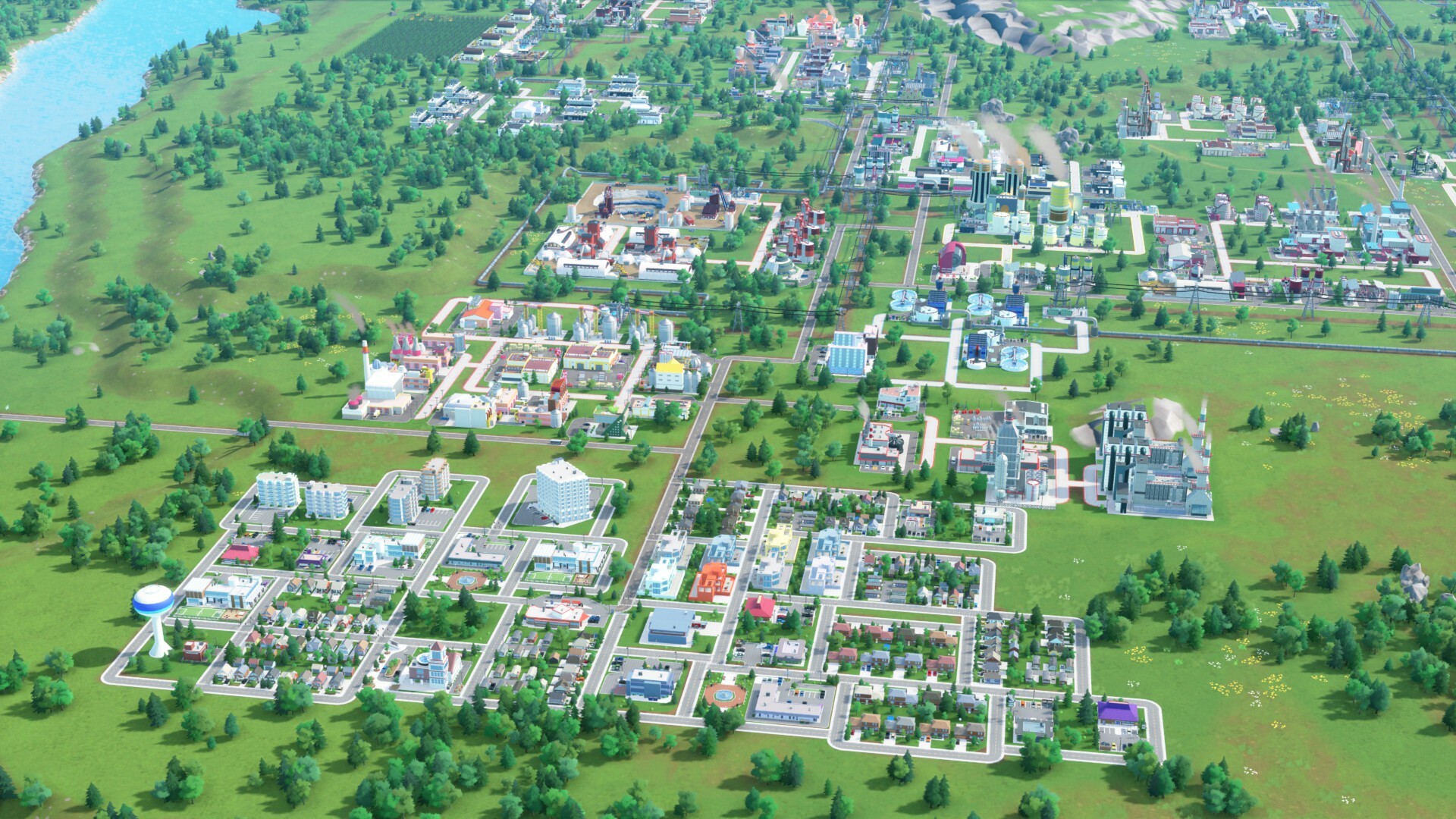
Factories, power plants, industrial furnaces and farms convert raw inputs into finished goods such as televisions, vinyl records, candy, toys, batteries, vodka, whiskey and beer. Each facility has defined inputs and outputs that must be linked for efficient flow.
Importing scarce resources can accelerate a chain, while exporting finished products generates profit on the global market. Managing these flows is essential for meeting scenario goals and maximizing sandbox earnings.
- Map the input‑output relationship of each building to spot bottlenecks early.
- Consider importing high‑value raw materials when local supply is insufficient.
04 / THE GUIDE
Research and Technology
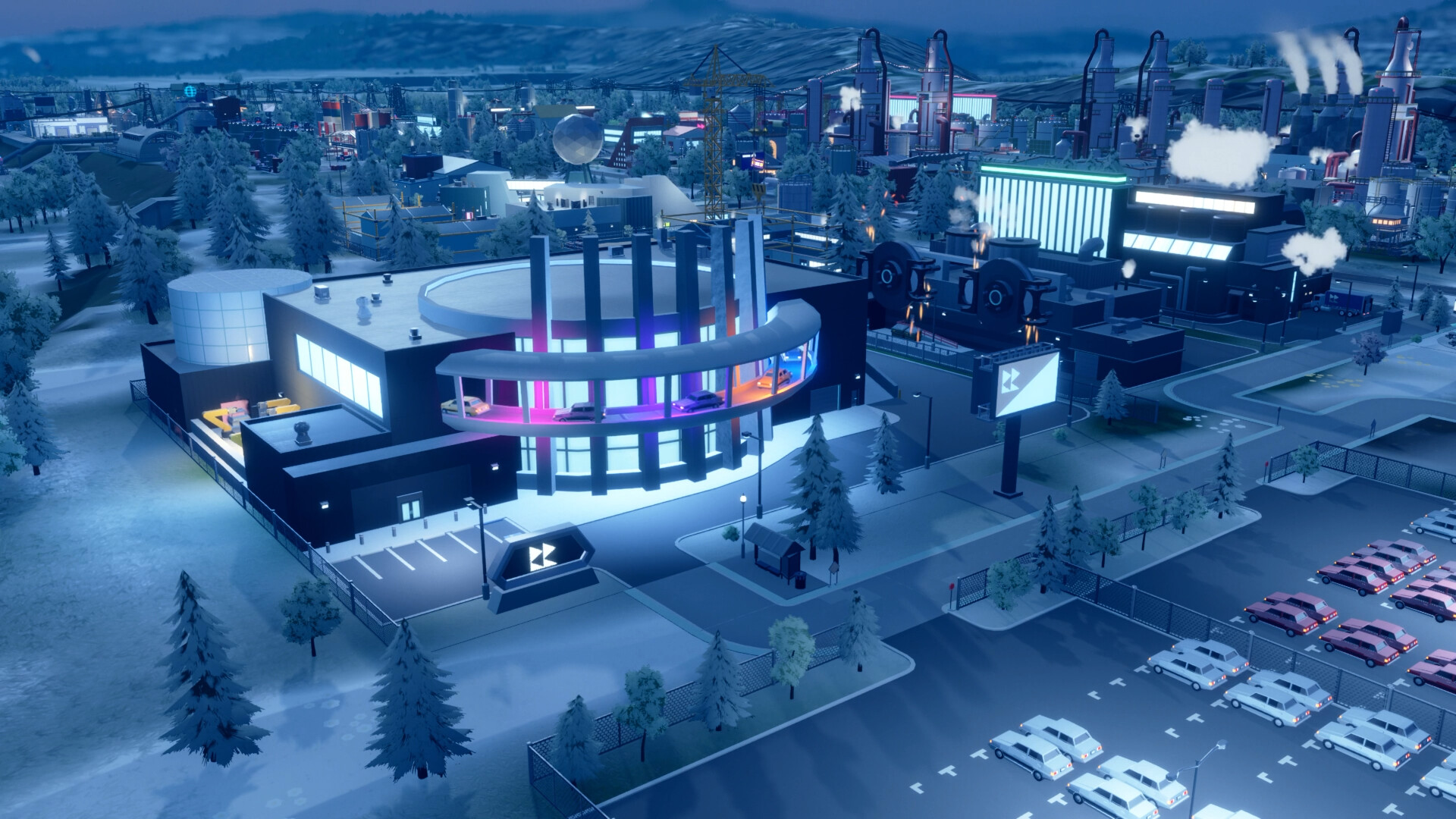
Labs let you set research strategies that unlock new technologies, expanding the catalog of producible items and improving factory efficiency. New tech can add products such as computers, video game consoles or advanced industrial equipment.
Choosing research that complements existing production lines can increase output rates, while unrelated tech may open entirely new market opportunities. Balancing cost against expected profit is a key strategic decision.
- Prioritize research that directly enhances your current high‑profit chains.
- Compare the research cost with the projected increase in product value.

05 / THE GUIDE
Social Network and Executives
Success depends on cultivating contacts with CEOs, executives and local officials. Trading contracts and introductions open new markets and provide access to additional resources.
Hiring integral executives improves operational efficiency, while investing in the local town strengthens your relationship with the government, helping ensure a strong relationship with the local government.