 GameWiki

GET YOUR BEARINGS
About Richman10
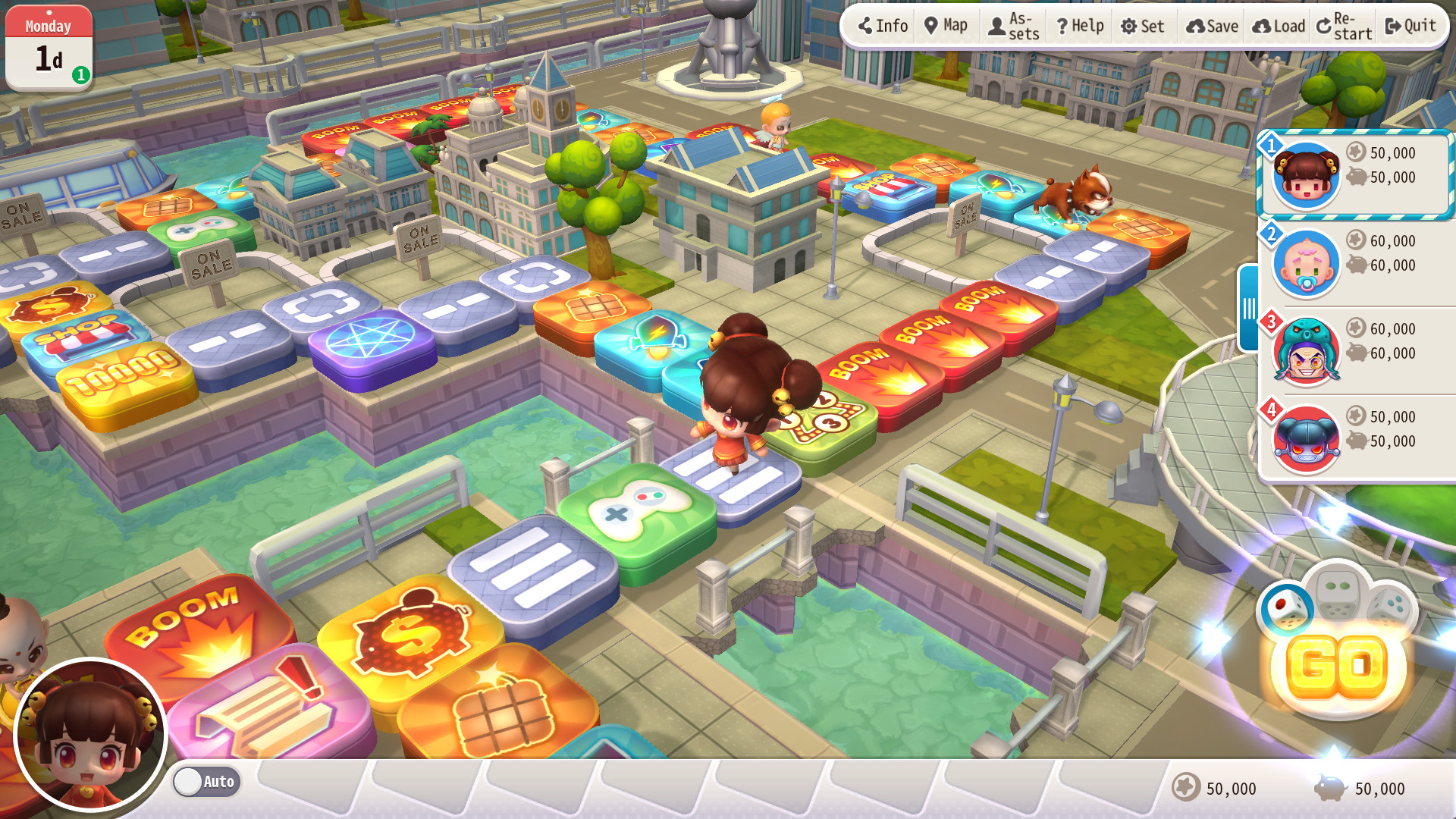
Richman10 is a turn‑based board game where each player begins with a deposit, cash and a hand of cards. Dice rolls decide how many steps a player moves each turn, and landing on an opponent’s property triggers either a purchase of a landless plot or a toll payment.
A “hot‑fighting” variant replaces most property squares with card grids, making card collection and use the primary way to affect opponents’ cash. The game also offers a team‑formation mode and a story‑checkpoint mode that emphasize cooperation and narrative challenges.
01 / THE GUIDE
Turn Mechanics
Each round follows a turn system; players start with set deposits, cash and cards. The number of steps moved each turn is determined by casting dice, creating variable positioning for all participants.
When a player lands on an opponent’s property, the rules allow either buying the landless plot or paying a toll, directly influencing cash balances and future strategic options.
- Track dice outcomes to anticipate likely landing zones.
- Weigh the benefit of buying a landless plot against the immediate toll cost.
02 / THE GUIDE
Card System
Cards are purchased directly with money, and in hot‑fighting mode card grids across the map supply cards. Using cards lets players intervene in randomness, enhance strategy and affect opponents’ cash directly.
In hot‑fighting mode, cards dominate the board; collecting and playing them can cause monetary damage that may lead to an opponent’s bankruptcy and secure victory.
- Balance card purchases with cash reserves to avoid overspending.
- Observe which cards produce the most cash impact in each match.

03 / THE GUIDE
Map Features
Beyond the real‑estate grid, the map includes bank, news, shop, magic house and other event lattices. These lattices add variety and unpredictability to matches.
These event tiles add variable opportunities and challenges that shape each round’s outcome.
- Note which event tiles tend to appear early in a match.
- Consider the timing of card draws when landing on special tiles.
04 / THE GUIDE
Team Formation Mode
Players may form arbitrary teams; teammates can cover each other's property, reducing exposure to opponent tolls and strengthening collective holdings.
Teams can also develop strategies such as setting fire to an enemy’s holdings, which accelerates the game’s rhythm through coordinated attacks.
- Coordinate property coverage to minimize opponent tolls.
- Plan joint attacks to quickly reduce an opponent’s cash.
05 / THE GUIDE
Story and Biography Mode
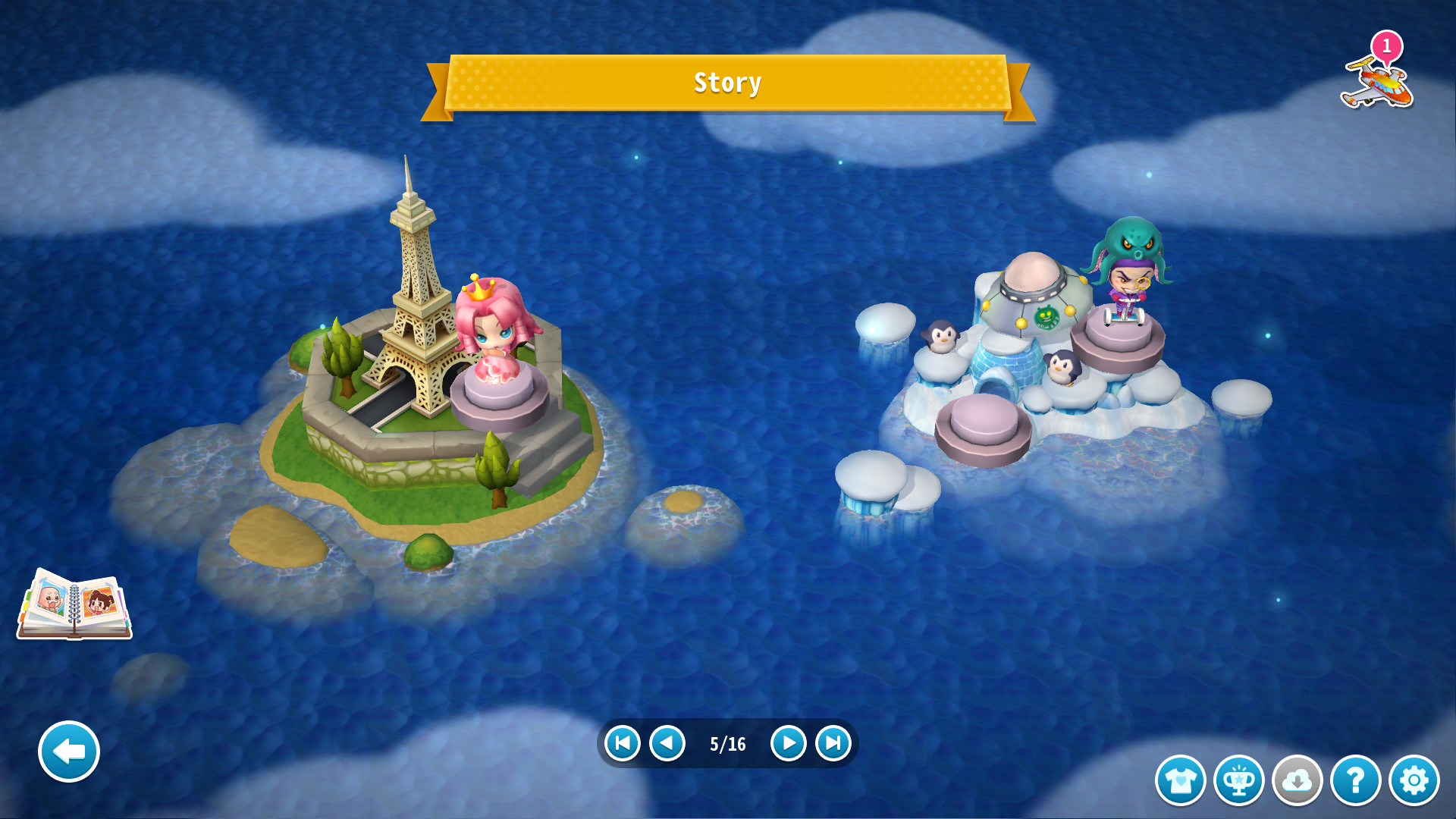
Checkpoint‑based story mode presents moderately difficult barriers that are suitable for both young and old players, focusing on positive‑energy narratives of friendship and justice.
The mode blends core mechanics with a structured storyline, offering an accessible entry point that gradually introduces card use, turn flow and event tiles.
- Follow the storyline to learn core mechanics step by step.
- Use early checkpoints to practice card and turn strategies before tougher challenges.


COMMUNITY
Player discussion