 GameWiki

GET YOUR BEARINGS
About Returns Outlet Simulator
Returns Outlet Simulator puts you behind the counter of a fledgling returns business. You purchase mystery pallets, unbox them in first‑person view, and decide whether to sell the items as‑is or repair them at the workbench. The game blends blind purchasing with hands‑on repair work, letting you grow a modest shop into a larger outlet.
As profits increase you can expand retail space, upgrade repair tools, and access higher‑tier pallets. Every pricing or repair decision directly affects your cash flow, creating a loop of risk, reward, and management that drives the simulation forward.
01 / THE GUIDE
Mystery Pallet Purchasing
The core loop begins with buying mystery pallets that contain a random assortment of returned goods. You never know if a pallet holds premium electronics or a collection of broken items, so each purchase is a gamble that requires weighing cost against potential resale value.
Because the contents are randomized, early play benefits from starting with lower‑cost pallets to learn the range of possible loot. Observing the typical value of items you receive helps you gauge how much to spend on future pallets.
- Compare the purchase price of a pallet with the average resale value of similar items you have already sold.
- Begin with cheaper pallets to familiarize yourself with the variety of possible loot.
02 / THE GUIDE
Shop Setup and Expansion
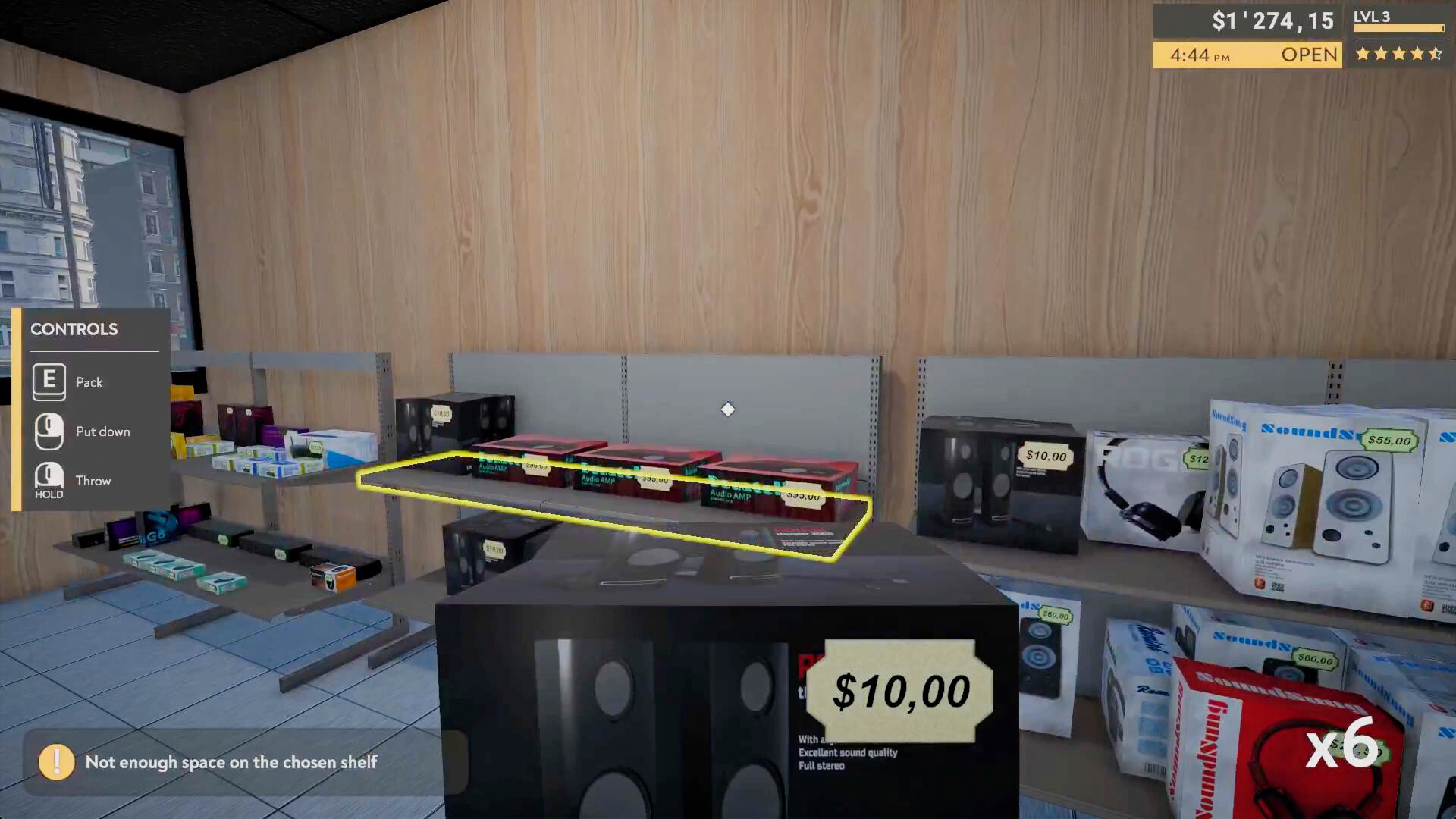
After unboxing, you arrange items on shelves, set prices, and display goods for sale. The prices you set influence how quickly items move, directly affecting your profit.
When earnings grow you can purchase additional retail space and improve your storefront. Expanded space lets you showcase more items as your outlet grows.
- Group similar products together to make price adjustments faster.
- Invest in extra shelf space once you consistently sell items at a profit.

03 / THE GUIDE
Hands‑On Repair System
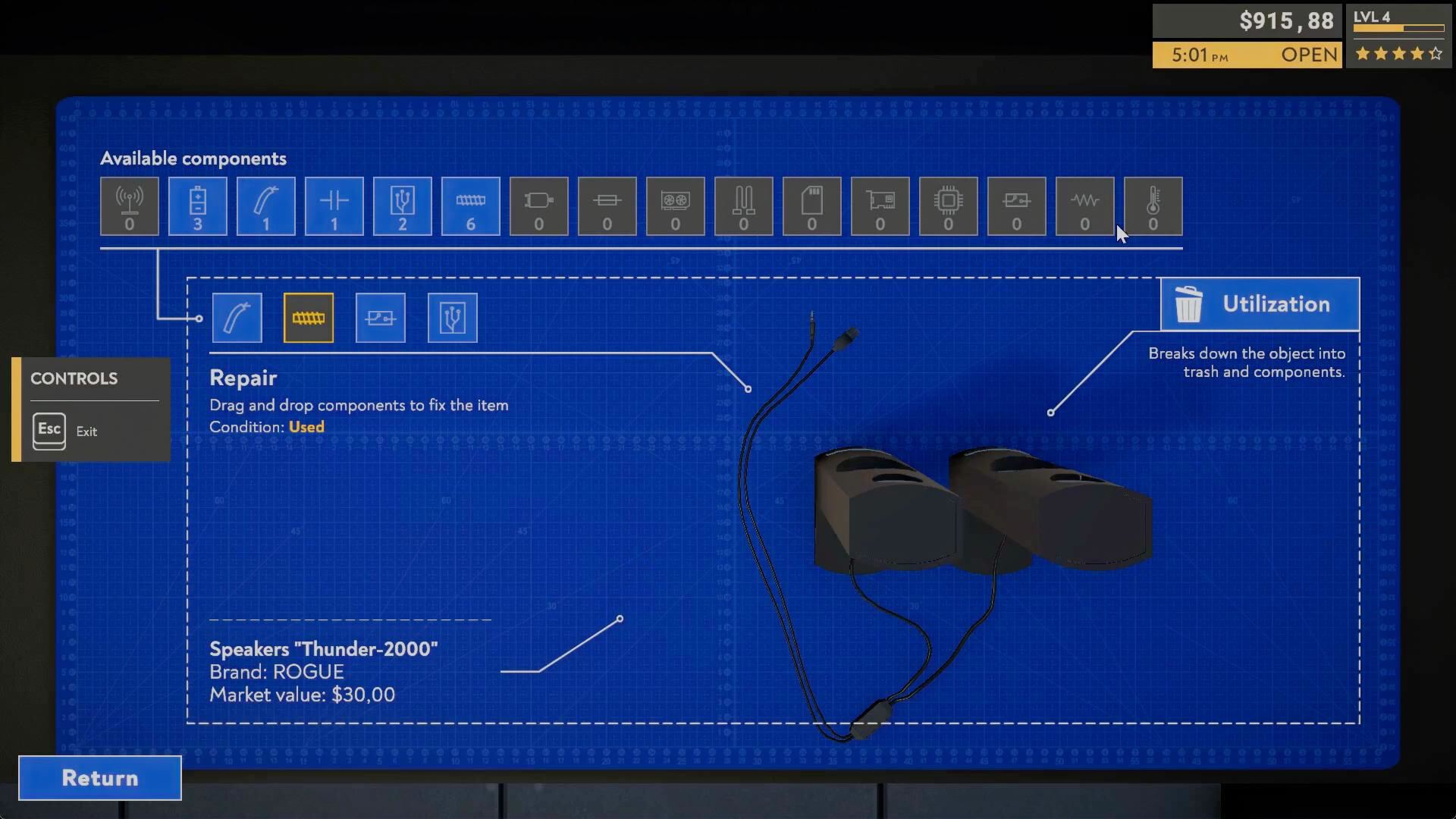
Damaged goods can be taken to a dedicated technical workbench where you replace parts and restore functionality. Repairing electronics raises their market value, turning a loss into a profitable sale.
The repair outcome depends on the condition of the item and the tools you acquire through business growth. Better tools are part of growing your business alongside the repair system.
- Prioritize repairing high‑value electronics such as smartphones and consoles first.
- Upgrade workbench tools when you have surplus profit to improve repair efficiency.
05 / THE GUIDE
Dynamic Shop Economy
Prices you set, repairs you perform, and inventory you display all feed into a dynamic economy that reacts to your choices. Adjusting prices or improving item condition directly influences sales revenue.
Each decision impacts future purchasing power and the ability to acquire better pallets, creating a feedback loop that rewards careful financial planning.
- Monitor sales trends to adjust prices before items become stale.
- Maintain a mix of repaired and ready‑to‑sell items to keep cash flow steady.
COMMUNITY
Player discussion