 GameWiki


GET YOUR BEARINGS
About R.E.P.O.
R.E.P.O. is a cooperative horror game about finding and extracting valuable objects from dangerous locations. Physics affects the cargo, the players, and the creatures around them. The useful result of a trip is the value that reaches extraction, so handling an awkward item safely is as important as discovering it.
The official game supports a group of up to six players and uses proximity voice chat. Cooperation works best when players agree on the route, the object being moved, and who is watching for danger. This guide explains those decisions without pretending that every monster shares one response to sound or movement.
01 / THE GUIDE
Scout a return route first
Before moving the largest object you find, identify the route back to extraction. Note narrow doors, stairs, obstacles, and places where a turn could damage the cargo. Move small, manageable valuables while the route is still being learned so that the group establishes useful progress early.
Keep track of where teammates are working. A separated player may discover a valuable room but be unable to call for help through proximity chat. Regroup at recognizable locations and share what was actually observed instead of sending everyone toward an uncertain sound.
- Learn the extraction path before committing to oversized cargo.
- Move a safe item while scouting.
- Use recognizable rooms as meeting points.
02 / THE GUIDE
Handle fragile and heavy cargo
Inspect an object's shape before lifting it. Long pieces need space to turn, while fragile pieces punish hurried movement through clutter. Clear the immediate path and move slowly enough to see where the far end is going. A direct route is not useful when it repeatedly strikes the object against a doorway.
For a shared lift, choose a lead mover and a support role. State when to raise, turn, stop, or set down the item. If the cargo begins to swing or collide, pause from a stable position instead of letting several players apply competing corrections.
- Clear the turn before moving the item into it.
- Set awkward cargo down when the group loses coordination.
- Use one caller for a shared lift.
03 / THE GUIDE
Treat each threat as a different problem
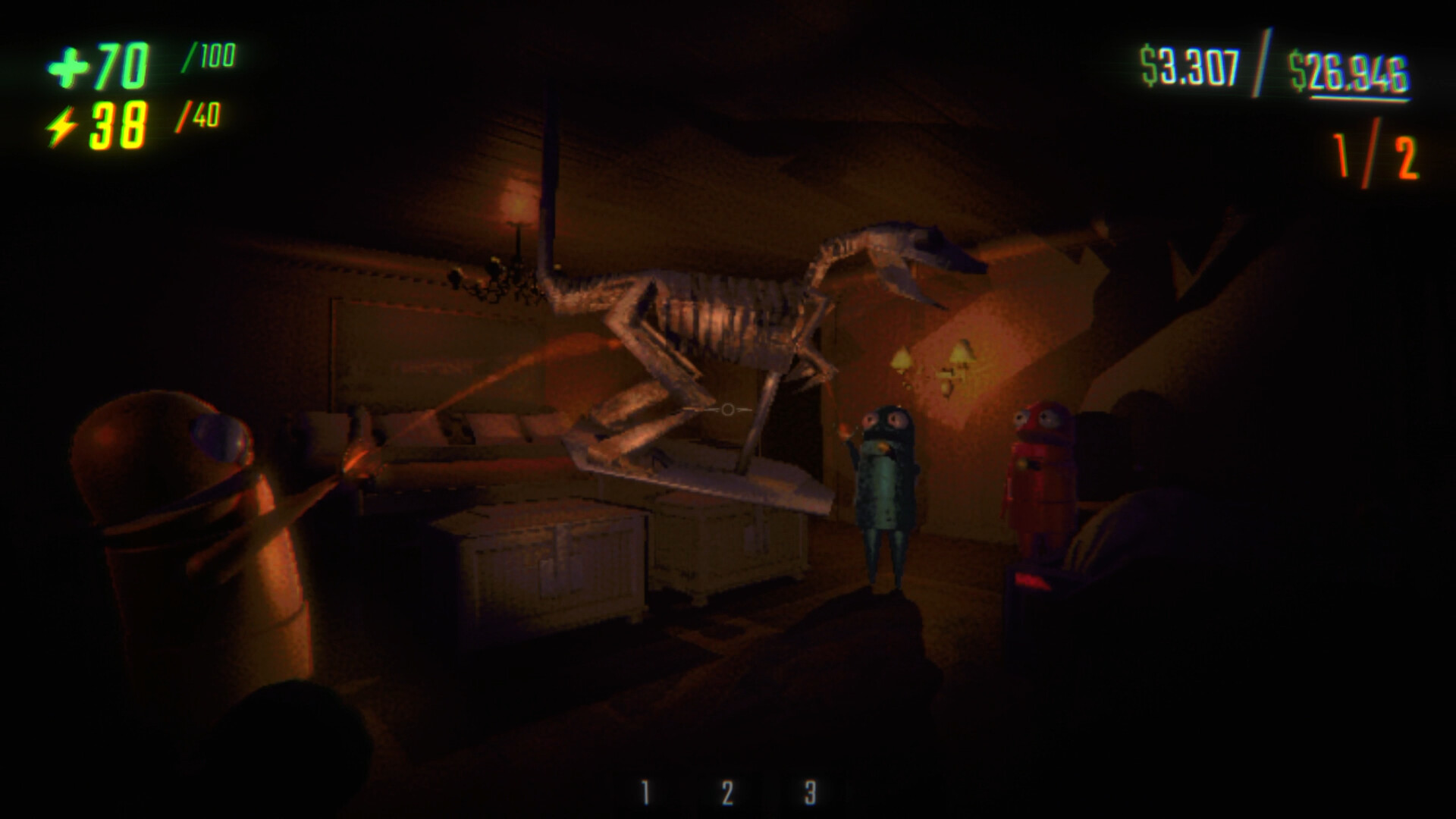
Watch an unfamiliar creature from a position with an exit. Notice what it does before assuming that running, silence, or hiding is universally correct. The official description emphasizes knowing when to stay quiet, but each observed threat still needs its own response.
When danger interrupts a transport, protect the players first. An item left in a known location can be recovered; a panicked group carrying it through the threat may lose both the cargo and the attempt. Call where the creature was last confirmed and distinguish that from a guess about where it went.
- Keep a retreat route while observing a new threat.
- Call confirmed positions instead of speculative directions.
- Pause cargo movement when awareness is lost.
04 / THE GUIDE
Give the group useful jobs
A simple team can split into scouting, transport, and watch duties while remaining close enough to communicate. These are temporary jobs rather than permanent classes: change them when a heavy object requires extra hands or when a dangerous route needs someone watching the approach.
Use concise messages that tell the next person what to do. 'Stop at the door' is easier to act on than several people describing the problem at the same time. Agree on a regroup point so that silence or separation does not cause the rest of the team to scatter.
- Assign a watcher during difficult transport.
- Keep the carrier's instructions short.
- Regroup after a threat separates the team.
05 / THE GUIDE
Quota, surplus, and upgrade decisions
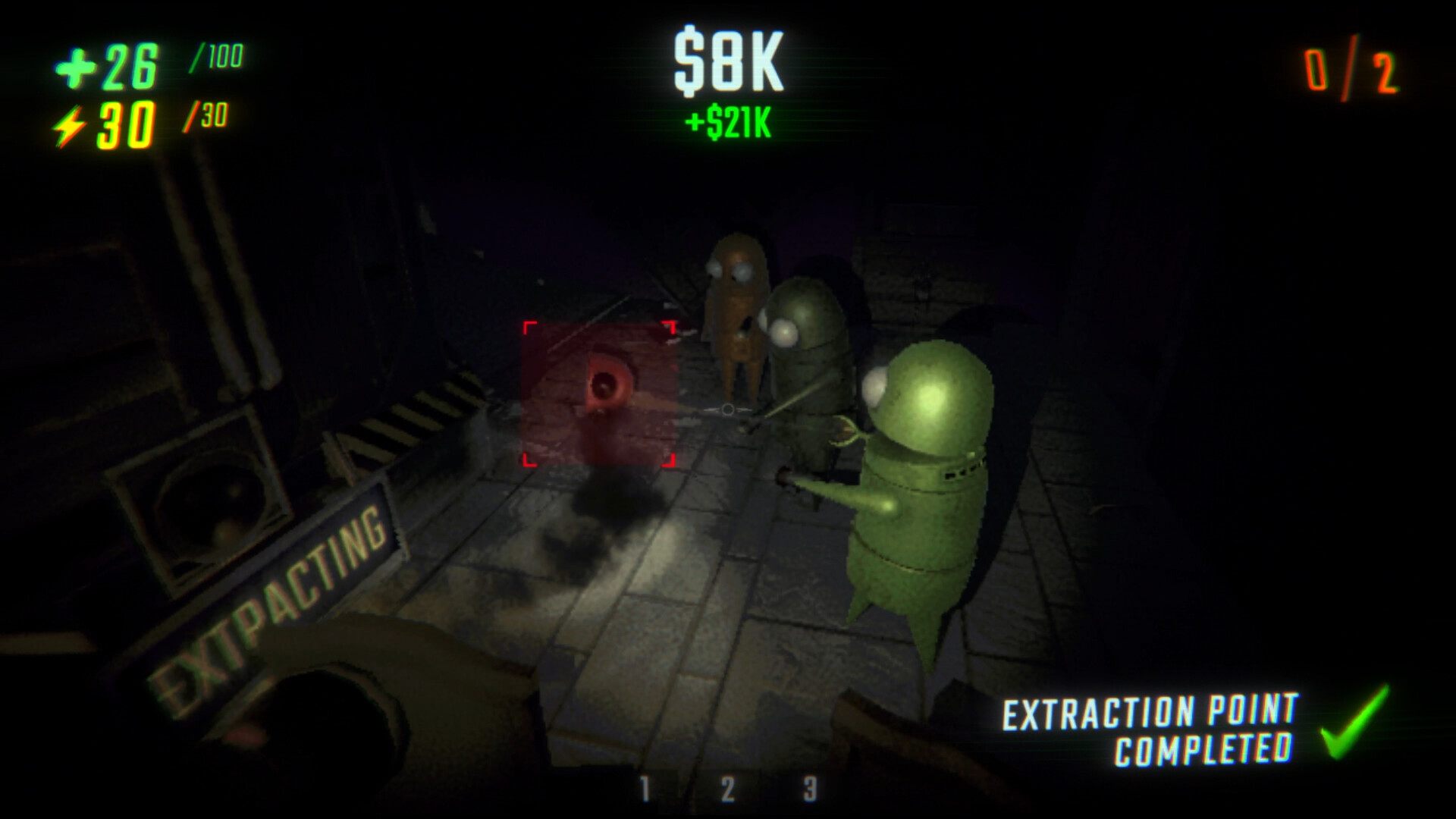
Track the value that has actually been extracted and compare it with the current requirement. Finding enough cargo is not the same as safely delivering it. Once the objective is secure, judge another trip by its likely value and the team's remaining condition rather than the excitement of one more room.
Spend surplus on the problem your last expedition exposed. Handling, movement, survival, and defensive options can produce different returns depending on the group. Choose an upgrade you can explain, test it during the next outing, and avoid assuming a single shopping order suits every team.
- Compare delivered value with the active requirement.
- Set a regroup or extraction rule before the final trip.
- Choose an upgrade that addresses a repeated team problem.


COMMUNITY
Player discussion