 GameWiki
GET YOUR BEARINGS
About Quantum Odyssey
Quantum Odyssey is a non‑linear, story‑driven puzzle sandbox that teaches quantum information science through visualised quantum mechanics. It aims to make quantum literacy as common as computer literacy, offering tutorials for beginners and deep algorithmic challenges for experts.
The game supplies over 100 hours of content, including 70+ modules, 500+ visual puzzles, a 300+ page interactive encyclopedia, a full sandbox for building classical or quantum systems, and a level editor for creating new challenges.
01 / THE GUIDE
Guided Tutorials and Modules
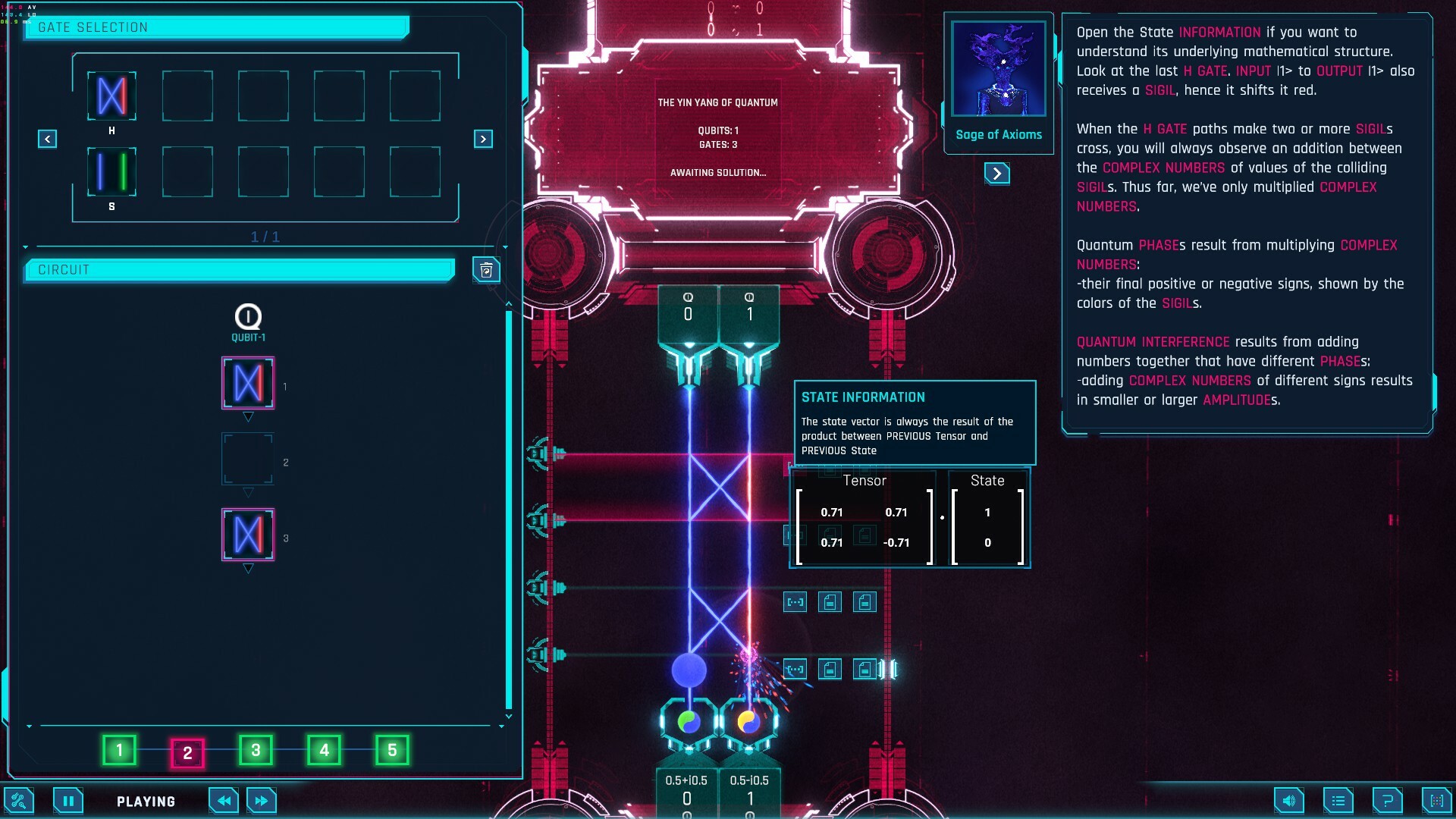
Quantum Odyssey opens with fully guided tutorials that introduce basic Boolean logic, classical operators, and the process of translating them into quantum equivalents. The 70+ modules progress step‑by‑step, ensuring players can learn each concept from scratch.
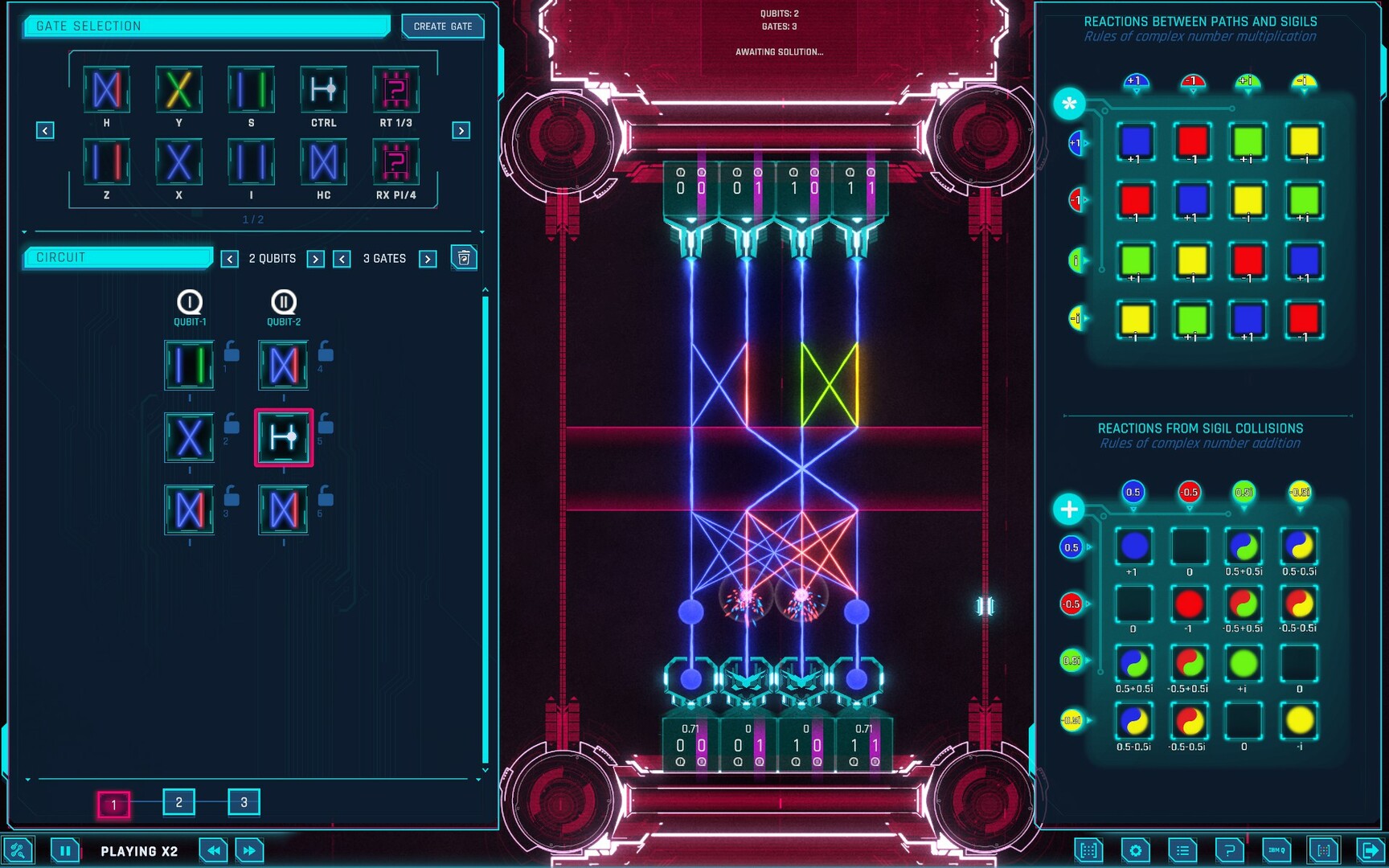
Each module presents visual puzzles that illustrate phenomena such as superposition, interference, measurement effects, and noise. Solving these puzzles lets players internalise the underlying mathematics without external textbooks.
- Begin with the Boolean logic modules to build a solid foundation before tackling qubit‑based puzzles.
- Observe how the visual feedback changes when you switch from classical to quantum gates.
02 / THE GUIDE
Full Sandbox Mode
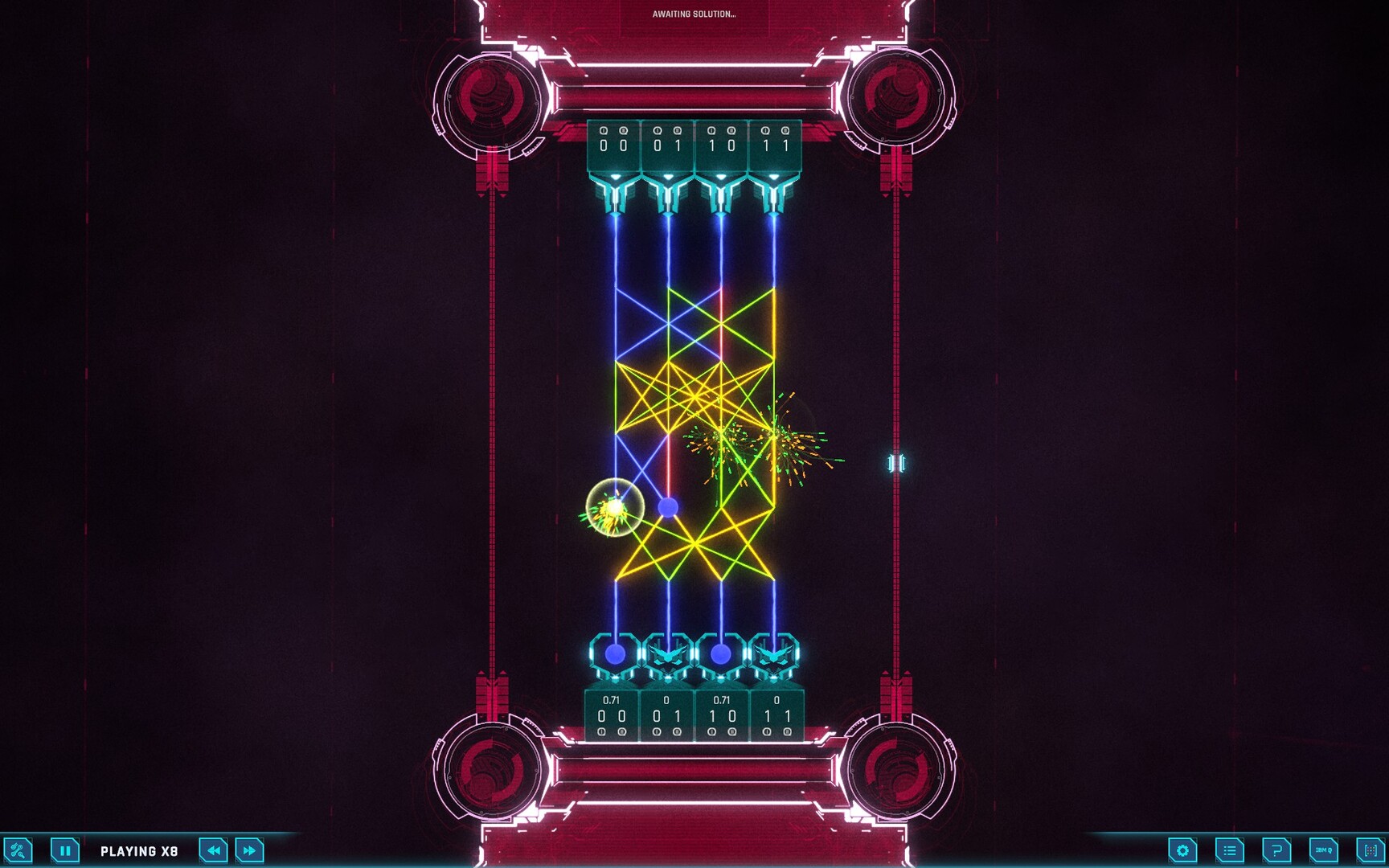
The sandbox lets players construct any classical or quantum system and import algorithms for visualisation. Users can experiment with custom gates, phase kickback, and amplitude amplification without preset objectives.
Importing an algorithm into the multi‑qubit simulator displays its operation step‑by‑step, reinforcing learning of linear‑algebraic processes and the impact of each gate on the quantum state.
- Start with simple circuits to see how basic gates affect the quantum state.
- Compare your custom gate designs against the famous algorithms provided for reference.
03 / THE GUIDE
Implemented Famous Algorithms
Quantum Odyssey includes interactive implementations of Deutsch–Jozsa, Bernstein–Vazirani, Grover’s Search, and the Quantum Fourier Transform. Each algorithm is broken into puzzle steps that reveal its inner workings.
Players can modify gate sequences within these algorithms and instantly see how changes affect outcomes, providing hands‑on experience with real quantum computing techniques.
- Start with Deutsch–Jozsa to understand oracle construction before moving to more complex algorithms.
- Track amplitude changes during Grover’s iterations to see the search amplification effect.
04 / THE GUIDE
Interactive Encyclopedia & Steam Achievements
The game ships with a 300+ page interactive encyclopedia that explains every quantum concept encountered in puzzles, serving as an in‑game reference for players.
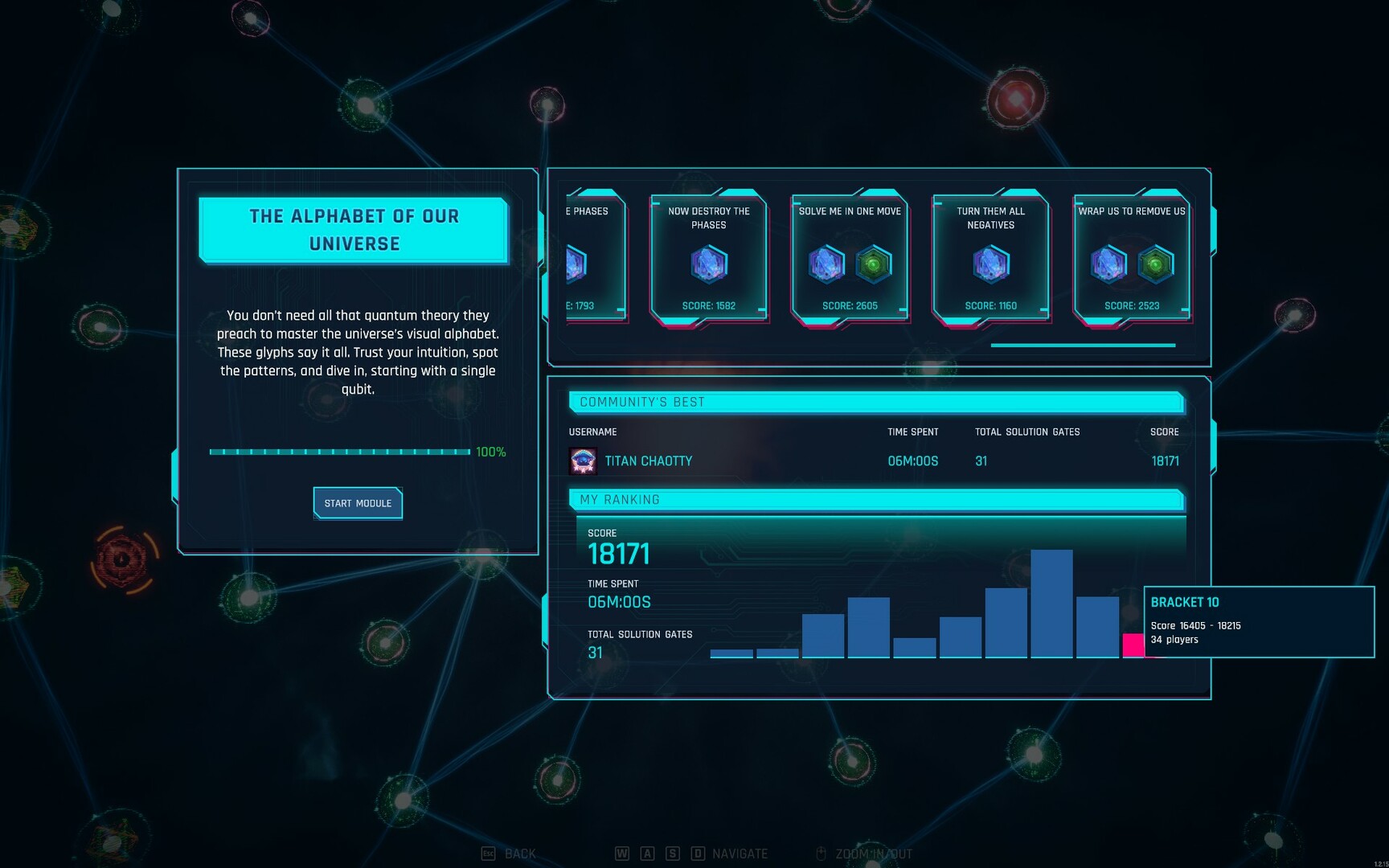
The game includes Steam Achievements, giving players milestones to track their progress.
- Consult the encyclopedia whenever a puzzle introduces an unfamiliar term.
- Review your achievement list to identify which modules you may want to revisit.
05 / THE GUIDE
Level Editor for Player‑Created Content
Quantum Odyssey includes a level editor that allows players to design their own puzzles using the same visual tools that power the built‑in challenges. Creators can place classical and quantum gates, set measurement conditions, and define win criteria.
Creating your own puzzles with the level editor can reinforce the creator’s understanding of the underlying quantum operations.
- Begin by replicating a simple tutorial puzzle before adding custom gates.
- Test your level repeatedly to ensure the intended quantum behaviour appears.
COMMUNITY
Player discussion