 GameWiki

GET YOUR BEARINGS
About PolyPine
PolyPine lets you design a tranquil forest from seed to fallen trunk, watching each growth stage create new habitats. Trees progress through seed, sapling, adult, dead, and trunk phases, shaping the environment for wildlife.
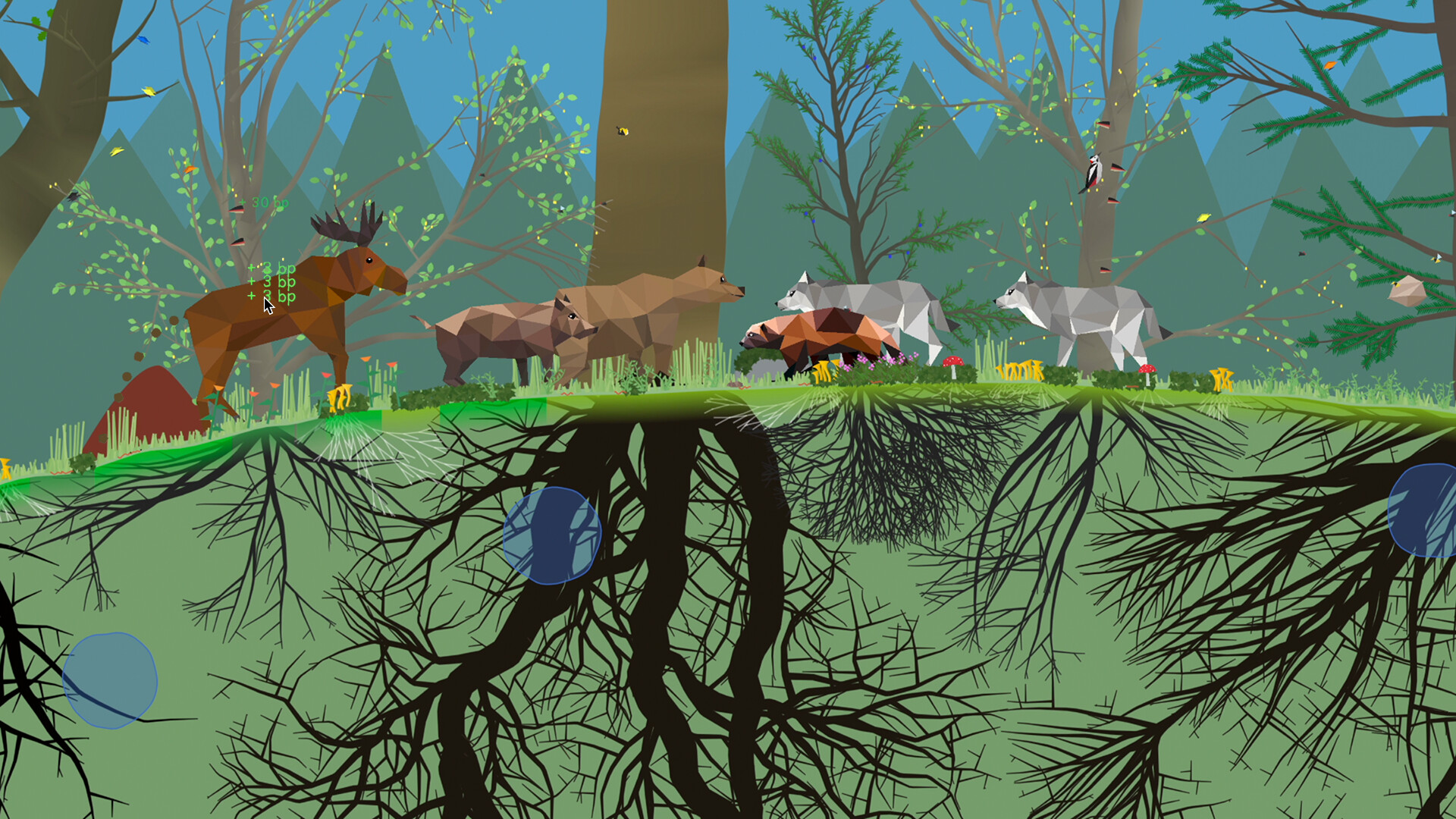
Animals arrive when their specific needs are met, and their actions—like moose fertilizing soil or foxes hunting—affect the ecosystem. You can sculpt terrain, face natural disasters, and aim for a balanced, thriving forest.
01 / THE GUIDE
Tree Lifecycle
Plants begin as seeds and develop into saplings, then mature trees. When a tree dies it becomes a fallen trunk, each stage offering distinct habitats for other organisms. The description notes each step creates a different habitat for plants and animals.
Understanding each phase helps you plan where to place animals that rely on specific tree conditions. For example, squirrels need living trees, while other species may use dead trunks. Managing the full cycle keeps the forest dynamic.
- Observe how each stage changes habitat availability.
- Plan animal placement around tree maturity.
02 / THE GUIDE
Animal Habitat Requirements
Each animal in PolyPine has a specific habitat need that must be satisfied before it can be added. Squirrels require trees, butterflies need flowers, and other species depend on different environmental features.
Clicking animals triggers behaviors that influence the ecosystem, such as moose pooping to fertilize soil or foxes hunting. These interactions add depth to forest management and require careful habitat planning.
- Match animal needs with existing flora.
- Use animal behaviors to modify soil health.
03 / THE GUIDE
Terrain and Terraforming
Forests can be created on varied terrains like hills, lakes, mountains, fjords, and wetlands. The game also offers a terraforming tool for additional control over the landscape.
Utilizing terrain features influences where trees and animals can thrive. Terraforming lets you reshape the environment to better suit the species you wish to support, enhancing ecosystem stability.
- Use terraforming to create flat areas for planting.
- Consider water proximity for wetland species.
04 / THE GUIDE
Natural Disasters
Forest fires, storms, and bark beetle swarms can strike, affecting trees and animal populations in various ways. These events are part of the gameplay and can be leveraged strategically.
Surviving or even using these disasters to your advantage requires monitoring forest health and preparing resilient habitats. The challenge lies in balancing damage with recovery to maintain a thriving ecosystem.
- Plan firebreaks using cleared areas.
- Diversify tree species to reduce beetle impact.
05 / THE GUIDE
Achievements and Family Sharing
PolyPine includes Steam Achievements, letting players track in-game milestones. The game also supports Family Sharing, enabling multiple accounts to play the same copy.
These features add replay value and encourage players to experiment with different forest designs while exploring different forest designs together.
- Aim for achievement goals to explore new strategies.
- Share the game to compare forest outcomes.


COMMUNITY
Player discussion