 GameWiki

GET YOUR BEARINGS
About Police Stories
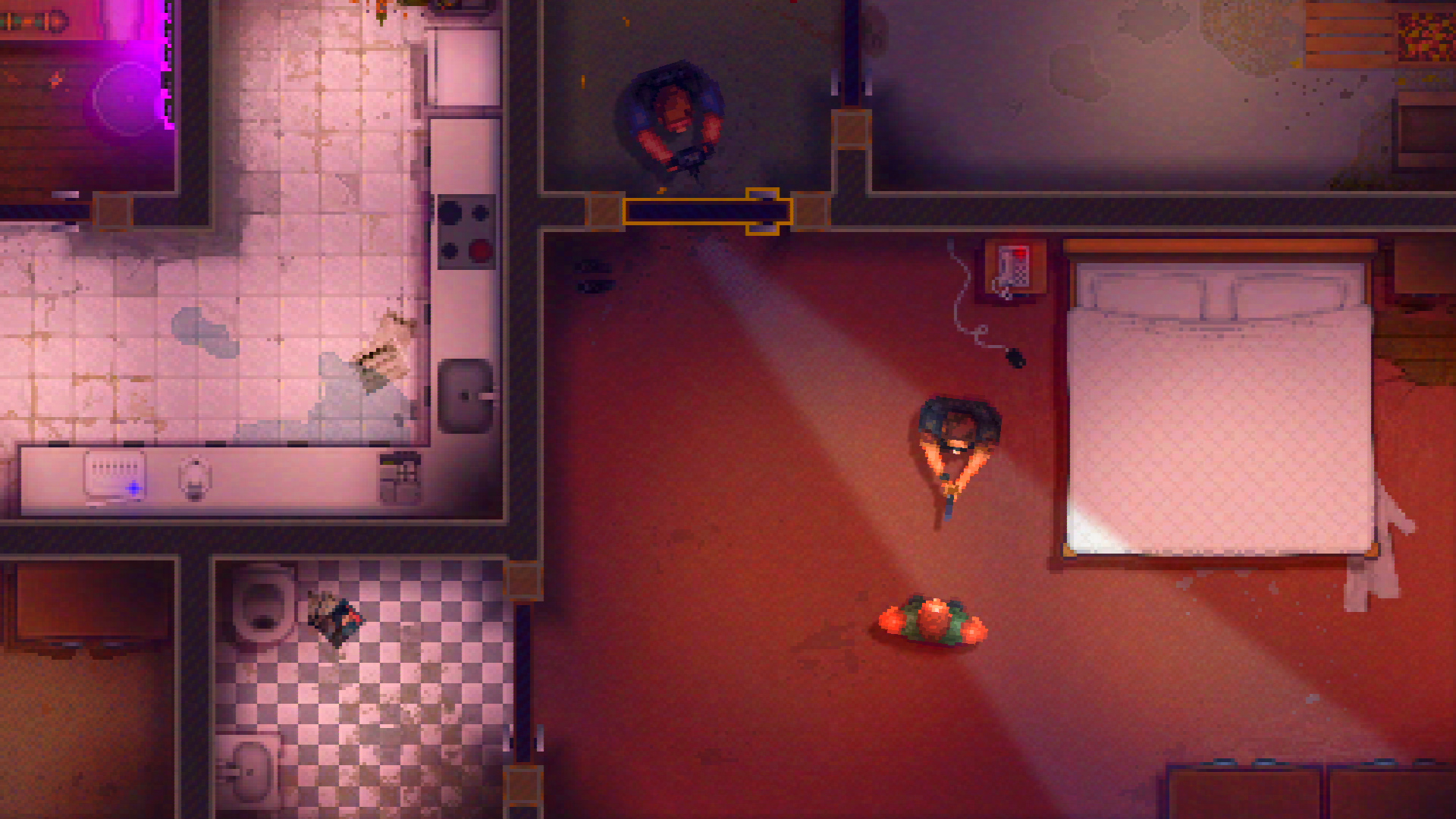
Police Stories is a top‑down tactical shooter that emphasizes split‑second decisions. You control one police operative, issuing commands to the AI partner Rick Jones while navigating missions that involve neutralising criminals, rescuing civilians and defusing bombs.
The game stresses non‑lethal resolution through its Surrender System, scores every action in real time, and randomises the placement of enemies, hostages and evidence each time a level restarts, creating fresh tactical situations.
01 / THE GUIDE
Tactical Gameplay
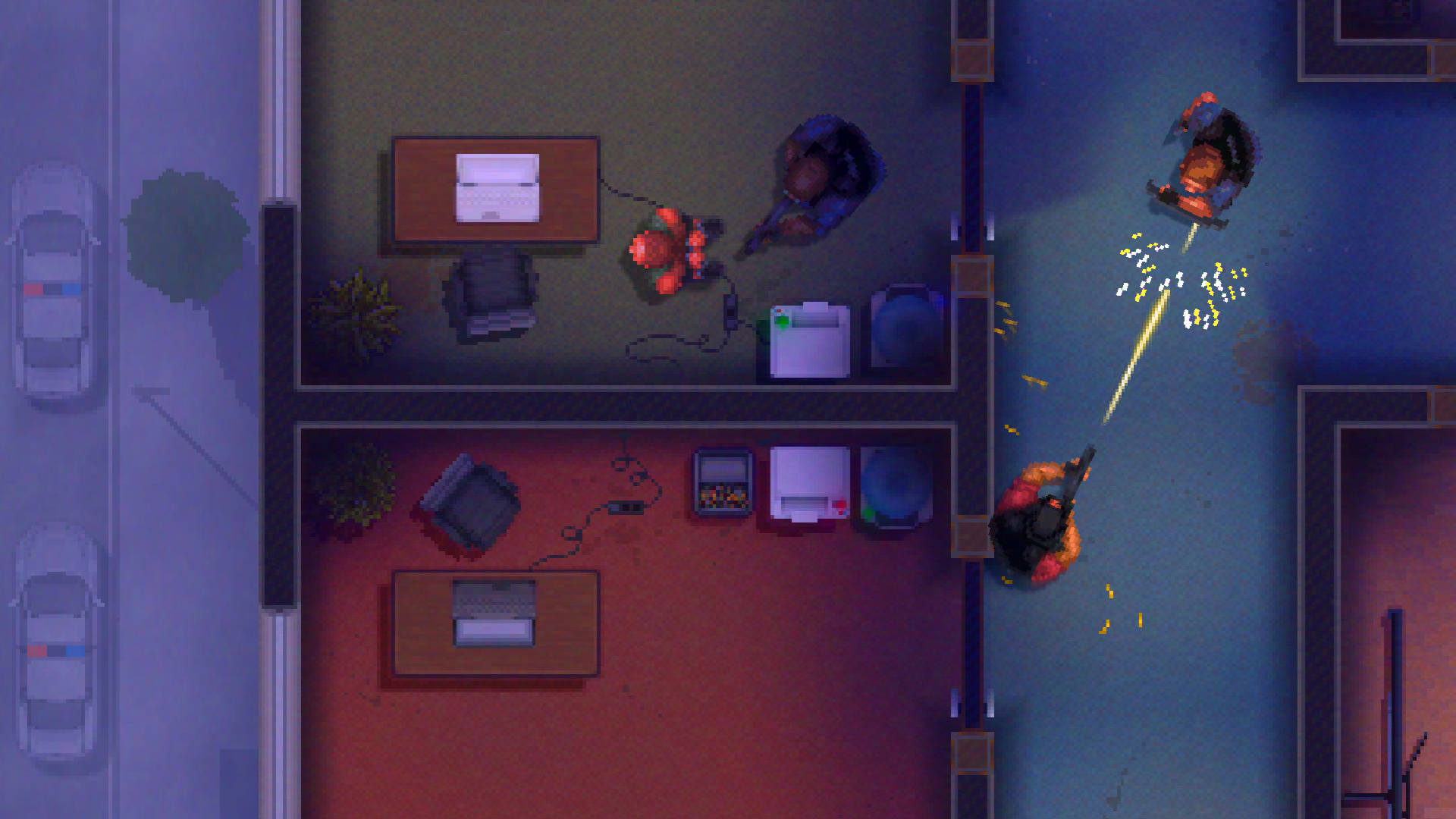
The core loop requires you to avoid being spotted, limit bullet use and constantly check your surroundings. The description notes that players should try not to get spotted, not waste bullets and take criminals down quietly.
All actions are scored in real time, and the description warns that playing aggressively will not yield a high enough result to start the next mission, encouraging careful, quiet approaches.
- Observe enemy patrol routes before engaging to increase non‑lethal success.
- Use door‑camera tools to scout without exposing yourself.
02 / THE GUIDE
Surrender System
Police Stories lets you apprehend suspects without lethal force. Options include firing a warning shot nearby or engaging in melee combat, both documented as ways to make suspects submit.
The description explicitly states that shooting first is not an option, reinforcing the design focus on restraint and non‑lethal takedowns.
- Practice timing of warning shots to maximise surrender chances.
- Combine melee approaches with partner commands for coordinated arrests.
03 / THE GUIDE
Co‑op Play
Both Online Co‑op and Shared/Split Screen Co‑op let players tackle missions together, and the description notes completing missions together can yield better scores. The feature list includes Online Co‑op, Shared/Split Screen Co‑op and Shared/Split Screen.
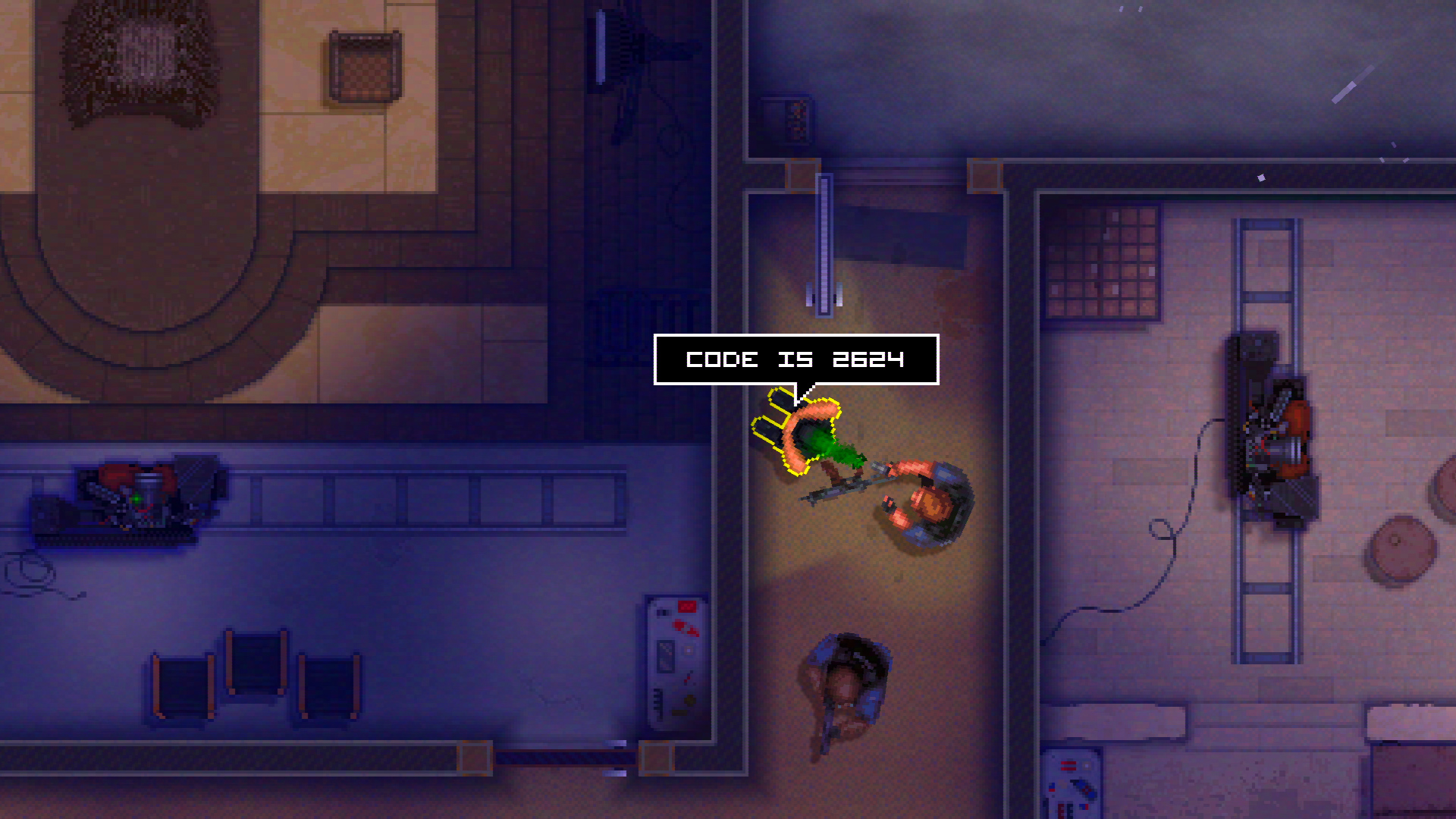
You can issue commands to your fellow cop Rick Jones; the description notes that using him wisely may save your life, indicating his role as an AI partner you can direct.
- Communicate enemy locations early to synchronise arrests.
- Assign one player to scouting while the other handles breaching.
04 / THE GUIDE
Randomised Level Layouts
Each mission’s criminals, hostages and evidence are placed randomly, changing with every restart. The description says the placement changes every time you restart, creating new situations.
This variability forces you to adapt strategies on the fly rather than rely on memorised routes, as the game does not guarantee static layouts.
- Treat each run as a fresh scenario; avoid assuming previous enemy spots.
- Look for new evidence placements that may offer alternative entry points.
05 / THE GUIDE
Police Equipment
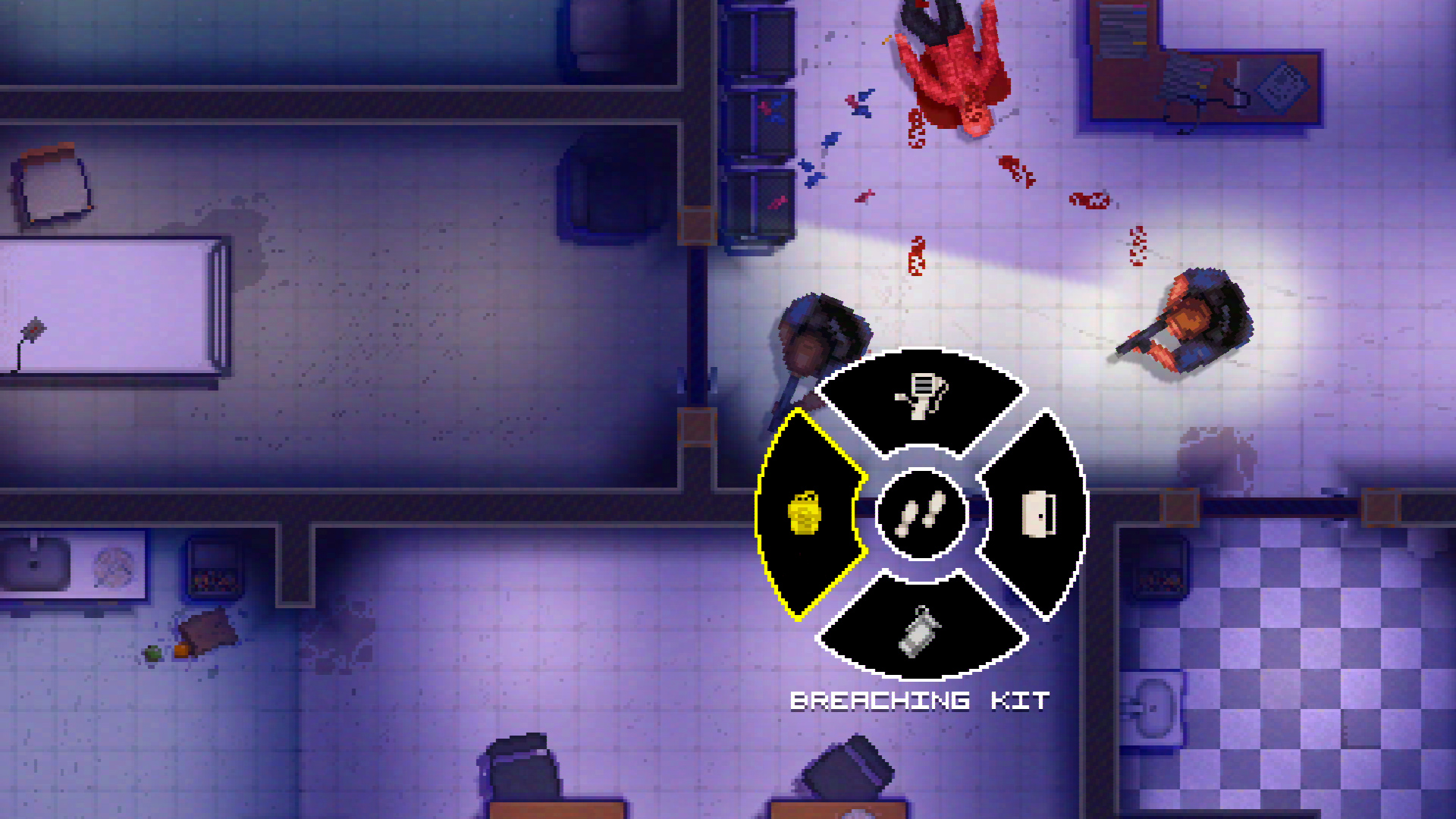
Players have access to specialised gear such as under‑door cameras and door blast charges. The description lists these tools as part of “end‑of‑the‑line police equipment”.
Various lawbreakers—petty criminals, organised gangs and terrorists—have unique weapons and behaviours, meaning equipment choice may need to reflect the type of threat you face.
- Deploy door cameras before breaching to assess enemy positions.
- Consider the suspect type when selecting tools; gangs may require more disruptive equipment.

COMMUNITY
Player discussion