 GameWiki
GET YOUR BEARINGS
About Playing Kafka
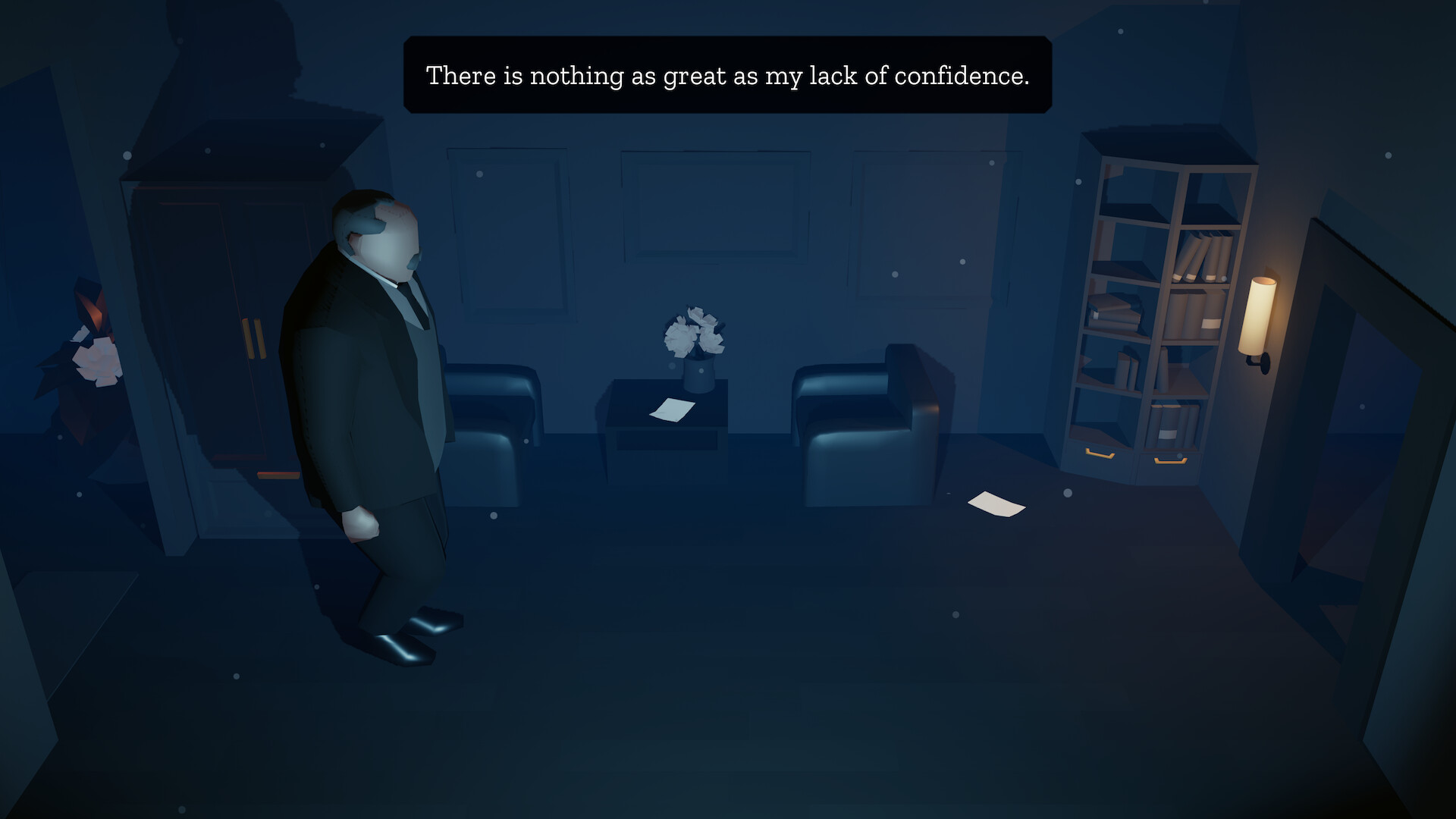
Playing Kafka is a single‑player adventure that retells three of Franz Kafka’s works with fully voiced, branching dialogue. The story follows an arrested protagonist navigating an opaque legal trial, a strained father‑son relationship, and a mysterious village dominated by an unreachable Castle.
Developed by Charles Games in partnership with Kafka scholars and the Goethe‑Institut, the game offers about 1.5 hours of story, atmospheric puzzles, and a drag‑and‑drop system that animates characters and settings. It is free‑to‑play on Windows and macOS and supports Steam achievements and Family Sharing.
01 / THE GUIDE
Narrative Adaptation
The game weaves together Kafka’s *The Trial*, *The Castle* and *Letter to His Father* into a single adventure. Each segment presents its own thematic focus—bureaucratic oppression, alienation, and familial guilt—while following the story’s central figures.
The adaptation was created with leading Kafka experts, ensuring that the dialogue and plot twists reflect the original texts’ absurdist tone. Players experience the story through fully voiced scenes that shift as decisions are made.
- Listen to each voice line; subtle cues often hint at hidden narrative branches.
- Compare the game’s dialogue with the original stories to spot intentional deviations.
02 / THE GUIDE
Branching Story
Decisions shape the protagonist’s fate, leading to multiple possible outcomes. Choices affect how you interact with judges, procurators, and family members, influencing the trial’s progression and personal revelations.
Because the story is fully voiced, each branch is narrated, allowing players to hear the consequences of their actions without needing to replay entire sections.
- Take note of which characters you consult; their advice can open or close narrative paths.
- Re‑examining earlier dialogue after new information can clarify ambiguous choices.
03 / THE GUIDE
Drag‑and‑Drop Gameplay
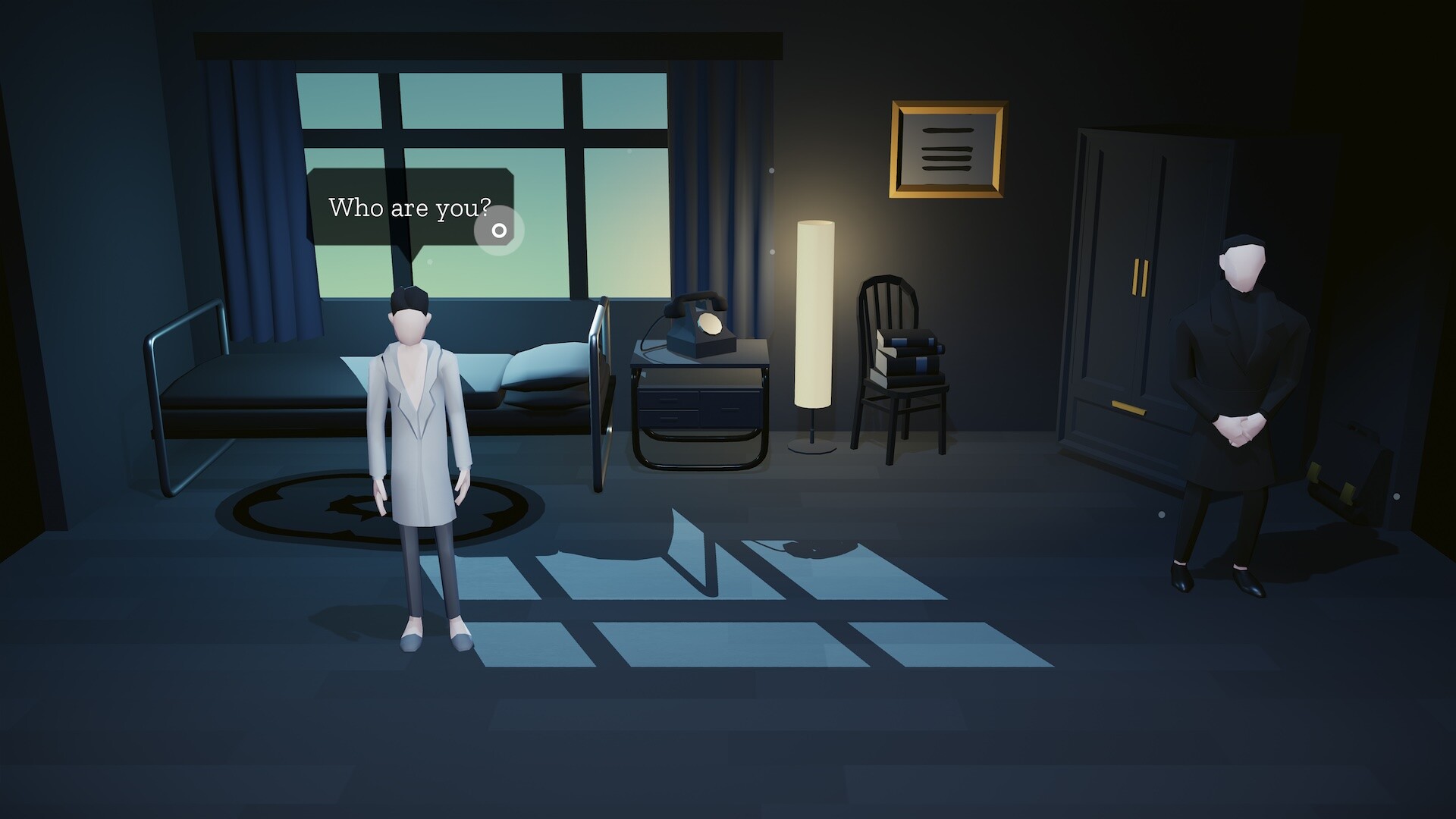
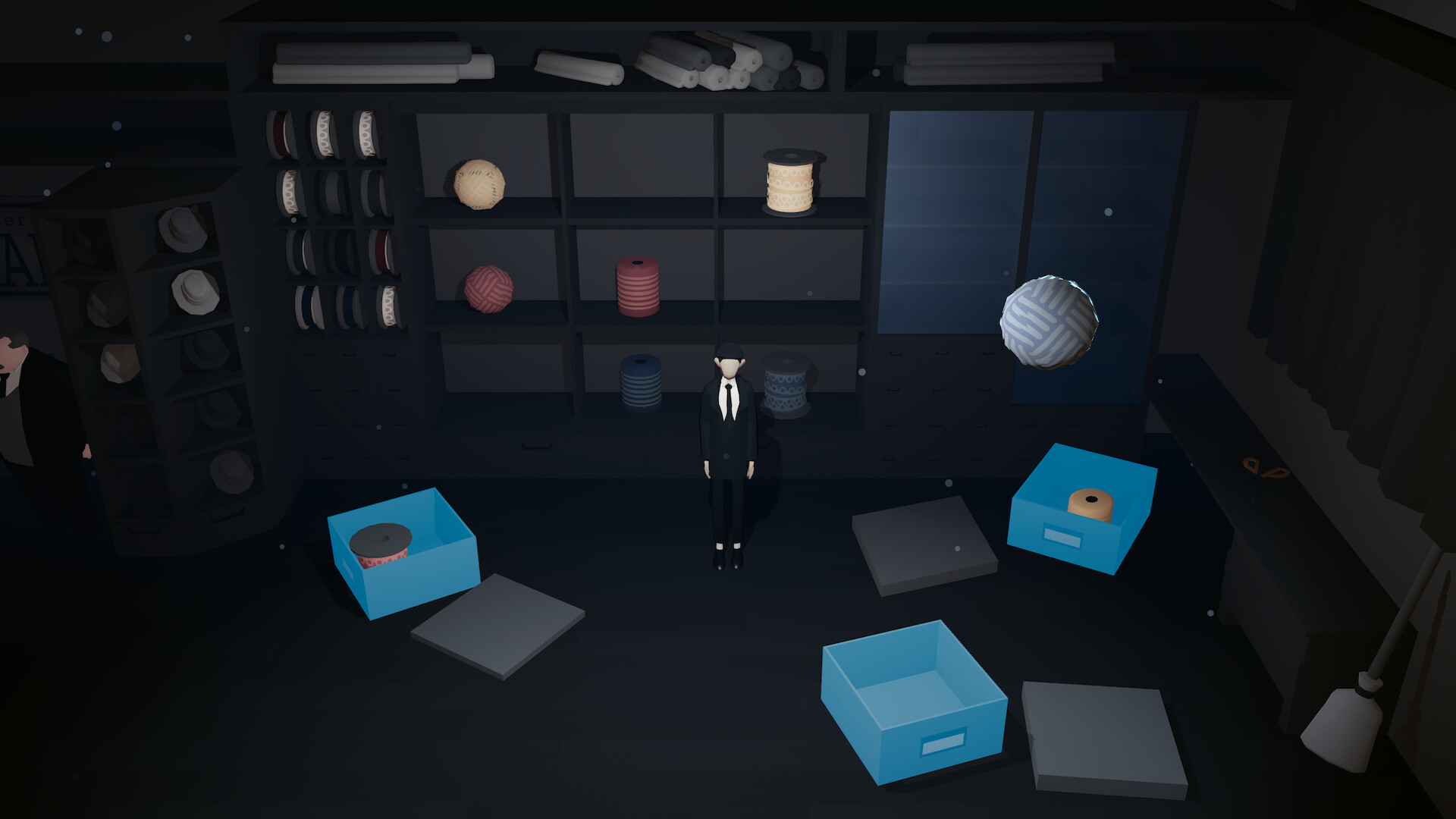
A core mechanic lets players drag characters and objects onto scenes to trigger events. This system brings environments to life and resolves puzzles through direct interaction with characters and environments.
The drag‑and‑drop interface is used throughout the 1.5‑hour narrative, across the trial and the father‑son storyline.
- Experiment with different object placements; some interactions are not hinted explicitly.
- Observe how characters react when dragged into new contexts for clues.
04 / THE GUIDE
Atmospheric Puzzles
Puzzles are designed to reflect Kafka’s themes of confusion and bureaucracy. Solving them often requires interpreting vague clues and navigating opaque rules.
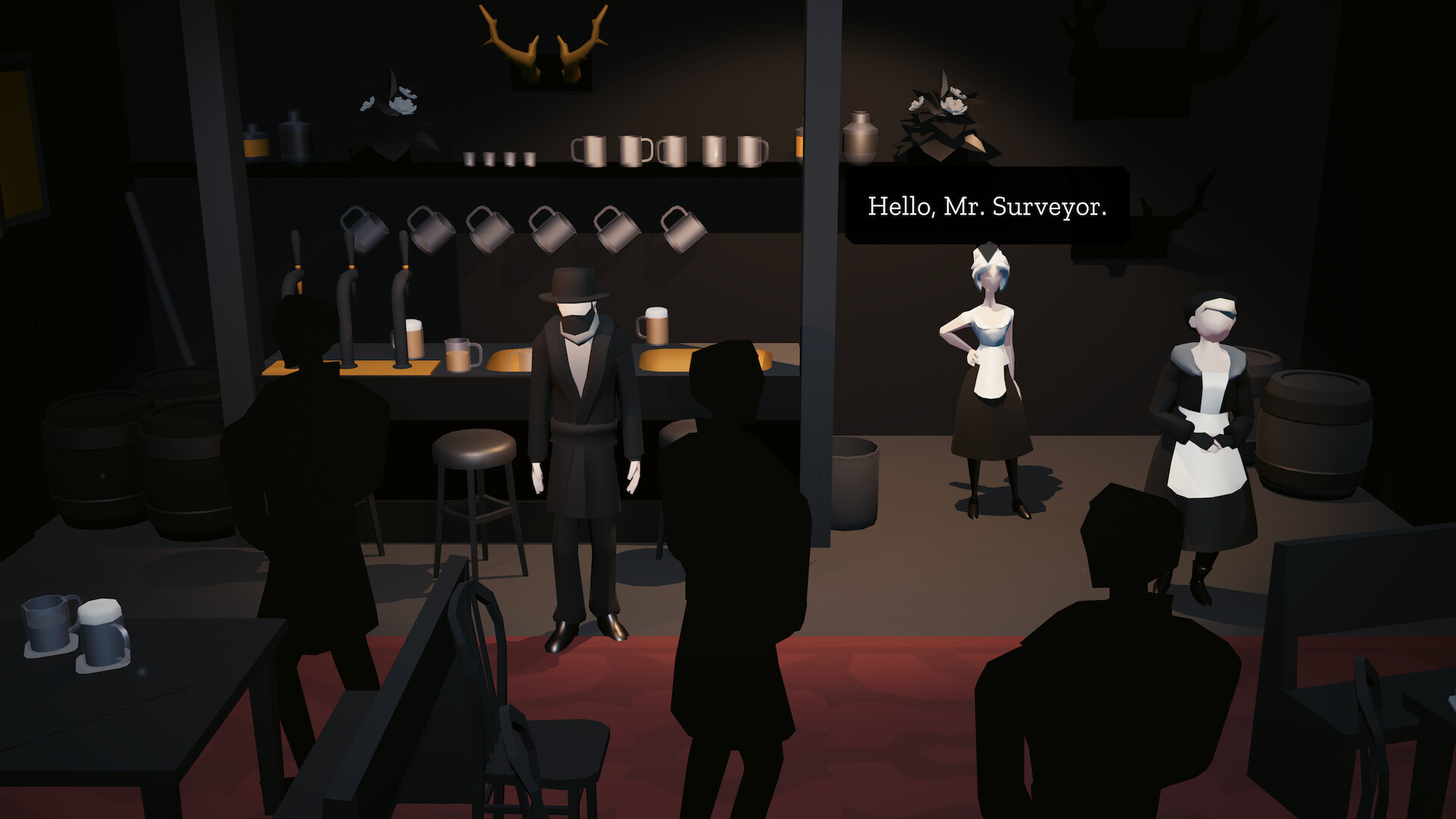
These puzzles appear in settings such as the courtroom, the father’s study, and the snow‑laden village, each reinforcing the story’s mood of uncertainty.
- Focus on the narrative context; puzzle solutions frequently tie to story details.
- Don’t rush; lingering on ambiguous hints can reveal hidden logic.
05 / THE GUIDE
Legal Trial Mechanics
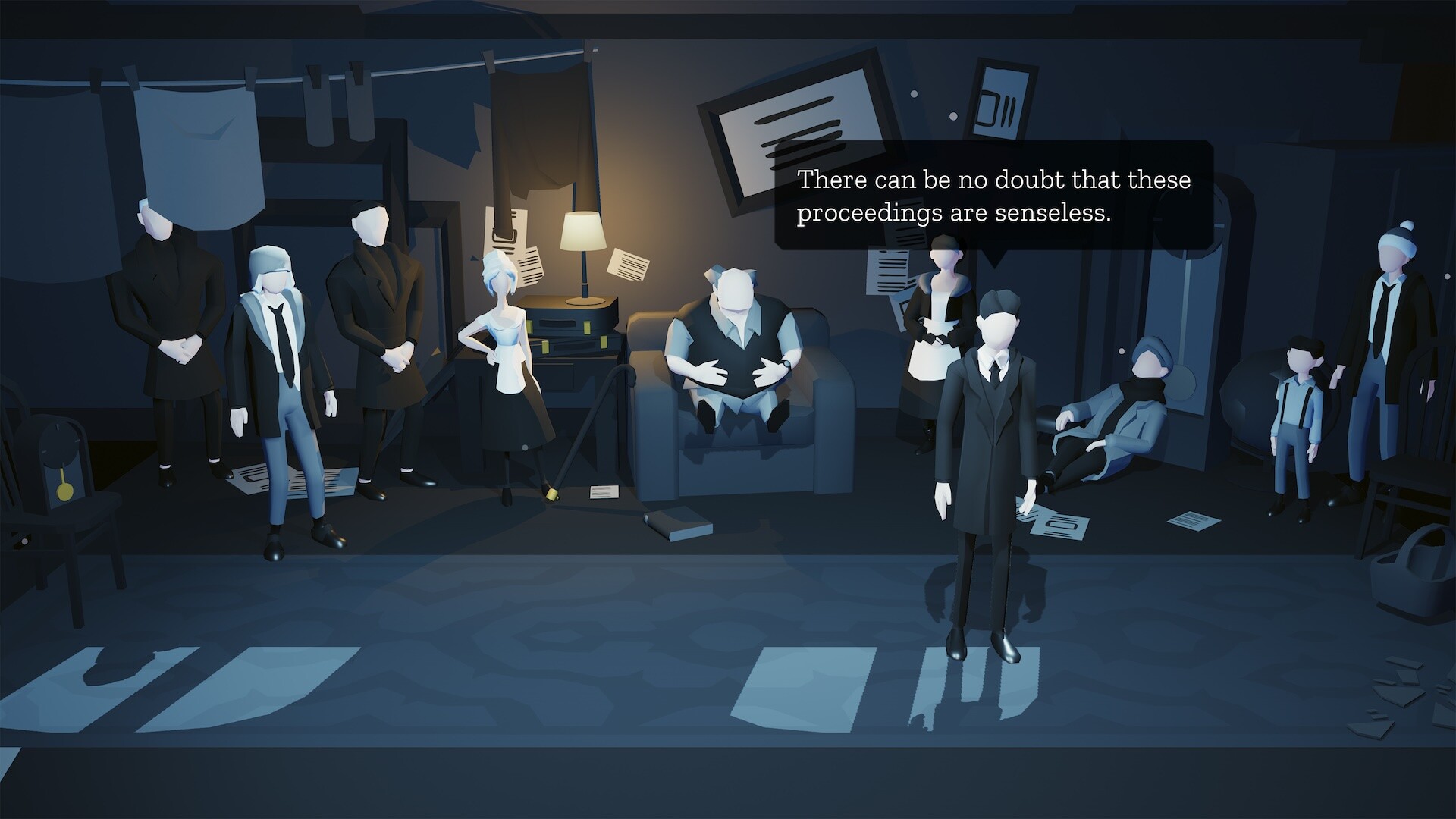
The protagonist faces an opaque legal trial where accusations are vague and the judgment tightens over time. Players choose whom to ask for help and how to address judges and procurators.
The trial’s progression is driven by dialogue choices rather than combat or skill checks, emphasizing the feeling of being trapped in an incomprehensible system.
- Consider the tone of your responses; respectful language can affect judge reactions.
- Track which officials you have spoken to; repeated interactions may unlock new dialogue.
COMMUNITY
Player discussion