 GameWiki

GET YOUR BEARINGS
About Planetary Life
Planetary Life is an Early Access sandbox simulation where you begin with an empty world and gradually shape its terrain, climate, and atmosphere. Tools let you move tectonic plates, adjust core heat, and control volcanic activity to craft mountains, seas, and weather patterns suitable for life.
Beyond planetary engineering, you can introduce organisms, guide their evolution from single cells to intelligent beings, and watch ecosystems develop. A first‑person view lets you walk the planet, while civilizations are announced for a future major update.
01 / THE GUIDE
Planet Shaping
The game provides multiple tools that let you manipulate tectonic plates, raise mountains, and carve seas. Changing core heat and volcanic activity directly influences terrain formation, allowing you to sculpt the planet’s geological backbone.
Climate can be tuned by adjusting rainfall, cloud cover, and surface albedo. These parameters affect temperature and weather, letting you create diverse biomes that support different life forms.
- Make incremental geological changes and observe the terrain response before large‑scale alterations.
- Watch how subtle climate tweaks shift biome boundaries; small adjustments often yield distinct habitats.
02 / THE GUIDE
Creatures & Evolution
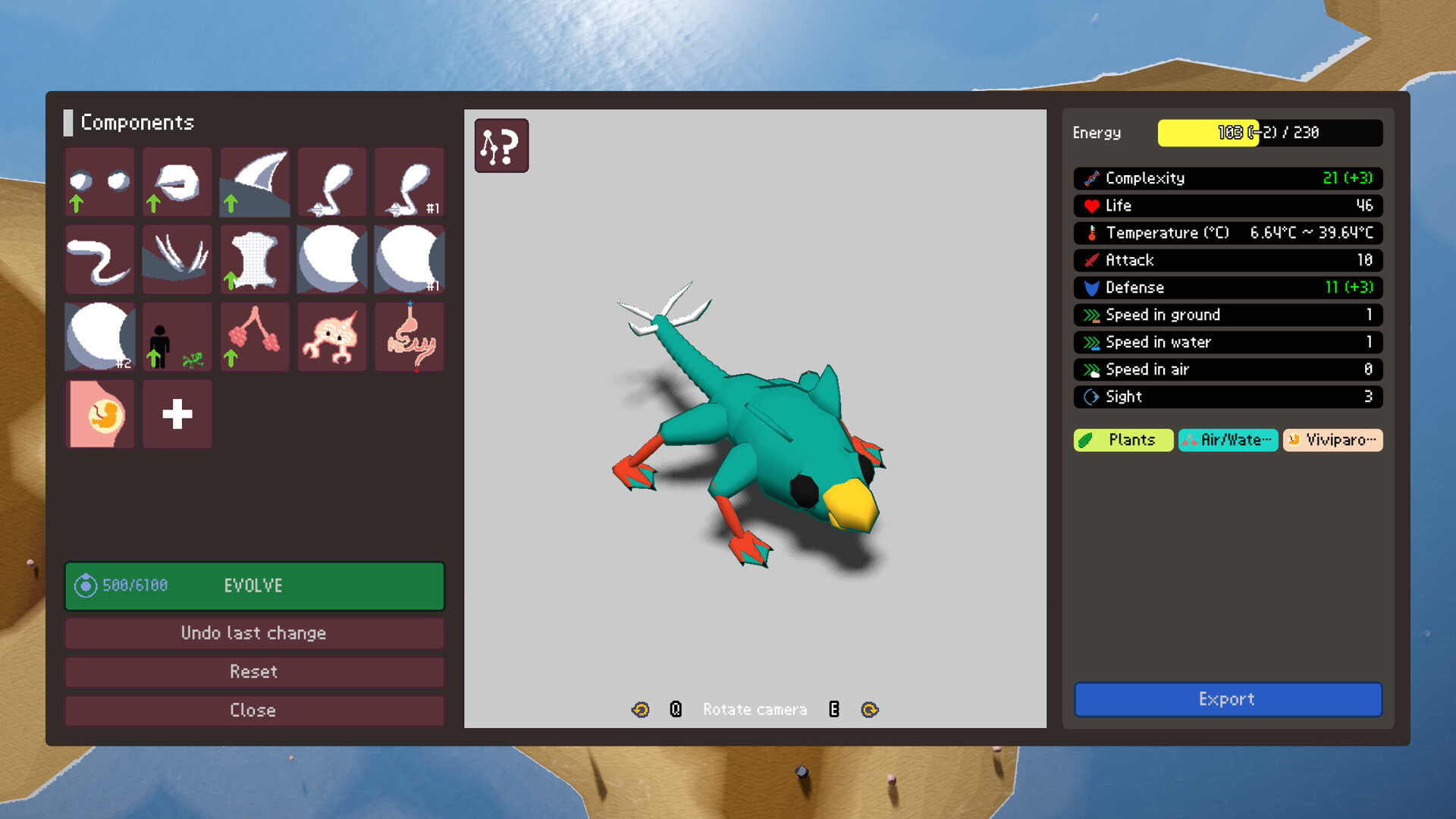
You can add creatures and evolve them from simple organisms to intelligent beings. The system lets you design traits and watch natural selection shape populations over time.
Intervention is optional: you may help species survive or let them compete for resources, creating a dynamic balance between predator and prey within the ecosystem.
- Introduce a variety of species early to increase ecological interactions.
- Monitor population trends; sudden spikes may signal an emerging imbalance.
03 / THE GUIDE
Cell Stage
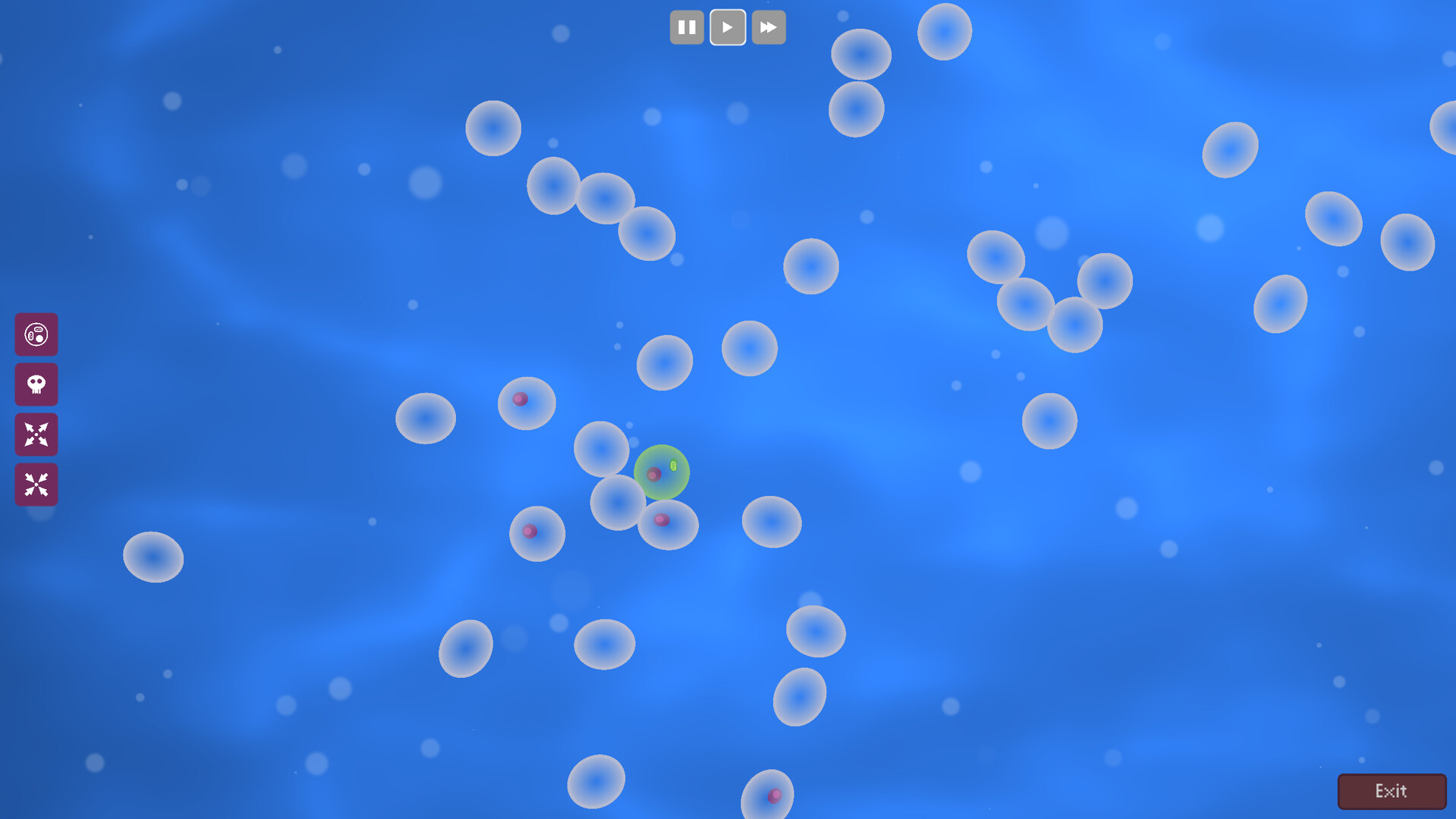
Life begins at the cellular level, where you can combine different cell types to create new organisms. Starting from single cells, you can progress to multicellular life and eventually macroscopic plants and animals.
This stage serves as a foundation for later evolution, letting you experiment with biological structures before they appear in the broader ecosystem.
- Mix contrasting cell functions to discover unexpected organism designs.
- Track early cell combinations, as they may shape how your creatures later develop.
04 / THE GUIDE
Ecosystem Management
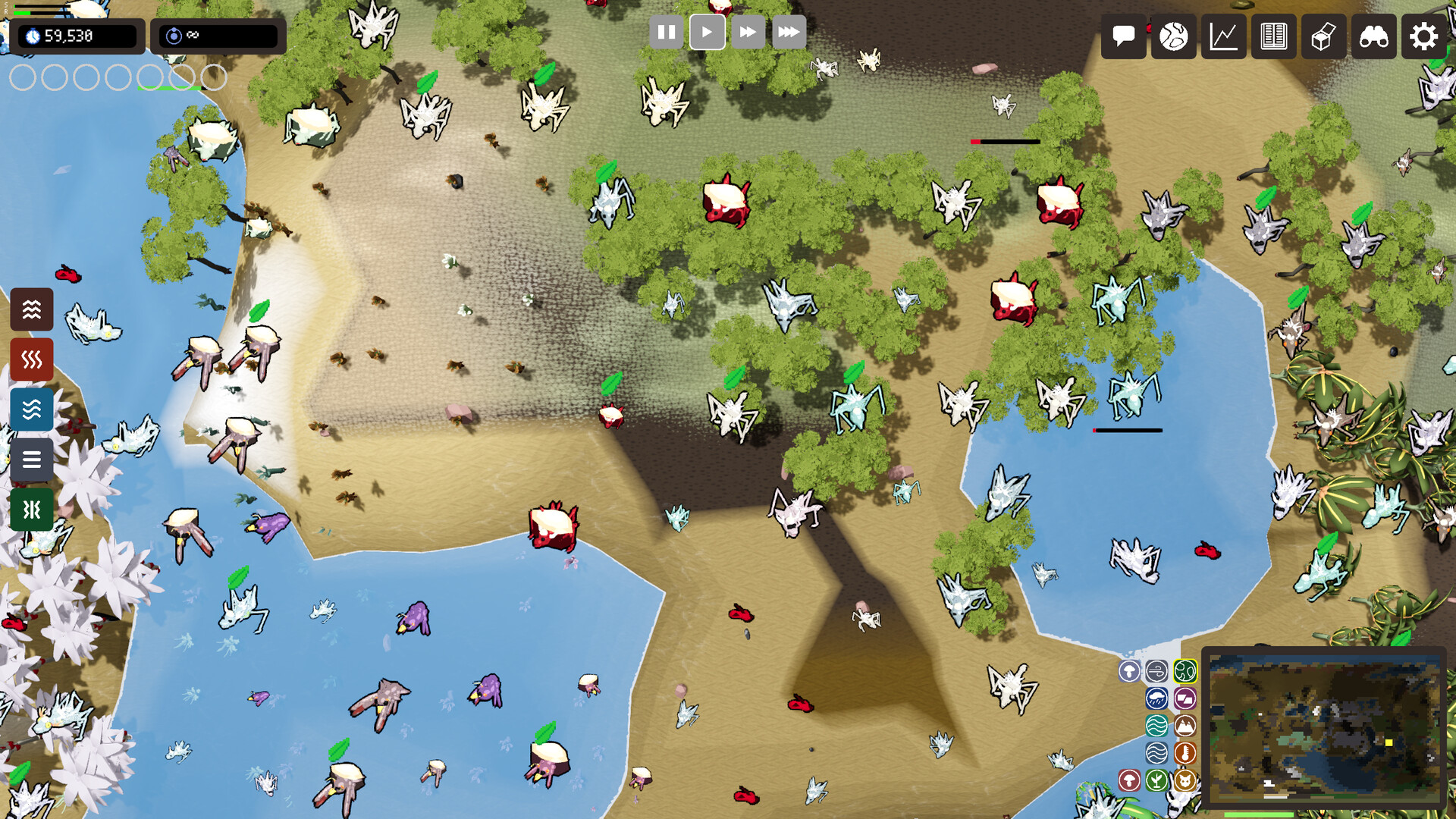
Building a stable ecosystem requires balancing fauna and flora. The game reacts to changes in climate, terrain, and creature behavior, so ongoing observation is needed to maintain harmony.
If species begin to dominate or decline, you can adjust environmental parameters to prevent extinction and keep the planet thriving.
- Check species diversity regularly; low variety can indicate a looming collapse.
- Subtle climate or terrain tweaks can rebalance a group that has become too dominant.
05 / THE GUIDE
First‑Person Exploration
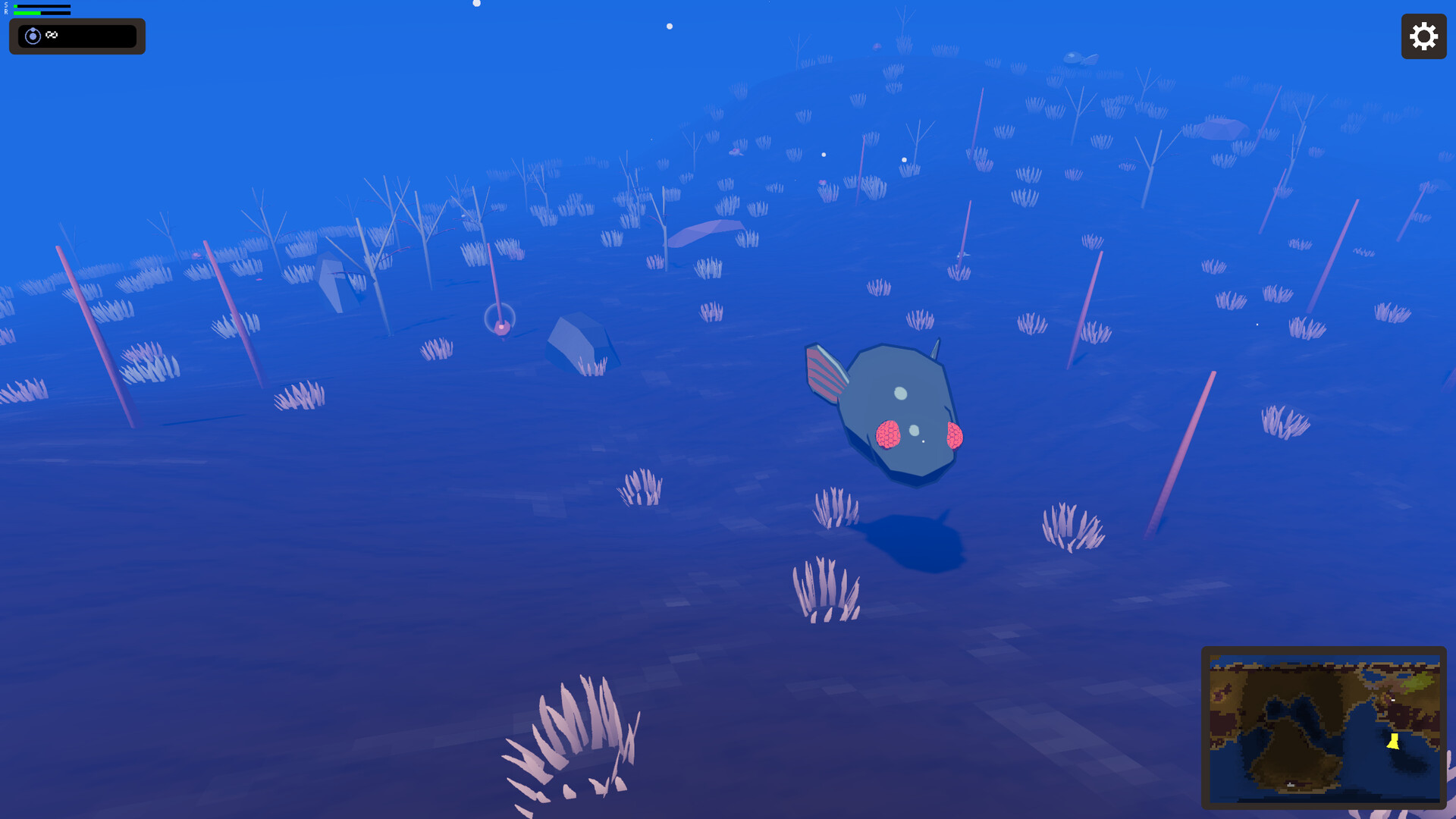
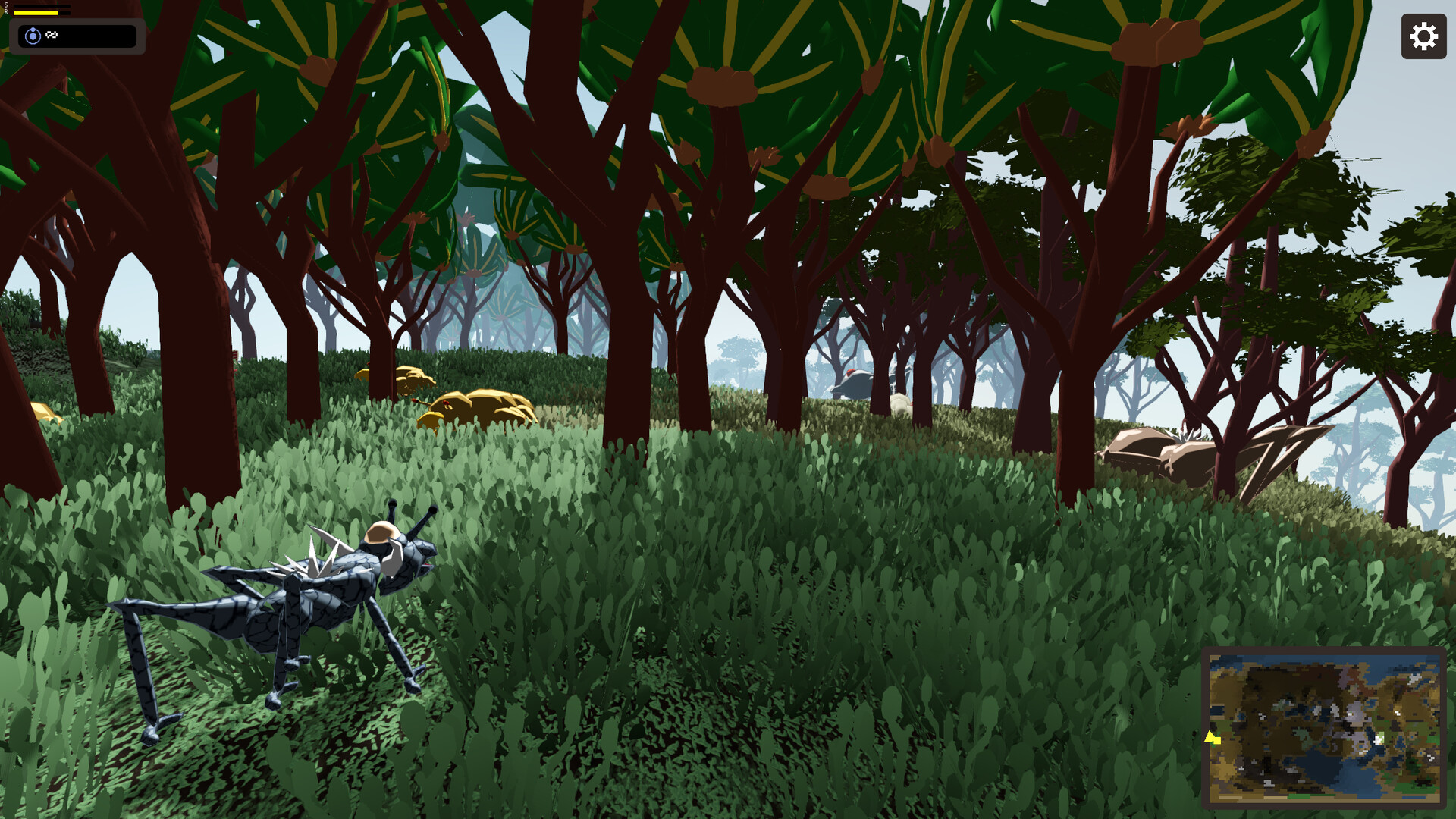
A first‑person perspective lets you walk around the planet and view your creations up close. This view helps assess terrain features and ecosystem health that may be missed on a map.
Exploring directly lets you observe creature behavior and geological details up close, providing feedback for further planetary adjustments.
- Use first‑person mode after major changes to verify their impact on the environment.
- Observe creature interactions directly to gauge ecosystem stability.
COMMUNITY
Player discussion