 GameWiki

GET YOUR BEARINGS
About Plains of Pain
Plains of Pain drops you into a scorching post‑apocalyptic desert where the sun, thirst, toxic air and hostile factions threaten every step. You must manage heat stress, hunger, radiation and fatigue while scavenging, crafting gear and building shelters to stay alive.
The game supports solo, co‑op and online multiplayer, letting you construct bases, trade with NPCs, pilot hover‑vehicles and influence faction wars. A procedurally generated world and extreme events keep each playthrough fresh, while reputation with rival groups unlocks new outposts and trade options.
01 / THE GUIDE
Surviving the Wasteland
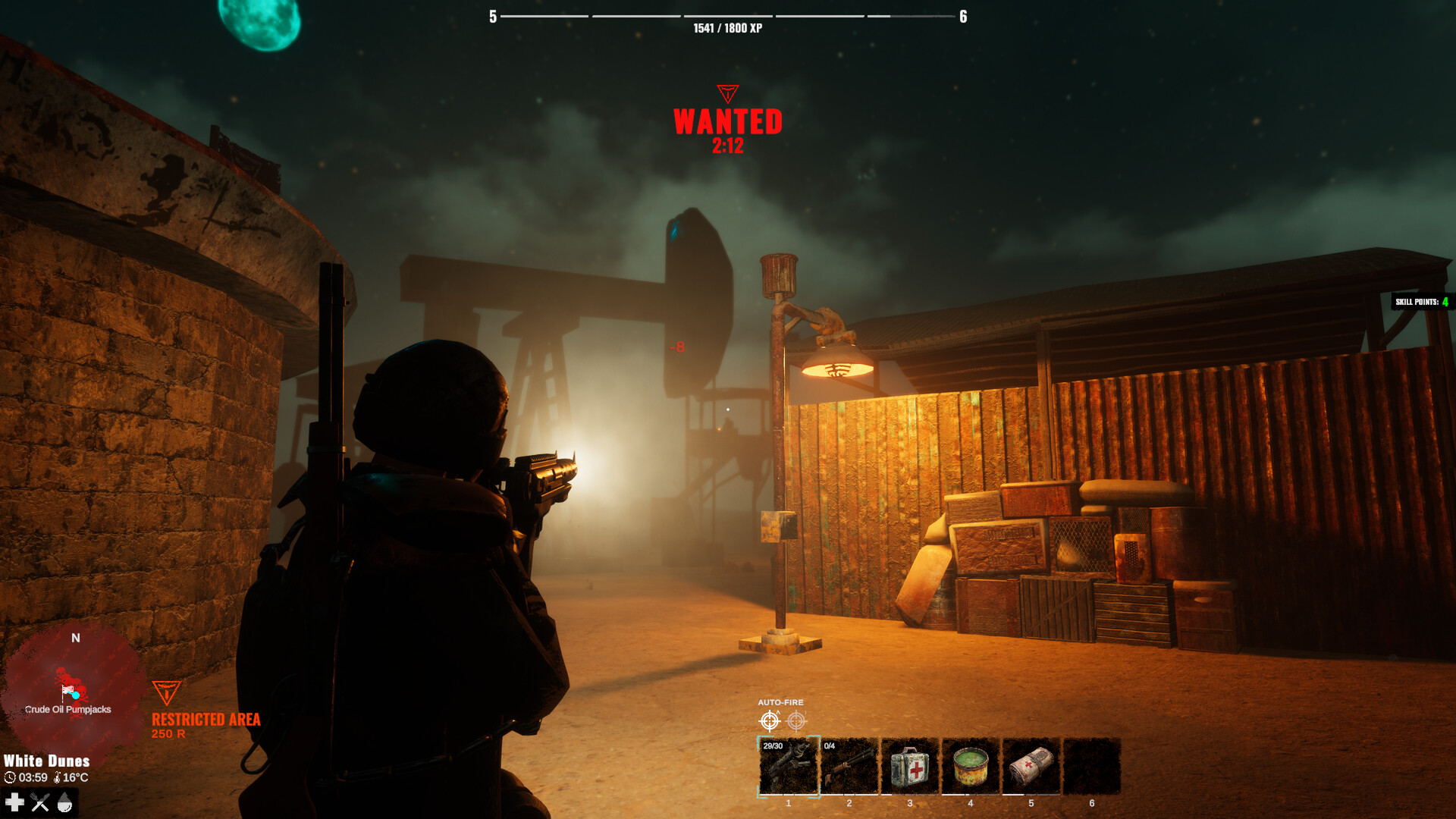
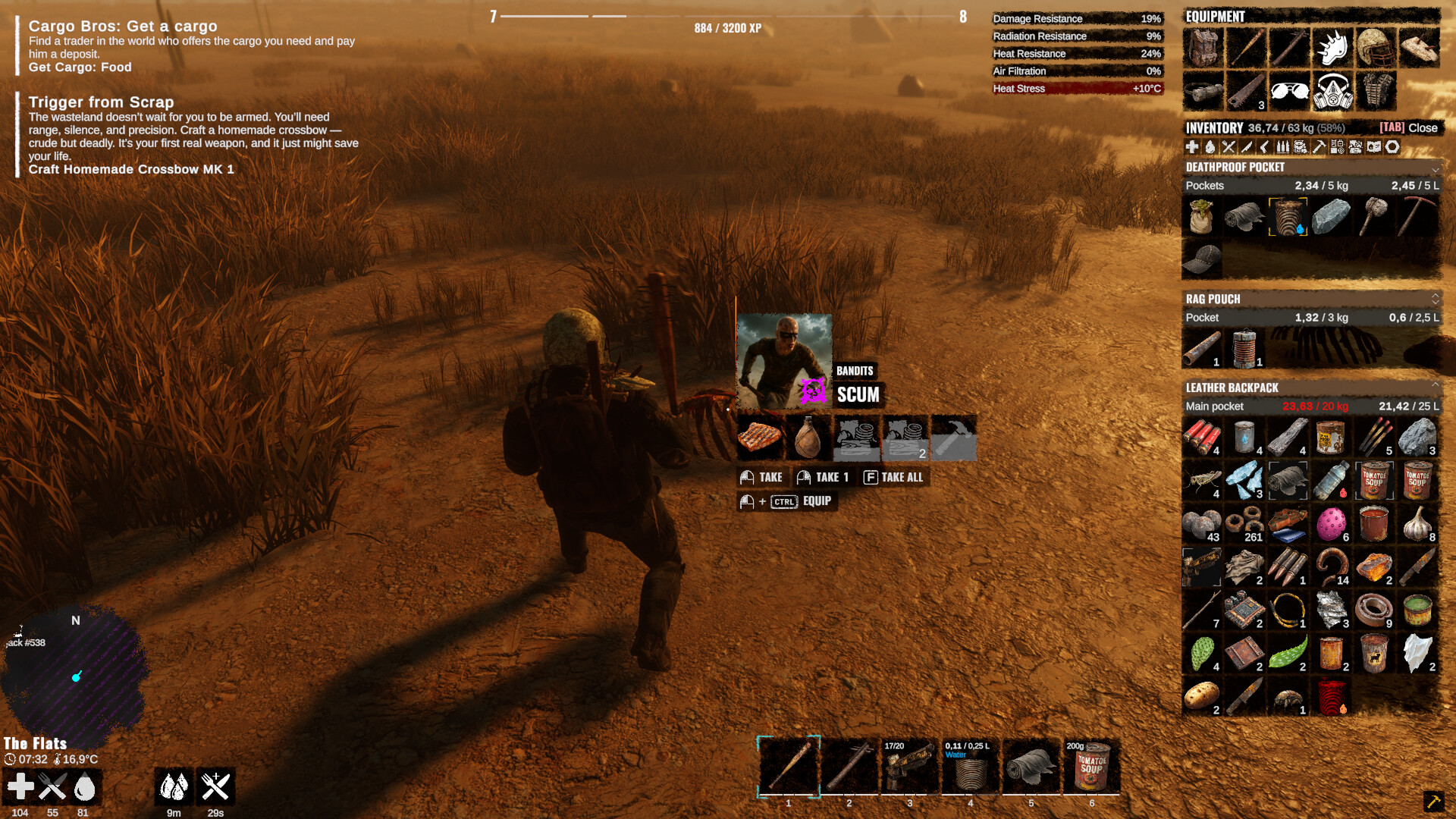
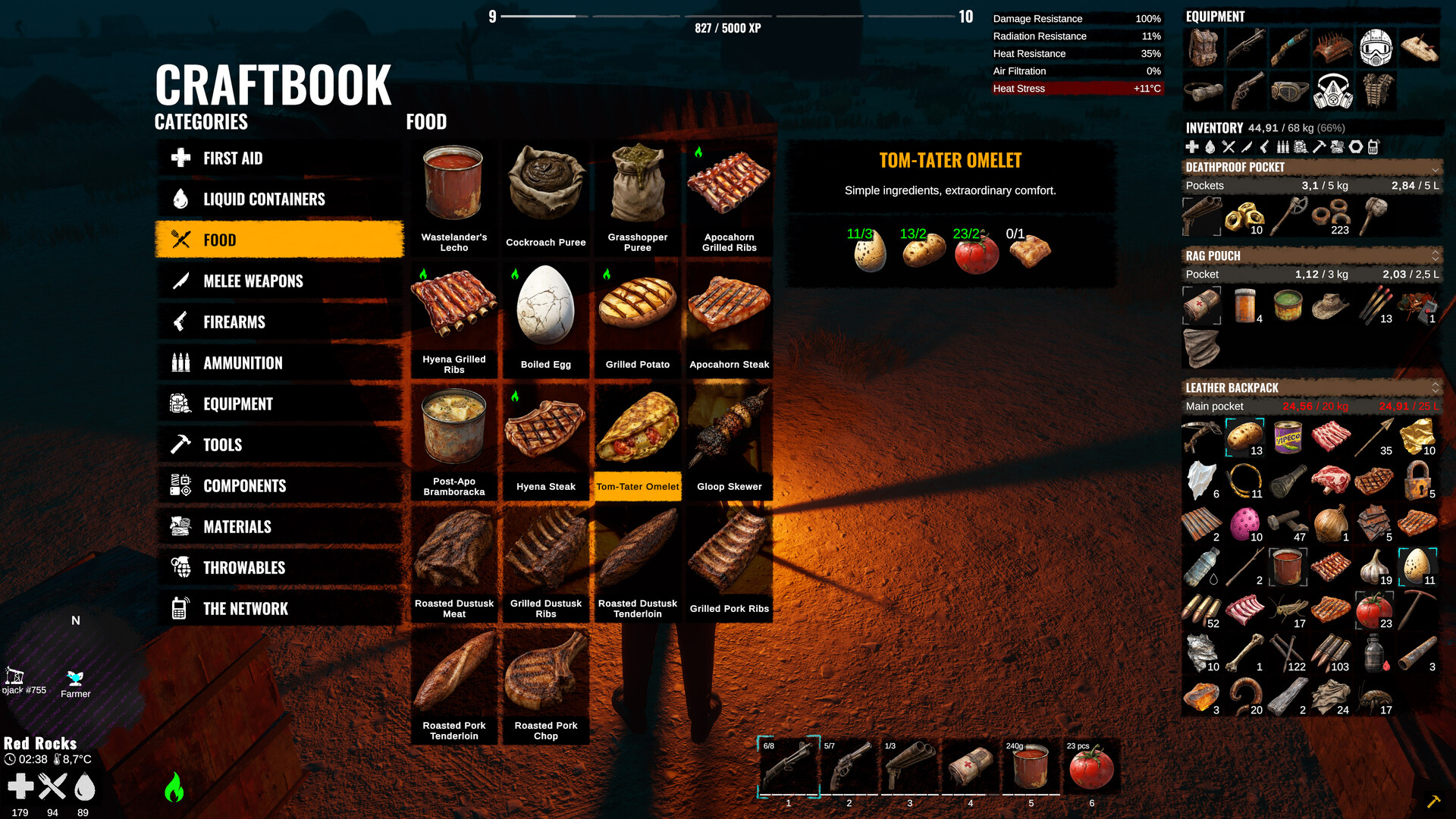
The desert forces you to monitor thirst, hunger, heat stress, radiation, biohazards and fatigue, with failure leading to death. Overheat events and meteor showers add sudden, lethal challenges that require finding shade or cover instantly.
Combat against enemies yields loot, and you decide what to keep based on immediate needs such as water, food, or equipment. Survival is flexible—any approach that keeps you alive works, at least for now.
- Prioritize locating shade during Overheat events to avoid rapid health loss.
- Gather both food and water items after fights to address hunger and thirst spikes.
02 / THE GUIDE
Building Bases and Settlements
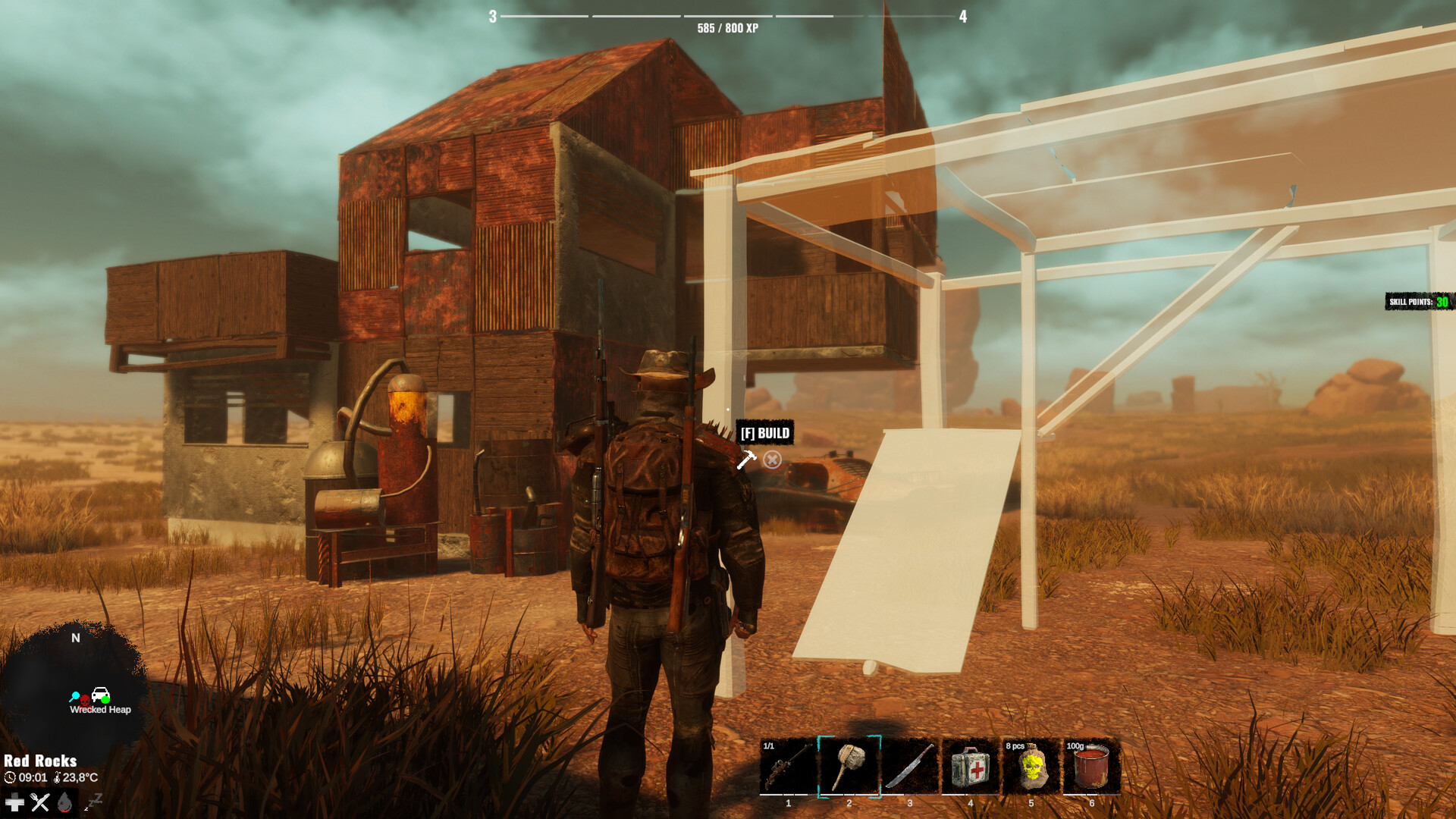
Use modular pieces to create homes, bases or full settlements, adding stations for water purification and crafting. Supplying food and water attracts wastelanders, growing the population and unlocking production buildings.
Outposts can host barracks, sniper towers and a Grand Shack, but they require continuous resource input. Larger settlements trigger stronger attacks, so defensive planning is essential.
- Start with basic water purification stations before expanding defensive structures.
- Balance population growth with resource supply to prevent frequent shortages.
03 / THE GUIDE
Hover Vehicles
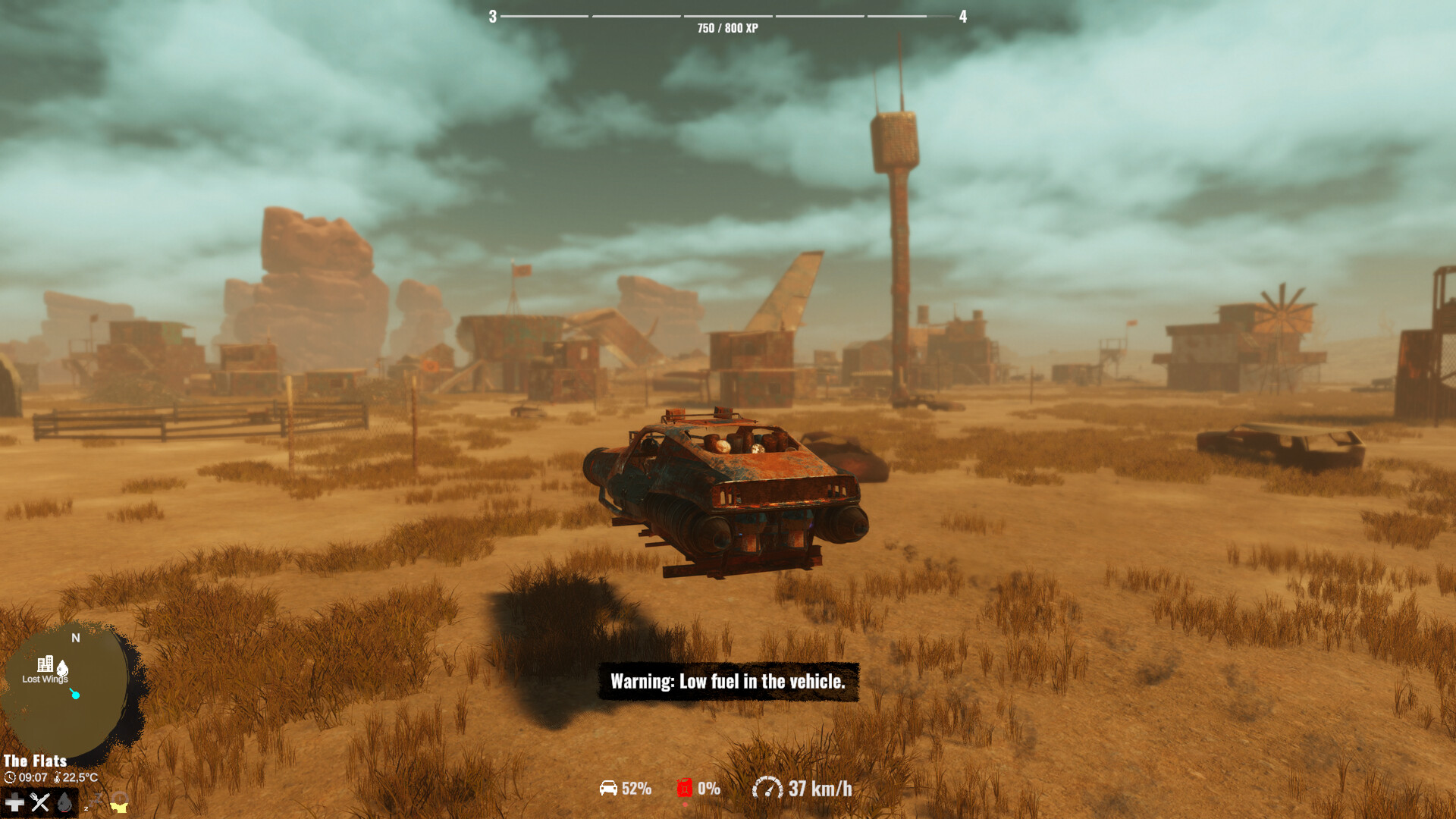
Advanced anti‑gravity hover vehicles let you cross the desert faster. Craft them from blueprints found or bought, then fuel them with the appropriate fuel type. Vehicles provide storage and a fuel tank, and can be upgraded for speed, armor, acceleration, durability and more.
Vehicles are essential for reaching distant locations, making them a core part of long‑range exploration.
- Upgrade vehicle armor before venturing into high‑risk zones.
- Carry extra fuel to avoid being stranded during long trips.
04 / THE GUIDE
Faction Reputation and Wars
Two rival factions vie for control of outposts that hold rare resources. Gaining reputation through trade, quests or eliminating targets lets you capture outposts for a chosen faction, shifting power across the map.
Outposts are constantly contested; no location stays safe for long. Your reputation determines which special outposts and trade options become available.
- Focus on completing quests for a faction to boost reputation quickly.
- Monitor enemy movements near outposts to anticipate attacks.
05 / THE GUIDE
Procedural World and Extreme Events
Each game generates a unique world using a seed, affecting terrain, enemy spawns, trader inventories and loot. Biomes present distinct challenges such as extreme heat, radiation or oxygen loss, influencing where you can safely travel.
Global events like Overheat and Meteor Showers can instantly kill unprepared players, forcing you to seek shade or cover. The world size can be set up to 26 × 26 km, ensuring varied exploration experiences.
- Scout biomes early to identify areas with natural shade or lower radiation.
- Keep an eye on the sky for visual cues of incoming meteor showers.
COMMUNITY
Player discussion