 GameWiki

GET YOUR BEARINGS
About Phantom Squad
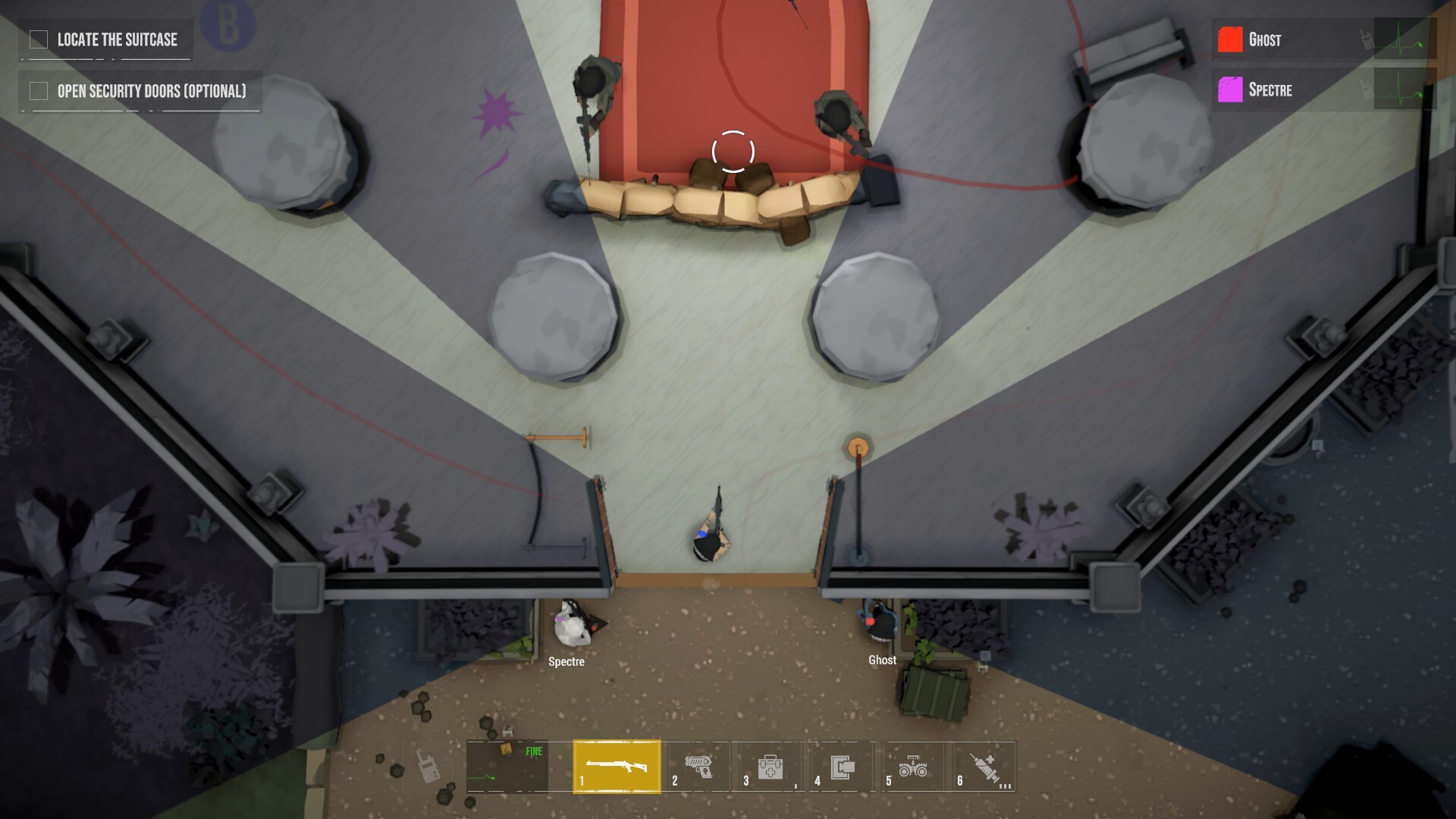
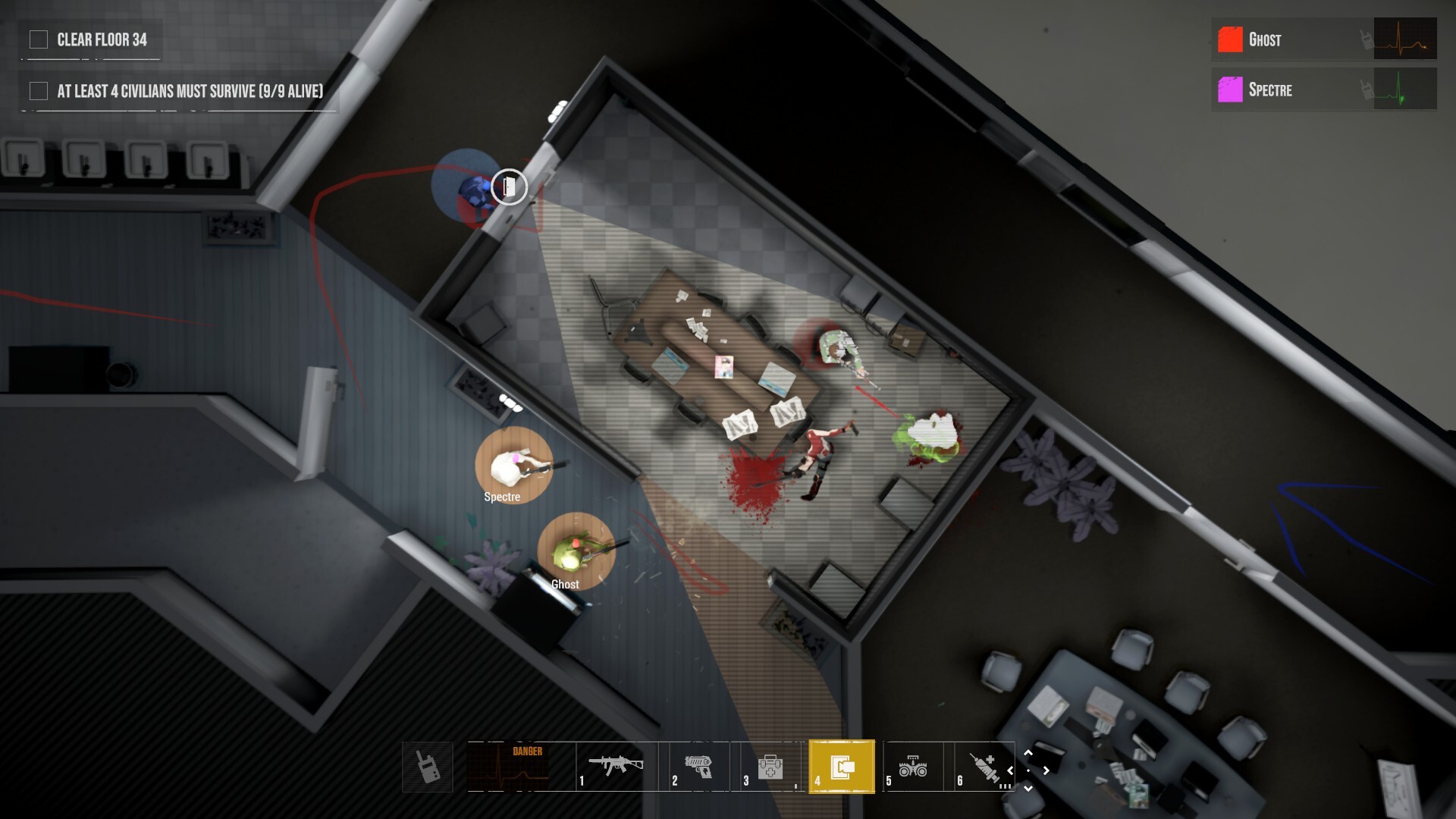
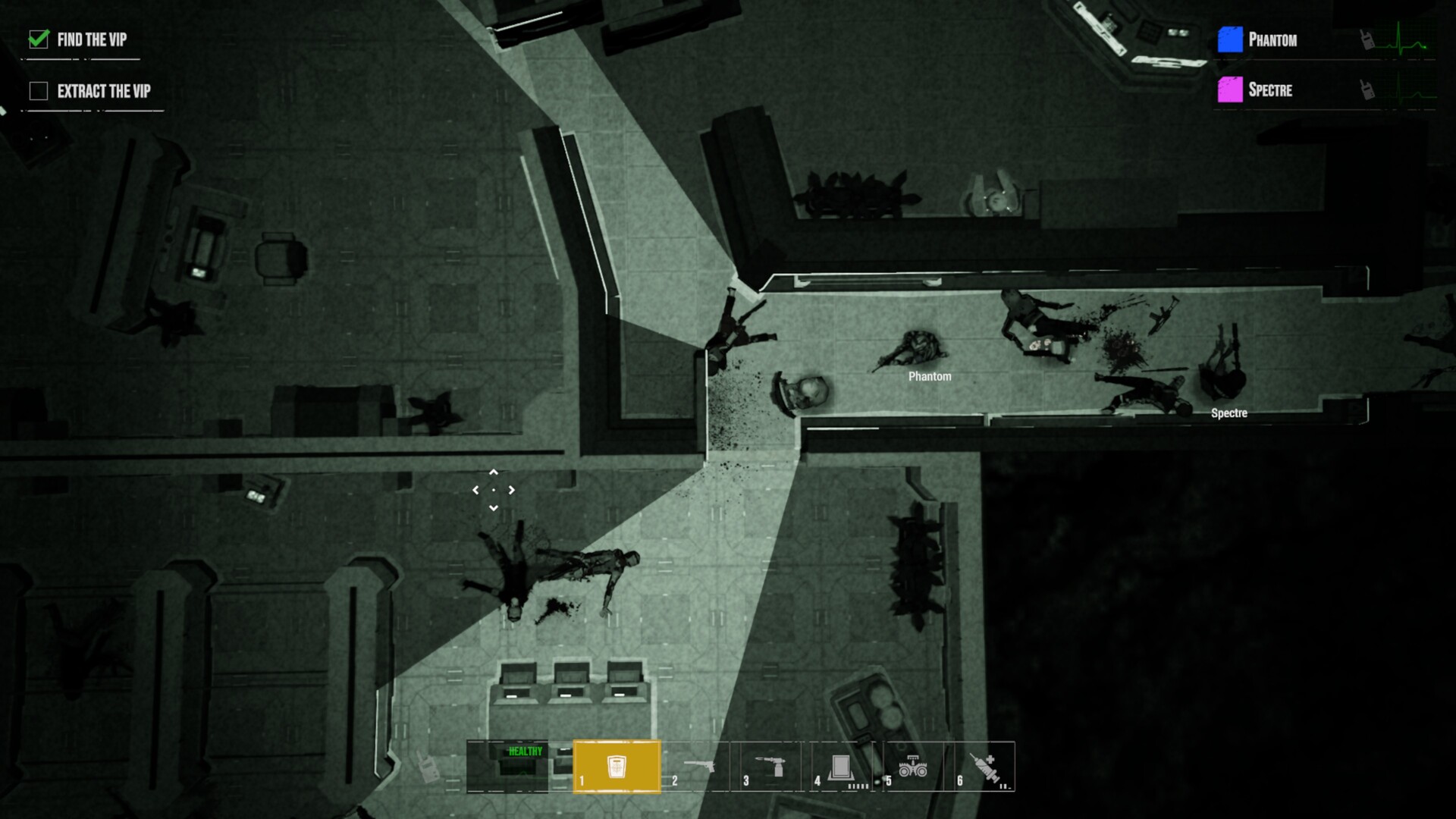
Phantom Squad places up to four players in top‑down tactical missions where coordination and planning are central. Voice chat and in‑game markers let squads synchronize entries, cover angles, and adapt as the fight evolves.
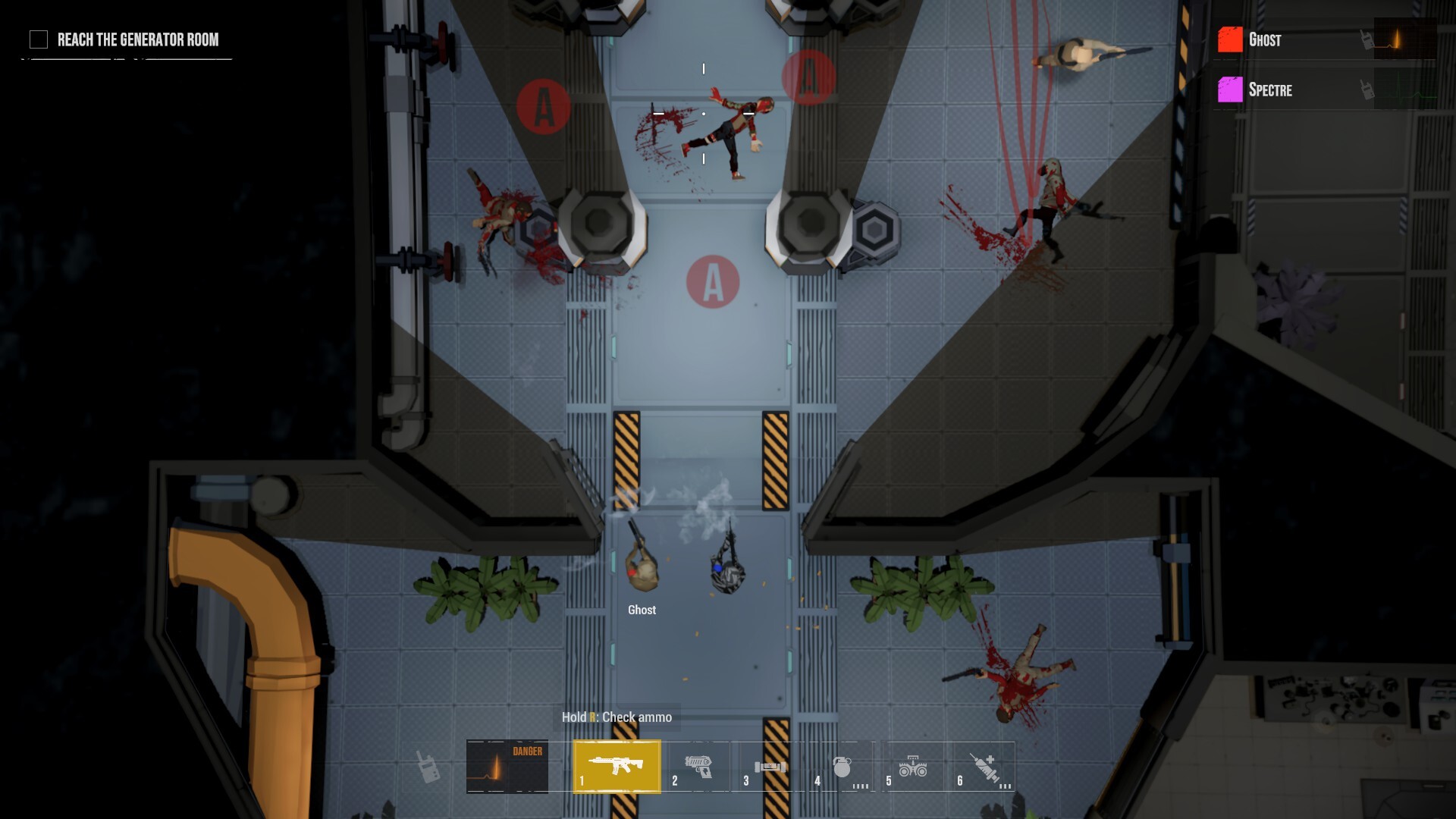
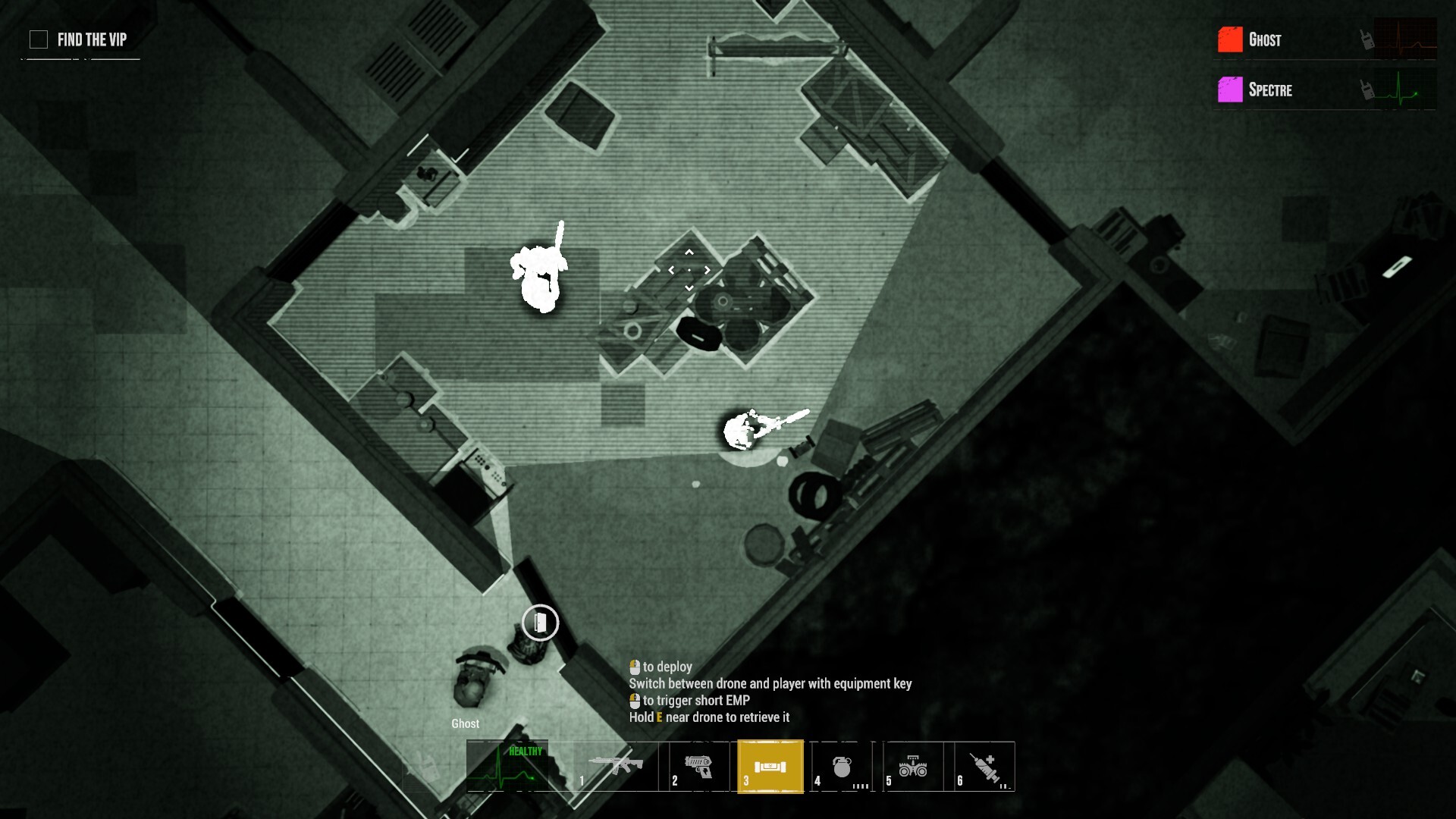
Combat rewards precision; a missed shot can end a life, while more than twenty gadgets—including scouting devices, breaching tools, and traps—add layers of strategy. Three difficulty levels let teams choose how forgiving the experience is.
01 / THE GUIDE
Online Co‑Op Operations
Missions are built for 1‑4 players who must communicate and move together. The description emphasizes that rooms are not cleared alone and that trust among teammates is presented as the strongest weapon.
The game’s online focus means squads rely on voice chat and the provided planning tools to coordinate entries and cover each angle, matching the stated design for fully online co‑op missions.
- Start each match by confirming each player’s role through voice chat.
- Use the in‑game markers to indicate entry points before the first engagement.
02 / THE GUIDE
Tactical Planning Tools
Players can mark routes, objectives, and entry points as the mission unfolds, allowing the squad to adjust on the fly. These markers support the kind of smart planning that the description says separates clean execution from total wipeout.
The description notes that smart planning, supported by these tools, is essential for success, reinforcing the need to place and update markers as enemy positions change.
- Place markers on multiple angles to keep options open.
- Update markers when you notice enemy movement.
03 / THE GUIDE
Friendly Fire
The official text states that one wrong shot could take down a friendly, indicating that friendly fire is a possible outcome during combat. This creates a need for careful aiming and clear communication.
Because a single mistake can eliminate a teammate, squads are encouraged to maintain discipline and verify targets before firing, aligning with the game's emphasis on precision.
- Confirm target identity verbally before pulling the trigger.
- Use planning markers to define safe fire zones.
04 / THE GUIDE
Specialized Gear
Beyond firearms, the game offers over twenty gadgets such as scouting devices, incapacitating equipment, heartbeat sensors, breaching tools, and traps. Mastery of these items is presented as a way to gain an edge.
The description frames gear selection as a core strategic component; using the right gadget at the right moment can help squads out‑maneuver enemies and survive longer.
- Try different gadgets in low‑risk scenarios to learn their functions.
- Combine scouting devices with breaching tools for coordinated entry.
05 / THE GUIDE
Difficulty Settings
Three difficulty levels—Rookie, Normal, and Hardcore—let squads choose the challenge they prefer. Rookie is described for new operatives, Normal for seasoned squads, and Hardcore for those who fear nothing.
Selecting a difficulty directly influences how much margin for error the game provides, shaping the intensity of each mission as described in the feature list.
- Begin on Rookie to become familiar with gadget interactions.
- Move to Normal once your team’s coordination improves.
COMMUNITY
Player discussion