 GameWiki

GET YOUR BEARINGS
About Pathogenic
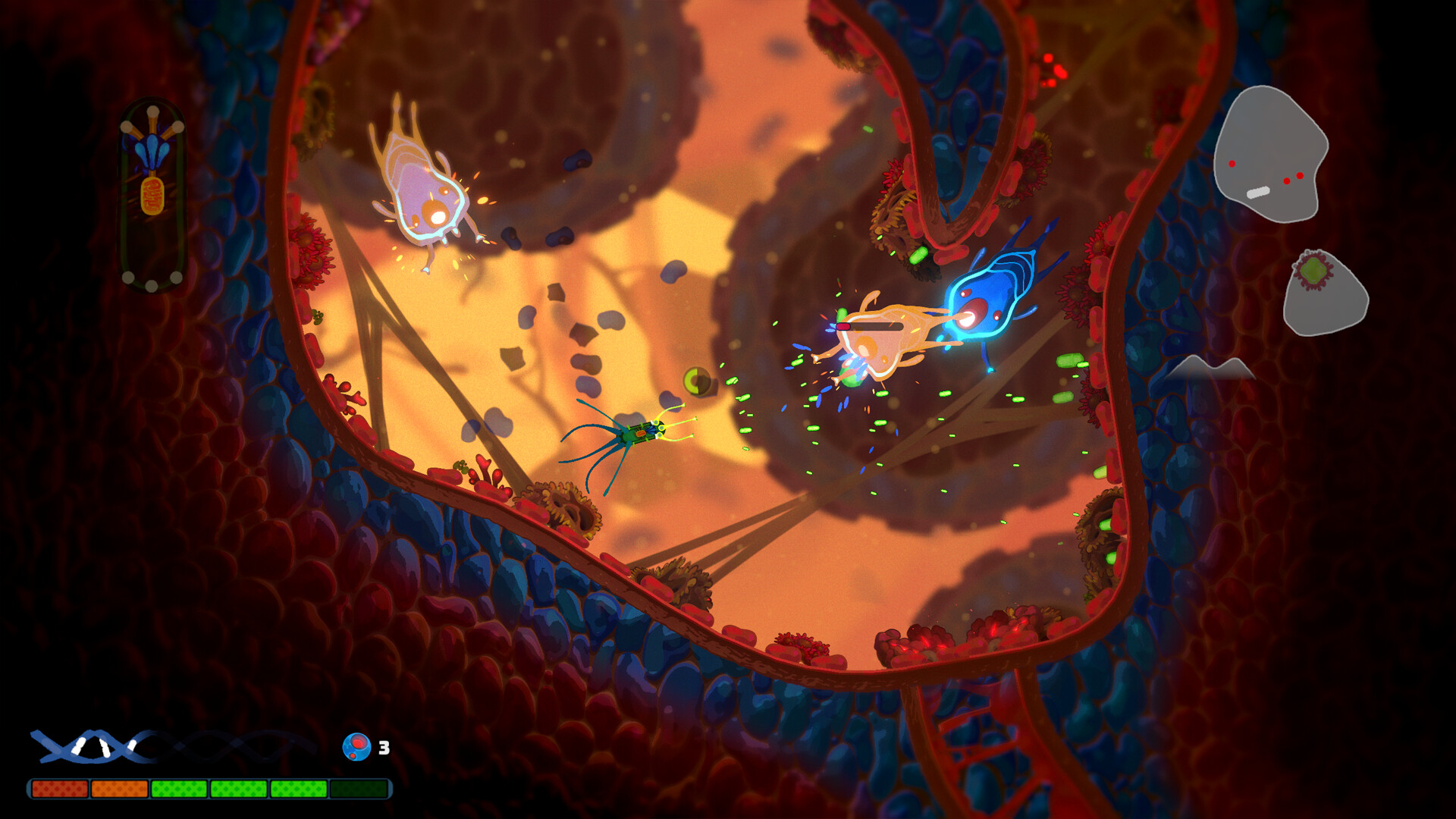
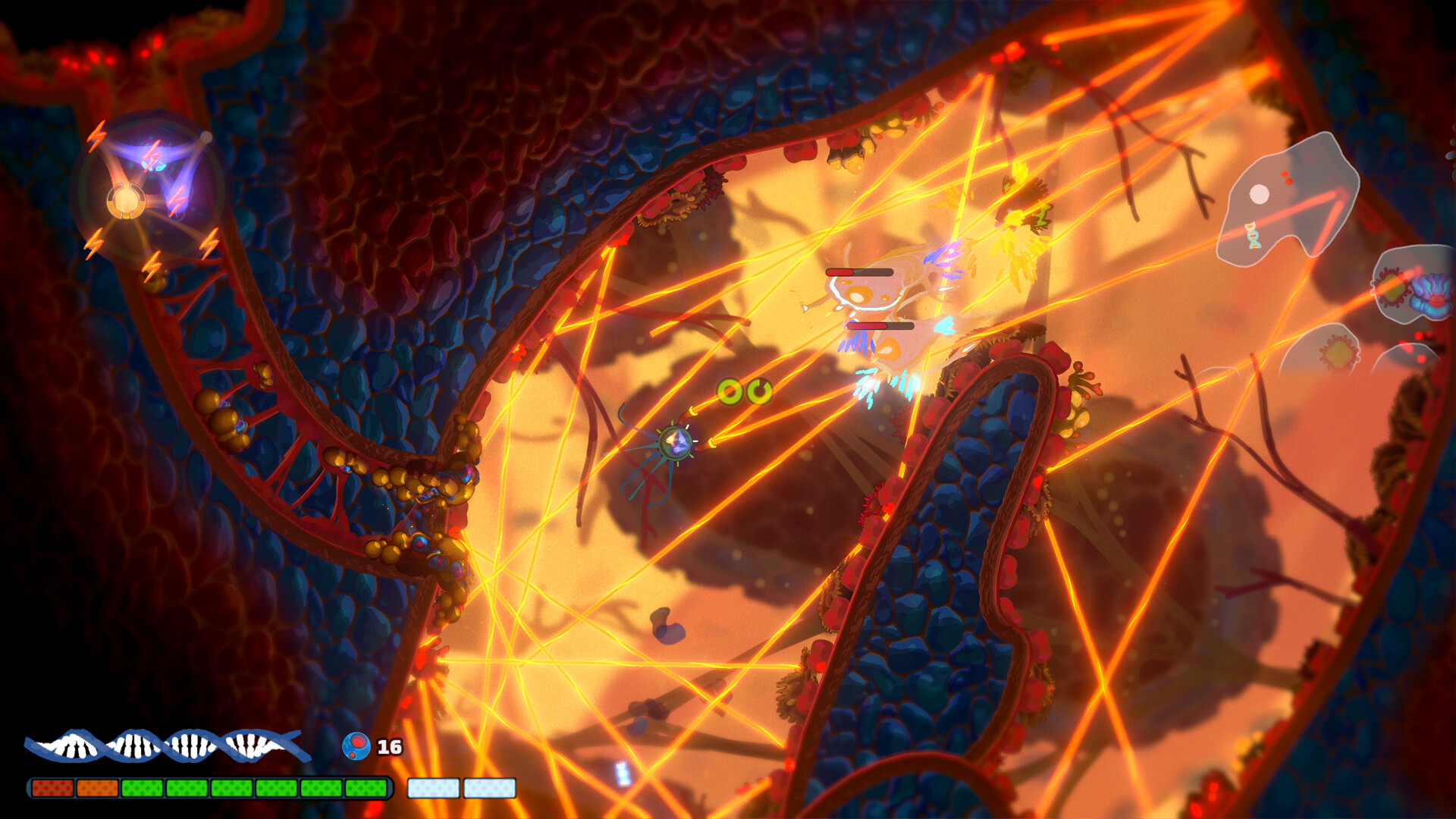
Pathogenic is a 2D roguelike twin-stick shooter from Aberrant Labs in which you play as a lone parasite waging war against the human immune system. Combat is powered by a soft-body physics simulation, giving every cell, enemy and projectile a distinct organic feel.
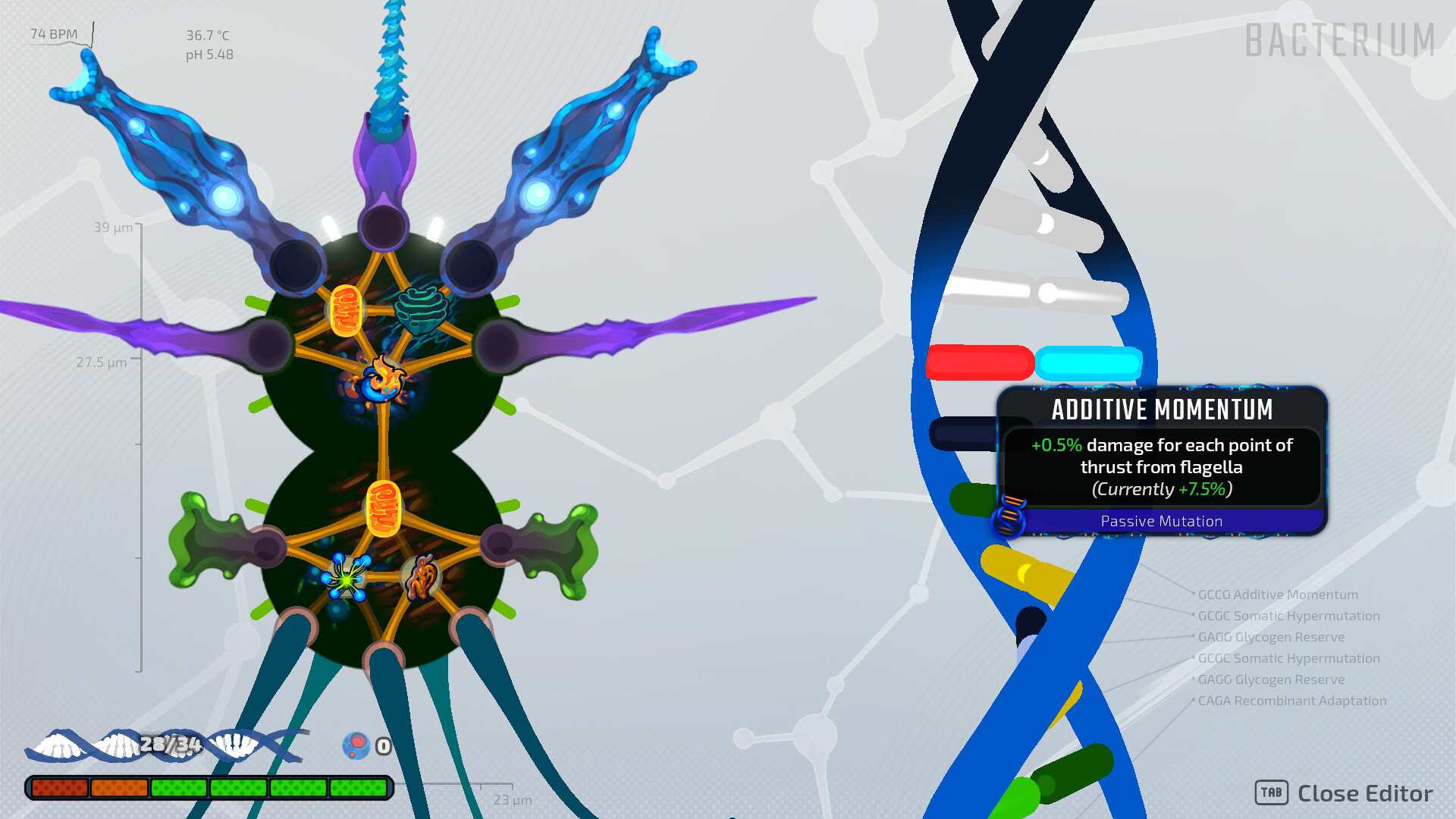
Grafting makes defeated cells a source of parts for your own parasite. Taking their organelles and attaching them to your body lets you change the organism you control. Runs explore generated environments based on human organs, while collected plasmid fragments contribute to permanent development between attempts. Each parasite has a separate tree for those upgrades.
01 / THE GUIDE
Organelles and Builds
Different organelles contribute different functions. Flagella provide movement and mitochondria supply power, while secretors attack at range and spikes support close combat. The selection includes dozens of parts, giving you ways to combine effects around the approach you prefer.
You acquire organelles from enemy cells and graft them onto the parasite. Consider how a new part relates to the organism already taking shape, then experiment with combinations to understand their interaction rather than judging each addition in isolation.
- Experiment with organelle combos early to discover powerful synergies.
- Prioritize organelles that match your preferred combat range for smoother progression.
02 / THE GUIDE
Immune Enemies
Hostile organisms include the body's defenses as well as competing parasites. The named examples span T cells, macrophages, protozoa and tapeworms. Comparing encounters with those different opponents is a useful way to assess the parts you have assembled.
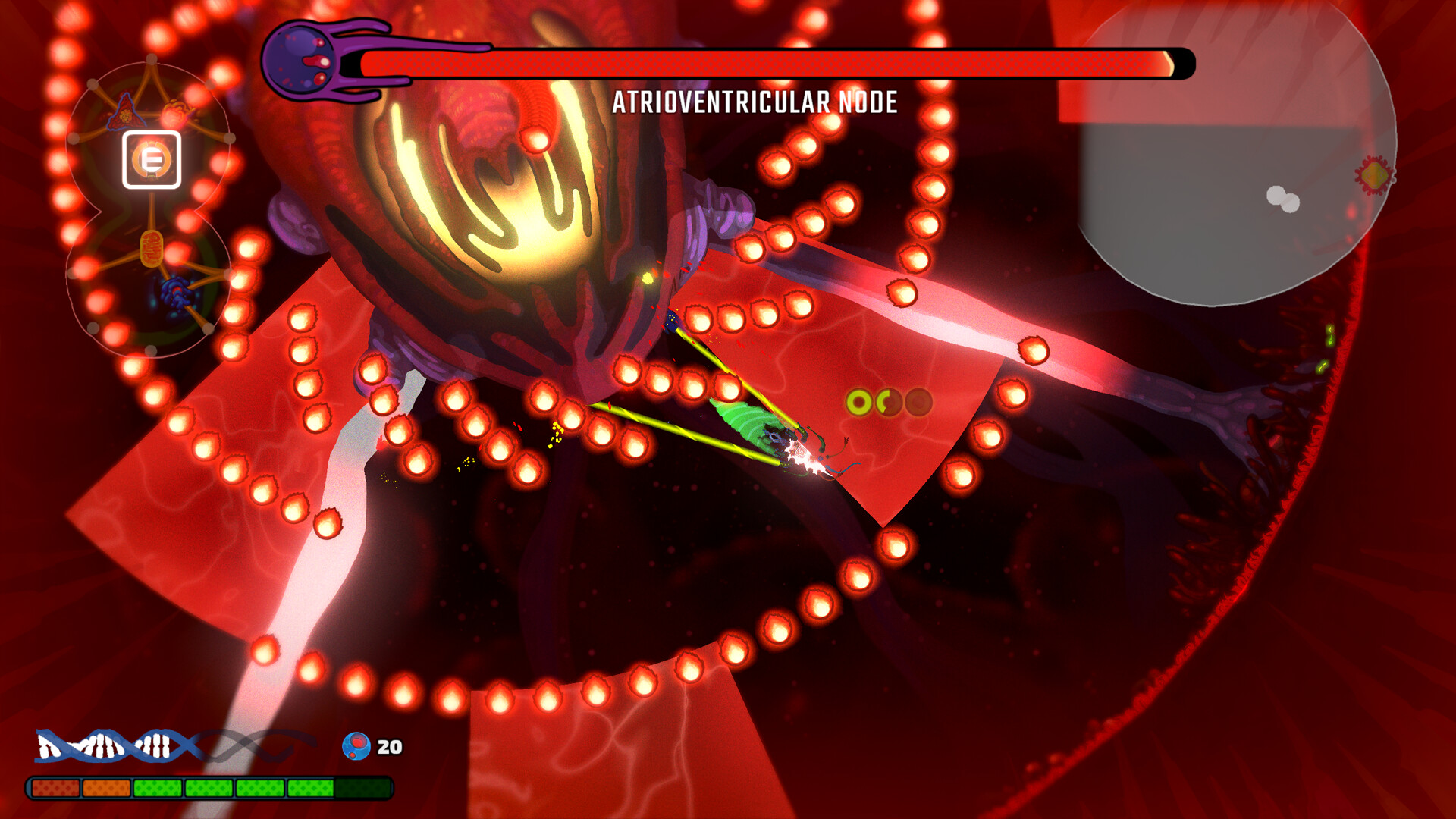
Boss enemies are also described within the host's organs. Treat those encounters as another reason to consider the relationship between your parasite's movement and offensive options.
- Observe enemy attack patterns before engaging to choose an optimal organelle loadout.
- Use melee spikes against slower immune cells and ranged secretors for faster foes.
03 / THE GUIDE
Procedural Biomes
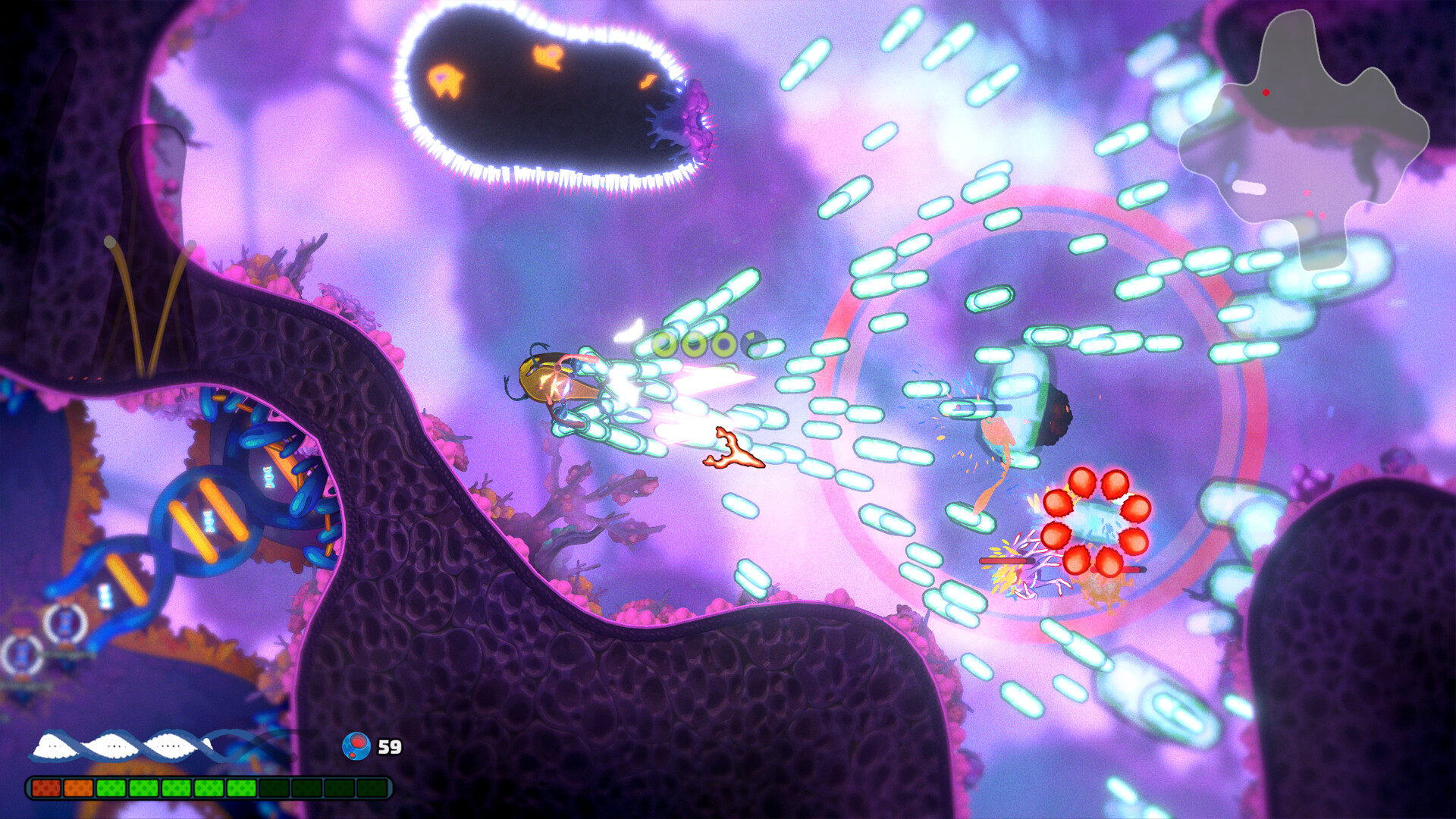
The environments take their themes from human anatomy, with the brain, lungs and heart among the areas described. Procedural generation changes the landscape between runs, so navigation involves responding to the current environment rather than relying entirely on one remembered route.
The developers combine authored design with that generation system. Pay attention to how a particular layout affects movement and encounters when deciding how to use the organelles available to you.
- Adapt your organelle setup to the biome's layout; tight spaces favor mobility.
- Explore each biome thoroughly to locate plasmid fragments for upgrades.
04 / THE GUIDE
Metaprogression & Plasmids
Plasmid fragments support progression that persists beyond an individual run. Between attempts, they are used to develop the selected parasite's plasmid tree. Each parasite has its own tree, allowing you to pursue different development choices.
Consider those lasting upgrades alongside the organelles you like to use. Planning around a preferred approach can make the relationship between a run's decisions and longer-term development easier to understand.
- Focus on gathering plasmid fragments early to unlock key upgrades.
- Plan your plasmid tree around preferred organelle synergies for consistency.
05 / THE GUIDE
Platform Features
The store listing advertises full controller support, including DualShock and DualSense compatibility, alongside Steam Workshop integration for community content. Remote Play options and shared/split-screen co-op enable shared experiences.
Steam Cloud, achievements, and leaderboards are listed as additional features, and the game is available on Windows, macOS and Linux.
- Check the Steam Workshop for community-made content that can extend your runs.
- Try split-screen co-op for a collaborative pathogen evolution experience.
COMMUNITY
Player discussion