 GameWiki

GET YOUR BEARINGS
About Palmyra Orphanage
Palmyra Orphanage is a first‑person paranormal horror set in a decaying post‑Soviet Russian orphanage. You return to the empty rooms to locate clues about your missing brother while confronting restless spirits and a hostile principal. The game relies on stealth and careful observation to survive the oppressive atmosphere.
The environment follows authentic orphanage blueprints, presenting detailed dormitories and classrooms that convey loneliness. Multiple endings let you decide the story’s conclusion, and dark sound design reinforces tension throughout the experience.
01 / THE GUIDE
Story and Setting
The orphanage, called Palmyra, survived the collapse of the Soviet Union and the 1990s fever, yet its records have vanished. A clue about your brother’s whereabouts draws you back, forcing you to walk through haunted corridors and search for relocation documents hidden within the building.
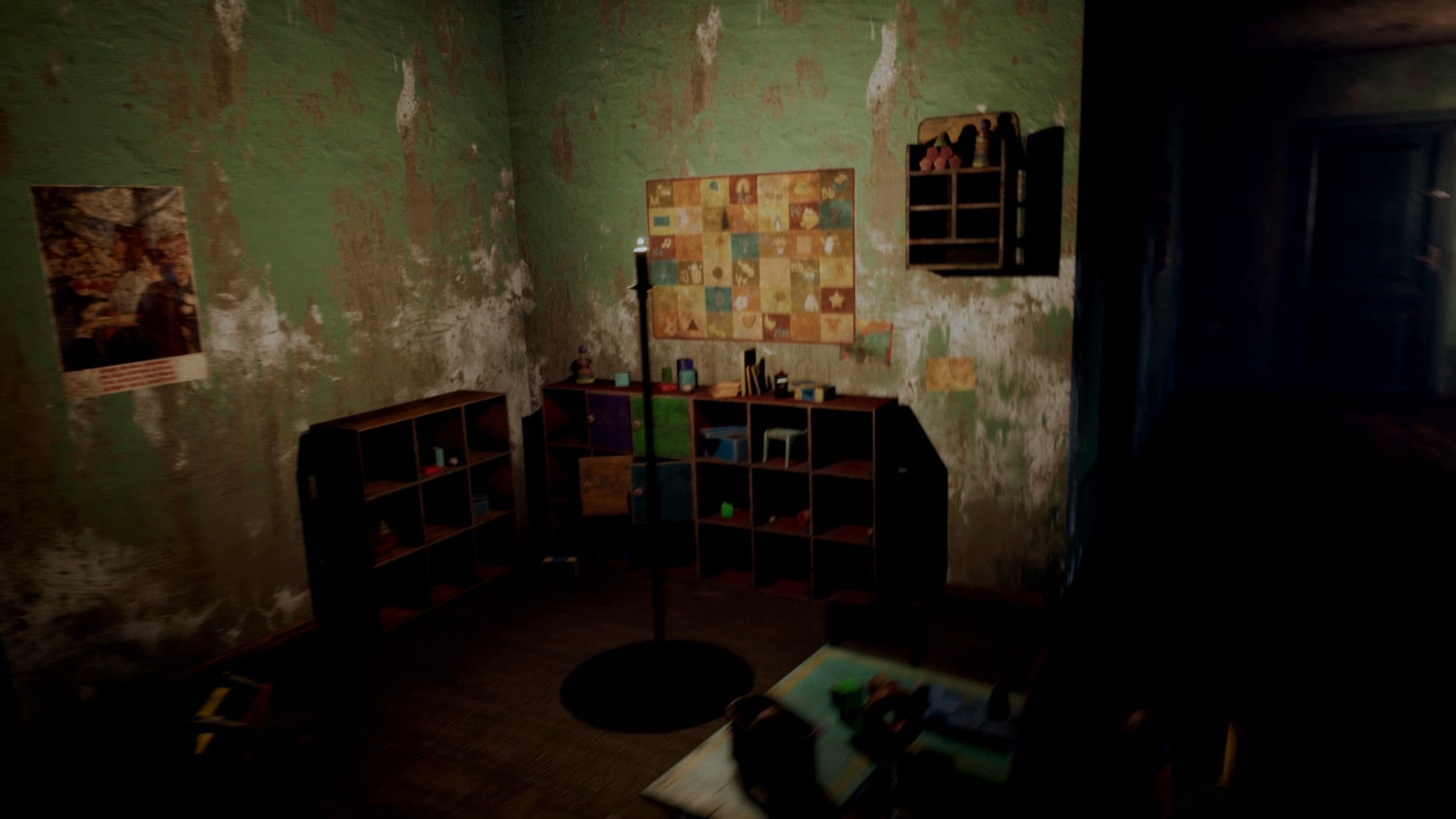
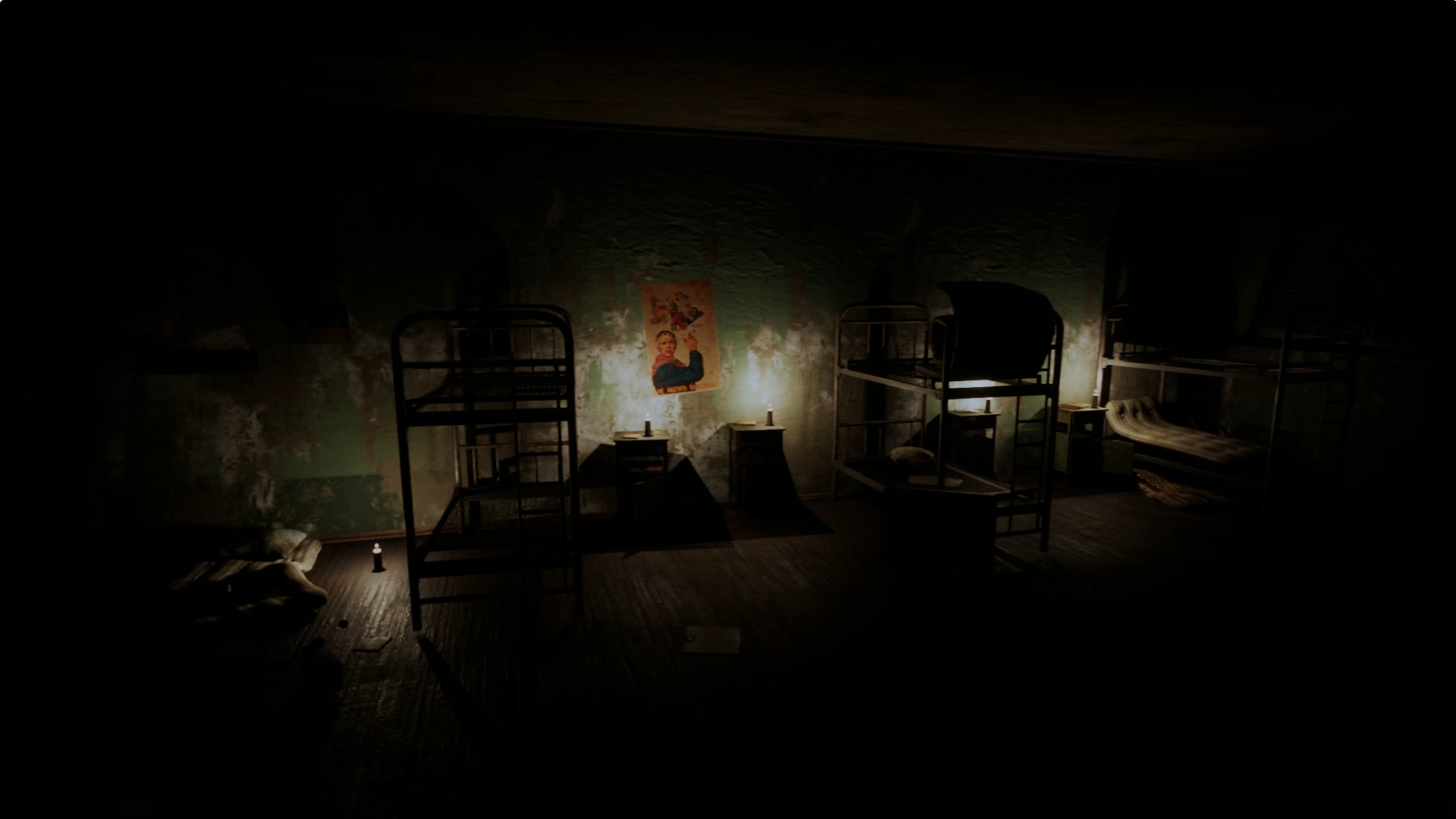
Each room, from empty dormitories to old school classrooms, is recreated to convey a sense of loneliness and despair. The layout is based on existing blueprints of Russian orphanages, grounding the horror in a believable, historically inspired environment.
- Compare the visual layout of each room with the described blueprint references to improve orientation.
- Listen for narrative cues that hint at the location of important documents.
02 / THE GUIDE
Stealth Mechanics
Stealth is central to the experience; the principal is described as always present and will react to careless movement. The game challenges you to think before each step, demanding attention to ambient sound and visual cues to avoid drawing his attention.
Survival depends on pacing and observation. By moving deliberately and pausing to assess the environment, you can reduce the chance of being caught by the principal, whose hostility is a core obstacle throughout the orphanage.
- Move slowly and pause to gauge ambient sounds before proceeding.
- Observe lighting changes that may indicate the principal’s proximity.
03 / THE GUIDE
Multiple Endings
The narrative branches into several endings, allowing you to decide how the story resolves. The description notes that you can choose which ending you receive, implying that player decisions influence the final outcome.
Key moments, such as confronting the principal or uncovering specific documents, are presented as opportunities that can affect which conclusion you experience, though the exact triggers are not enumerated.
- Pay attention to decision points that are highlighted in dialogue or text.
- Consider the implications of each choice before confirming an action.
04 / THE GUIDE
Atmosphere and Sound
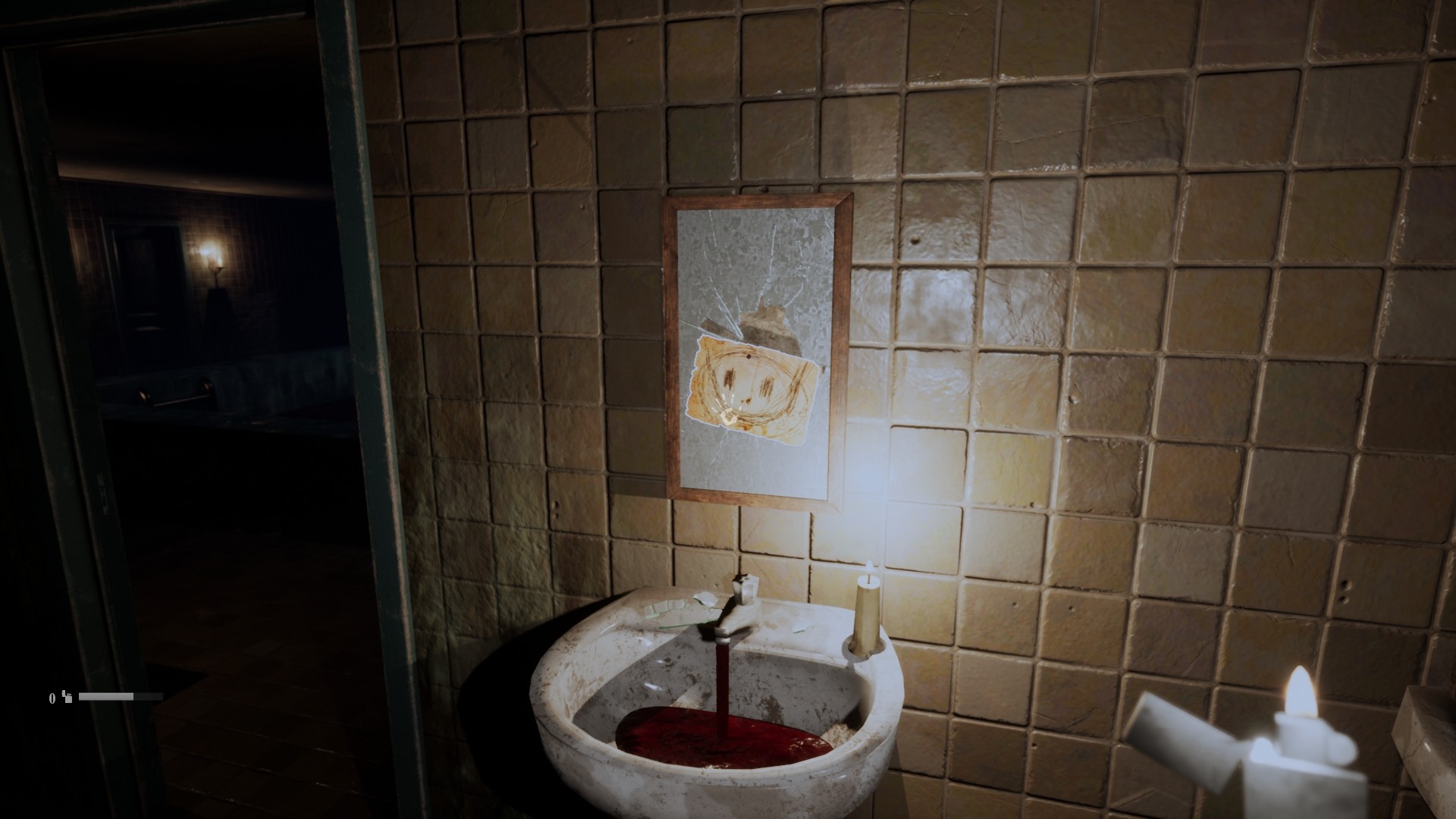
Dark, atmospheric sound design amplifies the feeling of isolation, with ghostly footsteps and distant cries that heighten tension. Audio cues are described as part of the oppressive environment, reinforcing the sense of being watched.
Visual design complements the audio, using shadows and empty spaces to create a pervasive sense of dread. Together, sound and visuals work to immerse the player in a bleak, unsettling setting.
- Use headphones to fully experience directional audio cues.
- Watch for subtle visual changes that accompany sound cues.
05 / THE GUIDE
Achievements and Family Sharing
Palmyra Orphanage supports Steam Achievements, allowing players to track in-game milestones as they explore the orphanage. These achievements provide optional goals that can guide exploration.
Family Sharing is enabled, meaning other Steam accounts on the same machine can play the game without purchasing a separate copy, facilitating shared experiences of the single‑player narrative.
- Review the achievement list early to set personal objectives.
- Invite family members to try the game and compare which endings they reach.


COMMUNITY
Player discussion