 GameWiki

GET YOUR BEARINGS
About Old Skies
Old Skies is a point‑and‑click adventure starring Fia Quinn, a ChronoZen time‑agent tasked with supervising seven paying tourists across history. The narrative ties each client’s motive to a distinct era, creating a blend of story and puzzle‑driven travel.
The game delivers 1920 × 1080 graphics, full voice acting, and a score by Thomas Regin. Death is possible, but the time‑travel premise lets you restart attempts, encouraging experimentation without permanent loss.
01 / THE GUIDE
Time‑Travel Premise
Fia Quinn monitors seven travelers who have paid to visit the past, each with personal reasons ranging from curiosity to unfinished business. The player must keep them satisfied while enforcing agency rules, framing every era as a managed tourist destination.
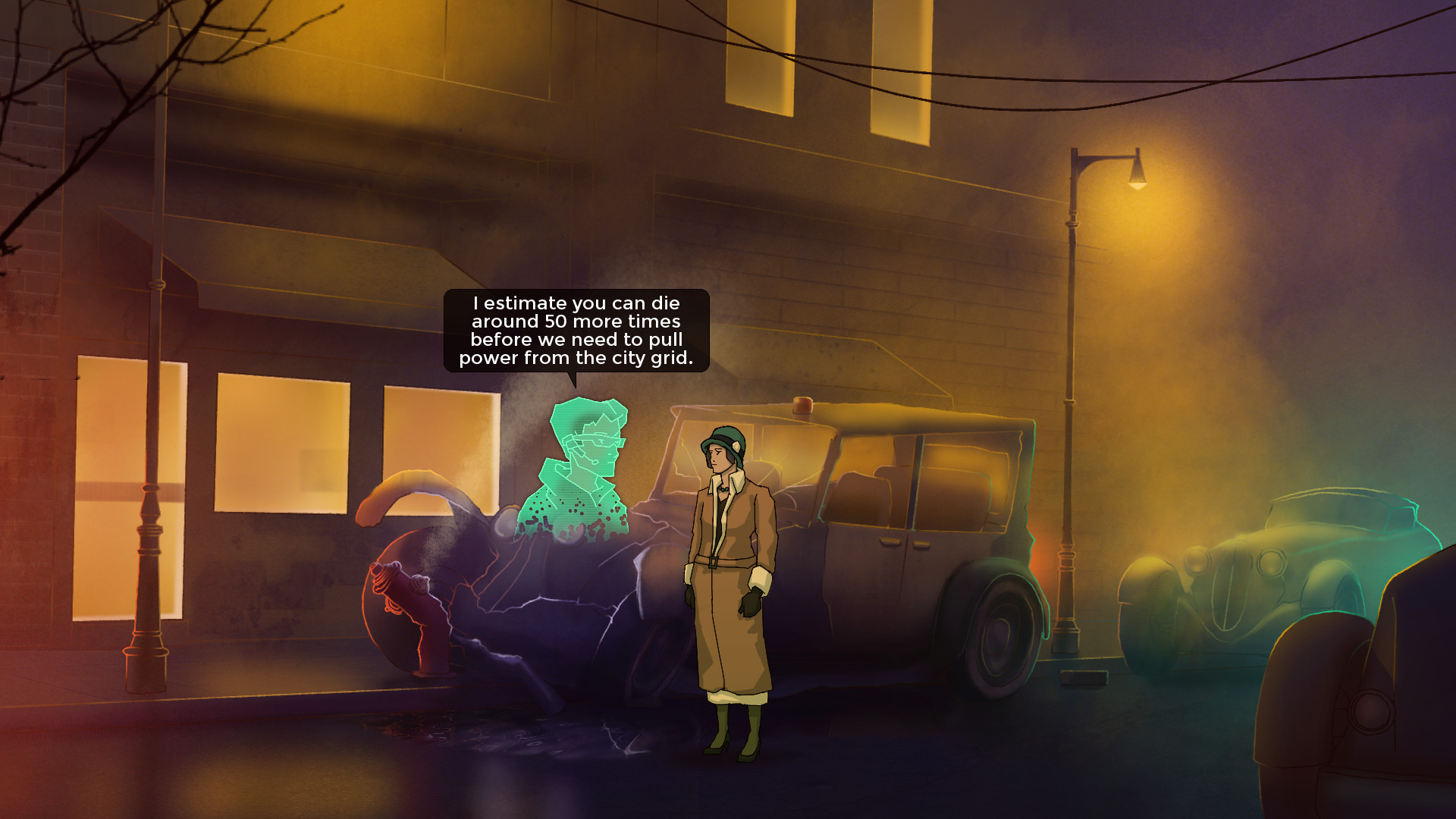
The premise includes a death mechanic: dying ends the current attempt, yet the time‑travel story allows the player to try again. This loop supports repeated experimentation and aligns with the game’s puzzle focus.
- Note each client’s stated goal before acting; it often hints at the puzzle’s direction.
- Treat death as a reset rather than a failure, allowing you to test risky ideas safely.
02 / THE GUIDE
Historical Eras
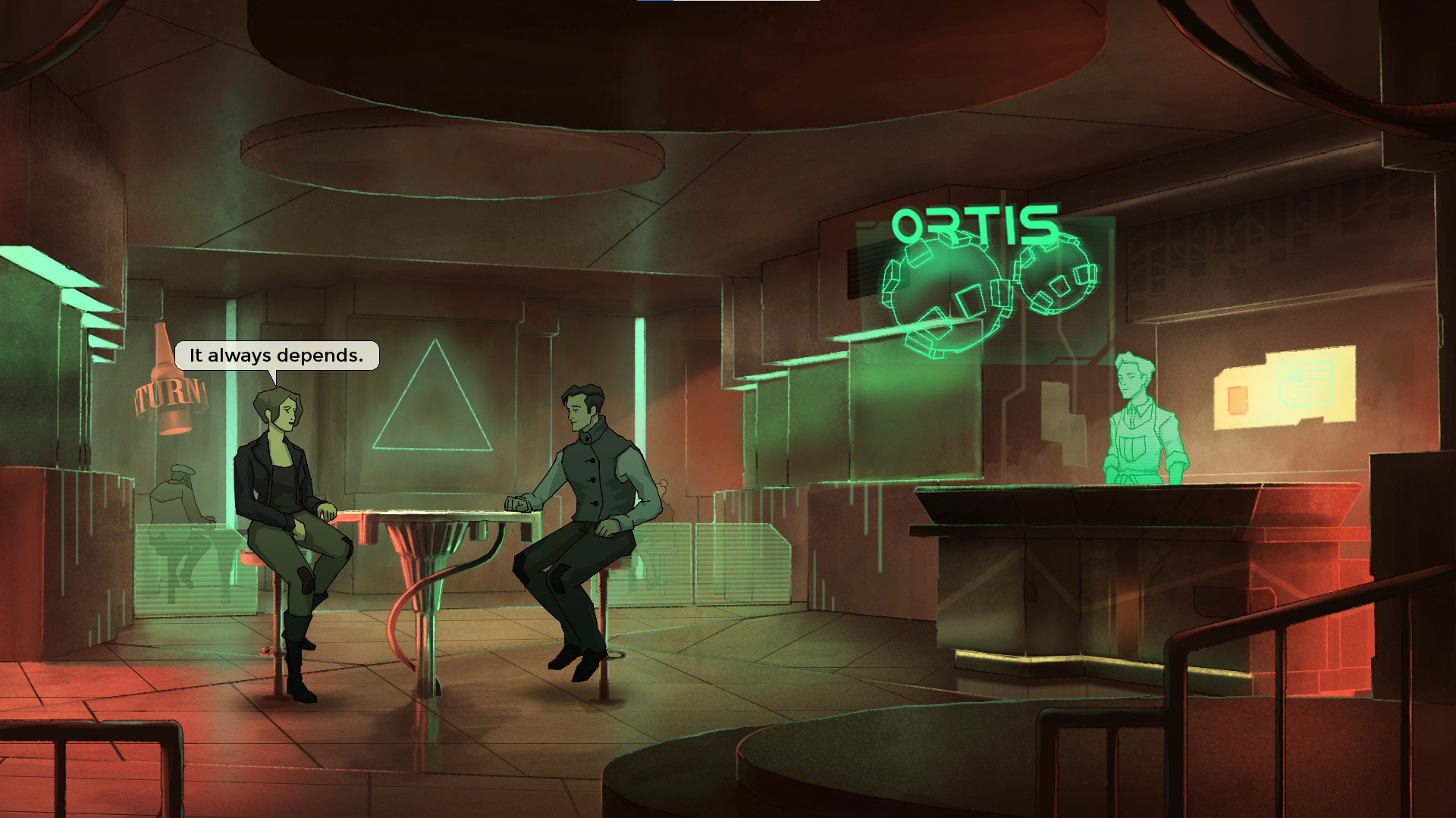
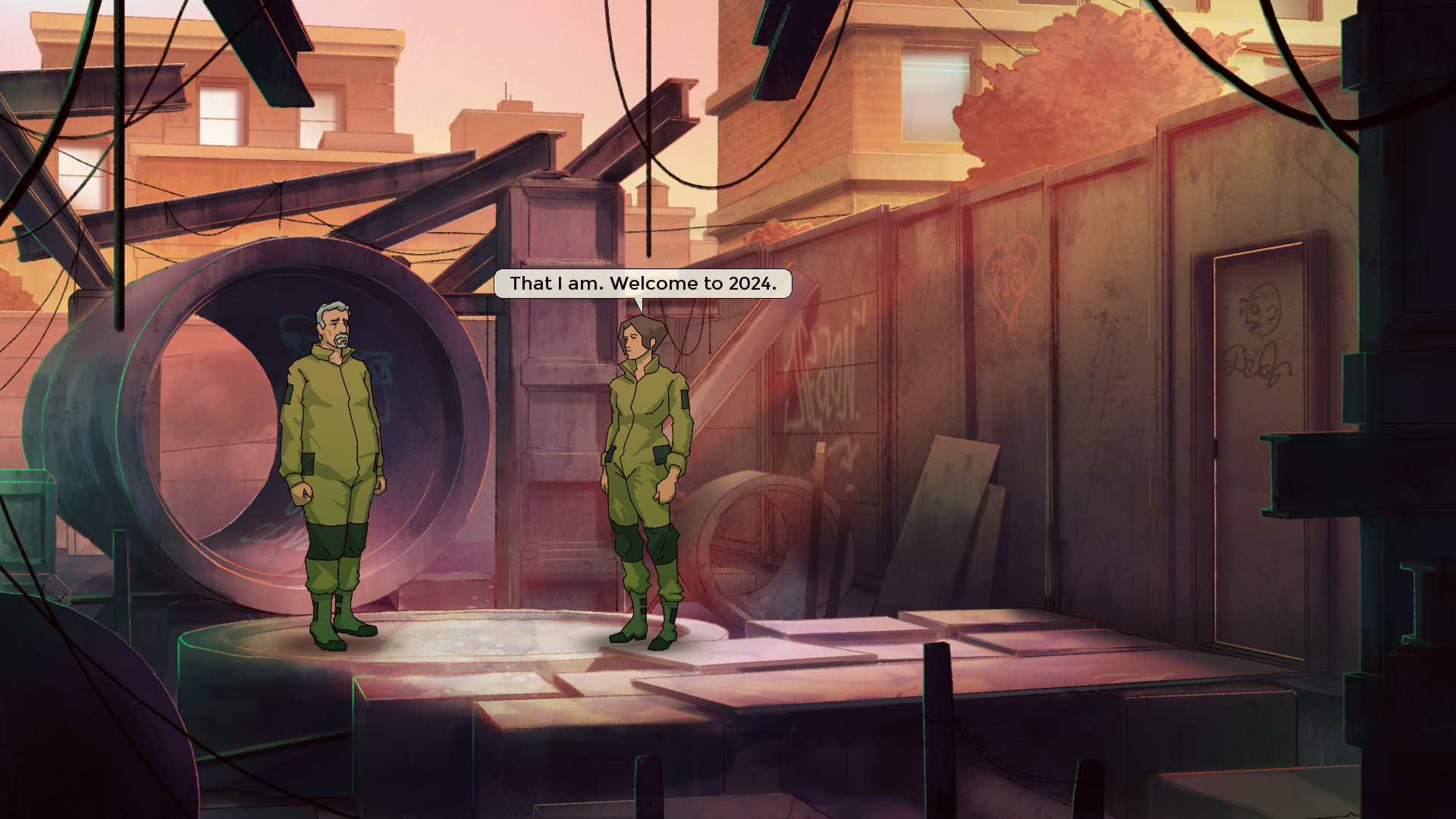
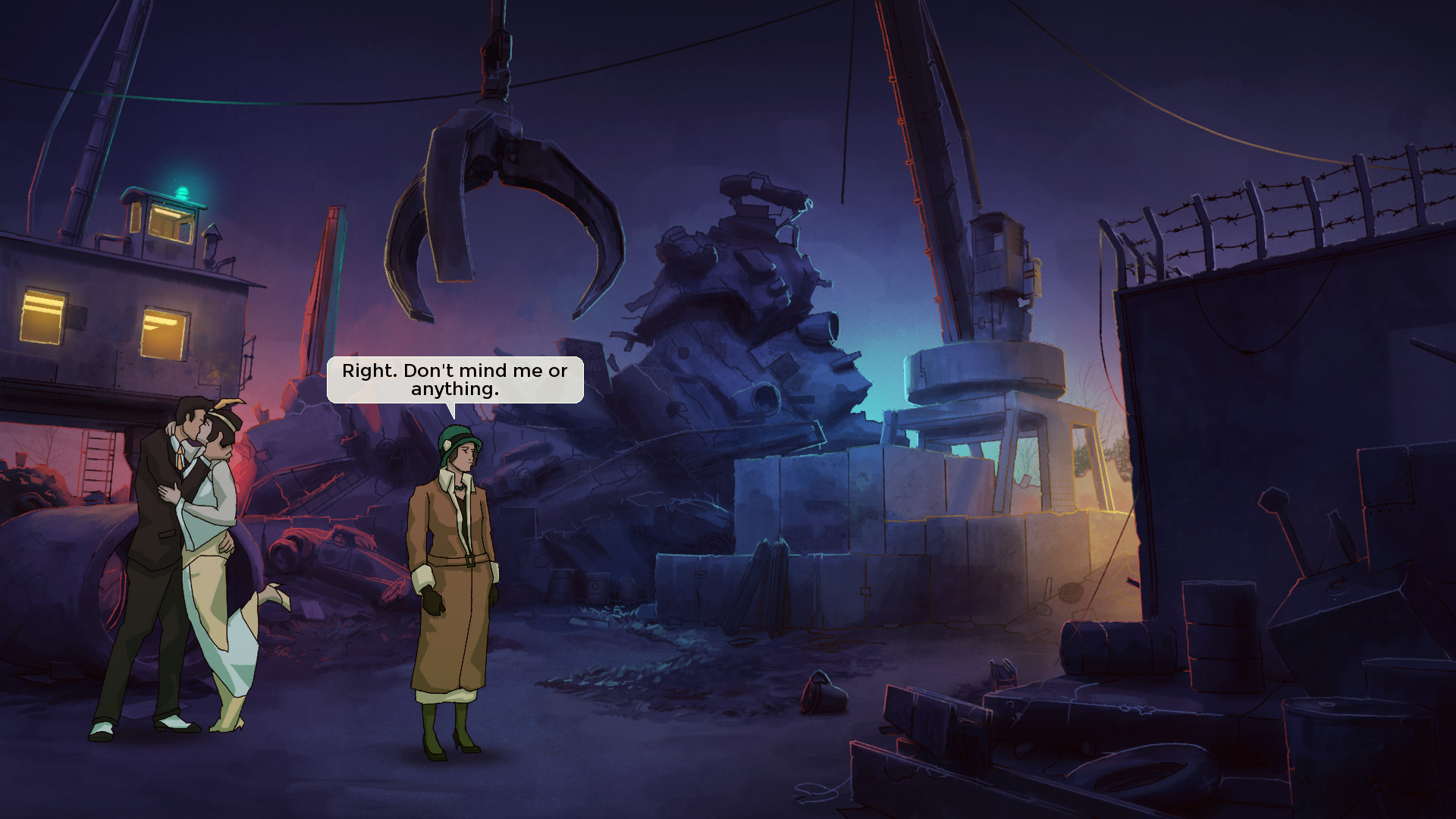
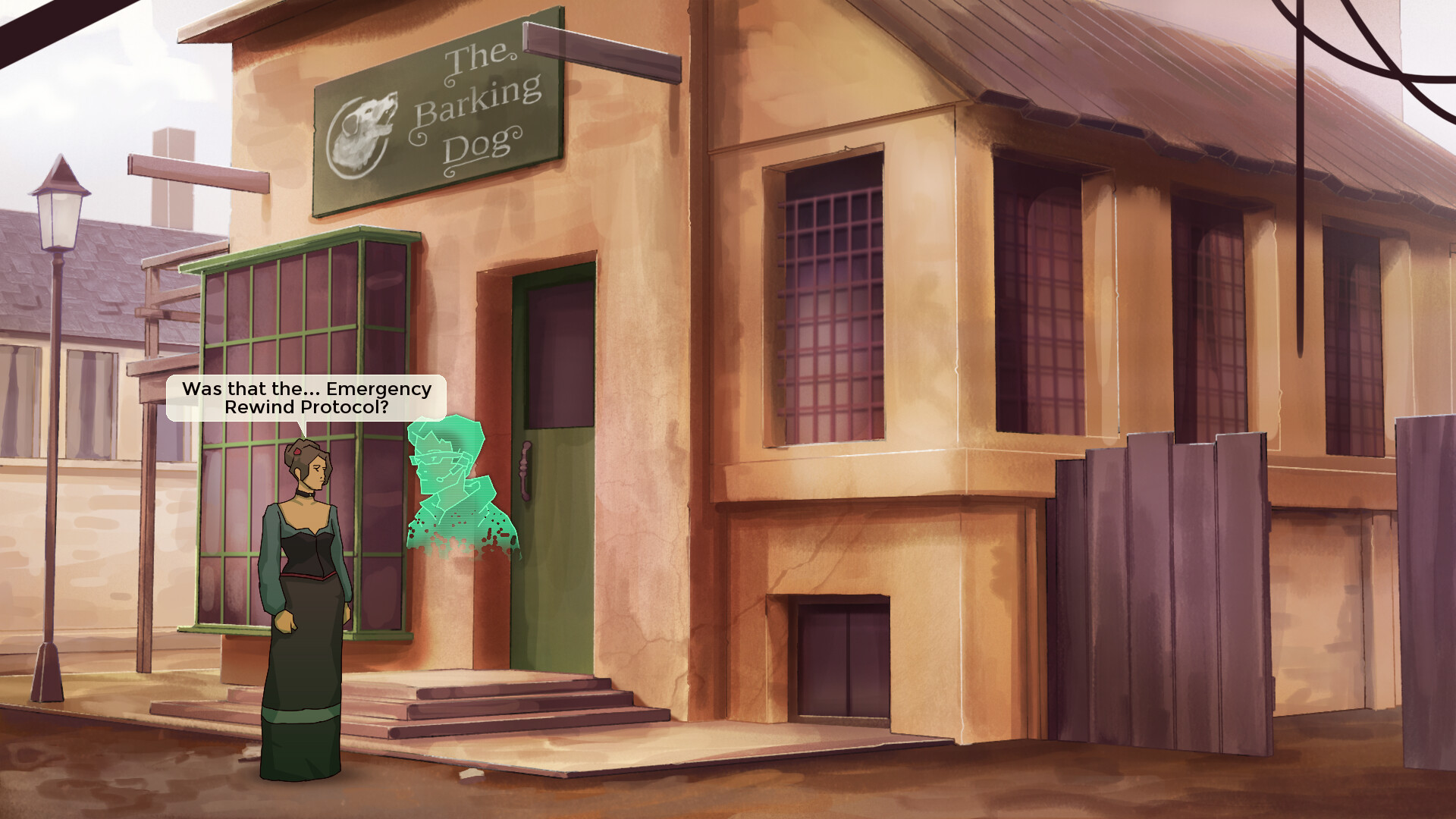
Old Skies features seven eras, including Prohibition speakeasies, Gilded Age gangs, and the morning of September 11th. Each period supplies its own visual style and contextual clues that shape the puzzles.
The graphics run at 1920 × 1080 resolution, described as three times the detail of Unavowed. This higher fidelity highlights period‑specific objects that often serve as puzzle components.
- Observe period‑specific objects; they frequently act as interactive puzzle elements.
- Compare visual cues across eras to spot recurring mechanics or hidden links.
03 / THE GUIDE
Puzzle Design
Puzzles require temporal thinking, meaning actions in one moment can affect outcomes later. This design pushes players to consider cause‑and‑effect across the timeline rather than linear steps.
Because death is possible, players can retry failed attempts and explore different approaches. The ability to retry after failure lets players explore alternatives without losing overall progress.
- Sketch cause‑and‑effect chains to clarify temporal relationships.
- Experiment with different action orders; the game permits multiple attempts.
04 / THE GUIDE
Death and Retry Mechanics
Death is a documented outcome, but the time‑travel narrative lets you restart the same scenario. This built‑in loop removes permanent failure penalties and keeps the adventure flowing.
The retry ability encourages players to test risky strategies, knowing that each death simply resets the current attempt rather than ending the game.
- Record what led to each death; use that data for the next attempt.
- Leverage the reset to try unconventional solutions without fear.
05 / THE GUIDE
Audio and Voice Acting
The musical score is composed by Thomas Regin, whose work appears in Unavowed and the Blackwell series. The score accompanies the journey through the eras, reinforcing mood and narrative tension.
Full voice acting is present, described as Wadjet Eye’s largest cast yet. Vocal performances add depth to the seven travelers and any historical figures encountered.
- Listen for vocal cues; they often hint at hidden objectives.
- Notice how the music shifts with each era to gauge emotional changes.
COMMUNITY
Player discussion