 GameWiki
GET YOUR BEARINGS
About Nova Patria
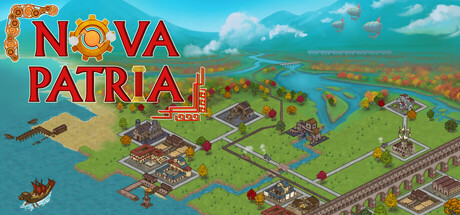
Nova Patria puts you in charge of a Roman‑style colony that never fell, now powered by steam. As governor you guide a network of opulent cities, build aqueducts, rail and road links, and shape a thriving economy across a procedurally generated isometric map.
The game mixes alternate‑history steam technology with classic Roman architecture, letting you manage production chains, population classes and a branching technology tree while pursuing a chosen start‑game goal that grants a perk for future playthroughs.
01 / THE GUIDE
Procedurally Generated World
Each map is generated anew and includes a mix of forests, beaches, rivers and mountains. Resource locations, fresh‑water sources and terrain constraints differ each playthrough, so city placement must respond to the specific layout.
Because the terrain determines where aqueducts, rail lines and production facilities can be built, the unique map shape creates distinct expansion routes for every colony.
- Scout the map early to locate water sources before committing to city sites.
- Compare the dominant biomes to decide which raw materials will be most abundant.
02 / THE GUIDE
Layered Economic Chains
Goods such as fish, flour and cigars travel through multi‑step production chains, each serving a particular population class. Steam‑powered vehicles, trains and airships move these goods between cities.
Planning the sequence of factories and transport routes is essential for delivering the items each class requires and for keeping the colony’s economy balanced.
- Map out each step of a product line before constructing facilities.
- Check that transport links connect every stage of the chain.

03 / THE GUIDE
Branching Technology Tree
Research progresses along a tech tree that originates from an unknown steam‑fueled industrial revolution. Each chosen technology can unlock game‑changing upgrades and abilities.
Because the tree branches, selecting technologies that match your initial goal can streamline development and open later possibilities.
- Review the tech tree early to see which upgrades align with your chosen goal.
- Consider how a technology’s unlocks might affect existing infrastructure.
04 / THE GUIDE
Multi‑City Management
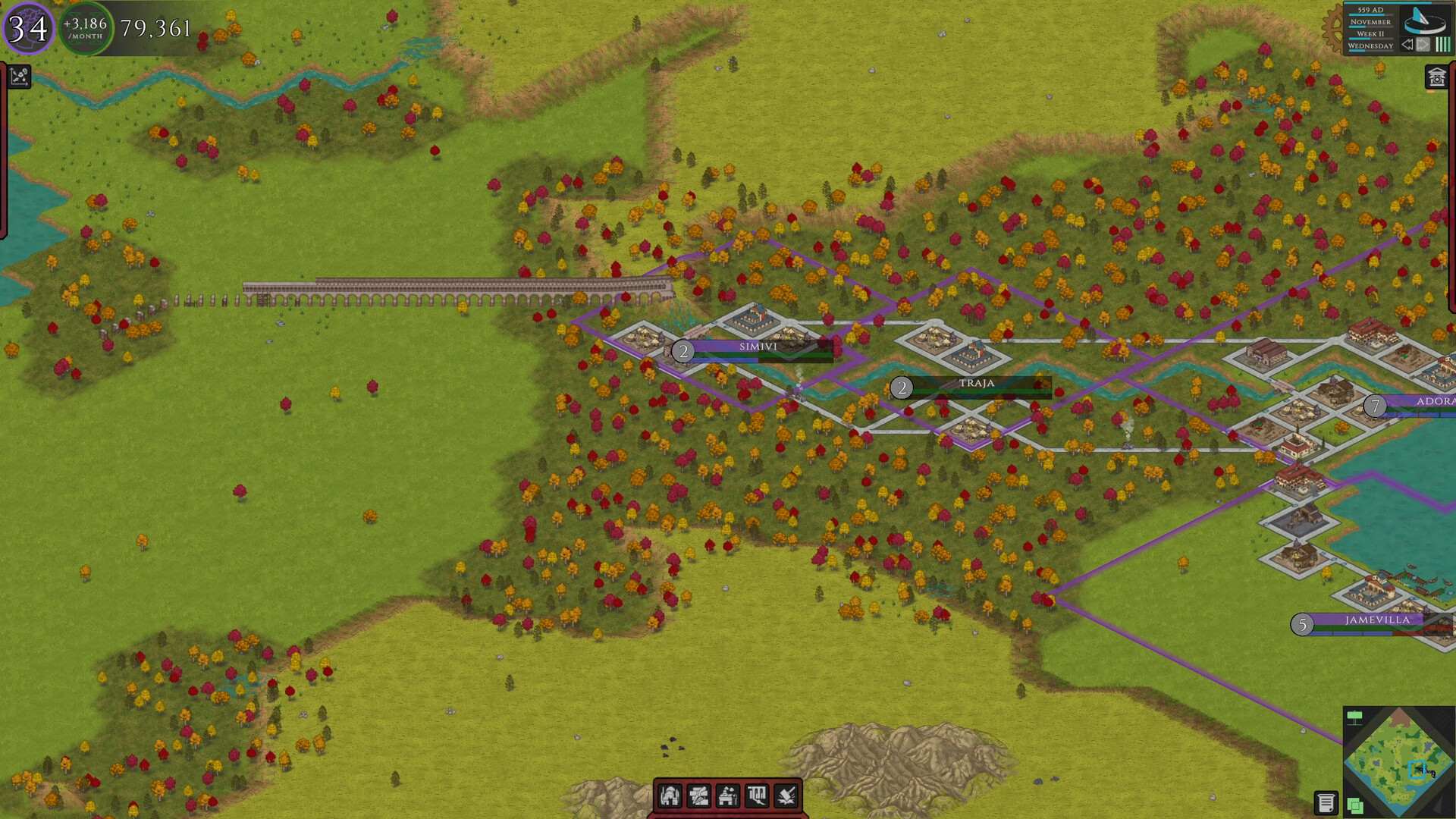
You can build and manage several Roman‑styled cities, each with its own population classes and resource needs. Aqueducts, roads and rail connect these hubs, enabling trade and shared services.
Dynamic borders and autonomous population growth mean each city evolves on its own, requiring you to adjust supply lines and civic services over time.
- Link cities with rail early to reduce travel distance for goods.
- Monitor the resource output of each city to keep supply balanced.
05 / THE GUIDE
Roman Calendar Progression
Time advances through a 13‑month calendar featuring the Roman‑invented Constinius month, providing a visual reference for the passage of months. The calendar is displayed during gameplay.
Using the calendar helps you track how long construction projects, research or trade routes have been active.
- Note the current month when starting long‑term projects.
- Reference the calendar to gauge overall game progress.


COMMUNITY
Player discussion