 GameWiki
GET YOUR BEARINGS
About Naval Action
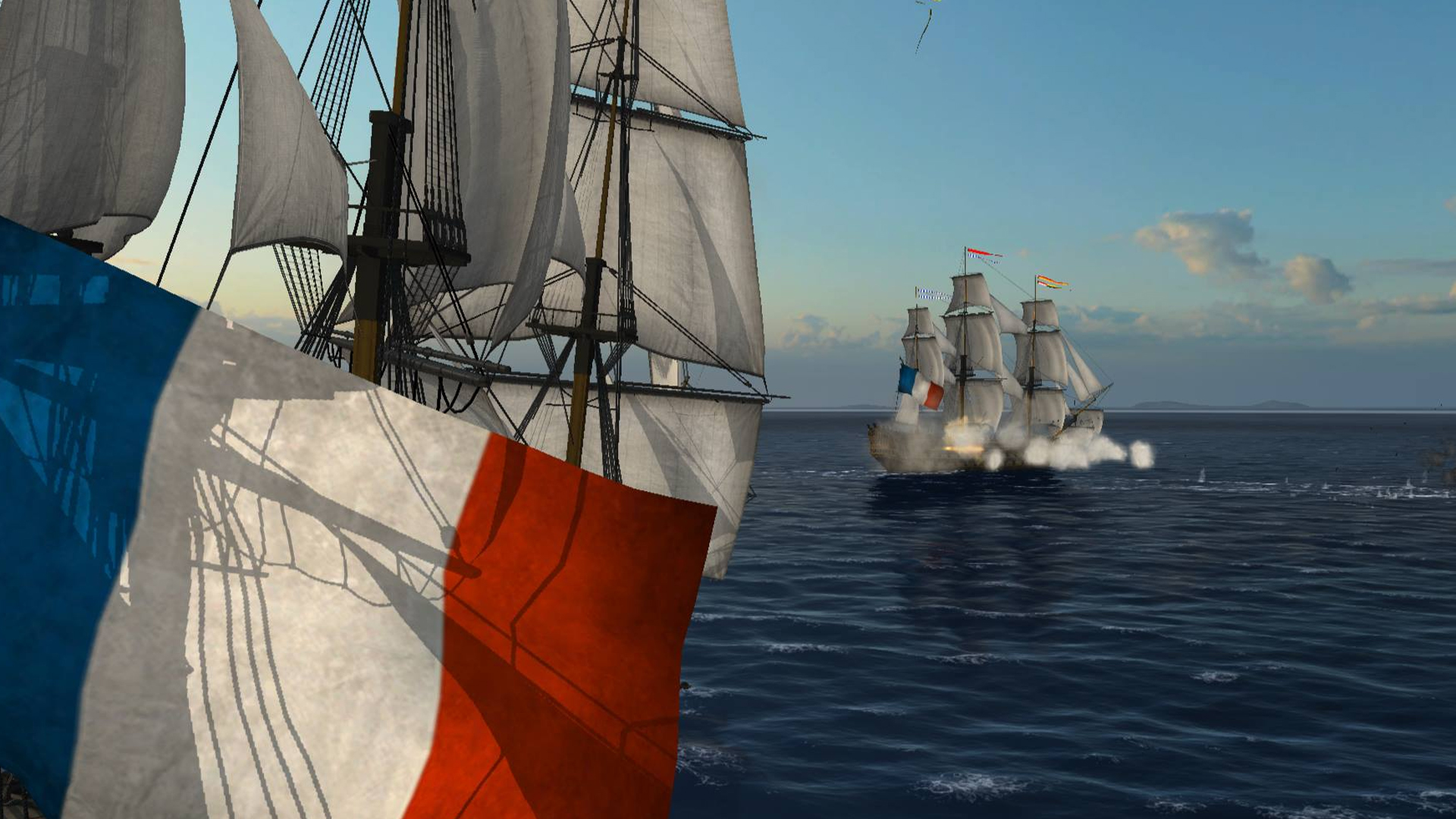
Naval Action places you in the Age of Sail, recreating historic ships with precise hulls, sails, and armament. Combat is visual at long range, requiring you to close distance and use wind, ship handling, and broadside weight to defeat opponents.
The game centers on PvP across a recreated West Indies based on 18th‑century charts. You can build, trade, capture vessels and outposts, while every cannonball is simulated and server‑side wave calculations remove hacking from battles.
01 / THE GUIDE
Ships and Variety
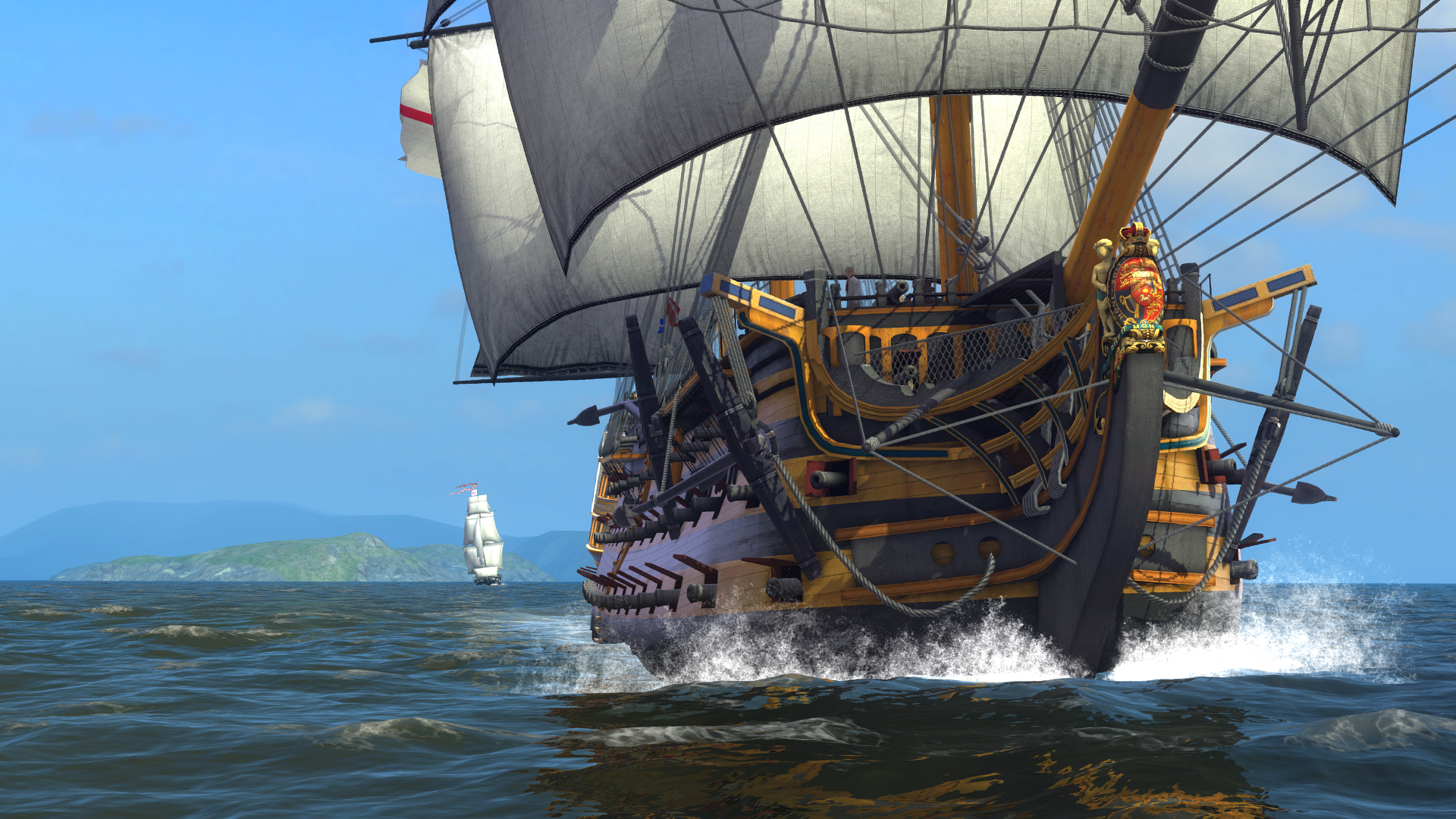
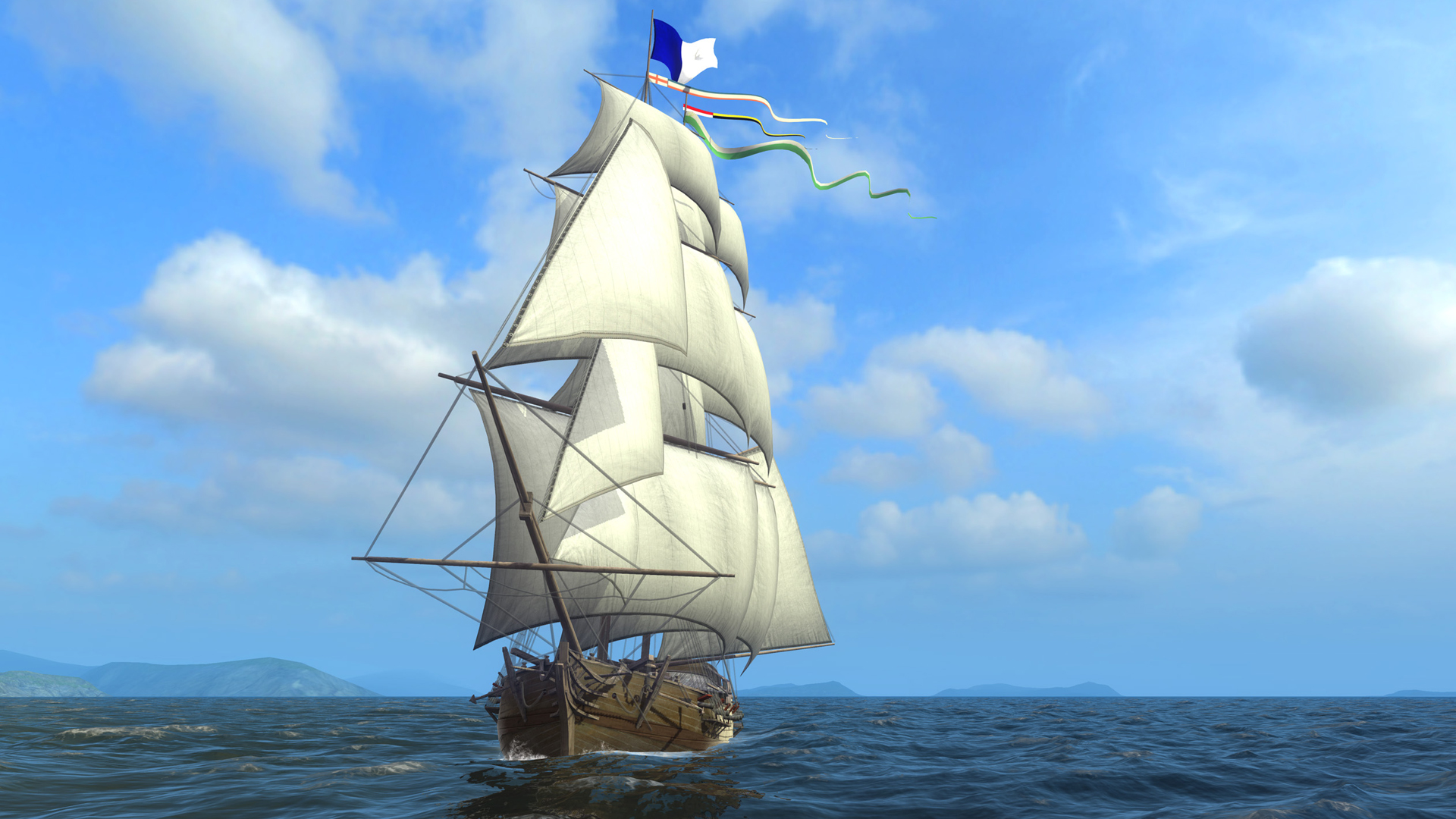
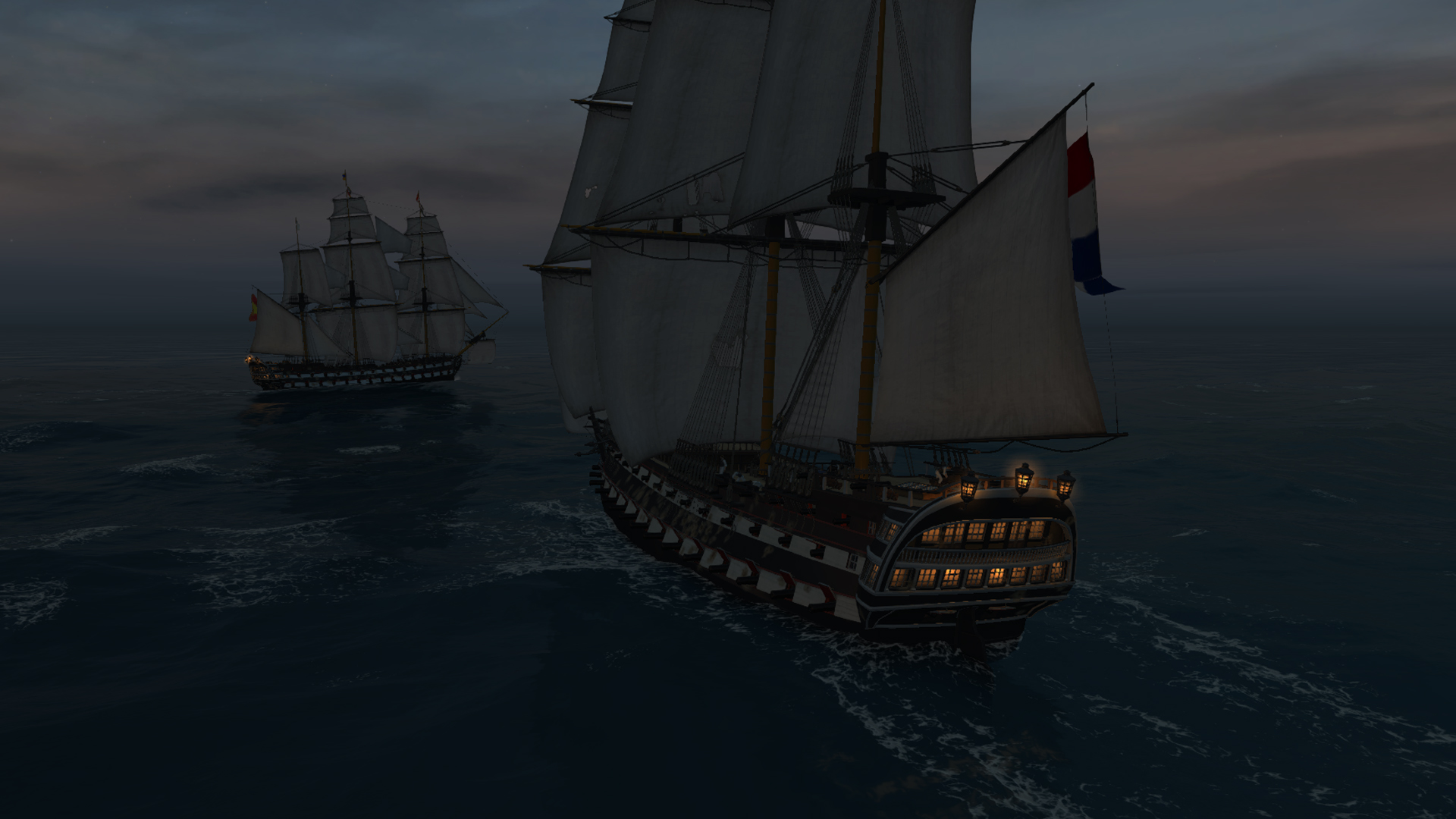
Naval Action offers more than fifty vessels, from tiny cutters to first‑rate ships mounting over one hundred guns. Each hull, sail plan and internal layout is modeled from historic data, giving distinct roles for exploration, trade or combat.
The visual detail lets you identify size, gun count and hull shape at a glance. Those attributes directly affect speed, turning ability and damage potential, so choosing a ship that matches your intended tactics is essential.
- Compare hull length and beam to estimate turning radius before committing to a chase.
- Notice gun placement on each side to anticipate which broadside will deliver the most damage.
02 / THE GUIDE
Realistic Sailing
An advanced wind and physics model governs performance: yard angles, ship angle to wind, fittings and condition all influence speed and turning rate. Tacking, boxhauling and clubhauling can help you maneuver in adverse conditions.
Because wind direction also changes effective firing range, captains must constantly adjust sails and heading. Maintaining optimal heel and course lets you keep the enemy within a useful distance while preserving maneuverability.
- Practice changing tack in calm seas to feel the speed loss before a battle.
- Use clubhauling when the wind shifts to quickly alter course without losing too much speed.
03 / THE GUIDE
Damage and Ballistics
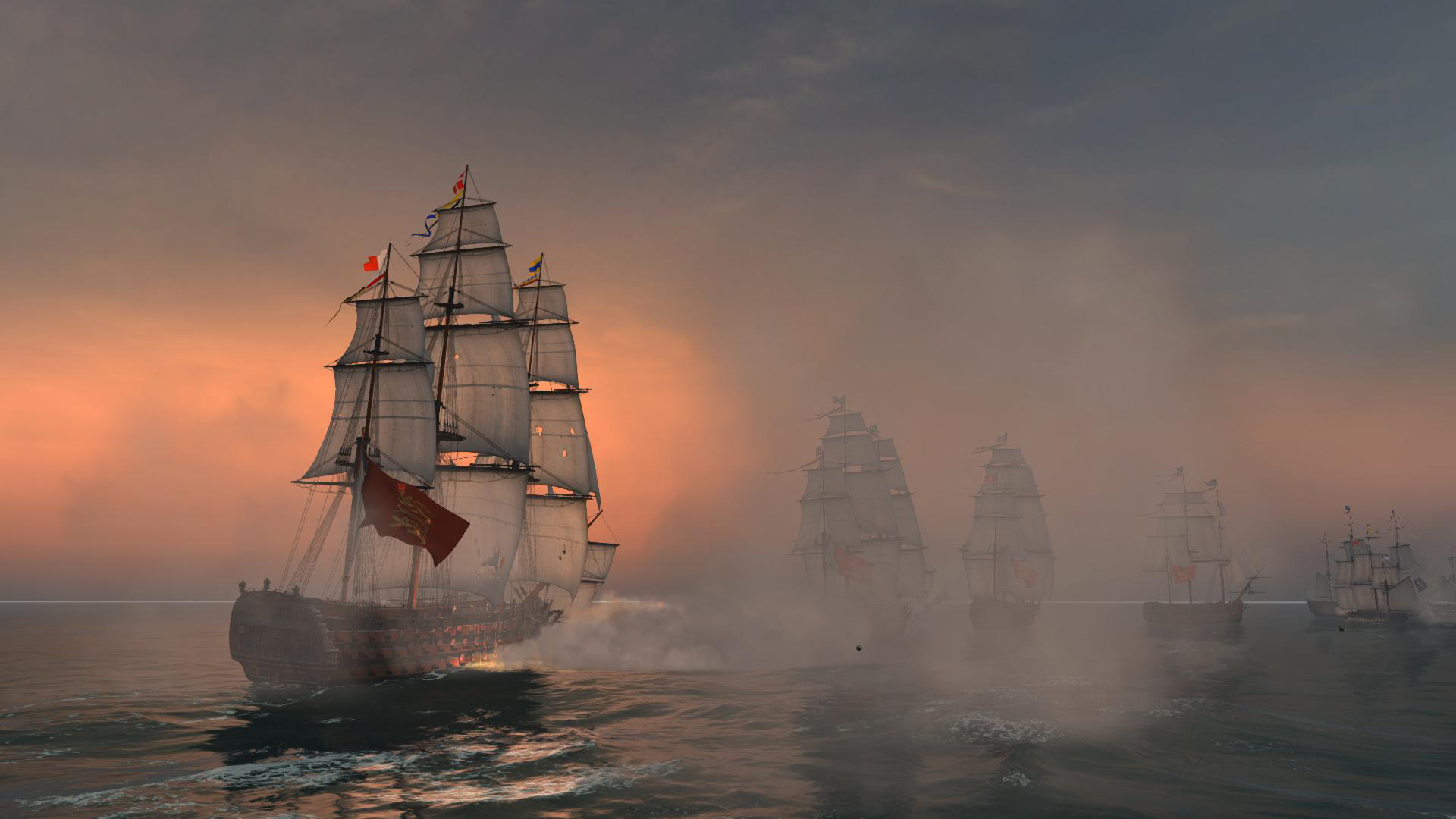
Every cannonball is tracked from launch to impact, delivering positional damage that can cause leaks, torn sails, demasting, fires or explosions. Hits to specific parts—such as guns or hull sections—have distinct consequences.
Artillery ranges from long guns to carronades and mortars, each with historic ballistics and penetration values. Heel and wind affect range, so you must adjust tactics as your ship rolls or the breeze changes.
- Target enemy gun decks early to reduce their firepower.
- Observe the angle of impact; extreme angles can cause cannonballs to ricochet off hulls.
04 / THE GUIDE
PvP Conquest
Players vie for control of the West Indies, a region rebuilt from 18th‑century maps. Nations can build ships, trade, attack rivals and capture enemy vessels or trading outposts across the map.
All battle actions, including water and wave shapes, are calculated on dedicated servers. This design removes hacking from PvP, ensuring outcomes depend on skill, ship fitting and tactical choices.
- Form alliances with clan members to protect trade routes and share intelligence.
- Capture outposts to open trading outposts in ports governed by your clan.
05 / THE GUIDE
Gunnery and Fortifications
Naval Action implements major artillery types: long guns, mortars, carronades and obusiers. Fort and land batteries provide shore support, and mortar vessels can damage fortifications when escorted.
Heel and wind alter shooting distance, so captains must monitor ship orientation. Adjusting sail trim and heading compensates for these effects, keeping fire effective against both ships and shore targets.
- Use a mortar vessel with an escort to safely approach fortified positions.
- Watch ship heel; a level deck maintains optimal range for accurate fire.
COMMUNITY
Player discussion