 GameWiki

GET YOUR BEARINGS
About Little Girl On Earth Asking Why She Asking Why
Little Girl On Earth Asking Why She Asking Why is a brief pixel‑art visual novel that runs for about fifteen to twenty minutes. Players engage in dialogue with a philosophically curious girl, selecting responses that explore questions of existence.
The title offers two distinct endings, an original soundtrack, and modest animation. It is listed as single‑player and supports Windows, macOS, and Linux, allowing play at the player’s own pace without timed input.
01 / THE GUIDE
Narrative and Themes
The story centers on a little girl who repeatedly asks "why," prompting the player to answer her questions. The dialogue is framed as a philosophical inquiry, encouraging thoughtful, non‑rude interaction with the character.
Player choices influence which of the two documented endings is reached, each reflecting the emotional tone of the conversation. The focus remains on questioning existence rather than on action or combat.
- Observe how each answer subtly shifts the girl’s expressed mood.
- Consider maintaining a gentle tone to align with the game’s introspective atmosphere.
02 / THE GUIDE
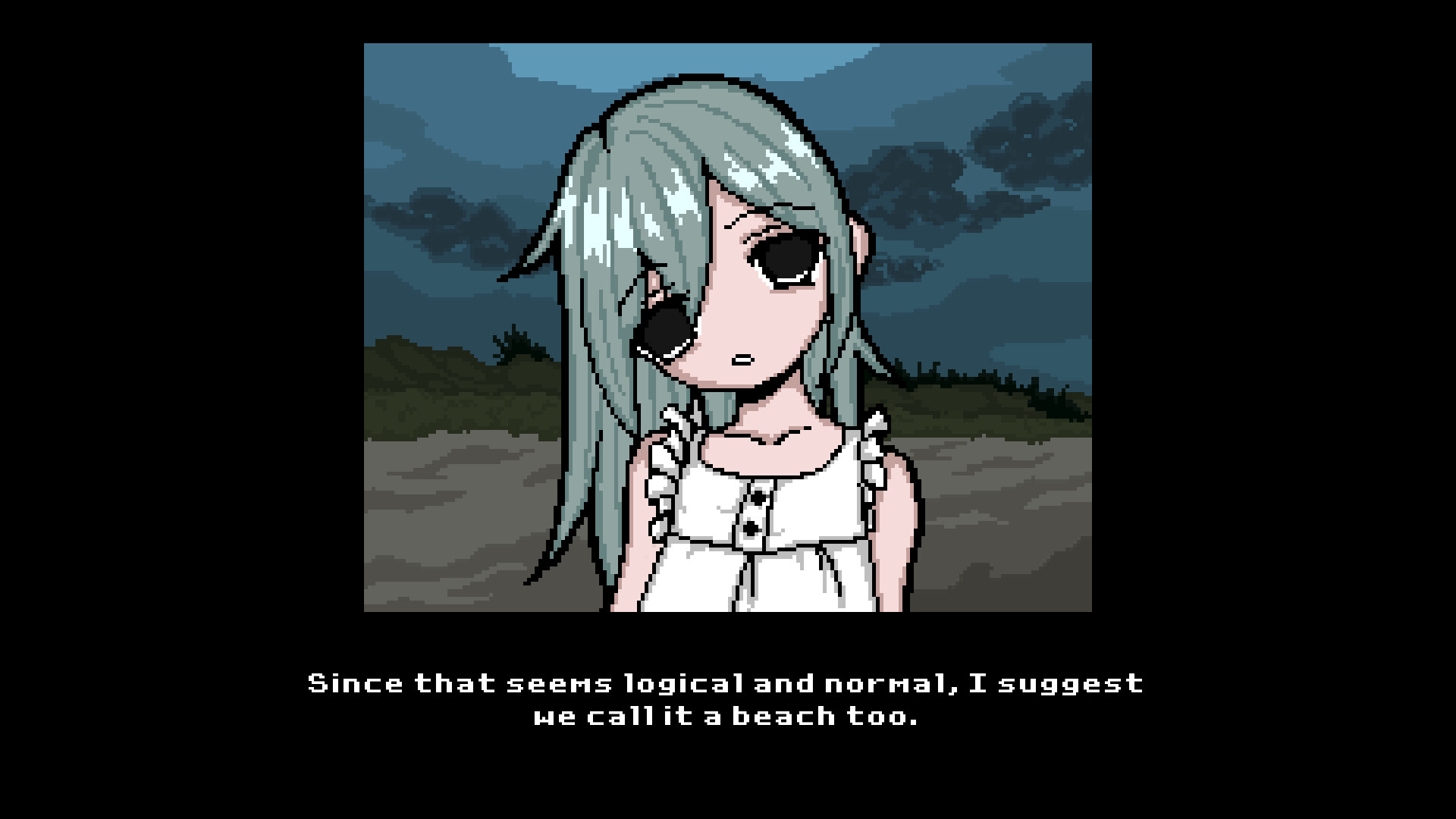
Pixel Art Style
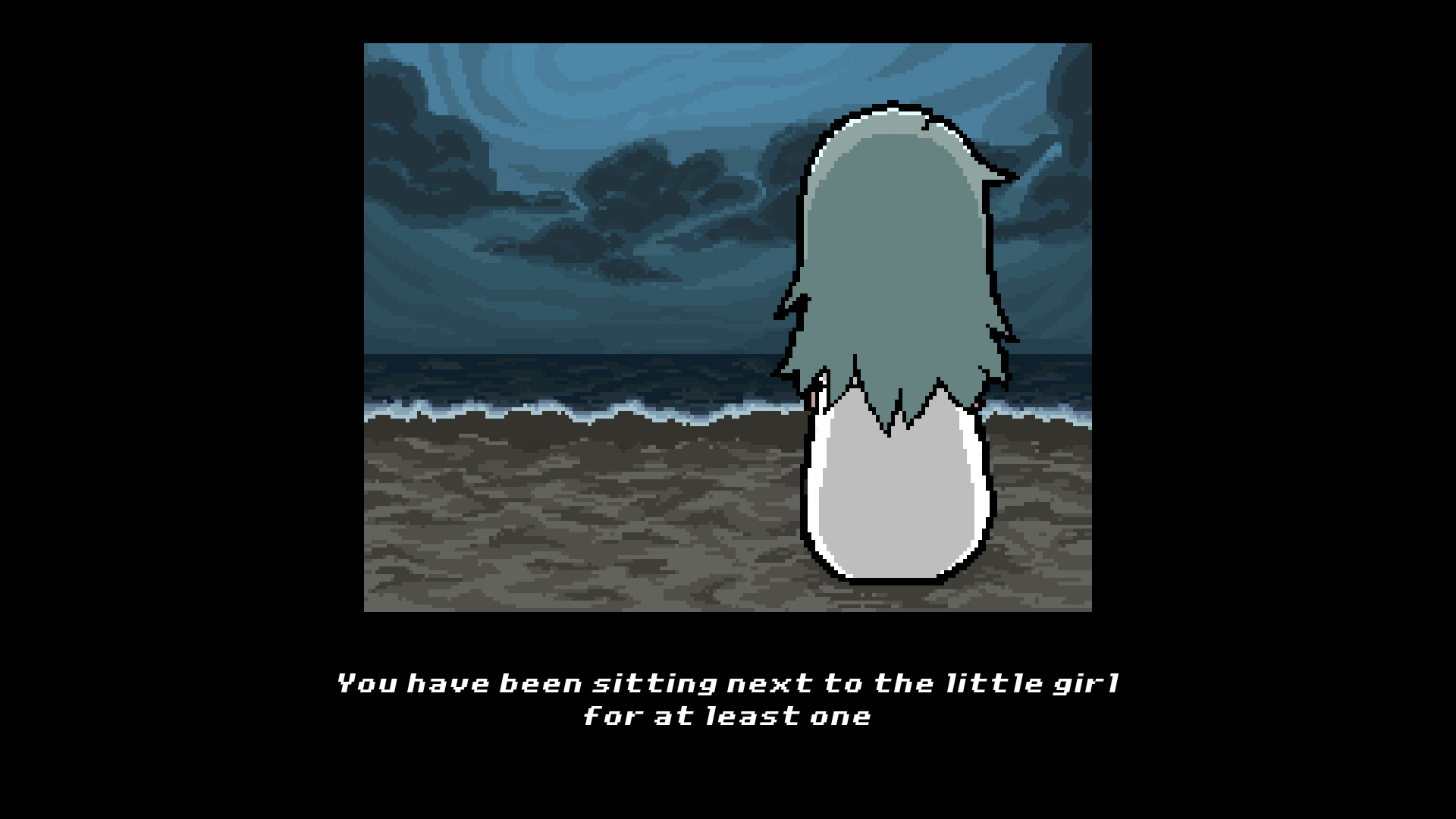
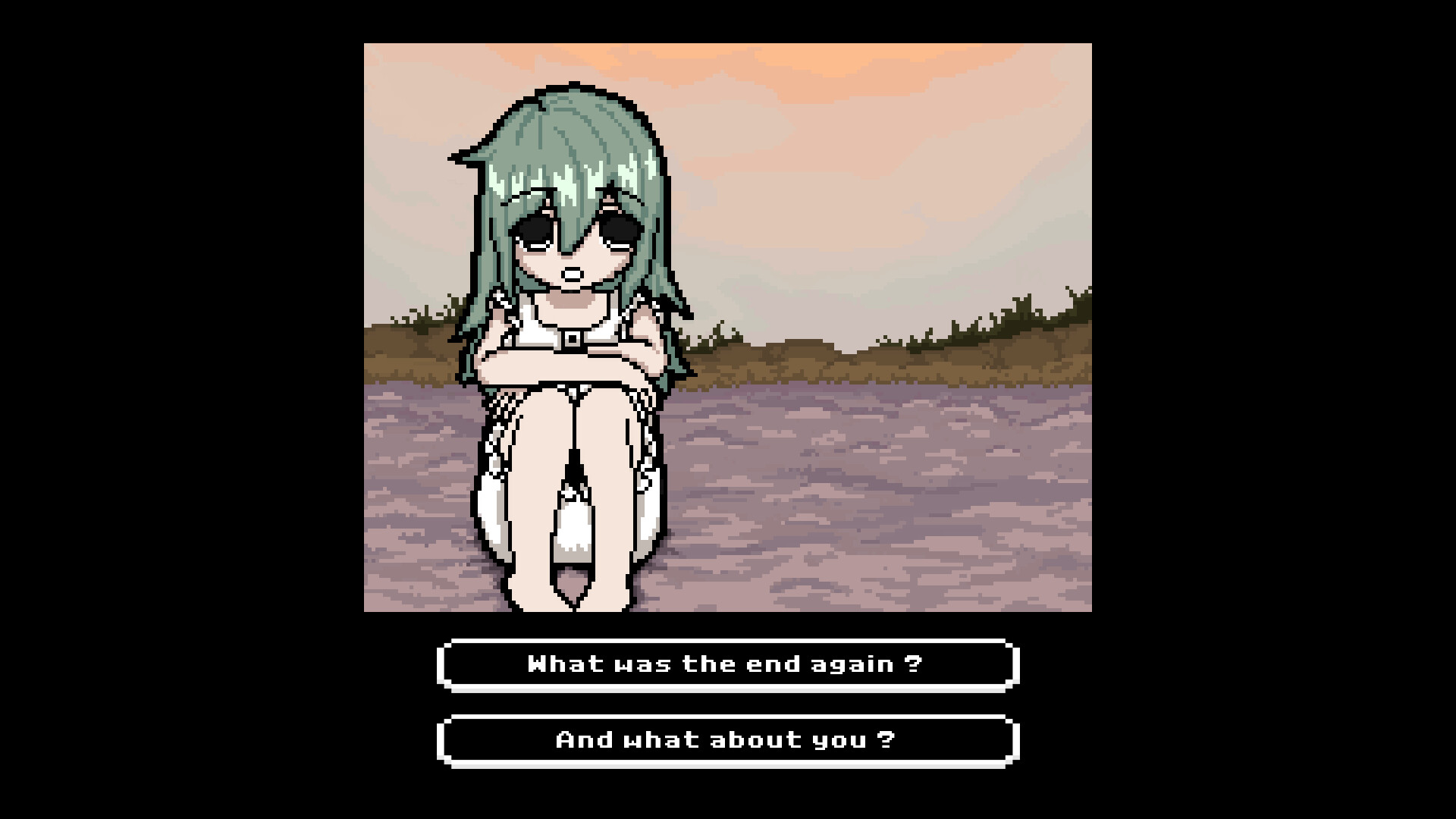
The visual presentation uses a unique pixel‑art aesthetic, complemented by limited animation that brings the girl and her surroundings to life. This minimalist style supports the reflective mood without overwhelming detail.
Facial expressions and small movements convey emotion, reinforcing the philosophical dialogue. The animation highlights the focus on conversation.
- Watch the character’s subtle animations for clues about her feelings.
- Compare the simplicity of the backgrounds with the expressive sprite work.

03 / THE GUIDE
Soundtrack and Audio Design
An original soundtrack runs throughout the experience, providing atmospheric music that matches the contemplative tone. Sound design includes ambient cues that accentuate moments of questioning.
Audio is delivered in stereo, allowing left‑right placement to enhance immersion. No special hardware is required, but the design benefits from headphones or speakers that can reproduce stereo separation.
- Listen with headphones to notice subtle stereo positioning.
- Notice how the music shifts when the conversation approaches an ending.
04 / THE GUIDE
Endings Structure
The game contains two documented endings, each determined by the cumulative tone of the player’s answers. The source does not label the endings as good or bad, so players can discover how each one reflects the conversation for themselves.
Because the total playtime is short, the short playtime makes it easy to replay and explore each outcome without time pressure.
- Try a compassionate approach for one run, then a more detached tone for another.
- Remember the game has no timed input, so you can reflect before answering.
05 / THE GUIDE
Playtime and Pacing
Designed for a fifteen‑to‑twenty‑minute session, the experience lets you progress at your own speed. The lack of timed input means each question can be considered before responding.
The short duration makes it easy to fit into a break or a dedicated sitting, and the single‑player nature means you can play whenever you have a few minutes available.
- Take a brief pause between questions if you need extra thought.
- Use the flexible pacing to fully appreciate the soundtrack and art.

COMMUNITY
Player discussion