 GameWiki
GET YOUR BEARINGS
About Letters of Bernard Thorne
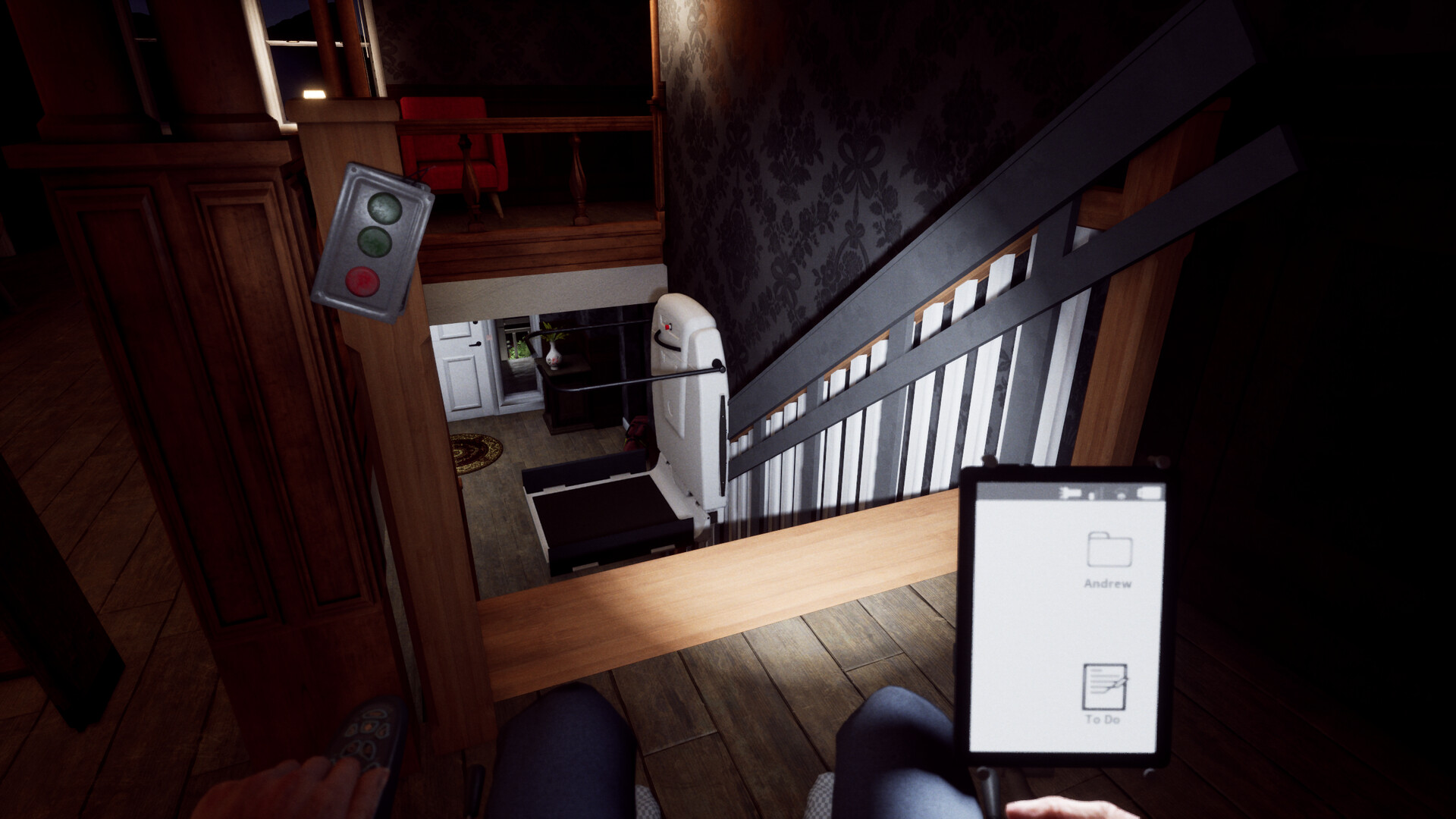
Letters of Bernard Thorne puts you in the seat of an aging Vietnam veteran confined to a motorized wheelchair. After a hospital discharge, Bernard awakens in the night and feels compelled to climb toward his attic, though the reason is unclear. The game limits movement to his wheelchair and encourages exploration of his house while uncovering personal letters.
Through the letters you discover fragments of Bernard’s past, ranging from wartime memories to moments of hope. The experience blends quiet adventure with psychological horror, using the house’s atmosphere to reflect his lingering trauma and existential dread.
01 / THE GUIDE
Narrative and Setting
The story follows Bernard Thorne, a Vietnam War veteran who has just been discharged after a fall. He wakes up in the middle of the night and feels an urgent need to reach the attic, though the purpose is not explained in the description.
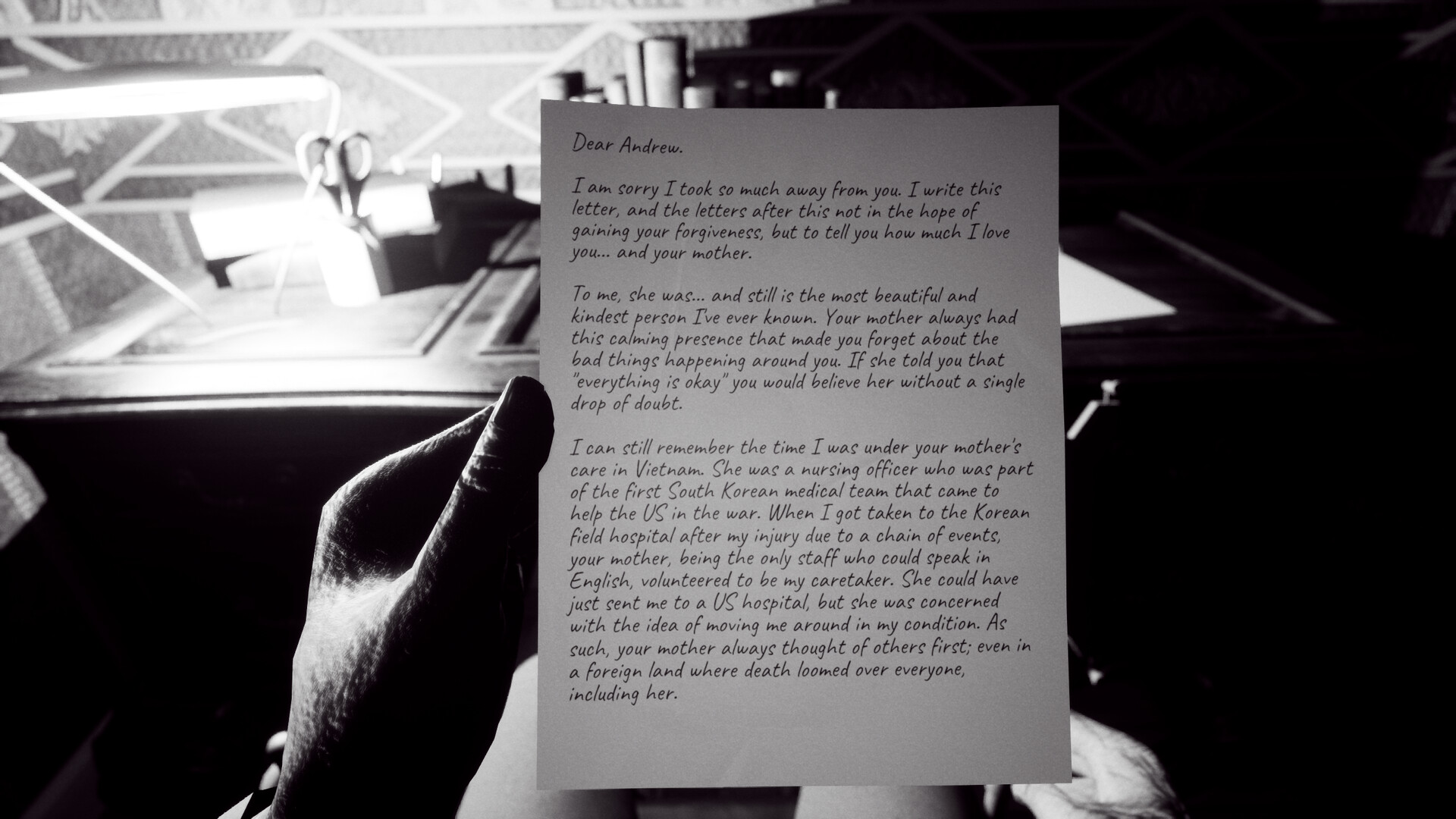
While moving through his home, Bernard discovers letters he wrote during both dark periods and hopeful moments. These letters let players piece together his guilt‑ridden past and the trauma that continues to haunt him.
- Read each letter carefully; the tone often hints at Bernard’s emotional state at the time of writing.
- Take note of recurring themes across letters; they can signal deeper aspects of his past.
02 / THE GUIDE
Mobility and Exploration
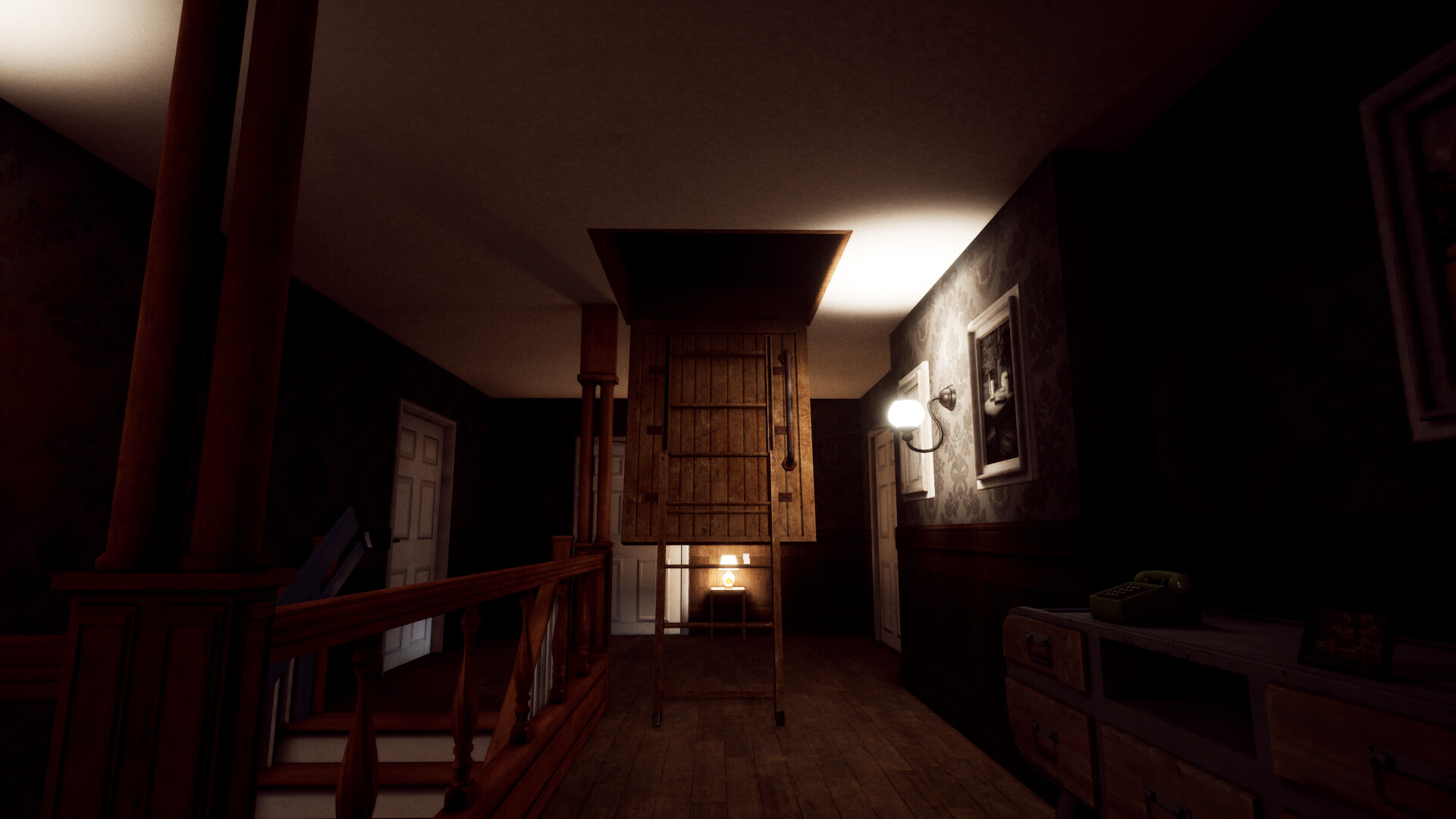
Players control Bernard from his motorized wheelchair, roaming his house to locate tools that may help him overcome physical limitations. The description emphasizes his frailty, making navigation a deliberate act.
The ultimate objective presented early is to reach the attic. The game mentions finding tools that can help him, but does not specify how each tool functions beyond the notion of aiding his movement.
- Observe hallway widths; the wheelchair’s turning radius may affect access to tight spaces.
- When you find a tool, consider how it might relate to movement without assuming a specific function.
03 / THE GUIDE
Letter Collection and Storytelling
Collecting Bernard’s letters serves as the primary narrative device. Each letter provides exposition about his past, including wartime experiences and personal regrets, allowing the story to unfold gradually.
Reading letters advances the plot and deepens understanding of Bernard’s internal struggle. The description states that finding these letters lets players relive his past and confront his deepest emotions.
- Keep a simple list of letters you have found; this helps ensure you do not miss any narrative pieces.
- Compare the emotional tone of early and later letters to track shifts in Bernard’s mindset.
04 / THE GUIDE
Atmosphere and Psychological Horror
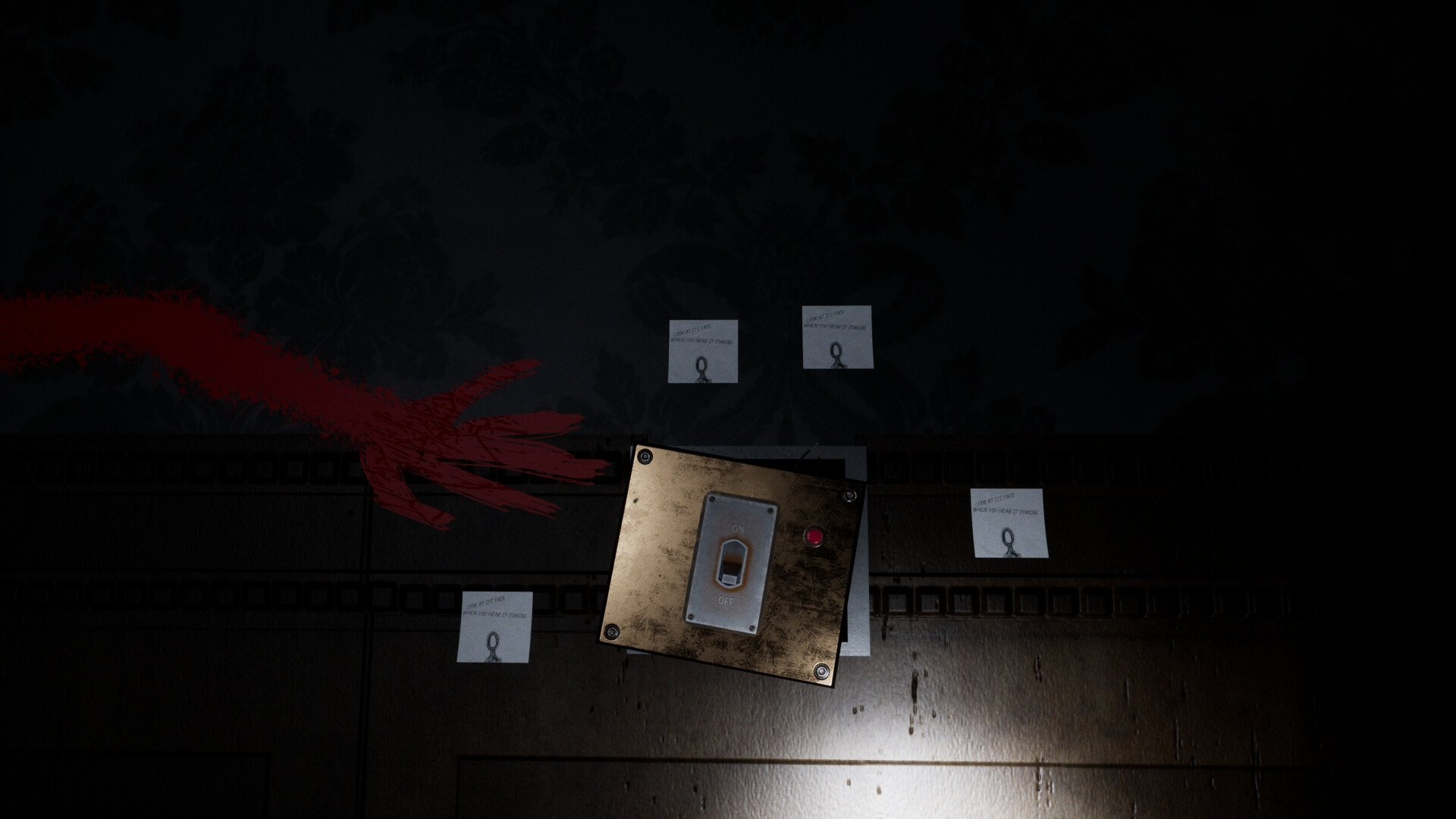
The game frames Bernard’s journey with psychological horror, presenting existential dread and despair as he confronts memories. The house itself becomes a vessel for his trauma, with unsettling moments that reflect his inner turmoil.
The game presents psychological horror filled with existential dread and despair as Bernard confronts his traumatic memories, encouraging players to feel his lingering fear and regret as they explore.
- Pay attention to the house’s unsettling atmosphere as you explore; it reflects the psychological horror of Bernard’s inner turmoil.
- Notice visual distortions or lighting changes, as they may indicate deeper psychological moments.
05 / THE GUIDE
Technical and Social Features
Letters of Bernard Thorne is a single‑player adventure released for Windows. The description lists full controller support, Steam achievements, and Family Sharing as available features.
No additional input methods, online components, or platform exclusivity beyond the listed Windows support are mentioned.
- If using a controller, test each button early to confirm it maps to movement as expected.
- Check the Steam overlay for achievement listings to see what milestones are tracked.

COMMUNITY
Player discussion