 GameWiki
GET YOUR BEARINGS
About Legends of Amberland II: The Song of Trees
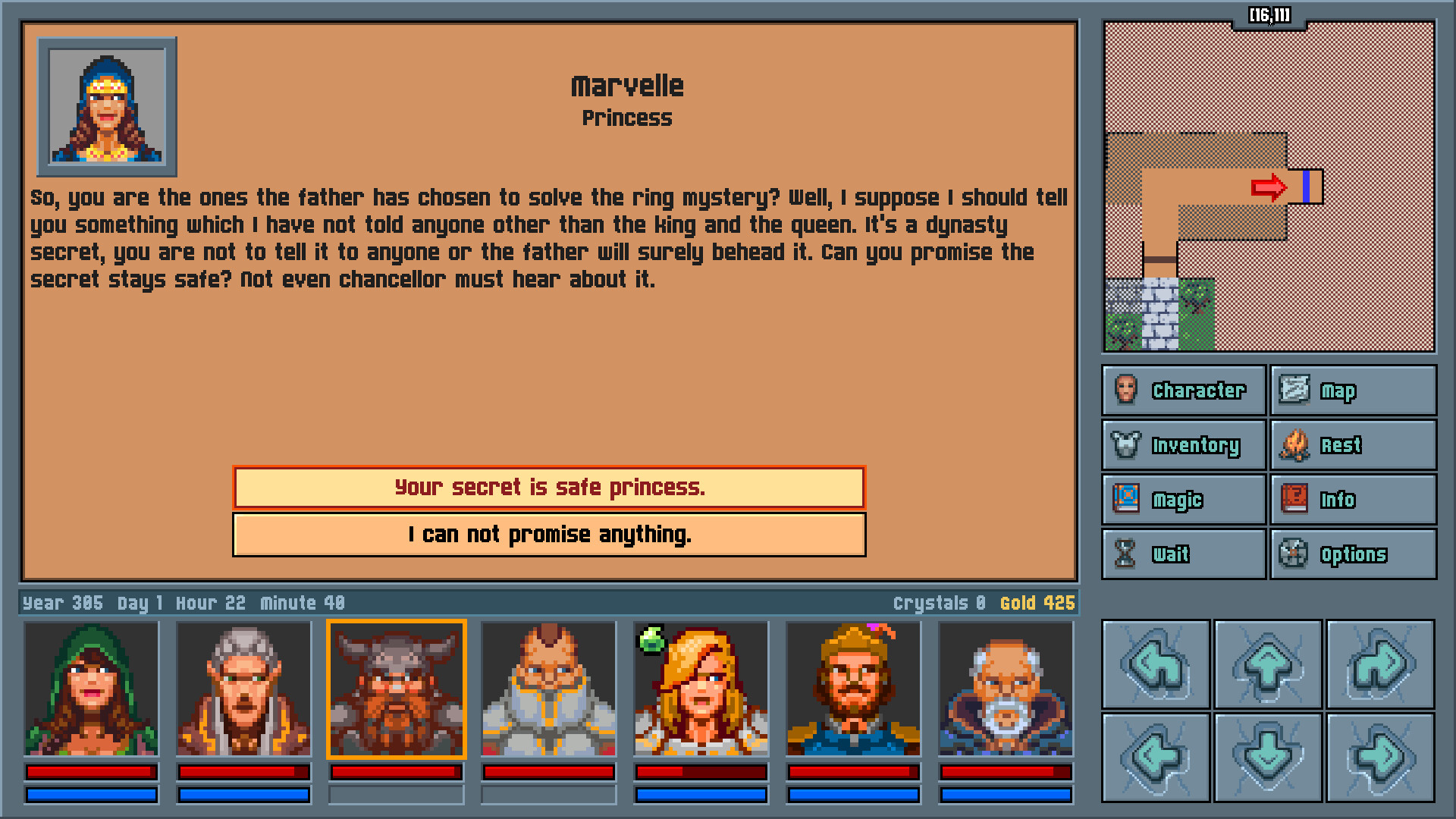
Legends of Amberland II: The Song of Trees is a classic western RPG that mimics 90s titles such as Might & Magic and Ultima. It uses a first‑person view, 90‑degree rotation and grid‑based movement, delivering a nostalgic feel while running on modern hardware.
The game features a party of up to seven heroes, turn‑based combat, fast travel, and a simple inventory system with separate encumbrance and a bottomless magic bag. Its open world, lore‑rich quests and low hardware demands make it a quick, light‑hearted adventure that can be completed without extensive grinding.
01 / THE GUIDE
First‑Person Grid Movement
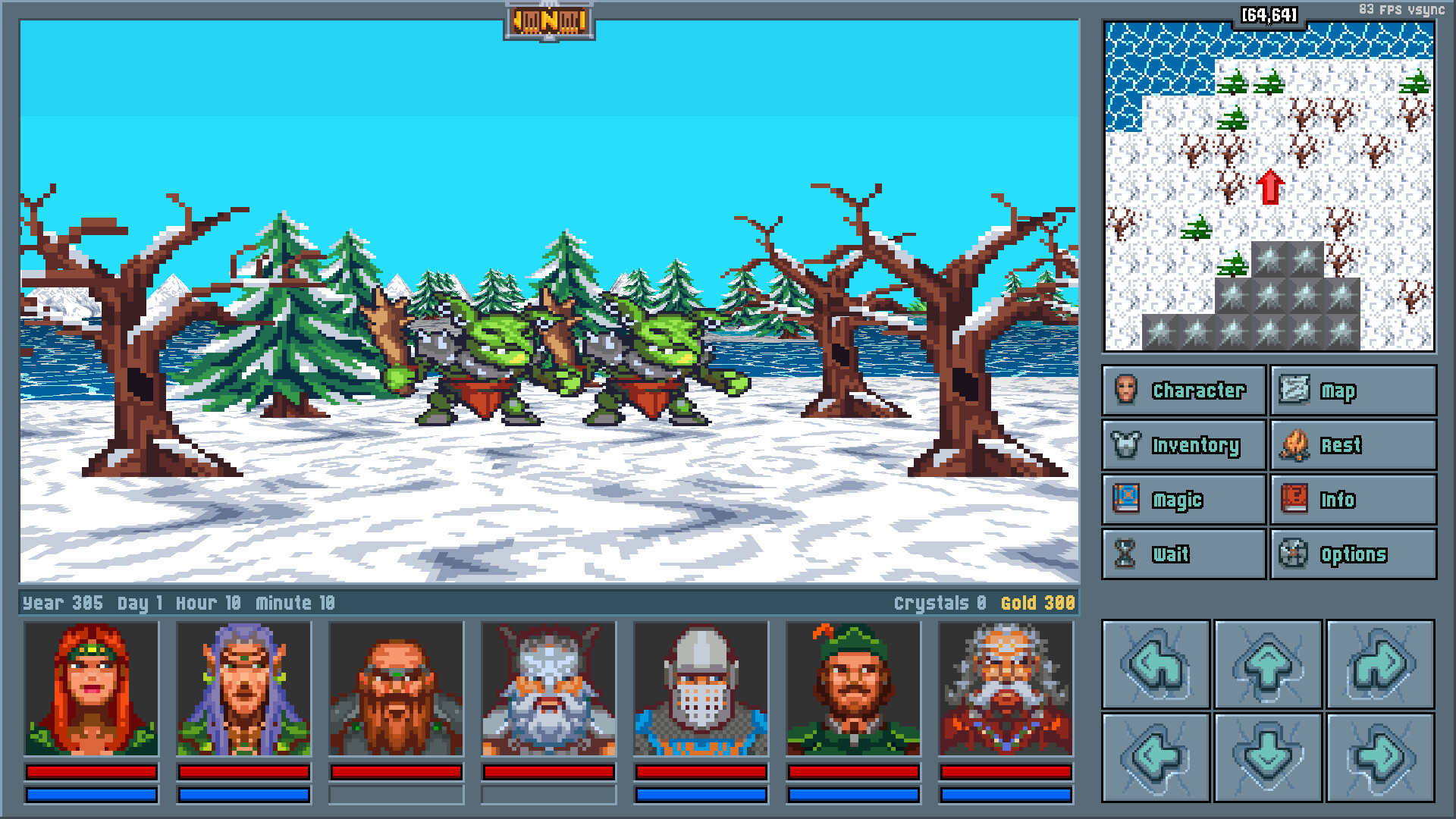
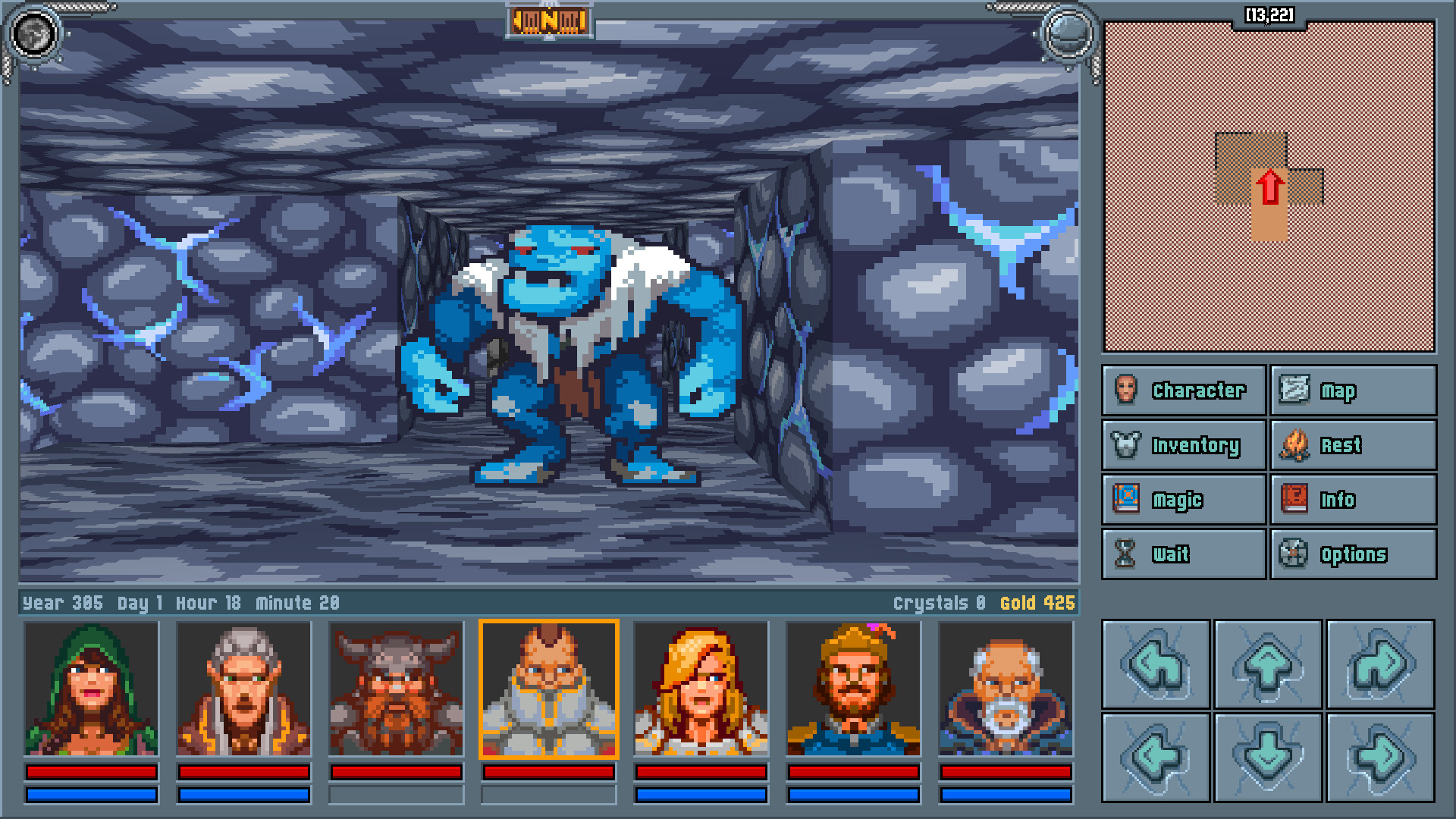
The game presents a classic first‑person perspective where the view rotates in 90‑degree increments. Movement occurs on a grid, echoing the style of early 90s RPGs and giving players clear directional control.
This grid‑based system works both during exploration and while navigating combat encounters, keeping the experience consistent across the overworld and dungeons.
- Compare the 90‑degree rotation to modern free‑camera games to appreciate the deliberate pacing.
- Use the grid layout to plan routes before entering combat, reducing unnecessary back‑tracking.
02 / THE GUIDE
Turn‑Based Combat
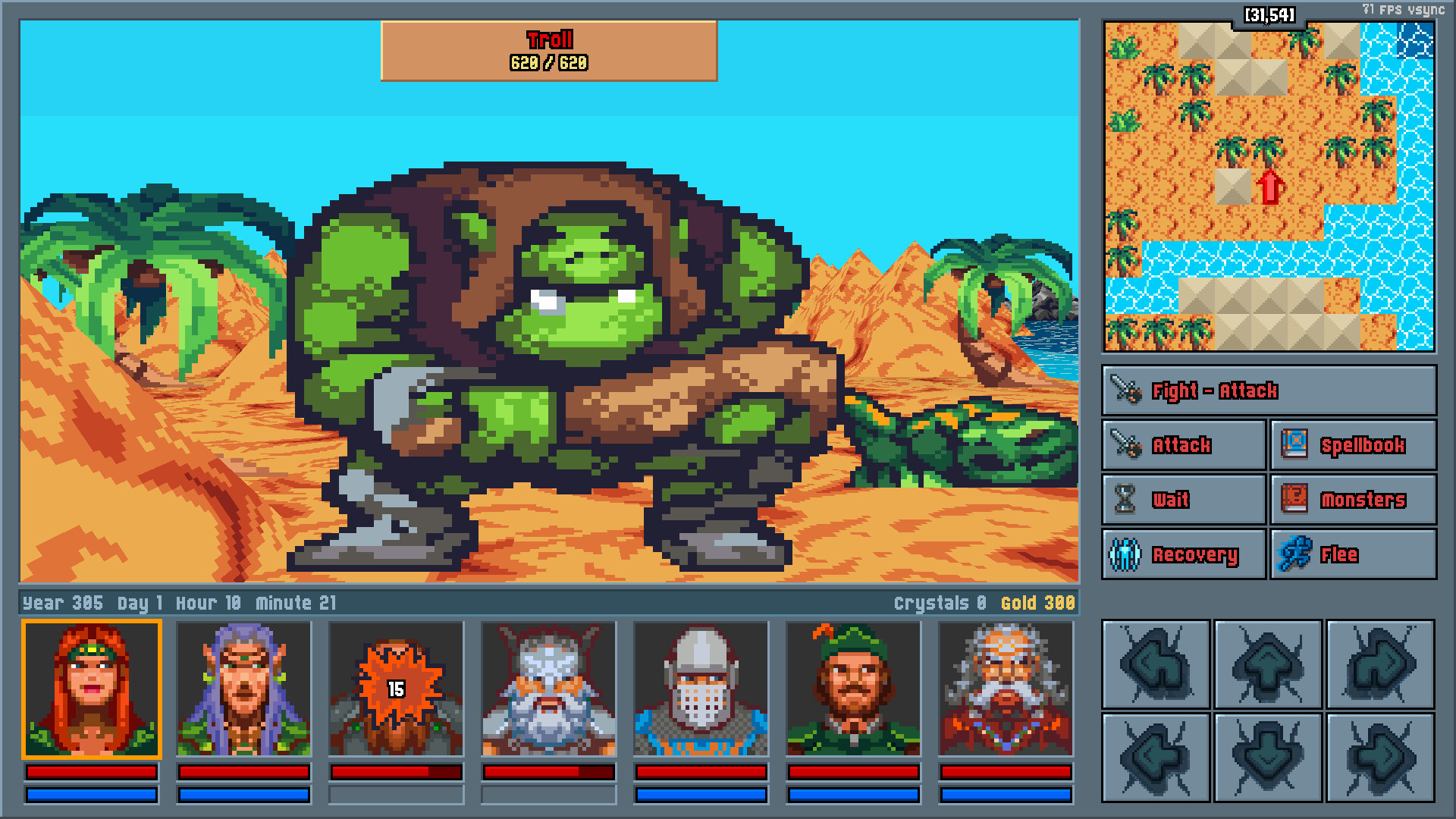
Combat follows a turn‑based system that mirrors the exploration pace. Each party member and enemy acts in order, allowing strategic decisions for each turn.
Even weaker foes are handled with “blazing fast” combat, keeping battles short while still requiring thoughtful positioning and ability use.
- Observe enemy turn order to prioritize threats early.
- Take advantage of the fast combat to experiment with different party setups.
03 / THE GUIDE
Party Assembly
Players control a party of up to seven adventurers. Parties can be pre‑made or manually assembled at the start of a new game, offering flexibility in composition.
All seven heroes are active throughout the adventure, sharing the same inventory and encumbrance limits, which simplifies management compared to multiple separate inventories.
- Mix pre‑made and custom heroes to compare their narrative contributions.
- Balance party roles early to avoid over‑reliance on a single character type.
04 / THE GUIDE
Fast Travel & Exploration
The open world features a large overworld that can be traversed via fast travel, reducing back‑tracking time. This system works alongside traditional grid movement for seamless navigation.
Fast travel is optional, allowing players who enjoy thorough exploration to move at their own pace without forced shortcuts.
- Use fast travel after completing a region’s side quests to save time.
- Explore manually first to discover hidden lore before relying on fast travel.
05 / THE GUIDE
Inventory & Encumbrance
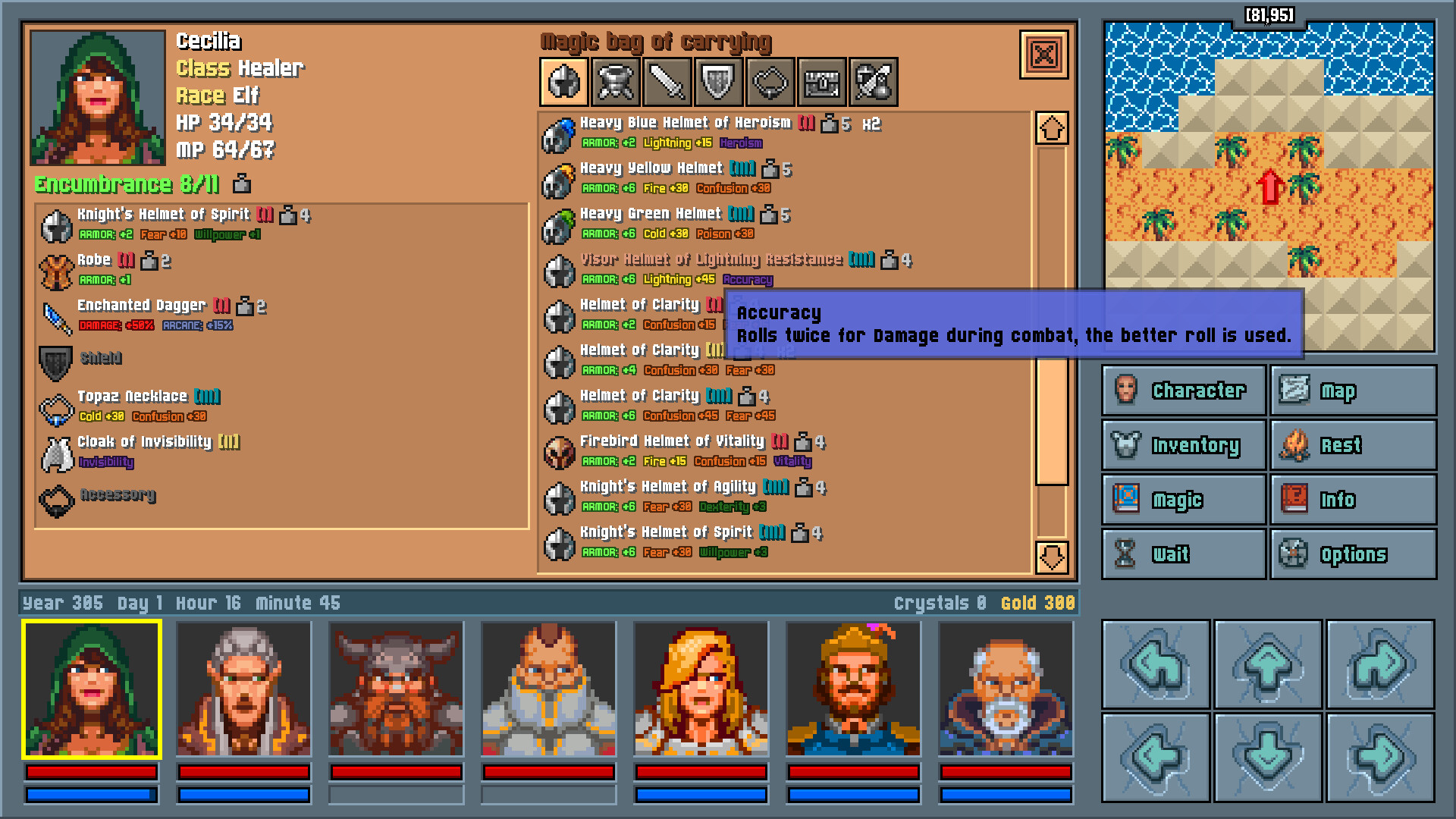
Inventory management separates personal equipment encumbrance from a bottomless magic bag that stores unequipped items. This design keeps equipment limits clear while allowing unlimited item collection.
The system is described as easy, letting players focus on questing rather than micromanaging weight or space constraints.
- Keep essential gear equipped and stash excess items in the magic bag.
- Periodically review equipped items to ensure optimal use of encumbrance.
COMMUNITY
Player discussion