 GameWiki

GET YOUR BEARINGS
About Lazy Witch's Factory
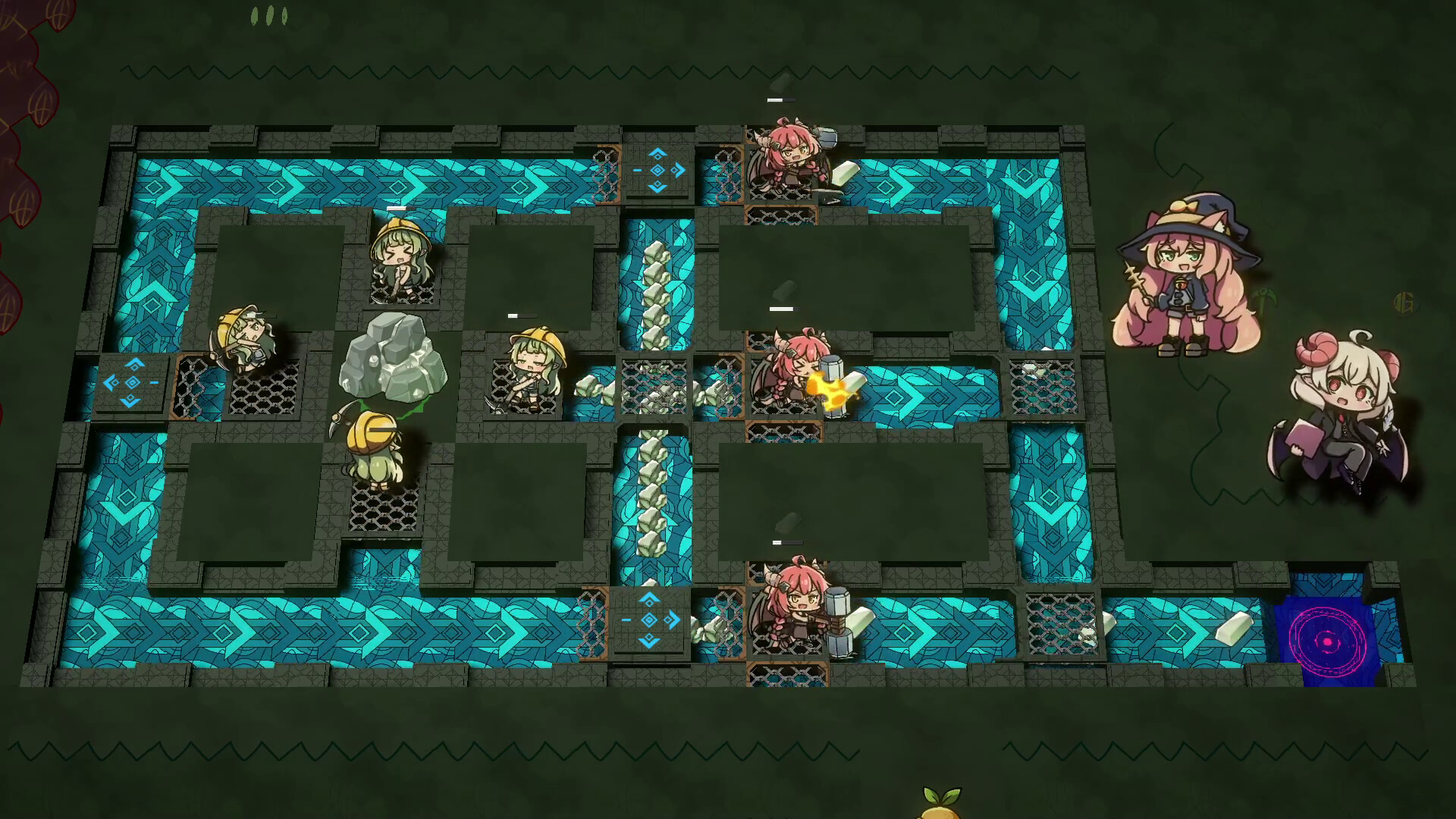
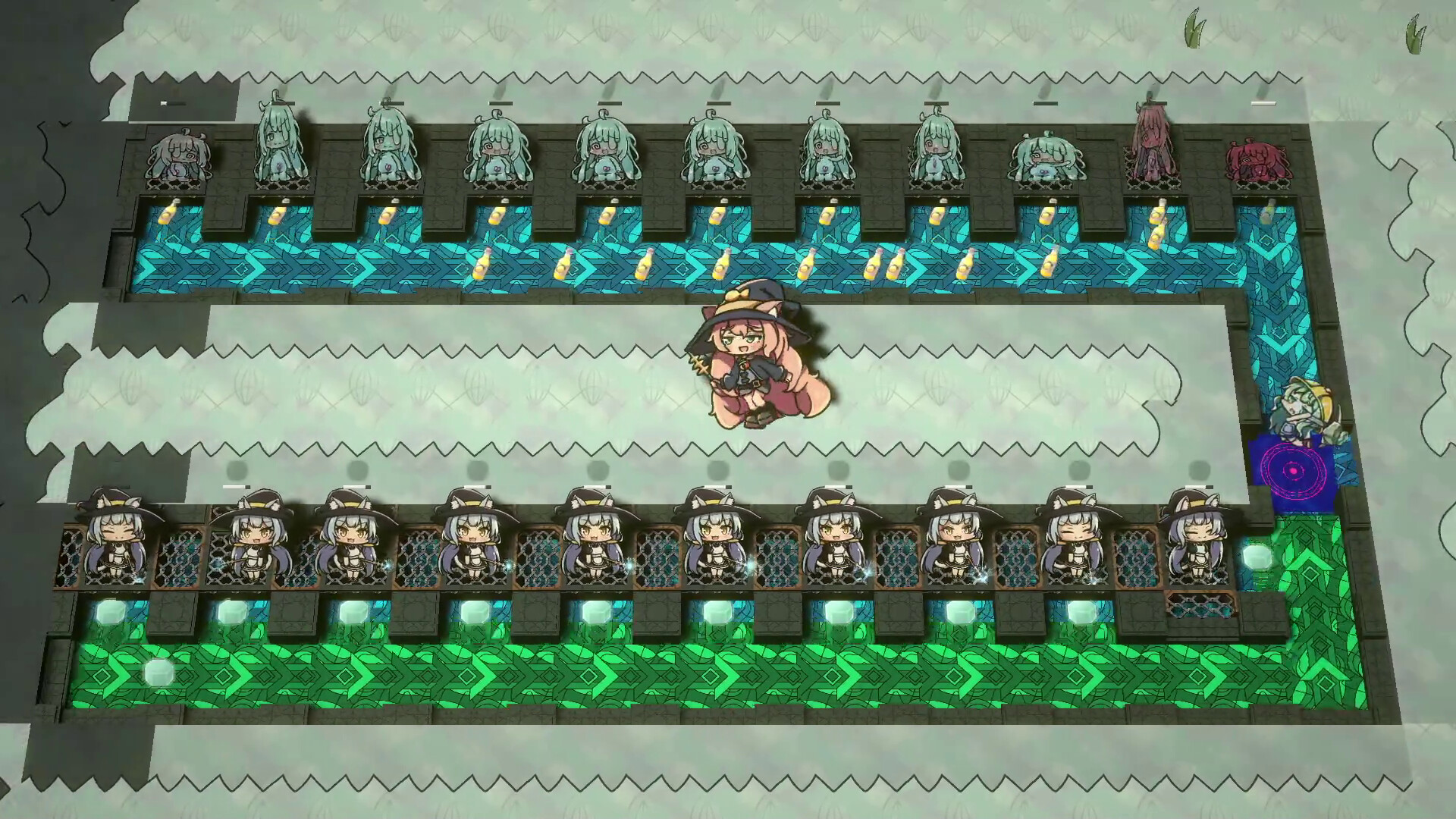
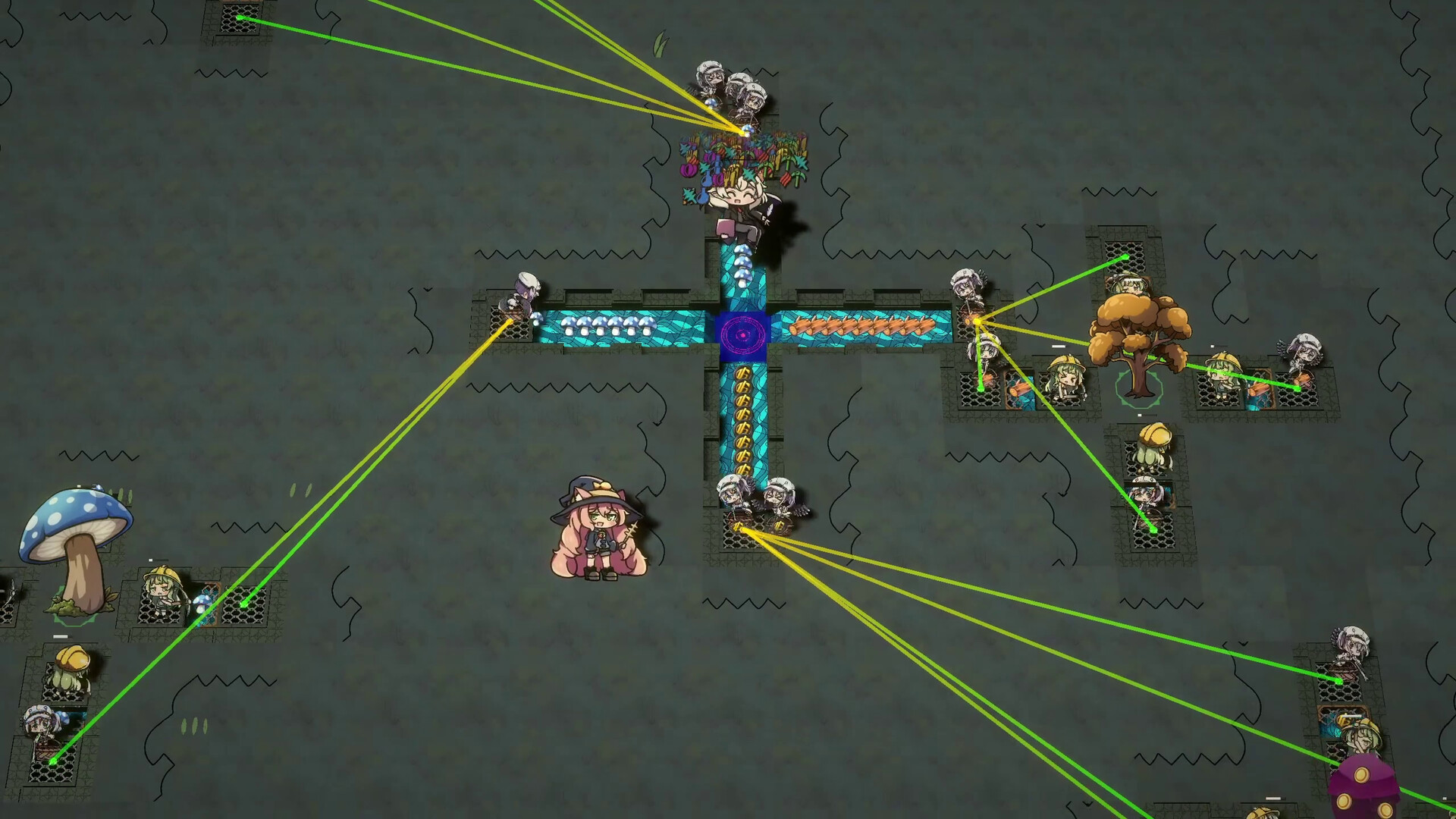
Lazy Witch’s Factory is a run-based rogue-lite factory builder where you have a single 30-minute shift to construct a production line, strike deals with demons, and repay an enormous debt. Failure means the shift ends and everything resets, but the knowledge you gain carries over to the next run.
You play as Momoko, a reluctant manager surrounded by honest yet unmotivated workers and a cast of demonic sponsors who offer questionable assistance. The game blends frantic time pressure with strategic factory design, encouraging creative shortcuts and ever-changing synergies.
01 / THE GUIDE
Game Premise
The core loop revolves around a single shift in which you must build a factory, produce goods, and settle a massive debt before the deadline. The narrative frames this as a hellish workplace where eternity meets overtime. Your progress resets each shift, but the experience you accumulate persists, allowing you to refine strategies over multiple runs.
- Focus on learning which contracts yield the most profit early.
- Experiment with different demon sponsors to discover hidden synergies.
02 / THE GUIDE
30-Minute Time Limit
Each run gives you exactly 30 minutes to design production lines, manage workers, and negotiate contracts. The timer creates a frantic pace that forces quick decision-making. When the shift ends, the factory resets, but any knowledge about efficient layouts or contract choices remains for the next attempt.
- Prioritize high-value products to maximize earnings before time runs out.
- Allocate early minutes to secure demon contracts that boost output.

03 / THE GUIDE
Contracts with Demons
Demons act as sponsors offering contracts that can rewrite recipes, transform excess ore into gems, or generate cash instantly. These deals are essential for overcoming resource shortages. Each demon provides a distinct benefit, such as Leviathan’s productivity experiments or Mammon’s mysterious cash flow, but their assistance is often morally ambiguous.
- Match demon abilities to current resource bottlenecks.
- Balance short-term gains against potential long-term drawbacks.
04 / THE GUIDE
Worker Personalities
Your employees are candid about their desires and generally lack motivation, affecting how they perform tasks like blacksmithing or distillation. Their attitudes influence production speed and efficiency. Understanding each worker’s preference—such as salamanders treating blacksmithing as a workout—allows you to assign tasks that align with their mindset, improving output.
- Assign workers to tasks they enjoy to reduce downtime.
- Watch how workers respond to their assignments and adjust accordingly.
05 / THE GUIDE
Replayability and Strategy
The game’s design encourages repeated runs, with each shift offering randomized options and varied demon sponsors. Over time, players develop deeper factory designs and more effective contract combinations. Strategic depth emerges from balancing limited resources, time pressure, and the ever-changing set of available upgrades, making each playthrough a fresh puzzle.
- Record successful layouts to reuse in future runs.
- Experiment with different sponsor pairings to discover new strategies.

COMMUNITY
Player discussion