 GameWiki

GET YOUR BEARINGS
About Lay a Beauty to Rest: The Darkness Peach Blossom Spring
Lay a Beauty to Rest: The Darkness Peach Blossom Spring is an indie adventure RPG that immerses players in a mythic Chinese valley where day and night hold opposing rules. The story follows travelers who stumble upon a hidden utopia that may conceal a darker price, inviting exploration of moral ambiguity. The game offers a massive 200,000‑word script, high narrative freedom, and twenty distinct endings that unfold through the perspectives of five main villagers, each with unique backstories and outcomes.
01 / THE GUIDE
Narrative Premise
The plot centers on Ziji Liu, a morally upright native of Nanyang, who learns of a legendary paradise and decides to seek it. The legend tells of a fisherman who, after losing track of distance, discovers a grove of peach trees that stretch for hundreds of paces, hinting at an eternal utopia.
Travelers who enter the valley often become lost, linger, or die, leaving descriptions that question whether an everlasting paradise could become a form of hell. The story asks what price the extinct Hosha kingdom paid for its secret of immortality.
- Compare the daytime and nighttime descriptions to notice rule changes.
- Observe how the legend’s tone shifts from hopeful to ominous.
02 / THE GUIDE
Characters and Endings
Five primary villagers—The Goddess, an amnestic little sister, a pretty widow, an aged village head, and a strong hunter—each possess distinct backstories and multiple endings that can be love‑or friendship‑focused. Their personalities shift between day and night, offering contrasting interactions.
Some narrative options are locked during the first playthrough, while hidden choices become available on subsequent runs, encouraging players to revisit the story from new angles to unlock all twenty endings.
- Track which characters you speak to during day versus night.
- Note which dialogue branches remain unavailable on first playthrough.

03 / THE GUIDE
Art Style and Setting
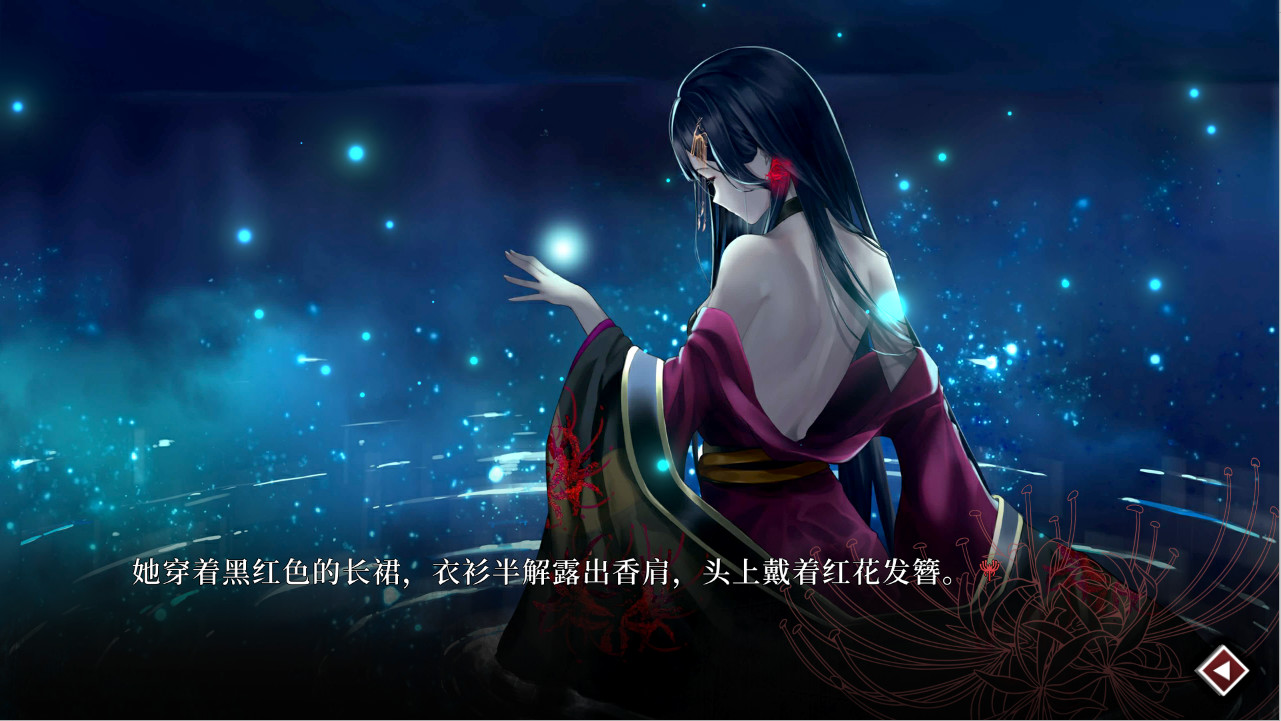
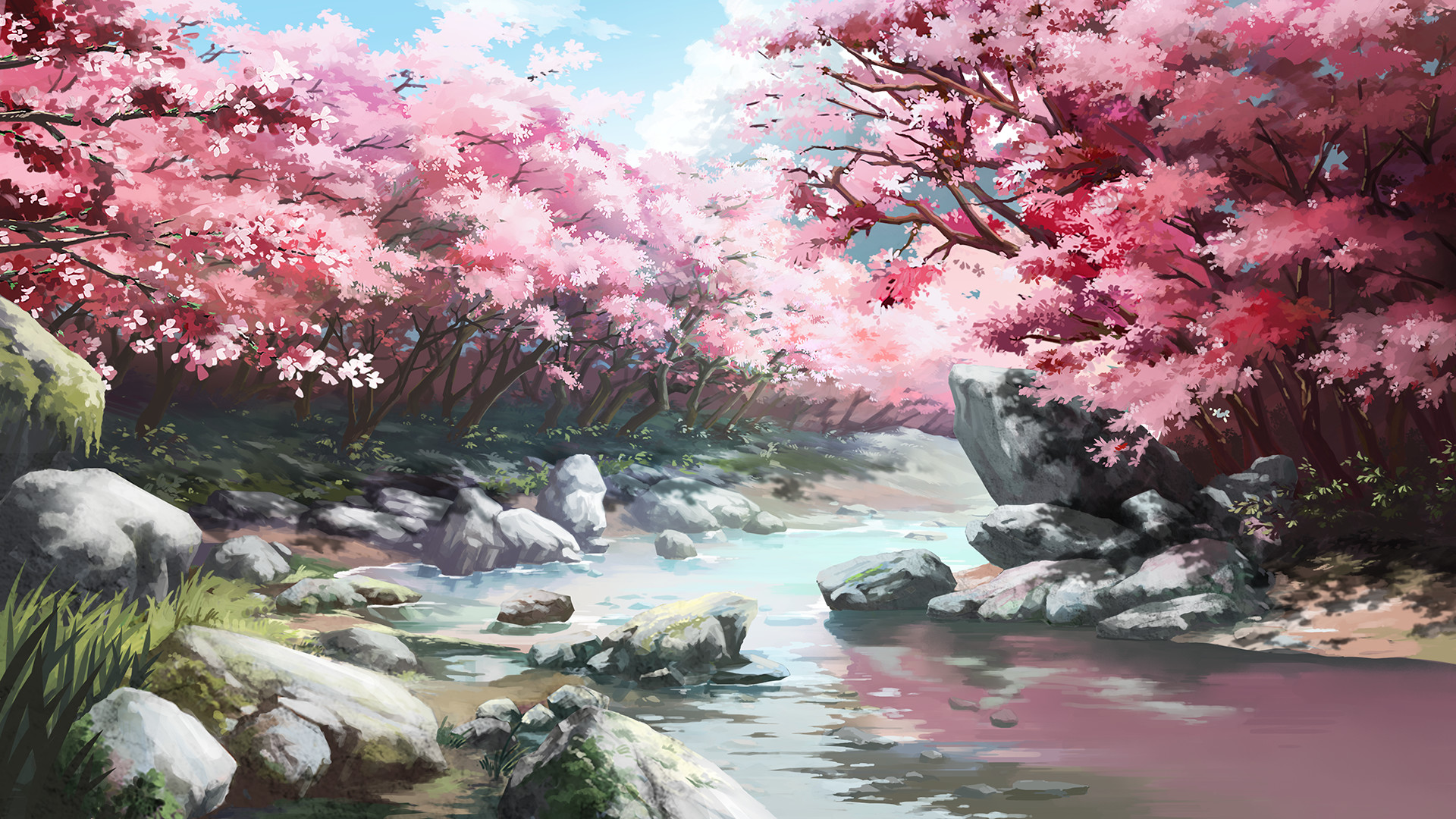
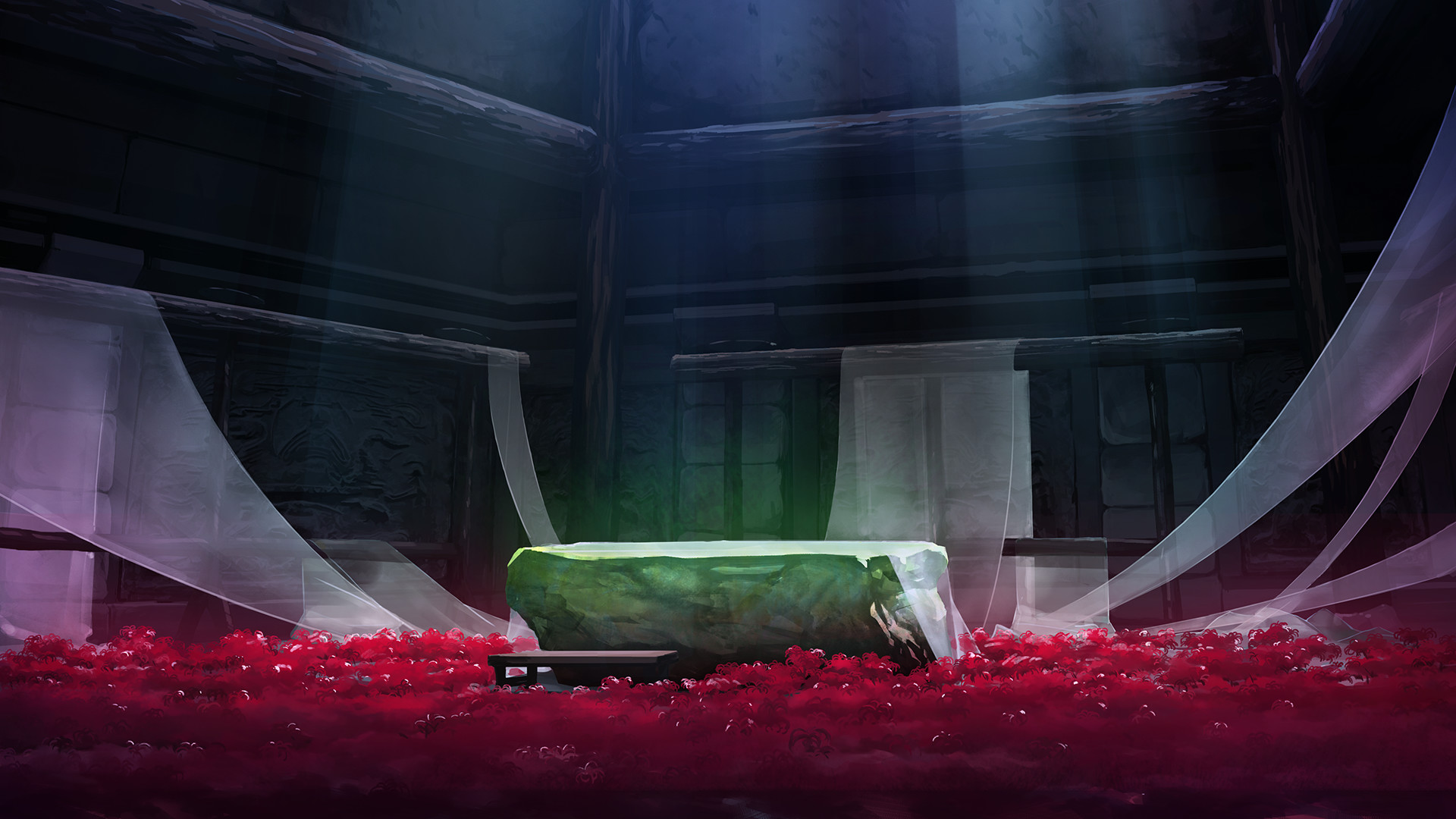
Visuals employ a Japanese‑style impasto technique that emphasizes the contrast between peach blossoms and equinox flowers, as well as life and death. Clothing and village architecture draw from Qin and Han dynasty characteristics, reinforcing the historical ambience.
Daytime scenes feature a gentle widow and a kind village head, while nighttime transforms them into a blade master and a hungry figure, reinforcing the day‑night dichotomy through both narrative and visual design.
- Look for historical clothing cues to identify the era being referenced.
- Compare lighting in day versus night scenes for thematic hints.
04 / THE GUIDE
Text Volume and Freedom
The game contains 200,000 non‑repeating words, providing extensive dialogue and description. Players enjoy a high degree of freedom, choosing lines to experience and exploring the village from various perspectives, which shapes the narrative outcome.
This textual richness supports twenty different endings, allowing players to craft unique storylines based on the choices they make and the characters they focus on throughout the adventure.
- Read dialogue fully to uncover subtle hints about hidden branches.
- Experiment with different character viewpoints to discover new endings.
05 / THE GUIDE
Audio and Voice Work
The game features full‑text dubbing, and Hanser, a well‑known KOL and voice actor, delivers over 600 lines for the heroine. The dubbing director, 森中人, ensures professional delivery, while additional voice talent contributes to the village’s diverse cast.
Sound effects and soundtrack elements were created with assistance from Nekoday, adding atmospheric depth that complements the day‑night thematic contrast.
- Listen for vocal tone changes between day and night scenes.
- Notice how sound cues signal shifts in narrative focus.

COMMUNITY
Player discussion